

You don’t think much about a baseball glove until it fails you. Maybe it’s the first time the ball pops out of your mitt during an easy catch. Maybe the stitching starts to tear after just a few practices. Or worse, you spend your hard-earned money on a “cheap” glove that feels like cardboard and never really breaks in.
That’s when the frustration hits.
Because buying a cheap baseball glove isn’t supposed to feel like a gamble.
But for most people, it does.
The truth is, there’s a massive difference between a bad cheap glove and a smart budget glove. And most guides online don’t tell you that. They throw random product names at you without explaining why some gloves last for seasons… while others barely survive a weekend.

This guide is different.
Instead of just listing options, you’re going to learn how to spot real value, avoid common mistakes, and choose a glove that actually performs on the field without draining your wallet.
Whether you’re:
- A beginner just getting into baseball
- A parent trying to buy a reliable glove for your kid
- A casual player who doesn’t want to overspend
- Or someone who simply wants the best deal possible
You’re in the right place.
Here’s what you’ll walk away with:
- The best cheap baseball gloves that are actually worth buying in 2026
- How to choose the right glove for your position and skill level
- The difference between materials, fit, and durability
- Where to buy quality gloves in the US without overpaying
- Proven tips to make a budget glove feel and perform like a premium one
Because here’s the reality most people don’t talk about:
You don’t need a $300 glove to play well.
You just need the right one.
What Makes a Baseball Glove “Cheap” (And When It’s Actually Worth It)
The word “cheap” gets misunderstood a lot in baseball.
Most people assume it automatically means low quality, short lifespan, or poor performance. But that’s not entirely true. In reality, “cheap” simply refers to price, not necessarily value.
And that distinction is where smart buyers win.
Understanding Price Tiers (What You’re Really Paying For)
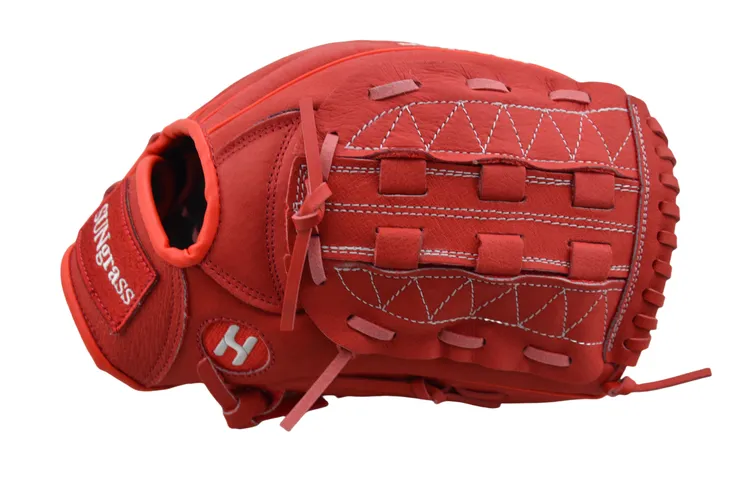
Not all cheap gloves are built the same. Here’s how the market typically breaks down:
Under $30
These are entry-level gloves, often made with synthetic materials. They’re lightweight and ready to use right away, but durability is limited. Ideal for very young players or occasional backyard use.
$30–$60
This is where things start to get interesting. You’ll find better construction, improved stitching, and sometimes hybrid materials like synthetic-leather blends. These gloves are suitable for beginners and casual players.
$60–$100
This is the sweet spot for cheap baseball gloves. Many options in this range use real leather such as pigskin or treated cowhide. They offer better durability, improved comfort, and a more natural feel.
If you’re serious about getting value without overspending, this is where you should focus.
Materials Matter More Than Price
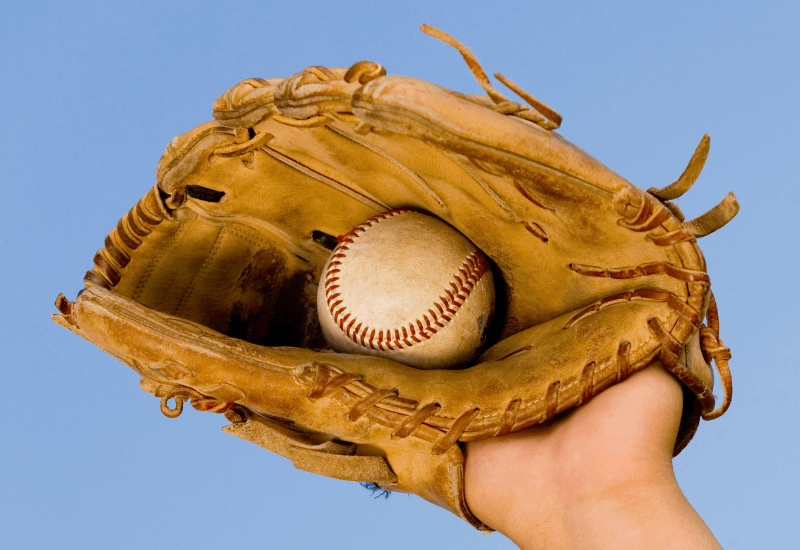
One of the biggest differences between a bad cheap glove and a good one comes down to materials.
Synthetic Gloves
- Lightweight and affordable
- Game-ready with little break-in time
- Less durable over time
Pigskin Leather
- Softer than full-grain leather
- Easier to break in
- Solid durability for the price
Cowhide Leather
- Stronger and more durable
- Slightly stiffer at first
- Longer lifespan with proper care
A $40 glove made with decent pigskin leather can easily outperform a $25 synthetic glove over time. That’s the kind of detail most buyers overlook.
Why Cheap Gloves Feel Stiff (At First)
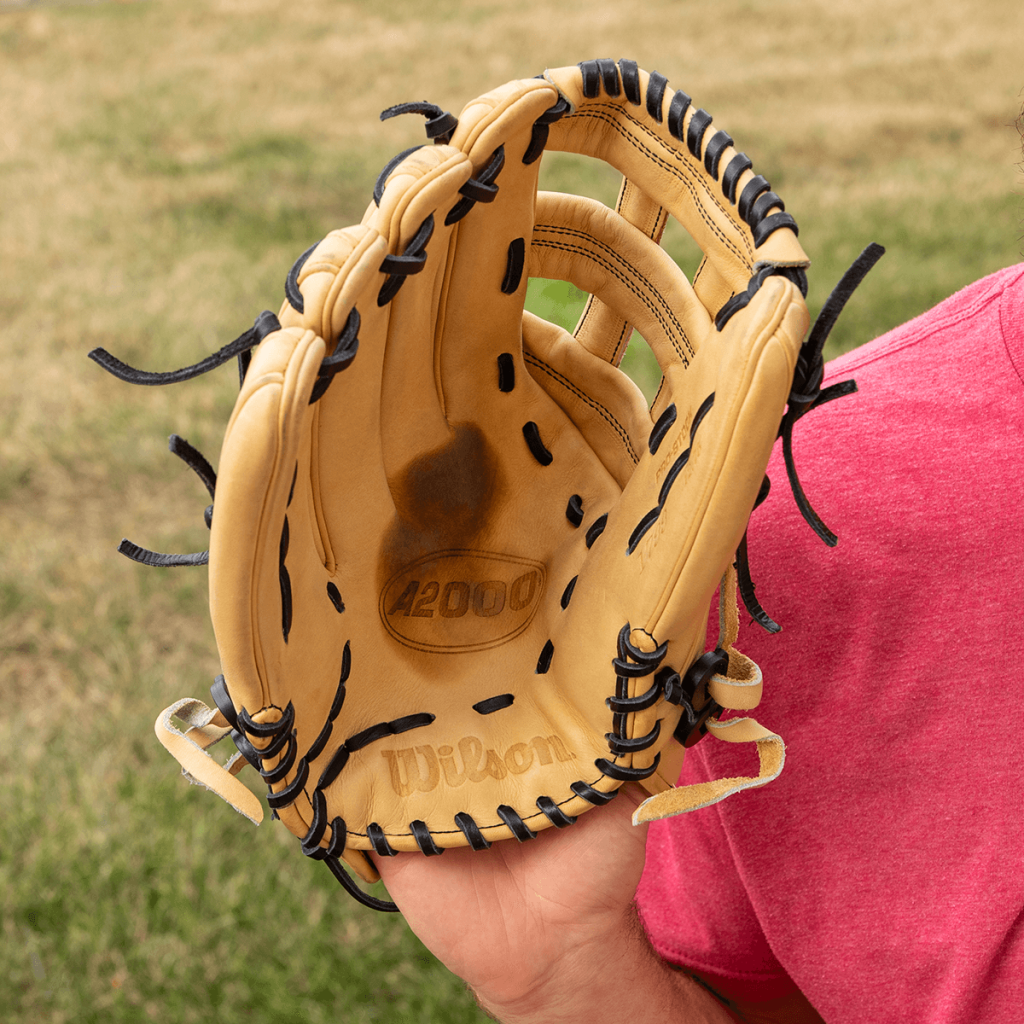
If you’ve ever bought a glove that felt like a brick, you’re not alone.
Many budget gloves are manufactured with:
- Thicker padding
- Basic shaping
- Minimal factory break-in
This makes them feel stiff initially, but it doesn’t mean they’re bad. In fact, some of the best value gloves simply need a proper break-in process to perform well.
Durability vs Frequency of Use
Here’s a simple way to think about it:
- Playing once a week or casually → cheap glove works perfectly
- Practicing daily or competitive play → invest closer to $100
Cheap gloves aren’t designed for heavy, daily abuse. But for most players, they offer more than enough performance when used appropriately.
The Real Definition of a “Good Cheap Glove”
A smart budget glove should:
- Fit comfortably from day one
- Break in without frustration
- Hold its shape over time
- Handle regular play without falling apart
If it checks those boxes, it’s not cheap in the way most people fear.
It’s just smart.
How to Choose the Right Cheap Baseball Glove
Buying a cheap baseball glove without knowing how to choose the right one is the fastest way to waste money.
Because even a good glove will feel terrible if it’s the wrong size, wrong type, or wrong fit for your hand.
This section will make sure that doesn’t happen.
Choose the Right Size (This Matters More Than Price)
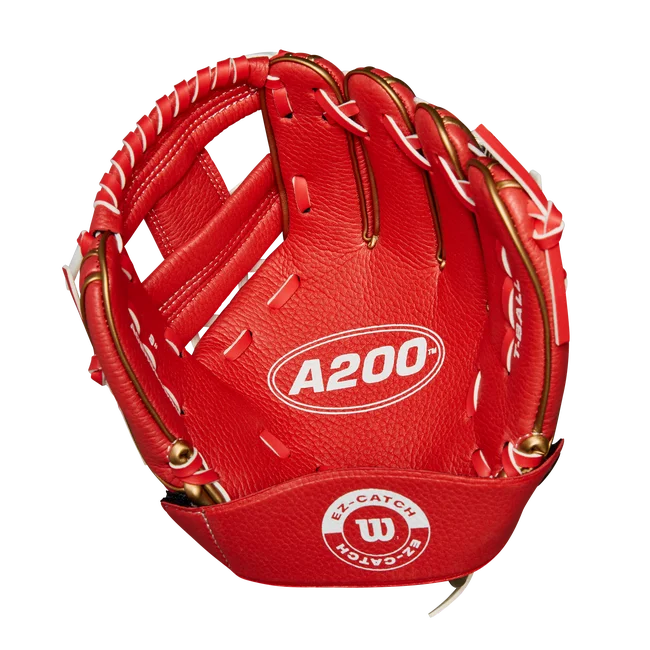
The size of your glove directly affects your performance.
Too small, and you’ll struggle to catch cleanly.
Too big, and you lose control and reaction speed.
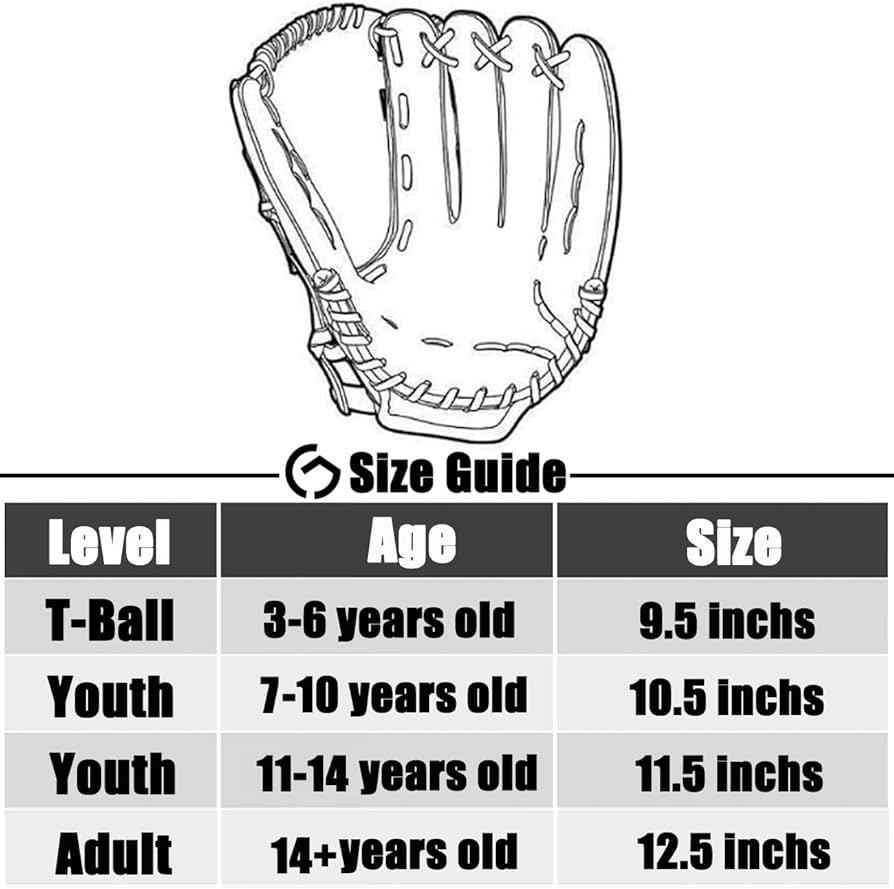
Here’s a simple breakdown most players follow:
- Ages 3–6: 9” – 10”
- Ages 7–10: 10” – 11.5”
- Ages 11–13: 11” – 12”
- Adults: 11.25” – 12.75” depending on position
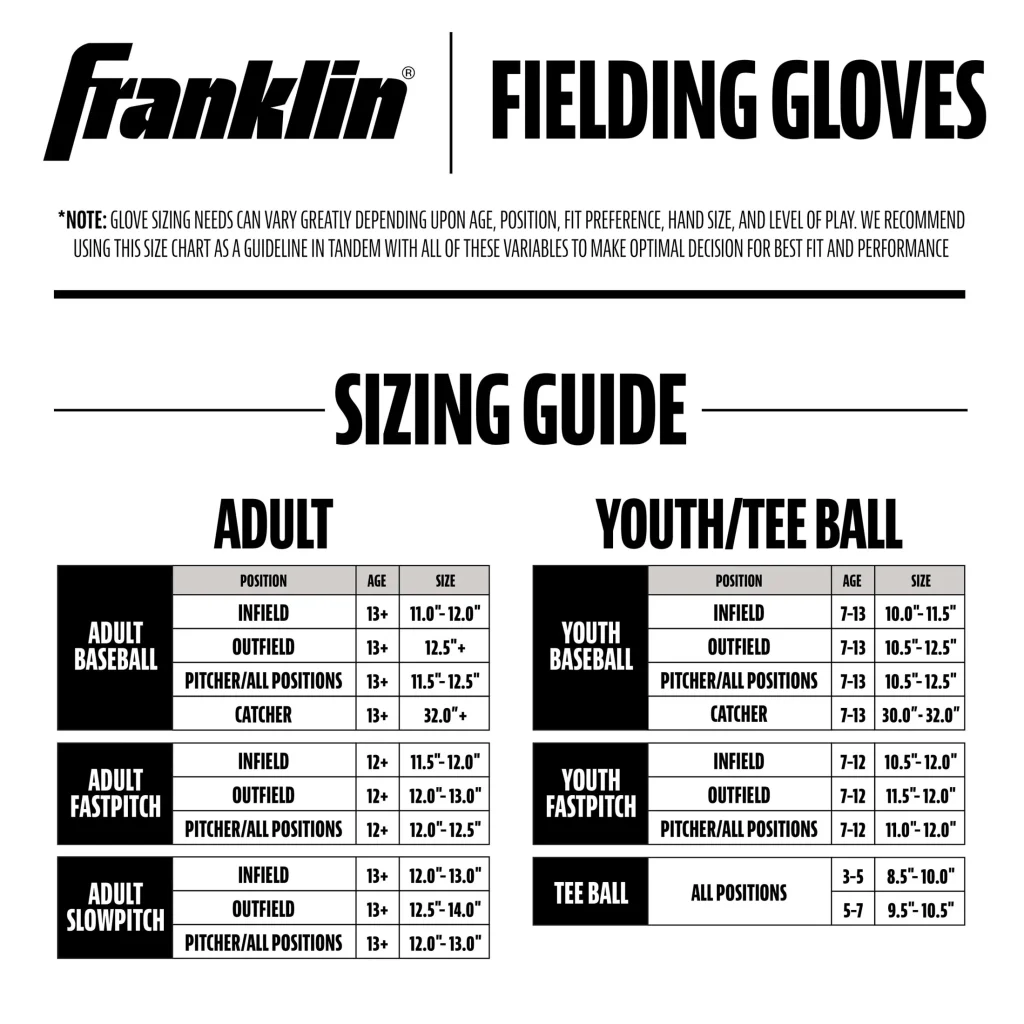
Infielders usually prefer smaller gloves for quick transfers, while outfielders go larger for better reach.
Pick the Right Webbing (Most People Ignore This)
Webbing affects how you catch and control the ball.
Here’s what you need to know:
- Closed web: Best for pitchers (hides grip)
- Open web: Ideal for infielders (quick ball transfer)
- Basket web: Great for beginners (flexible and forgiving)
If you’re buying cheap, basket web gloves are often the safest and most versatile option.
Break-In Time Can Make or Break Your Experience
One of the biggest complaints about cheap baseball gloves is stiffness.
But here’s the truth:
- Cheaper gloves often come “game-ready”
- Mid-range budget gloves may need break-in
- Leather gloves improve over time
If you want something usable immediately, go for softer materials.
If you want durability, expect a short break-in period.
Fit and Comfort (Where Cheap Gloves Usually Fail)
A glove can look perfect online and still feel wrong on your hand.
Pay attention to:
- Wrist adjustment straps
- Finger stall length
- Hand orientation (right-hand throw vs left-hand throw)
A properly fitted glove should feel secure, not loose or restrictive.
Match the Glove to Your Position
Different positions require different glove designs.
Here’s a quick breakdown:
- Infield: Smaller gloves (11”–11.75”) for speed
- Outfield: Larger gloves (12”–13”) for reach
- First base: Specialized mitt for scooping
- Catcher: Heavily padded mitt for protection
If you’re a beginner, a utility glove around 11.5”–12” is a safe choice.
Best Cheap Baseball Gloves (Under $100) — 2026 Picks
If you’ve made it this far, you already understand something most buyers don’t:
Cheap doesn’t mean low quality. It means choosing wisely.
This section breaks down the best cheap baseball gloves under $100 based on real-world factors that matter on the field: comfort, durability, break-in time, and overall value.
Instead of dumping random options, these picks are grouped by who they’re best for, so you can find your fit faster.
Best Cheap Baseball Gloves for Beginners
If you’re just starting out, your biggest priorities should be:
- Easy break-in
- Comfortable fit
- Game-ready flexibility
- Affordable price
You don’t need a stiff, pro-level glove. You need something that works immediately.
Top Beginner Picks
Rawlings Player Preferred Series
- Soft leather feel
- Minimal break-in required
- Strong pocket formation
- Ideal for casual and beginner play
Wilson A360
- Lightweight and flexible
- Very beginner-friendly
- Budget-friendly option under $50
Franklin Sports Field Master
- Synthetic leather build
- Ready to use right away
- Great for backyard and training use
These gloves are designed to help you learn the game without fighting your gear.
Best Cheap Baseball Gloves for Kids (Youth Players)
Buying for kids is different.
You’re not just buying a glove. You’re buying something that:
- Feels light in their hand
- Doesn’t frustrate them
- Helps them enjoy the game
Top Youth Picks
Rawlings Sure Catch Series
- Designed specifically for kids
- Soft shell makes catching easier
- Quick close design for smaller hands
Franklin Meshtek Series
- Ultra-lightweight
- Mesh construction reduces fatigue
- Budget-friendly and durable for its class
Wilson Youth Series
- Comfortable fit
- Reliable brand quality
- Good balance between softness and structure
The goal here is simple: make catching easier so kids stay interested.
Best Cheap Baseball Gloves for Adults
Adult players need something different from beginners and kids.
You want:
- Better durability
- Stronger materials
- A glove that won’t fall apart mid-season
Top Adult Picks
Mizuno Prospect Series
- High-quality leather feel
- Durable and long-lasting
- Comfortable for repeated use
Wilson A500
- Genuine leather construction
- Better structure than entry-level gloves
- Great for recreational leagues
Rawlings Renegade Series
- Deep pocket design
- Game-ready feel
- Excellent value under $80
These gloves strike the balance between affordability and performance.
Best Cheap Gloves by Position
Choosing by player type is helpful. But choosing by position is what really improves performance.
Infield Gloves (Speed and Control)
- Smaller size for quick transfers
- Shallow pockets
- Lightweight design
Best for:
- Second base
- Shortstop
- Third base
Outfield Gloves (Reach and Catch Radius)
- Larger size
- Deep pocket
- Helps secure fly balls
Best for:
- Left field
- Center field
- Right field
First Base Mitts (Specialized Design)
- Unique curved shape
- Designed for scooping throws
- Extra reach and control
-
Catcher’s Mitts (Maximum Protection)
- Thick padding
- Closed design
- Built for high-impact catching
Where to Buy Cheap Baseball Gloves in the US
Finding a good cheap baseball glove is only half the battle.
Knowing where to buy it is what actually saves you money.
Prices for the exact same glove can vary by $15 to $40 depending on the store, timing, and whether you’re shopping online or in-person. If you don’t know where to look, you’ll almost always overpay.
This section shows you the smartest places to buy and how to get the best deal.
Online Stores (Best for Convenience and Price Comparison)
Online shopping gives you access to the widest selection and the easiest way to compare prices quickly.
ddAmazon
Why it’s great:
- Huge variety of cheap baseball gloves
- Frequent discounts and flash deals
- Customer reviews help avoid bad purchases
- Easy returns if the glove doesn’t fit
Walmart
Why it’s great:
- Competitive pricing on budget gloves
- Options for in-store pickup
- Good for quick purchases
Dick’s Sporting Goods
Why it’s great:
- Trusted brands like Rawlings and Wilson
- Seasonal discounts and clearance deals
- Ability to try gloves in-store
In-Store Shopping (Best for Fit and Comfort)
Buying in-store gives you one major advantage:
You can actually try the glove before buying.
Academy Sports + Outdoors
Why it’s great:
- Wide selection of budget-friendly gloves
- Staff assistance for sizing
- Frequent in-store promotions
Local Sporting Goods Stores
Why they’re great:
- Personalized recommendations
- Ability to test fit and comfort
- Sometimes hidden local deals
When to Buy Cheap Baseball Gloves (Timing Matters More Than You Think)
Timing is everything when it comes to buying cheap baseball gloves. The price difference between stores, seasons, and promotions can be $20–$50 for the exact same glove. Buying at the right time lets you get a high-quality glove for a fraction of the cost.
Here’s how to plan your purchase strategically.
Best Times to Buy Cheap Baseball Gloves
1. Back-to-School Season (August–September)
- Many sporting goods stores and online retailers run back-to-school promotions, especially for youth gloves.
- You’ll often find bundle deals, like a glove plus a baseball or training kit.
- Ideal for parents buying gloves for kids joining school teams or recreational leagues.
2. End-of-Season Clearance (Late Summer)
- Retailers clear inventory at the end of summer after the baseball season.
- You can grab gloves up to 30–40% off the original price.
- Best for adults and youth players who don’t mind using last year’s model.
Tip: Check both physical stores and online outlets for clearance sections.
3. Black Friday and Holiday Sales
- Major deals often appear around Black Friday, Cyber Monday, and holiday sales.
- Both online and brick-and-mortar stores participate.
- Great opportunity to snag higher-end gloves at beginner-friendly prices.
4. Early Spring (Before Baseball Season Peaks)
- Stores stock up for the upcoming baseball season (March–April).
- Some retailers offer pre-season discounts to encourage early purchases.
- Perfect if you want the latest gloves before they sell out.
Smart Buying Tips (Most People Miss This)
Even with perfect timing, you can still overpay or buy the wrong glove. Use these expert tips to maximize value:
- Compare Across Stores:
Don’t settle for the first deal. Check at least two stores or online sites to compare prices and models. - Check Customer Reviews:
Look for notes on sizing issues, break-in experience, and durability. Reviews often reveal problems that product descriptions hide. - Look for Bundle Deals:
Some gloves come with balls, training aids, or glove care kits. These bundles add real value without extra cost. - Avoid “Too Cheap to Be True” Listings:
If a glove is 50–70% cheaper than everywhere else, it may be counterfeit, used, or poor quality. Stick to reputable retailers.
Key Insight
Even a $40 glove can feel like a $100 glove if you buy at the right time and from the right store. Combining smart timing with these tips ensures you get maximum performance for minimum cost.
Price Comparison & Break-In Guide for Cheap Baseball Gloves
Buying a cheap baseball glove is only part of the equation. You need to know which glove gives the best value and how to break it in properly to make it game-ready. This section combines price transparency with a practical guide.
Price Comparison Table
| Glove | Typical Price | Best For | Visual |
|---|---|---|---|
| Rawlings Player Preferred | $45–$60 | Beginners | |
| Wilson A360 | $40–$50 | Beginners | |
| Franklin Field Master | $25–$40 | Beginners/Training | |
| Rawlings Sure Catch (Youth) | $30–$45 | Kids | |
| Wilson Youth Series | $35–$50 | Kids | |
| Mizuno Prospect Series | $65–$85 | Adults | |
| Wilson A500 | $70–$80 | Adults | |
| Rawlings Renegade | $60–$80 | Adults |
Break-In Guide for Cheap Baseball Gloves
Even the best glove won’t perform immediately if it’s stiff. Here’s how to break in your glove without ruining it:
Step 1: Apply Glove Conditioner
- Use a small amount of glove oil or conditioner.
- Focus on the pocket and fingers.
Step 2: Shape the Pocket
- Insert a baseball or softball into the pocket.
- Wrap with a band or string overnight.
Step 3: Play Catch Regularly
- Regular use softens the glove naturally.
- Focus on snapping the glove and catching balls in different positions.
Step 4: Store Properly
- Keep a ball in the pocket.
- Avoid extreme heat or moisture.
Quick Tips
- Don’t soak your glove, it can damage leather.
- Avoid hitting with a mallet too hard; gentle shaping is enough.
- A properly broken-in glove improves control, comfort, and catching confidence.
Beginner-Friendly Baseball Glove Buying Guide + Expert Tips
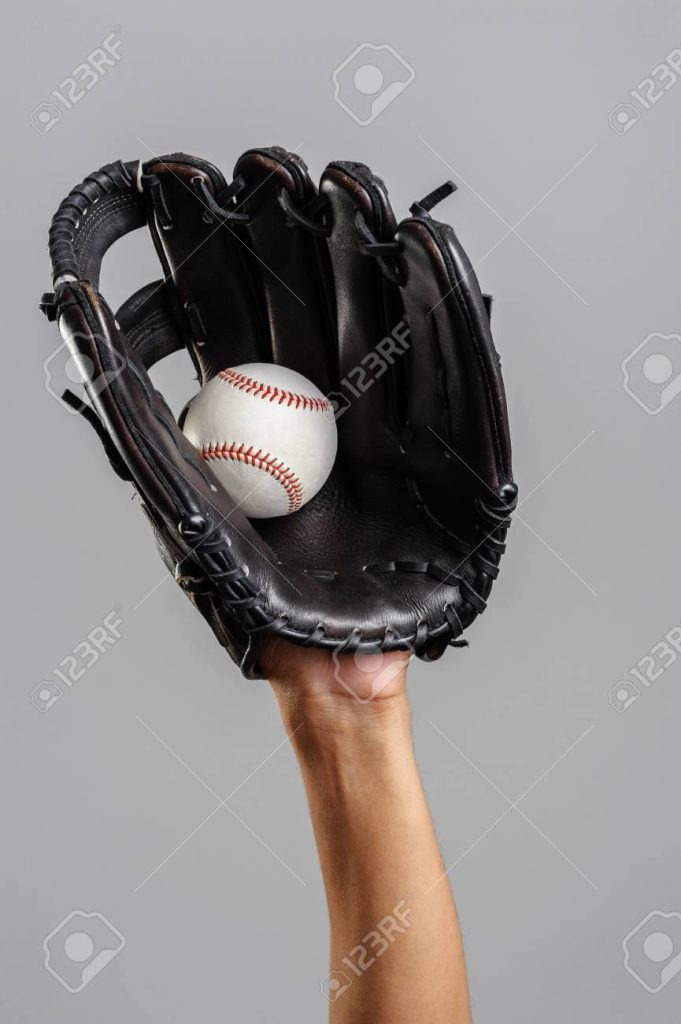
Choosing a cheap baseball glove can be overwhelming. There are sizes, materials, positions, and brands to consider. This guide simplifies it for beginners while keeping it actionable and visual.
Step 1: Know Your Position
Different positions require different gloves. Picking the right glove type is crucial for performance.
Tips:
- Infield: Small, shallow pocket for quick transfers
- Outfield: Larger glove with deep pocket for catching fly balls
- Catcher: Thickly padded mitt for maximum protection
- First Base: Curved mitt for scooping throws
Step 2: Pick the Right Size
Size matters, especially for youth players.
Tips:
- Youth: 9–12 inches
- Adult Infield: 11–12 inches
- Adult Outfield: 12–13 inches
Step 3: Material Matters
The two main glove materials are leather and synthetic.
Tips:
- Leather: Durable, better long-term performance, needs break-in
- Synthetic: Lighter, game-ready out of the box, cheaper
Step 4: Comfort and Fit
Comfort affects confidence on the field.
Tips:
- Fingers should reach glove ends comfortably
- Wrist strap adjustable but snug
- Light enough for quick hand movements
Step 5: Budget-Friendly Picks
Here’s how beginners can get the best value:
Tips:
- Don’t overspend on pro-level gloves early
- Check for seasonal discounts
- Consider last year’s model for savings
Step 6: Expert Tips for First-Time Buyers
- Always try before buying if possible
- Check return policy for online purchases
- Read user reviews on durability and sizing
- Break-in your glove properly (refer to our Break-In Guide)
- Keep a ball in the pocket when not in use
Frequently Asked Questions (FAQ)
Q1: Can cheap gloves perform well?
Answer: Yes! Gloves under $100 can perform well if you pick the right material, size, and brand. Many beginners and recreational players thrive with budget gloves.
Q2: How long does it take to break in a glove?
Answer: Typically 2–4 weeks with regular use. Using a glove conditioner and shaping the pocket accelerates the process.
Q3: Should kids use leather or synthetic gloves?
Answer: Synthetic gloves are easier for beginners to use right away. Leather gloves are more durable long-term but require break-in.
Q4: How do I clean and maintain my glove?
Tips:
- Wipe with a damp cloth after use
- Apply glove conditioner periodically
- Store with a ball in the pocket to maintain shape
- Avoid extreme heat or water
Maintenance Tips for Longevity: Make Your Glove Last
A baseball glove is an investment, even a cheap one. With proper care, a glove under $100 can perform like a high-end model for several seasons. Neglect it, and it can become stiff, cracked, or unusable within weeks.
Here’s how to keep your glove in top shape.
1. Regular Conditioning
Leather gloves dry out over time, which makes them stiff and prone to cracks. Conditioning keeps the leather soft and flexible.
Step-by-Step Tips:
- Apply glove conditioner or glove oil once every 2–4 weeks (more if you play often).
- Use a small amount, a little goes a long way.
- Focus on the pocket and finger areas, where the glove bends most.
- After applying, work the glove with your hands to let the conditioner absorb.
Tip: Over-conditioning can make the glove greasy, so moderation is key.
2. Proper Storage
Improper storage can warp your glove, flatten the pocket, or cause mold in humid environments.
Best Practices:
- Always store gloves in a cool, dry place. Avoid leaving them in hot cars or damp basements.
- Keep a baseball or softball in the pocket to maintain its shape.
- Do not stack heavy objects on top of the glove.
Extra Tip: A glove bag or mesh sports bag can help protect your glove while traveling.
3. Avoid Overuse
Even the best leather will wear out faster if used nonstop.
Tips to Reduce Wear:
- If you have multiple gloves, rotate them between practices and games.
- Avoid using the same glove for intensive drills and casual backyard play, reserve the “training glove” for rough use.
4. Check Laces Regularly
Glove laces are often the first part to fail, especially on budget gloves.
How to Maintain:
- Inspect laces once a month or before important games.
- Tighten loose laces using a lace tightening tool or needle and strong cord.
- Replace broken laces immediately to prevent structural damage.
5. Extra Maintenance Tips
- Clean dirt and dust after every use with a soft cloth.
- Avoid soaking in water; leather shrinks and loses shape.
- Use a glove mallet or ball to reshape the pocket occasionally.
- Check for worn-out seams and repair before they worsen.
Key Takeaway
A cheap glove that’s well-maintained can outperform a more expensive glove that’s neglected. Regular conditioning, proper storage, smart usage, and lace care extend both performance and lifespan.
Conclusion: Get the Best Value Out of Cheap Baseball Gloves
Choosing the right glove doesn’t require spending a fortune. With careful selection based on position, size, material, and brand, you can get a durable, comfortable glove under $100.
Key Takeaways:
- Beginners should prioritize comfort and flexibility
- Youth gloves should be lightweight and easy to close
- Adult gloves need durability and proper fit
- Timing and store selection impact price and value
- Proper break-in and maintenance extend glove life
Next Steps for Readers:
-
- Check out our price comparison table and buying guide
- Follow the break-in guide for immediate game readiness
- Use maintenance tips to ensure your glove lasts multiple seasons
