
You’ve been there, standing in the wine aisle, staring at hundreds of bottles, wondering which one won’t taste like disappointment, yet won’t drain your wallet. You want red wine that’s smooth, flavorful, and easy to drink, without paying $30 or more a bottle.
Here’s the good news: best cheap red wine in the US doesn’t have to taste cheap. In fact, some of the best affordable wines can rival pricier labels, if you know how to pick them.
In this guide, we’re not just listing bottles. You’ll learn:
- The top cheap red wines under $15 that actually taste amazing
- How to choose bottles that suit your palate and food pairings
- Insider tips on serving, storing, and enjoying budget-friendly reds
- Where to buy in the US for the absolute best deals
By the end of this article, you’ll confidently walk into any store or order online, grab a bottle, and know exactly what you’re getting. No guessing, no wasted money, just great wine that’s easy on your wallet.
Why Some Cheap Red Wines Taste Better Than Others
Not all cheap red wines are created equal. Some bottles may surprise you with depth, smoothness, and flavor, while others can taste bitter, flat, or even sour. The secret isn’t always the price, it’s about grape variety, region, winemaking process, and balance. Understanding these factors will make you a smarter buyer.
Key Factors That Make Cheap Red Wine Taste Good
- Grape Variety
Some grapes naturally produce richer, smoother wines, even at a lower price. Look for:- Merlot: Soft, fruity, and very approachable
- Malbec: Full-bodied with dark fruit flavors
- Cabernet Sauvignon: Structured, often smooth if young
- Zinfandel: Bold and slightly spicy, works well in blends
- Wine Region
Certain regions are famous for producing affordable wines that taste amazing:- California: Big selection, especially in Sonoma and Lodi
- Chile: Known for Malbec and Cabernet Sauvignon with excellent value
- Argentina: Malbec dominates, smooth and bold at low prices
- Washington State: Rising in reputation for budget-friendly reds
- Winemaking Techniques
- Blending: Many affordable wines are blends, balancing flavor and smoothness
- Oak Aging: Short-term oak aging can add complexity without huge costs
- Filtering & Fining: Ensures clarity and smooth taste
- Balance of Tannins, Alcohol, and Sugar
- Too much tannin makes wine harsh; too little makes it thin
- Alcohol content affects body and mouthfeel
- Slight residual sugar in reds like Zinfandel can smooth the flavor
Understanding these factors helps you predict which cheap wines will taste great, even without tasting every bottle in the store.
How to Choose the Best Cheap Red Wine
Choosing the best cheap red wine isn’t about blindly grabbing the cheapest bottle on the shelf. With a little knowledge, you can consistently pick wines under $15 that are smooth, flavorful, and enjoyable. Here’s how to do it like a pro.
1. Look for the Right Regions
Some regions consistently deliver value in the US and globally:
- California: Sonoma, Lodi, and Central Coast produce approachable reds at budget-friendly prices.
- Chile: Excellent Malbec and Cabernet Sauvignon options that are full-bodied yet smooth.
- Argentina: Known for Malbecs with rich fruit flavors and bold body.
- Washington State: Offers quality Cabernet and Merlot at competitive prices.
Buying from these regions increases your odds of getting a wine that tastes expensive without paying a premium.
2. Focus on Popular Varietals
Some grape varieties are naturally easier to enjoy on a budget:
- Merlot: Smooth, fruity, great for first-time wine drinkers.
- Cabernet Sauvignon: Structured, ideal for pairing with hearty meals.
- Malbec: Dark, rich, and perfect for red meat or pasta.
- Zinfandel: Bold and slightly spicy, works well in blends and BBQs.
3. Check Alcohol & Sugar Levels
- Wines with moderate alcohol (12–14%) usually taste smoother.
- Slight residual sugar can balance tannins and make cheap reds more enjoyable.
- Avoid overly sweet or high-alcohol reds if you want smooth, drinkable wine.
4. Vintage & Bottle Size
- Vintage: Younger wines often taste fresher, while very old cheap reds can be flat.
- Bottle size: Standard 750 ml is ideal; boxed wines or 1.5 L bottles can save money but may lose freshness after opening.
5. Where to Buy for Best Deals
- Retailers: Trader Joe’s, Total Wine, Costco, and BevMo often carry top-rated budget reds.
- Online: Wine.com, Drizly, and Vivino offer deals and reviews for price-conscious buyers.
- Local Wineries: Smaller wineries may sell affordable, high-quality reds that aren’t available in big stores.
By combining region, varietal, alcohol, vintage, and smart shopping, you can pick wines that taste great without stretching your budget.
Top Best Cheap Red Wines in the US – 2026 Picks
Finding a great-tasting red wine under $15 is easier than you think. Here are the top picks for 2026, grouped by flavor profile and use, so you know exactly what to buy.
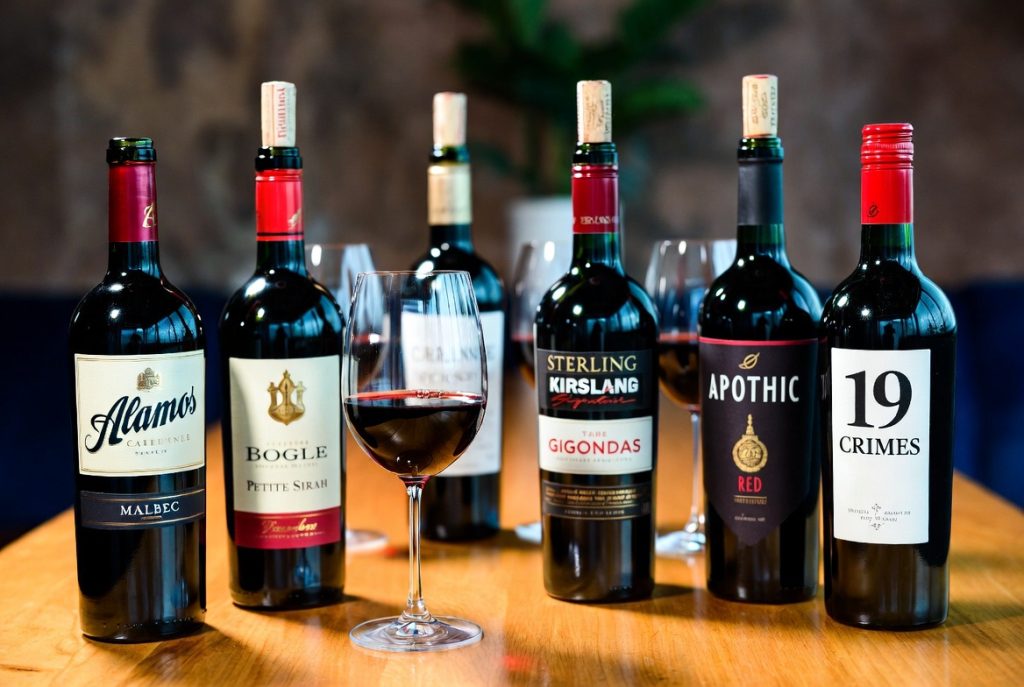
Smooth Everyday Reds (Easy to Drink)
Barefoot Merlot – ~$7–$10
- Fruity, soft, and versatile, perfect for casual sipping or pairing with pasta and cheese.
- Why it’s great: Smooth tannins make it approachable for beginners and budget-friendly for everyday use.
Yellow Tail Shiraz – ~$8–$12
- Soft, bold flavor with subtle spice. Works well with grilled meats or pizza.
- Why it’s great: Reliable, easy to find, and consistently smooth.
Apothic Red Blend – ~$10–$13
- Rich and slightly sweet, perfect for pasta or chocolate desserts.
- Why it’s great: Smooth blend of Zinfandel, Merlot, and Syrah for approachable flavor.
Budget-Friendly Bold Reds
Alamos Malbec – ~$10–$12
- Full-bodied, dark fruit flavors, perfect with steak or BBQ.
- Why it’s great: Argentine Malbec delivers richness without a high price tag.
Bogle Old Vine Zinfandel – ~$11–$14
- Spicy, rich, and bold; ideal for BBQs or hearty meals.
- Why it’s great: Excellent balance of flavor and affordability, with consistent quality.
Cavit Cabernet Sauvignon – ~$9–$12
- Smooth, classic taste perfect for pairing with roasted meats or casual dinners.
- Why it’s great: Consistent value, widely available, easy to enjoy for beginners or seasoned wine lovers.
Everyday Staples Under $10
Charles Shaw (“Two Buck Chuck”) – ~$3–$5
- Surprisingly decent taste for the price; great for parties or casual sipping.
- Why it’s great: Cheap, widely available, and surprisingly drinkable.
Franzia Box Red – ~$15/5L
- Ideal for large gatherings; surprisingly good quality for boxed wine.
- Why it’s great: Affordable, convenient, and lasts for several servings.
Trader Joe’s Reserve Red Blend – ~$7–$9
- Balanced, smooth, and widely available in Trader Joe’s stores.
- Why it’s great: Excellent balance of fruit and tannins for casual or special meals.
Price Comparison Table – Quick Scan
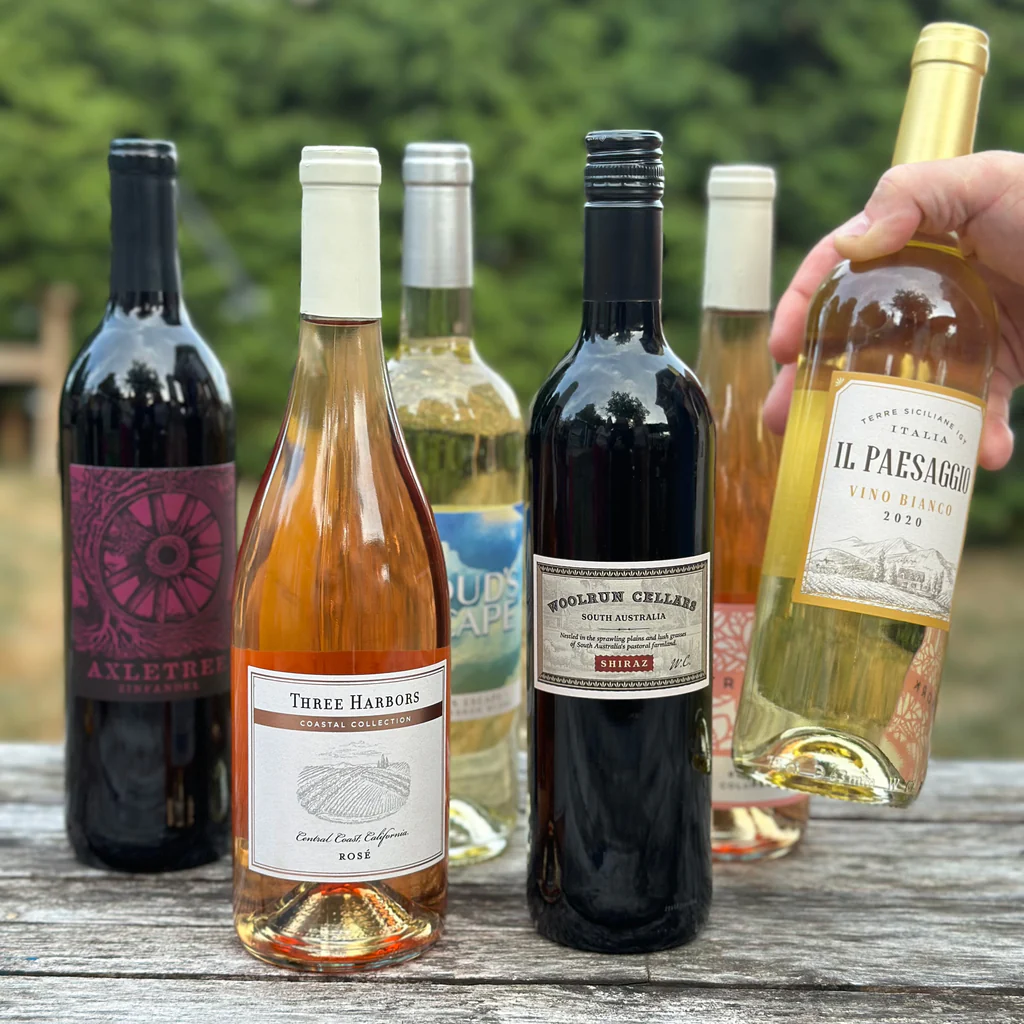
For 2026, here’s a detailed reference guide to the best cheap red wines under $15 in the US. This table allows you to quickly compare price, flavor, body, and best uses, helping you make smarter purchasing decisions and get the most enjoyment from every bottle.
| Wine Name | Typical Price | Flavor Profile | Body | Ideal Use | Notes |
|---|---|---|---|---|---|
| Barefoot Merlot | $7–$10 | Fruity, soft cherry and plum notes | Medium | Everyday sipping, pasta, cheese | Smooth and approachable, perfect for beginners and casual drinkers. Very versatile with light meals. |
| Yellow Tail Shiraz | $8–$12 | Bold, soft spice, black fruit | Medium-Full | Casual dinners, pizza, BBQ | Popular choice for a budget-friendly Shiraz. Offers good depth without harsh tannins. |
| Apothic Red Blend | $10–$13 | Rich, slightly sweet, dark fruit with a hint of vanilla | Medium | Pasta, desserts, casual sipping | Slight sweetness makes it ideal for those new to red wine or enjoying dessert pairings. |
| Alamos Malbec | $10–$12 | Full-bodied, dark fruit, subtle spice | Full | Steak, BBQ, hearty meals | Excellent Argentine Malbec with strong fruit and tannins. Pairs beautifully with grilled meats. |
| Bogle Old Vine Zinfandel | $11–$14 | Spicy, bold, blackberry and plum | Full | BBQ, hearty meals, casual sipping | Known for depth and intensity. Slight pepper notes complement robust meals. |
| Cavit Cabernet Sauvignon | $9–$12 | Smooth, classic, cassis and black cherry | Medium-Full | Roasted meats, casual dinners | Balanced Cabernet that works for everyday drinking. Easy to find in most US stores. |
| Charles Shaw (“Two Buck Chuck”) | $3–$5 | Simple, approachable, light fruit | Light | Parties, casual sipping | Extremely affordable option. Great for large gatherings, mixers, or casual occasions. |
| Franzia Box Red | ~$15/5L | Easy-drinking, mild, soft tannins | Medium | Large gatherings, casual meals | Boxed wine ideal for parties or long-term casual use. Economical and convenient. |
| Trader Joe’s Reserve Red Blend | $7–$9 | Balanced, smooth, subtle spice | Medium | Casual meals, special dinners | Excellent value from Trader Joe’s. Great for entertaining or pairing with everyday meals. |
How to Use This Table
- Scan for Price Range: Quickly find wines within your budget.
- Check Flavor Profile: Match taste preferences, whether fruity, bold, or sweet.
- Consider Body: Medium or full-bodied wines pair better with heavier meals; light-bodied for casual sipping.
- Pairing Ideas: Use the “Ideal Use” column to decide which wine complements your meal.
- Notes Column: Learn what makes each wine unique and why it’s a smart budget pick.
How to Serve & Enjoy Cheap Red Wine
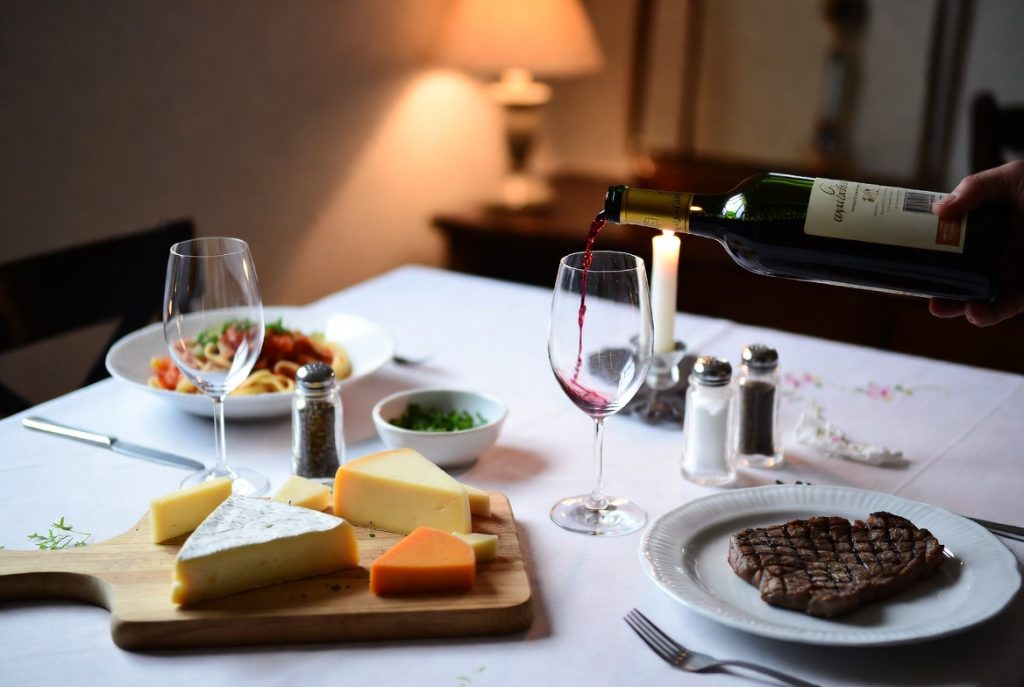
Cheap red wine can taste amazing when served correctly. Even budget bottles shine if you follow a few simple tips for temperature, glassware, and pairing.
1. Serve at the Right Temperature
- Red wines taste best between 55–65°F (13–18°C).
- Avoid serving straight from a warm cupboard; let the bottle sit in a cool place for a few minutes.
- For lighter reds (like Merlot or Pinot Noir), slightly cooler temperatures work best.
2. Decant Cheap Red Wines
- Decanting helps aerate the wine, smoothing out tannins and enhancing flavor.
- Pour wine into a decanter 15–30 minutes before drinking, especially for bold reds like Malbec or Zinfandel.
- Even inexpensive wines benefit from a little breathing time.
3. Choose the Right Glassware
- A larger bowl-shaped glass helps release aromas and flavors.
- Avoid very small glasses; budget wines need space to breathe.
- Standard 12–16 oz wine glasses work perfectly.
4. Pair with Simple Foods
Even inexpensive wines can taste gourmet when paired correctly:
- Merlot or smooth blends: Cheese, pasta, mild meats
- Malbec or bold reds: Steak, BBQ, roasted vegetables
- Slightly sweet blends (Apothic, Zinfandel): Dark chocolate, pizza, savory desserts
5. Tips for Casual Enjoyment
- Chill for 10 minutes if too warm
- Use ice bucket for outdoor events
- Avoid overly cold temperatures; it masks flavors
- Serve with friends for the best experience
Storing Cheap Red Wine for Maximum Enjoyment
Even affordable red wines can taste significantly better when stored properly. Correct storage preserves flavor, prevents spoilage, and ensures every glass is enjoyable, making your budget bottles feel more premium. Here’s a detailed breakdown:
1. Avoid Heat and Sunlight
Wine is sensitive to temperature fluctuations and UV light. Heat accelerates chemical reactions that can flatten flavors and make the wine taste “cooked”, while sunlight can cause wine to develop off-flavors or spoil.
- Best practice: Keep wine in a cool, dark area such as a basement, wine cabinet, or cupboard away from windows.
- Avoid: Kitchens near stoves, windowsills, or any area exposed to direct sunlight.
- Temperature range: 55–65°F (13–18°C) for red wines is ideal; avoid frequent temperature swings.
- Tip: If your house is warm in summer, consider a small wine fridge for budget-friendly reds.
2. Keep Bottles Horizontal
Storing bottles on their sides ensures the cork remains moist. A dry cork can shrink and let air into the bottle, causing oxidation and spoilage.
- Corked bottles: Always lay horizontally to maintain contact between wine and cork.
- Screw-top bottles: Less critical but still recommended for space efficiency and stability.
- Tip: Use a wine rack designed for horizontal storage to prevent accidental rolling and provide airflow.
3. Short-Term vs. Long-Term Storage
How long you plan to store your wine determines the method:
- Short-term (1–3 months): Room temperature storage in a dark cupboard is fine. No wine fridge required.
- Medium-term (3–12 months): Use a wine fridge or cooler. This prevents heat fluctuations and maintains consistent flavor.
- Long-term (>1 year): Only store budget reds with good structure and tannins. Most inexpensive reds are meant to be consumed within a year, as prolonged storage can reduce quality.
Tip: Label bottles with the purchase date to track storage duration.
4. Storing Boxed Wine
Boxed wines like Franzia are convenient but require specific handling:
- Upright storage: Prevents leaks and keeps the bag intact.
- Once opened: Refrigerate and consume within 3–4 weeks to maintain flavor and avoid spoilage.
- Tip: Shake gently before pouring to mix any settled sediments for consistent taste.
5. Tips for Outdoor or Casual Storage
If you’re enjoying red wine outside or transporting it:
- Keep out of direct sunlight to prevent heat damage.
- Use a cooler with ice packs for picnics, BBQs, or long drives.
- Keep bottles upright during transport to avoid leaks, especially with screw-top or boxed wines.
- Tip: For casual gatherings, pre-chill wine slightly before heading outdoors to enhance drinkability.
Summary
Proper storage makes a significant difference, even for budget-friendly reds. By controlling temperature, sunlight exposure, bottle orientation, and consumption timing, you preserve flavor, aroma, and smoothness. Following these tips ensures your cheap wines feel like a premium experience every time.
Tips to Get the Most Value for Your Money
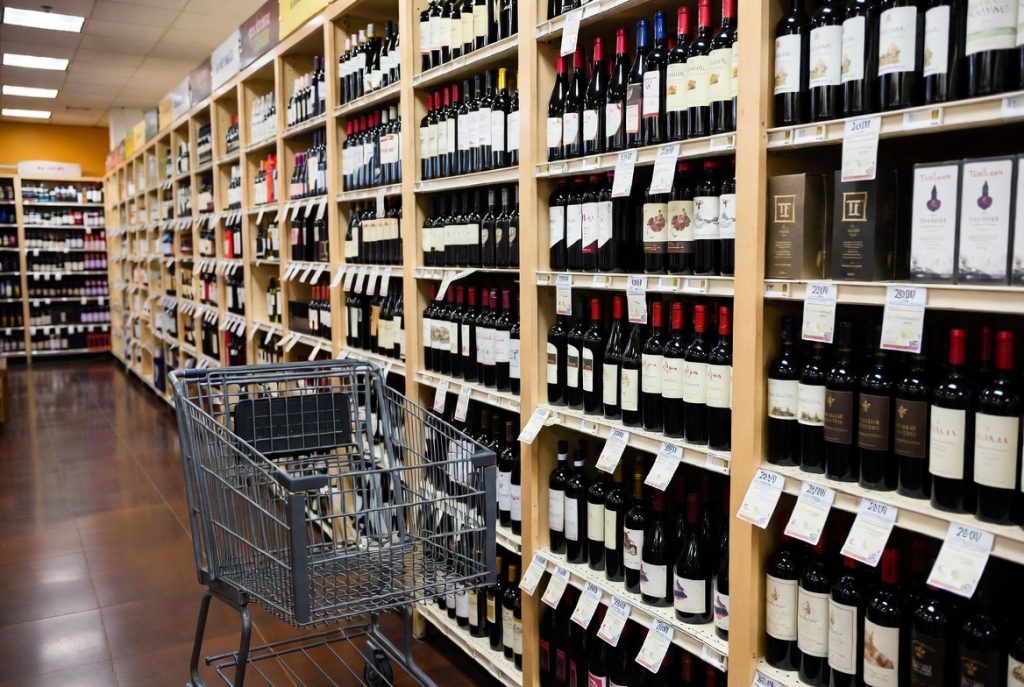
Buying cheap red wine isn’t just about finding the lowest price. Smart shopping ensures you enjoy quality, flavor, and consistency without overspending. By combining store strategy, promotions, varietal exploration, and reviews, you can make every dollar count.
1. Shop at Discount Retailers
Not all wine retailers are created equal. Some specialize in affordable, high-quality options, which makes them ideal for budget-conscious buyers.
- Trader Joe’s: Known for a rotating selection of wines under $10. Their house labels are carefully curated for taste and consistency, often reviewed highly by consumers.
- Total Wine: Offers the largest selection of budget wines in the US, with staff who can recommend hidden gems and tasting events to try before buying.
- Costco: Perfect for bulk buying, offering savings per bottle. Their curated wine selection focuses on quality and value, and you can often find limited releases at low prices.
- BevMo: Known for frequent discounts on US and imported wines. They often run promotions on sets of 6 or more bottles, making it easy to stock up affordably.
Tip: Visit these stores in person to discover exclusive budget-friendly wines not available online.
2. Look for Case Deals and Promotions
Buying by the case or taking advantage of promotions can save significant money over time.
- Stores often offer 10–20% discounts when purchasing 6–12 bottles at once.
- Online retailers like Wine.com or Drizly may provide promo codes, free shipping deals, or seasonal discounts.
- Seasonal sales such as Black Friday, holiday promotions, or end-of-year clearance events often include budget-friendly reds, making it the best time to stock up.
Tip: Always compare unit prices (per bottle) rather than just the total price. Sometimes a bulk deal seems cheaper, but smaller bottles on sale may actually cost less per ounce.
3. Try Local Wineries
Local or small-scale wineries can be goldmines for affordable, high-quality red wines.
- Visiting tasting rooms allows you to sample before committing, so you won’t risk buying a bottle you won’t enjoy.
- Many small wineries sell direct-to-consumer wines that never reach big-box stores, often at a fraction of the price of mass-market bottles.
- Supporting local wineries also allows you to discover unique varietals and blends that add diversity to your collection.
Tip: Check for local wine festivals or tasting events, which often include discounted bottles for attendees.
4. Explore Lesser-Known Varietals
You don’t have to stick to Cabernet Sauvignon, Merlot, or Pinot Noir to enjoy cheap reds. Some lesser-known varietals deliver excellent flavor at low cost:
- Grenache: Fruity, soft, and easy to drink; often very affordable.
- Carignan: Offers earthy and fruity notes, common in budget wines from Spain or France.
- Tempranillo: Smooth, medium-bodied, and widely available at a low price.
Tip: Buying lesser-known varietals often means better quality for your money, as large-scale production hasn’t driven up the price yet.
5. Use Wine Review Apps and Communities
Technology makes it easier to find hidden gems without trial and error:
- Vivino: Scan the bottle to see ratings, reviews, and average prices in your area.
- Wine Enthusiast / Wine Spectator: Expert ratings guide you to affordable wines that are worth trying.
- Community recommendations: Other budget-conscious wine lovers often highlight wines under $15 that taste much more expensive than they are.
Tip: Focus on consistency of ratings rather than a single 5-star review. Look for wines with high average ratings and plenty of reviews for reliability.
Summary
By combining these strategies, you can consistently get the best value for cheap red wine in the US:
- Shop at discount retailers for curated options.
- Take advantage of case deals, promotions, and seasonal sales.
- Explore local wineries to find hidden gems.
- Experiment with lesser-known varietals for flavor and affordability.
- Use review apps and online communities to guide purchases.
Following these tips ensures you can enjoy high-quality, flavorful red wine without overspending, making even budget bottles feel premium.
Frequently Asked Questions (FAQ)
Many wine buyers have questions about cheap red wines. This section answers the most common ones, helping readers make confident purchases and enjoy their wine.
Q1: Does cheap red wine always taste bad?
Answer: No. Many budget-friendly reds under $15 are smooth, flavorful, and well-balanced. Regions like Chile, Argentina, and California produce high-quality wines that cost far less than premium bottles. Using proper serving and storage tips also enhances taste.
Q2: Can cheap red wine pair with food?
Answer: Absolutely. Budget wines can pair with pasta, pizza, roasted vegetables, steak, and even desserts. Smooth blends like Merlot or Apothic Red work well with mild dishes, while bold reds like Malbec or Zinfandel complement heartier meals.
Q3: Where is the best place to buy cheap red wine in the US?
Answer: Some of the best options include:
- Trader Joe’s – affordable, high-quality options
- Total Wine – wide selection, frequent deals
- Costco – bulk savings on bottles and cases
- Local wineries – often hidden gems at low prices
- Online retailers – Wine.com, Drizly, Vivino
Q4: Does cheap red wine last long after opening?
Answer: Most budget reds last 3–5 days after opening if stored properly in a cool, dark place or refrigerated. Boxed wines can last 3–4 weeks once opened. Using a wine stopper or vacuum pump preserves flavor longer.
Q5: Are there smooth cheap red wines for beginners?
Answer: Yes. Wines like Barefoot Merlot, Yellow Tail Shiraz, and Apothic Red Blend are approachable, easy to sip, and have soft tannins, making them ideal for first-time wine drinkers.
Conclusion on Best Cheap Red Wine
Finding the best cheap red wine in the US doesn’t have to be a guessing game. With the tips, picks, and storage advice in this guide, you can confidently enjoy smooth, flavorful wines under $15 without sacrificing quality.
Key Takeaways:
- Smooth Everyday Reds: Barefoot Merlot, Yellow Tail Shiraz, and Apothic Red Blend are easy to drink and budget-friendly.
- Bold & Flavorful Reds: Alamos Malbec and Bogle Old Vine Zinfandel deliver richness and depth without breaking the bank.
- Everyday Staples: Charles Shaw and Franzia Box Red are perfect for casual sipping or parties.
- Smart Shopping: Use discount retailers, promotions, local wineries, and wine review apps to get the most value.
- Serving & Storage Tips: Proper temperature, decanting, glassware, and storage extend flavor and enjoyment.
By following these tips, even budget-conscious wine lovers can enjoy a premium experience without the premium price tag.
Now it’s your turn! Explore these affordable red wines, experiment with pairings, and share your favorites. Comment below with your top cheap red wine pick or hidden gem that you think deserves more attention. Let’s help everyone enjoy delicious wine without overspending!