

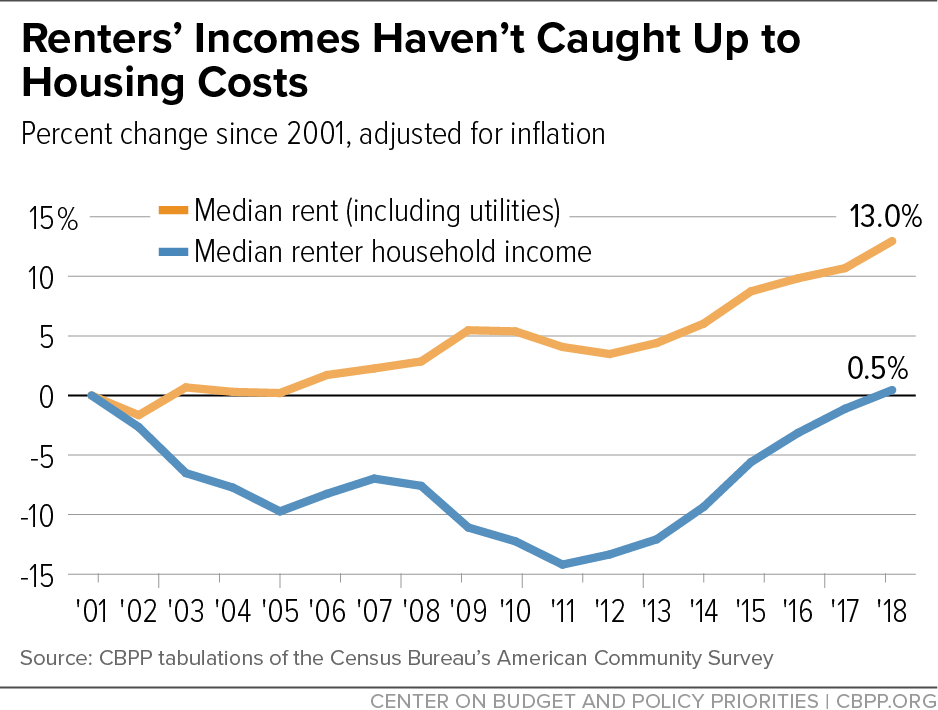
Rent is rising faster than wages across the United States, and home prices continue to push affordability out of reach for millions of Americans. If you’ve been searching for cheap housing in the United States, affordable homes for sale, or low-cost apartments near me, you’re not alone. More renters and buyers are actively looking for realistic ways to reduce housing costs without sacrificing safety, comfort, or location.
The good news is that cheap housing options still exist in 2026. The challenge is knowing where to find them and how to compete in a fast-moving market. While major cities like Los Angeles and New York City continue to dominate headlines with high rent and home prices, there are still affordable housing opportunities in smaller cities, suburban areas, and overlooked neighborhoods across the country.
Many budget-friendly housing options are hidden in plain sight. These include low-cost homes under $200,000, cheap apartments under market value, rural housing opportunities, and alternative living arrangements that significantly reduce monthly expenses. In addition, government housing programs, rental assistance options, and first-time homebuyer incentives remain underutilized, even though they can dramatically lower the cost of living.
This guide is designed to help you navigate the reality of the modern housing market with a focus on cheap housing strategies in the US. Instead of generic advice, you’ll discover practical, actionable insights on how to find affordable places to live, reduce rent, and secure housing that fits your budget.
If your goal is to save money on housing, find cheaper rent, or buy a home without overspending, you’re in the right place.
This guide is not a surface-level list. It is a deep, practical, US-focused breakdown of:
• The cheapest states for housing
• Affordable cities for renters
• Where to buy homes under $200,000
• Low-income and government housing programs
• Hidden ways to cut housing costs
• Mistakes that quietly cost people thousands
If you are serious about lowering your housing expenses in 2026, you are in the right place.
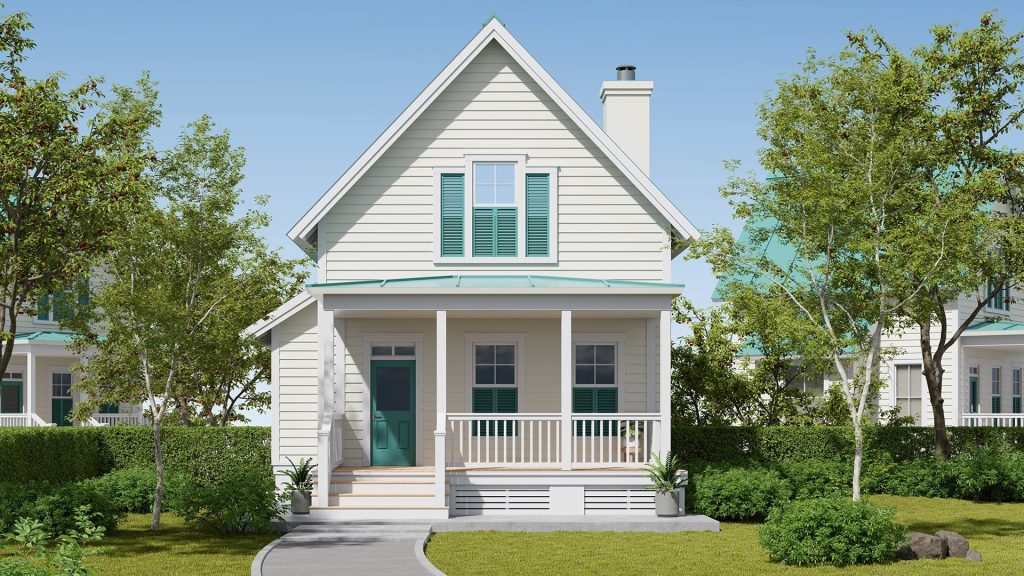
What “Cheap Housing” Really Means in 2026
Before chasing listings, it is important to define what cheap housing actually means.
Affordable housing is not about finding the lowest rent in America. It is about balance. In housing economics, a home is considered affordable when you spend no more than 30 percent of your gross monthly income on housing costs. That includes rent or mortgage, property taxes, insurance, and in some cases utilities.
If you earn $4,000 per month before taxes, affordable housing should cost no more than $1,200 monthly.
Anything beyond that threshold begins to strain your finances.
In high-cost cities like San Francisco or Boston, staying under 30 percent is extremely difficult. But in cities across the Midwest and South, that benchmark is still realistic.
There is also a major difference between:
Cheap rent
Cheap home ownership
Low cost of living
Low property taxes
Some cities have low home prices but high property taxes. Others have affordable rent but limited job markets. Real cheap housing is not just about price. It is about sustainability.
Why Housing Feels So Expensive Right Now
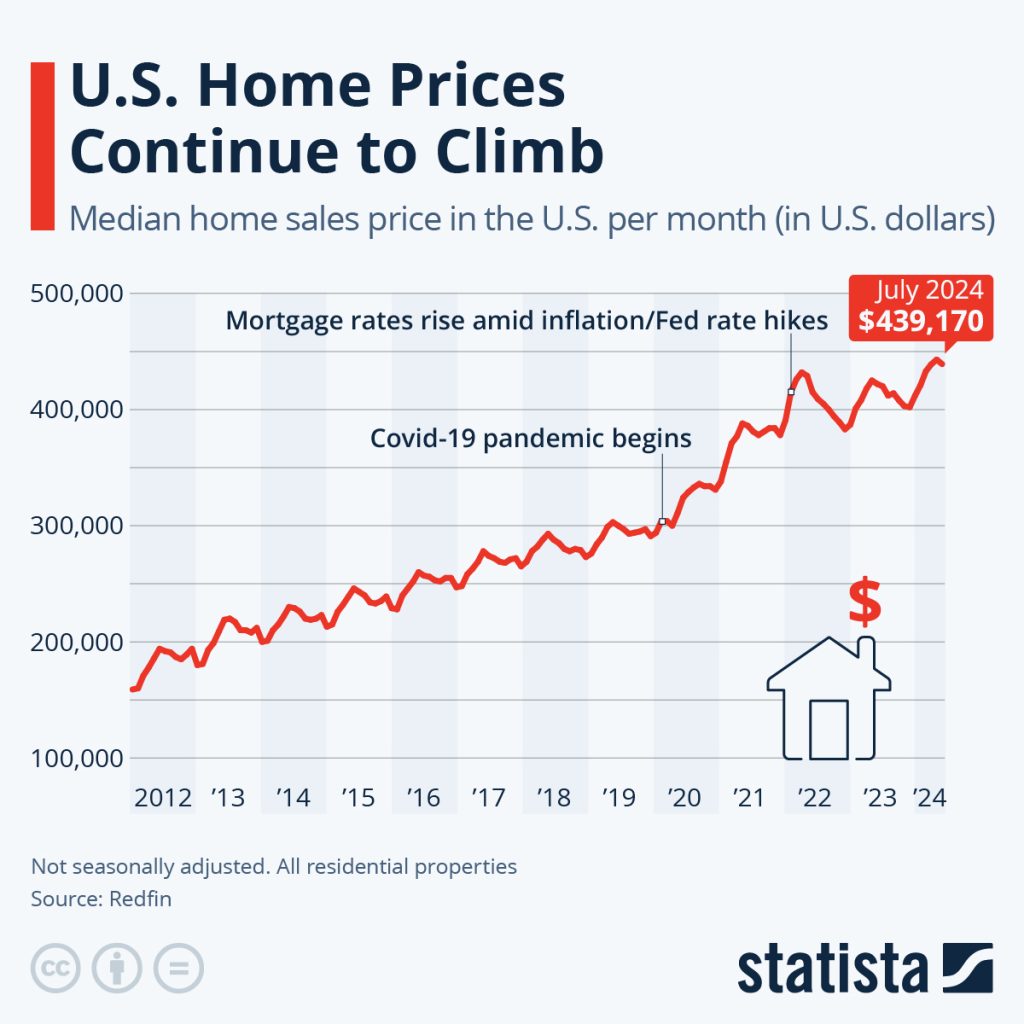
To find cheap housing, you must understand why prices surged in the first place.
Several factors collided:
Low housing supply after the 2008 crash
Pandemic-driven relocation demand
Low mortgage interest rates from 2020 to 2022
Institutional investors buying single-family homes
Construction costs rising due to labor and materials
Cities like Austin and Phoenix saw massive inbound migration, driving prices upward. Meanwhile, smaller cities that were once overlooked suddenly became competitive.
However, the market has begun stabilizing in many areas. Price growth has slowed in numerous regions. Inventory is improving in certain states. Rent increases are no longer accelerating at the same pace they did during peak pandemic years.
That shift is creating opportunity.
Buyers and renters who research strategically can now find deals in markets that overheated and cooled back down.
The Real Categories of Cheap Housing in America
Cheap housing in the US typically falls into one of these categories:
Small-city or rural housing
Older homes in stable neighborhoods
Fixer-uppers
Manufactured or mobile homes
Government-assisted housing
House hacking arrangements
Renting with roommates
Living just outside major metro areas
For example, living 40 minutes outside Chicago can reduce housing costs dramatically compared to living downtown. The same pattern exists outside Seattle and Denver.
Many buyers focus only on trendy neighborhoods. That is where competition lives. Cheap housing often lives one zip code away.
What You Will Learn in This Guide
As you continue reading, we will break down:
The cheapest states to live in
The most affordable cities for renters
Where homes under $200,000 still exist
Federal and state housing assistance programs
How to find cheap apartments near you
Negotiation strategies for renters
Hidden costs that make cheap housing expensive
Mistakes to avoid when buying low-cost property
This is not theory. It is practical, location-aware guidance designed for real Americans trying to reduce their largest monthly expense.
Cheap housing is not about luck. It is about strategy.
And once you understand how the market actually works, you stop feeling trapped by it.
Cheapest States for Housing in the US (2026 Data)
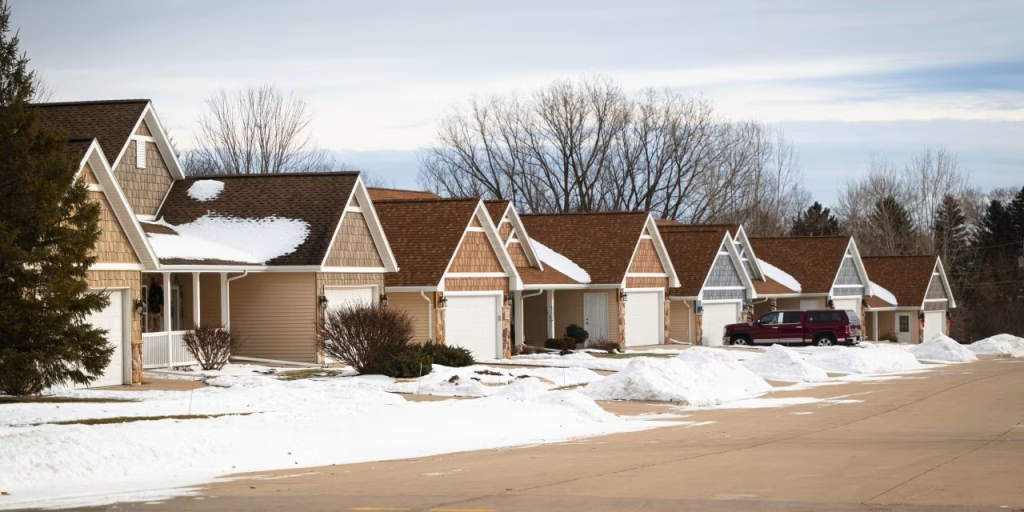
If you want real cheap housing in America, you have to zoom out.
Many people search for affordable homes in high-demand states and then feel discouraged. But affordability is heavily regional. The Midwest and parts of the South still offer home prices and rents that are dramatically lower than coastal markets.
This section breaks down the most affordable states for renters and buyers in 2026, along with who each state is best suited for.
Midwest: America’s Affordability Anchor
The Midwest consistently ranks as the most affordable region in the country for both renters and homebuyers.
Ohio
Ohio remains one of the strongest states for cheap housing in 2026.
Median home prices in many cities remain well below the national average. In cities like Toledo and Cleveland, you can still find homes under $175,000 in stable neighborhoods.
Average one-bedroom rents in smaller cities often fall hundreds of dollars below national averages.
Why it is affordable:
• Strong but not overheated demand
• Large housing supply
• Slower population growth compared to coastal states
Best for:
First-time homebuyers, remote workers, and families seeking lower mortgage payments.
Indiana
Indiana offers some of the most budget-friendly housing in the Midwest.
Cities like Fort Wayne and Indianapolis maintain moderate rent levels and home prices far below major metro averages.
Home prices under $200,000 are still common in many areas outside prime downtown districts.
Why it is affordable:
• Lower land costs
• Steady but manageable population growth
• Moderate property taxes
Best for:
Young professionals, families, and anyone looking for a balance between affordability and job access.
Missouri
Missouri combines low home prices with moderate rent costs.
In cities like St. Louis and Springfield, you can still find starter homes below $180,000.
Missouri also offers relatively low property taxes compared to many other states.
Why it is affordable:
• Stable housing inventory
• Diverse economy
• Lower cost of living overall
Best for:
Buyers seeking affordable ownership rather than high-end urban living.
Southern States With Low Housing Costs
The South remains another stronghold for cheap housing.
Mississippi
Mississippi frequently ranks as one of the lowest median home price states in America.
Cities like Jackson offer homes at prices that would be unimaginable in states like California.
Rents are also considerably lower than national averages in many areas.
Why it is affordable:
• Slower economic growth
• Lower population density
• Lower average wages, which impact housing pricing
Best for:
Retirees, remote workers, and those prioritizing low purchase prices over urban amenities.
Arkansas
Arkansas continues to attract attention for its affordable housing markets.
In cities like Little Rock, rent remains accessible, and single-family homes often list below $200,000.
Why it is affordable:
• Ample land
• Lower construction costs
• Moderate demand compared to coastal markets
Best for:
Families seeking affordable space and lower monthly payments.
Alabama
Alabama is another strong option for cheap housing in 2026.
Cities such as Birmingham offer homes at prices significantly below the national median.
Property taxes are also lower than in many Northeastern states.
Why it is affordable:
• Slower urban density growth
• Lower average home valuations
• Competitive rental market
Best for:
Buyers seeking long-term affordability and lower tax burdens.
Western States That Still Offer Value
The West is often associated with high prices, but there are exceptions.
New Mexico
New Mexico provides lower median home prices compared to neighboring states.
Cities like Albuquerque offer more accessible housing compared to markets in Colorado.
Why it is affordable:
• Lower population growth
• Moderate housing demand
• More available land compared to coastal markets
Best for:
Remote workers and buyers looking for Western scenery without California-level pricing.
Nevada (Select Areas)
While Las Vegas saw major price growth, smaller Nevada communities still provide affordable entry points.
Why it can be affordable:
• No state income tax
• Growing but stabilizing market
• Diverse housing inventory
Best for:
Buyers wanting tax advantages with moderate home prices.
Why These States Stay Affordable
There are patterns behind cheap housing markets:
Slower population growth
Lower median incomes
Abundant land
Lower construction costs
Less investor speculation
Unlike markets in San Diego or Miami, these states do not face extreme bidding wars on average-priced homes.
However, affordable does not mean perfect. Some of these states may have:
Fewer high-paying job opportunities
Longer commutes
Older housing stock
Limited public transit
The key is alignment. Cheap housing works best when it matches your income source and lifestyle.
Quick Snapshot: Affordable States Comparison
State | Typical Median Home Price | Rent Level | Best For
Ohio | Below national median | Low to moderate | First-time buyers
Indiana | Below national median | Moderate | Families
Missouri | Affordable statewide | Low | Budget buyers
Mississippi | Among lowest nationally | Low | Retirees, remote workers
Arkansas | Low | Low | Growing families
Alabama | Below average | Low to moderate | Long-term affordability
New Mexico | Moderate but accessible | Moderate | Western lifestyle seekers
Cheapest Cities in America for Renters (2026 Breakdown)
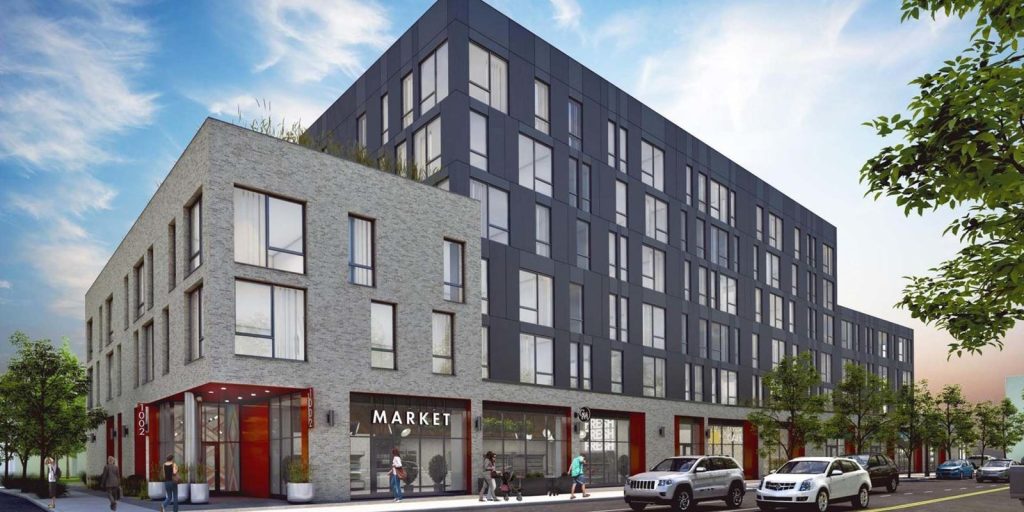
If buying is not your immediate goal, then rent becomes the battlefield.
The difference between paying $1,900 for a one-bedroom and paying $850 is not small. Over a year, that gap can mean thousands of dollars saved. Over five years, it can mean the difference between debt and a down payment.
While ultra-expensive cities dominate headlines, dozens of mid-sized American cities still offer rents far below the national average. The key is knowing where to look and what trade-offs come with lower prices.
Wichita, Kansas
Wichita consistently ranks among the most affordable rental markets in the country.
Average one-bedroom rent remains significantly below the national average. Two-bedroom apartments are also widely available at prices that would not cover a studio in coastal markets.
Why rent is affordable:
• Stable population growth
• Large housing inventory
• Lower cost of land and construction
Job market overview:
Aviation manufacturing, healthcare, and logistics drive employment.
Best for:
Young professionals, remote workers, and families who want urban infrastructure without high rent pressure.
Lifestyle consideration:
You get city amenities without big-city congestion.
Tulsa, Oklahoma
Tulsa has quietly become one of America’s rental value cities.
Rents remain well below national averages, especially compared to cities in Texas or Colorado.
Why rent is affordable:
• Moderate housing demand
• Expanding rental inventory
• Strong downtown redevelopment without extreme pricing
Job market overview:
Energy, healthcare, finance, and remote work incentives.
Tulsa even offers remote worker relocation programs that have drawn attention nationally.
Best for:
Remote workers and professionals seeking affordability with cultural amenities.
Memphis, Tennessee
Memphis continues to offer lower-than-average rent prices compared to national benchmarks.
One-bedroom apartments often fall hundreds of dollars below national averages, and two-bedroom units remain accessible for families.
Why rent is affordable:
• Large rental stock
• Lower median income base
• Slower rent growth compared to high-demand cities
Job market overview:
Logistics, transportation, healthcare, and manufacturing.
Best for:
Budget-focused renters who want a larger city feel without paying premium prices.
Important note:
Neighborhood selection matters. Some areas are significantly more stable than others. Cheap rent should always be balanced with safety and commute considerations.
Toledo, Ohio
Toledo frequently appears in affordability rankings.
Rents here are far below what renters pay in major metropolitan areas. For individuals earning moderate wages, the 30 percent affordability rule is much easier to maintain.
Why rent is affordable:
• Slower population growth
• Large inventory of older but functional housing
• Low cost of living overall
Job market overview:
Manufacturing, healthcare, education.
Best for:
Renters looking to aggressively save money while maintaining access to city infrastructure.
El Paso, Texas
El Paso stands out because it combines lower rent with relatively strong economic stability.
Compared to larger Texas cities like Austin or Dallas, El Paso remains significantly more affordable.
Why rent is affordable:
• Slower population surge compared to central Texas
• Lower median home values
• Balanced housing demand
Job market overview:
Military presence, healthcare, trade, and education.
Best for:
Families and professionals seeking Texas residency without central Texas housing pressure.
Why These Cities Stay Affordable
Several factors explain why these cities remain rental bargains:
Slower population inflows
Lower speculative investor activity
More available land
Older housing stock
Less tourism-driven demand
Unlike markets such as San Francisco or Miami, these cities are not experiencing extreme bidding wars for rental units.
However, affordability always comes with trade-offs. Those trade-offs may include:
Lower average wages
Fewer luxury amenities
Less public transit
Smaller nightlife scenes
Cheap housing is about alignment. If your income is remote or location-flexible, moving to a lower-cost city can dramatically accelerate your financial progress.
Rent Comparison Snapshot
City | Typical 1BR Rent Level | 2BR Rent Level | Ideal For
Wichita | Low | Low | Young professionals
Tulsa | Low | Low to moderate | Remote workers
Memphis | Low | Low | Budget families
Toledo | Very low | Low | Savers
El Paso | Moderate but affordable | Moderate | Texas seekers
Smart Strategy: Look Just Outside Major Metros
Another overlooked tactic is moving slightly outside expensive metro cores.
For example:
Living 30 to 45 minutes outside Chicago can reduce rent dramatically.
Suburbs outside Denver are often cheaper than central neighborhoods.
Areas outside Seattle can offer significant rental savings.
Many renters focus only on trendy zip codes. But affordable housing often lives one exit down the highway.
Cheapest Places to Buy a House in America (2026 Guide)
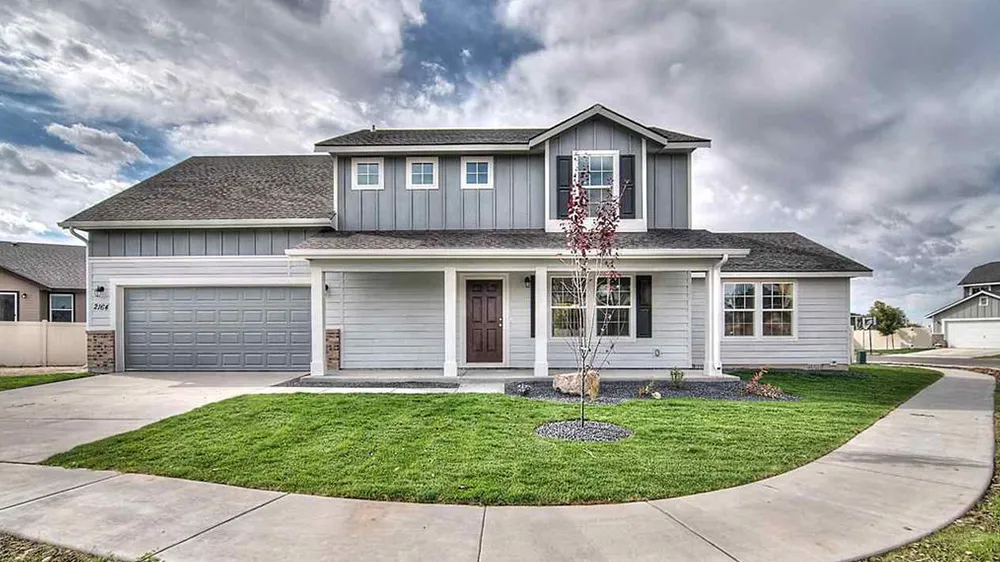
If rent feels unstable, ownership can feel intimidating. But here is something many people do not realize:
In several parts of the United States, a mortgage payment can be close to, or even lower than monthly rent.
Cheap housing is not just about affordable apartments. It is also about finding cities where homeownership is still realistic for middle-income Americans.
There are still markets where homes under $200,000 are common. There are even pockets where properties fall below $150,000, especially in smaller cities and towns.
The key is understanding where these markets exist and what trade-offs come with them.
Cities Where Homes Under $200,000 Still Exist
Youngstown, Ohio
Youngstown consistently ranks among the most affordable housing markets in America.
Median home prices here are significantly below national averages, and listings under $150,000 are still common.
Why homes are cheap:
• Slower population growth
• High inventory of older homes
• Limited investor speculation
Who it is ideal for:
First-time buyers with stable remote income or local employment in healthcare, education, or manufacturing.
Trade-off:
Many homes are older and may require cosmetic or structural updates.
Peoria, Illinois
Peoria offers one of the most accessible ownership markets in the Midwest.
Homes under $180,000 are widely available, and some properties fall far below that threshold.
Why homes are affordable:
• Moderate local wages
• Steady but not aggressive demand
• Diverse economy anchored by healthcare and manufacturing
Who it is ideal for:
Buyers prioritizing affordability over major metro nightlife.
Fort Wayne, Indiana
Fort Wayne has become increasingly popular due to its balance of affordability and economic stability.
While prices have risen slightly in recent years, homes under $200,000 remain attainable in many neighborhoods.
Why homes remain accessible:
• Strong but steady job growth
• New housing supply
• Lower property values compared to coastal states
Who it is ideal for:
Families and young professionals looking for long-term affordability.
Buffalo, New York
Buffalo surprises many buyers.
While downstate markets like New York City are extremely expensive, upstate cities such as Buffalo still offer relatively affordable ownership.
Why homes are cheaper:
• Population shifts
• Large stock of older homes
• Slower investor demand
Who it is ideal for:
Buyers comfortable with colder climates who want Northeast residency without Northeast pricing.
Shreveport, Louisiana
Shreveport frequently appears in affordability rankings.
Homes below $150,000 remain common in many neighborhoods.
Why homes are cheap:
• Lower median income levels
• Abundant housing stock
• Limited population growth
Who it is ideal for:
Budget-focused buyers prioritizing low purchase prices.
What a $200,000 Home Really Costs Monthly
Understanding the full cost of ownership is essential.
Example breakdown:
Home price: $200,000
Down payment (5 percent): $10,000
Loan amount: $190,000
At a moderate interest rate, the principal and interest payment could fall within a range comparable to rent in many mid-sized cities.
But ownership includes:
Property taxes
Home insurance
Maintenance costs
HOA fees if applicable
In states like Texas, property taxes can be higher than expected. In states like New Jersey, taxes can significantly impact monthly affordability.
Cheap housing becomes expensive if you ignore these hidden costs.
Fixer-Uppers: Opportunity or Risk?
Buying a lower-priced home that needs renovation can reduce your upfront purchase price. However, it also introduces risk.
Advantages:
Lower purchase cost
Less competition
Ability to build equity through upgrades
Risks:
Unexpected structural repairs
Roof replacement
Foundation issues
Electrical or plumbing updates
Cities with older housing stock, such as Cleveland or Detroit, often present fixer-upper opportunities.
The key is inspection. Skipping inspection to save money can cost thousands later.
Foreclosures and Auction Properties
Foreclosures can offer lower purchase prices, but they come with complexity.
Common challenges:
As-is condition
Limited inspection windows
Competitive bidding
Cash-heavy transactions
In some counties across Florida and Georgia, foreclosure markets fluctuate depending on economic cycles.
This strategy is best suited for experienced buyers or investors who understand renovation costs.
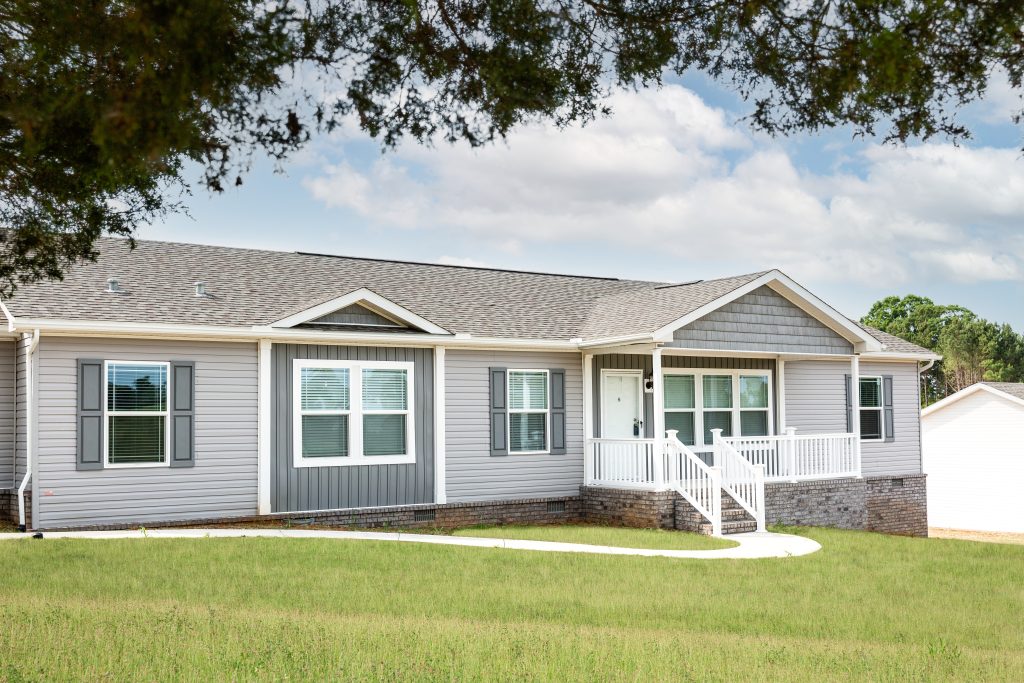
Manufactured and Modular Homes
Another overlooked path to cheap housing is manufactured or modular homes.
These properties can cost significantly less than traditional stick-built homes. In many areas, they are available well below $150,000.
Small Town America: The Overlooked Advantage
Many of the cheapest homes in America are located in towns with populations under 100,000.
While they may lack major airports or nightlife districts, they often offer:
Short commutes
Lower crime rates
Lower property taxes
Less competition
For remote workers especially, relocating to smaller cities can dramatically reduce housing costs without reducing income.
Ownership vs Renting in Cheap Markets
In many affordable cities, owning may cost only slightly more than renting.
However, renting offers:
Flexibility
Lower maintenance responsibility
Lower upfront cost
Ownership offers:
Equity building
Stable monthly payments
Long-term appreciation potential
The decision depends on how long you plan to stay and your financial stability.
Government Programs for Cheap Housing in the US
If you are serious about finding cheap housing in America, you cannot ignore government-backed programs.
Millions of Americans qualify for housing assistance or low down payment loans but never apply. Some assume they earn too much. Others assume the process is too complicated. Many simply do not know these programs exist.
In reality, federal and state housing programs can dramatically reduce upfront costs, lower monthly payments, and open doors that seem financially out of reach.
This section breaks down the most important programs available in 2026 and who they are best for.
How to Find Cheap Apartments Near You (Step-by-Step Strategy)

Finding cheap housing is not just about picking the right city. It is also about knowing how to search.
Many renters overpay simply because they rely on one listing platform or rush into the first available unit. Affordable apartments exist in nearly every metro area. The challenge is locating them before they disappear.
This section breaks down practical, US-focused tactics that increase your chances of securing lower rent without sacrificing safety or stability.
Use Multiple Rental Platforms, Not Just One
Relying on a single website limits your exposure to affordable listings.
Major rental platforms include:
Zillow
Apartments.com
Realtor.com
Craigslist
Each platform has different landlords and property managers posting listings.
For example, smaller landlords often use Craigslist instead of larger real estate platforms to avoid listing fees. That can mean less competition and slightly lower rent.
Pro tip:
Search daily and sort by newest listings. Affordable apartments often receive applications within 24 to 72 hours.
Drive or Walk the Neighborhood
This tactic is old-fashioned but extremely effective.
Many small landlords place simple “For Rent” signs in front of properties without listing online. These units often have lower rent because the landlord is not paying listing fees or marketing costs.
In cities like Wichita or Toledo, this approach can uncover hidden deals.
Walk or drive through neighborhoods slightly outside high-demand downtown areas. Look for:
Yard signs
Duplexes
Fourplexes
Small apartment buildings
Call immediately. Affordable units do not stay vacant long.
Contact Local Property Management Companies Directly
Not every available unit is listed online.
Search for property management companies in your target city and call or email them directly. Ask if they have upcoming vacancies not yet posted publicly.
This strategy works especially well in mid-sized cities like Fort Wayne or Little Rock, where smaller management firms control significant inventory.
Expand Your Search Radius Slightly
One of the most powerful ways to lower rent is simply shifting location.
Living 20 to 40 minutes outside major metro cores can reduce rent substantially.
For example:
Apartments outside Chicago are typically far cheaper than downtown units.
Suburbs beyond Denver often offer larger spaces for lower monthly rent.
Areas outside Seattle may offer significant savings.
Always factor commute cost, fuel, tolls, and time into your decision. Cheap rent loses value if transportation expenses cancel out savings.
Negotiate Your Rent
Many renters never attempt negotiation.
Landlords may be open to lowering rent if:
You have strong credit
You can move in immediately
You agree to a longer lease
You offer automatic payments
In competitive markets, negotiation may be limited. But in stable or slower markets like Memphis, landlords may prioritize reliable tenants over maximizing rent.
Even a $50 monthly reduction equals $600 per year.
Look for Move-In Specials
Property managers sometimes offer:
One month free
Reduced security deposits
Waived application fees
Instead of lowering advertised rent, they provide incentives. Calculate effective monthly cost by dividing total yearly cost by 12 months.
A “free month” can significantly reduce your actual monthly housing expense.
Consider Roommates or House Hacking
Sharing space reduces cost dramatically.
Renting a two-bedroom apartment with a roommate can lower individual rent by hundreds of dollars.
In higher-cost cities like Austin, this strategy is often the difference between financial strain and financial stability.
House hacking goes further. Renting a room in a larger house or duplex can offer even greater savings.
Avoid Rental Scams
Cheap housing listings sometimes attract scammers.
Red flags include:
Landlord refusing to show property
Requests for wire transfers only
Rent far below market average
Poor grammar and vague listing details
Pressure to send money immediately
Always tour the property in person or via verified video walkthrough before sending funds.
Scams are more common in high-demand markets like Miami or Los Angeles, but they can happen anywhere.
Timing Matters
Rental markets are seasonal.
Late fall and winter often see lower demand. Fewer renters are moving during colder months or holiday seasons.
Searching in January or February may yield better pricing compared to peak summer months.
If your lease allows flexibility, timing alone can reduce your rent.
Budget Beyond Base Rent
Cheap housing is not just about advertised rent.
You must calculate:
Utilities
Internet
Parking fees
Pet fees
Renter’s insurance
Application fees
In some cities, older buildings have lower rent but higher utility bills due to poor insulation.
In newer developments in cities like Phoenix, rent may be slightly higher but utilities may be lower due to energy-efficient construction.
Always compare total cost, not just base rent.
Build a Strong Rental Application
Affordable units receive multiple applications quickly.
Prepare:
Credit report
Proof of income
References
Previous landlord contact
Pay stubs
Submitting a complete application immediately increases approval odds.
Cheap housing is often competitive because everyone wants it.
Preparation creates advantage.
Hidden Ways to Reduce Housing Costs in the US
When most people search for cheap housing, they think in traditional terms: lower rent, cheaper city, smaller home.
But there are unconventional strategies that can dramatically reduce housing costs without sacrificing stability.
Some of these methods are overlooked. Others require flexibility. A few require creativity.
All of them can lower your biggest monthly expense.
House Hacking: Turning Housing Into Income
House hacking is one of the most powerful ways to reduce housing costs.
The concept is simple. You buy a property and rent out part of it to cover your mortgage.
Examples include:
Buying a duplex and renting one unit
Purchasing a single-family home and renting spare bedrooms
Adding a tenant to a finished basement
In affordable cities like Cleveland or Kansas City, duplexes are often priced within reach of first-time buyers.
If your mortgage is $1,400 per month and you rent out half the property for $800, your effective housing cost drops dramatically.
House hacking works best in lower-cost markets where purchase prices are manageable.
Accessory Dwelling Units (ADUs)
An Accessory Dwelling Unit is a smaller secondary housing unit on the same property as a primary home.
Examples include:
Backyard cottages
Garage conversions
Basement apartments
Some cities have updated zoning laws to allow ADUs, especially in housing-constrained areas like Seattle.
If you own property, adding an ADU can create rental income that offsets your housing costs.
If you rent, living in an ADU can be cheaper than renting a full apartment.
However, always verify local zoning and permit requirements before building or renting.
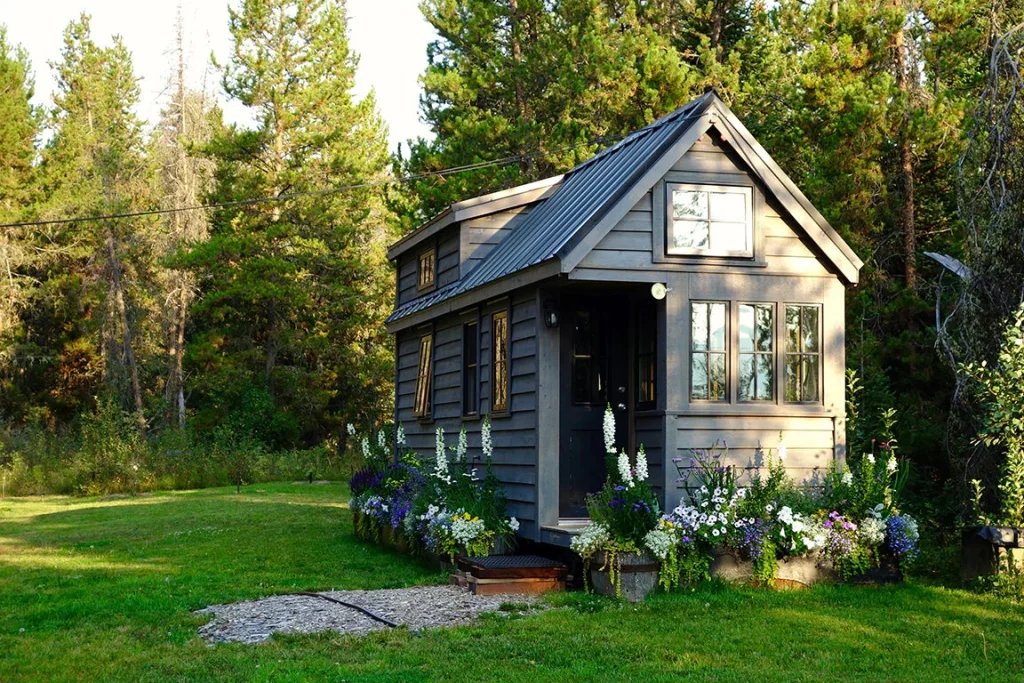
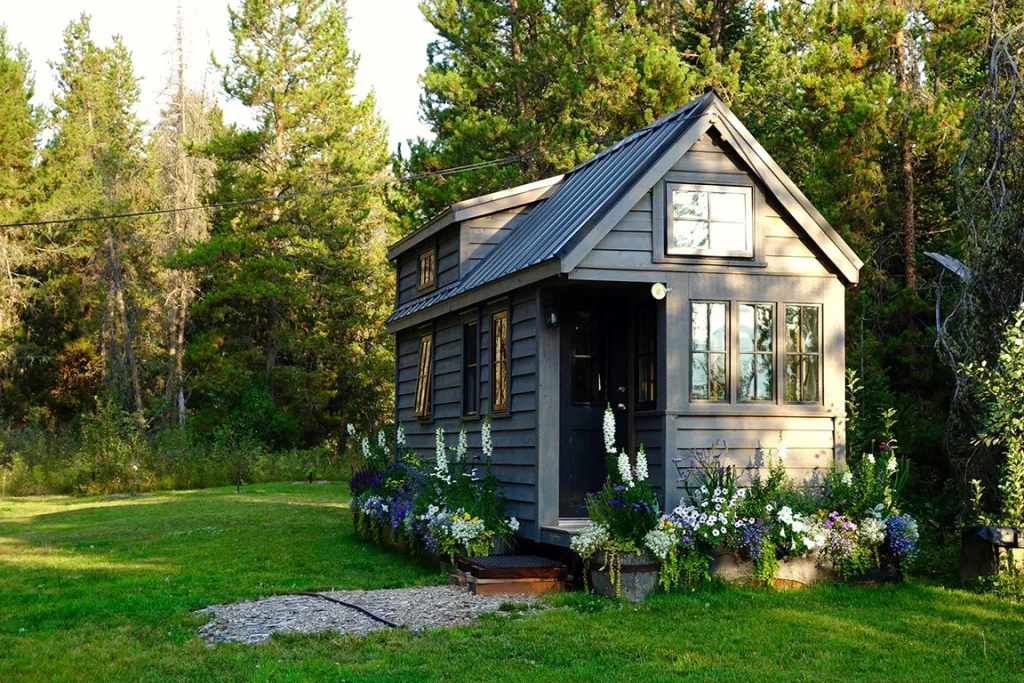
Tiny Homes
Tiny homes have gained attention as a minimalist lifestyle trend, but they are also a practical affordability solution.
Tiny homes often cost far less than traditional houses. Some models fall well below conventional housing price ranges.
Advantages:
Lower purchase price
Reduced utility bills
Minimal maintenance
Challenges:
Zoning restrictions
Limited space
Financing can be difficult
Tiny home communities are expanding in certain regions, especially in parts of Texas and Colorado.
Tiny living is not for everyone, but for those prioritizing financial freedom, it can be transformative.
Manufactured and Mobile Homes
Manufactured homes are often significantly cheaper than traditional site-built homes.
In many states, including Alabama and Arkansas, manufactured housing communities offer affordable entry points into ownership.
Advantages:
Lower purchase cost
Faster construction timeline
Often located in affordable communities
Considerations:
Land ownership versus lot rent
Resale value
Financing requirements
When paired with lower-cost land in rural or suburban areas, manufactured homes can drastically reduce housing expenses.
Rent-to-Own Agreements
Rent-to-own arrangements allow tenants to rent a home with the option to purchase later.
A portion of rent may go toward a future down payment.
This model can help renters who:
Need time to improve credit
Are saving for a down payment
Want to test a neighborhood before committing
However, contracts must be reviewed carefully. Terms vary widely, and some agreements favor the seller heavily.
Consulting a real estate attorney before signing is recommended.
Employer Relocation and Housing Benefits
Some employers offer relocation assistance, housing stipends, or signing bonuses.
Remote-friendly cities like Tulsa have offered relocation incentives for remote workers.
Certain healthcare systems, tech firms, and government agencies may offer housing support in areas facing worker shortages.
If you are job searching, consider compensation packages beyond salary alone.
Living Slightly Outside Metro Areas
This strategy cannot be overstated.
Living 30 to 60 minutes outside major cities often reduces rent or home prices dramatically.
For example:
Homes outside Denver can cost significantly less than properties in central neighborhoods.
Suburbs beyond Phoenix often provide larger homes at lower prices.
The trade-off is commute time. However, remote or hybrid work models make this strategy more practical than ever.
Negotiating Lease Renewals
Many renters accept renewal offers without question.
But landlords often prefer keeping a reliable tenant rather than risking vacancy.
If you:
Pay on time
Maintain the property
Communicate professionally
You may be able to negotiate smaller rent increases.
In slower-growth rental markets like Wichita, landlords may prioritize stability over maximizing rent.
Even limiting a rent increase from $150 to $75 per month creates meaningful savings.
Shared Living Arrangements
Co-living arrangements and roommate setups significantly lower housing costs.
In expensive cities such as San Diego, shared housing is often the only way to maintain affordability.
While shared living requires compromise, it allows renters to:
Save aggressively
Build emergency funds
Prepare for future homeownership
Housing is often the largest expense. Cutting it by even 20 percent can dramatically change financial outcomes.
Reevaluate Space Needs
One overlooked strategy is downsizing.
Many renters and buyers overestimate the space they truly need.
Choosing:
One bedroom instead of two
Townhouse instead of single-family
Older home instead of new construction
Can reduce purchase price and monthly expenses substantially.
Affordable housing is often about adjusting expectations without sacrificing safety or comfort.
Cheap Housing for Specific Groups in the US
Cheap housing is not one-size-fits-all.
A college student searching for a shared apartment has completely different needs than a retired couple. A veteran qualifies for programs that many civilians do not. A remote worker has location flexibility that a nurse or construction worker may not.
Understanding your category can unlock housing opportunities that general searches miss.
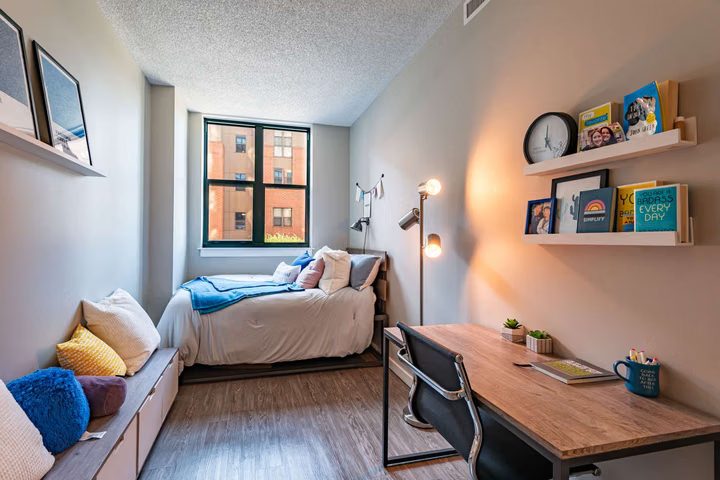
Cheap Housing for Students
College students face unique housing pressure. Tuition is expensive. Income is limited. Flexibility is high.
Strategies that work well for students:
Shared housing near campus
Renting older duplexes instead of new luxury apartments
Subleasing from graduating students
Living slightly off-campus
In college towns like Columbus or Bloomington, newer luxury apartments often charge premium rent near universities. Older properties a few blocks further away can cost significantly less.
Students should also:
Split utilities evenly
Negotiate longer leases
Lock in rent early before peak semester demand
Avoid high-end student housing developments unless financial support makes it sustainable.
Cheap Housing for Seniors
Seniors often prioritize stability, healthcare access, and fixed monthly expenses.
Affordable housing strategies for seniors include:
Senior-designated apartment communities
Income-based housing
Downsizing to smaller homes
Moving to lower property tax states
States like Mississippi and Alabama frequently rank lower in housing costs, which can benefit retirees on fixed income.
Some cities offer property tax reductions for seniors. Others provide subsidized rental communities specifically for older adults.
Seniors should prioritize:
Healthcare access
Public transportation
Safety
Utility efficiency
Cheap housing that increases medical travel or utility bills may not be true savings.
Cheap Housing for Veterans
Veterans have access to one of the most powerful housing tools available: VA loans.
In affordable states such as Missouri and Ohio, combining lower home prices with VA financing can eliminate down payment barriers entirely.
Veterans may also qualify for:
Property tax exemptions in certain states
State-level housing assistance
Specialized nonprofit housing programs
For veterans relocating after service, exploring mid-sized cities like Oklahoma City or El Paso can provide affordability and strong veteran communities.
Cheap Housing for Low-Income Families
Low-income families often benefit from a combination of rental assistance and strategic relocation.
Programs that may help:
Housing Choice Vouchers
Low-Income Housing Tax Credit properties
State-level housing grants
Utility assistance programs
Cities with lower rent and stable employment opportunities, such as Memphis or Wichita, can provide greater breathing room than higher-cost metros.
Families should calculate:
School district quality
Commute cost
Childcare access
Neighborhood stability
Cheap housing without safe surroundings can create long-term stress.
Cheap Housing for Remote Workers
Remote work has changed the affordability equation.
If your income is not tied to geography, you can choose cities with dramatically lower housing costs.
For example:
Living in Tulsa instead of San Francisco can reduce rent by thousands per year.
Choosing Fort Wayne over Denver may significantly reduce home prices.
Remote workers should prioritize:
Reliable internet infrastructure
Affordable coworking spaces
Air travel access if needed
Cost of living beyond housing
Lower housing costs combined with stable remote income can accelerate wealth-building significantly.
Cheap Housing for Single Parents
Single parents face both financial and logistical constraints.
Strategies that can help:
Two-bedroom units in mid-sized cities rather than high-cost metros
Living near extended family for childcare support
Applying for state childcare and housing assistance programs
Negotiating lease stability
Cities with moderate rent and access to family-friendly infrastructure, such as Indianapolis or Little Rock, may offer better balance than expensive urban cores.
Stability often outweighs trendiness when raising children.
Cheap Housing for Young Professionals
Young professionals often gravitate toward major metro areas, but high rent can delay financial goals.
Instead of central neighborhoods in Austin or Seattle, consider:
Emerging neighborhoods
Suburban transit-connected communities
Mid-sized cities with strong job markets
Lower rent allows:
Faster debt repayment
Higher savings rate
Earlier homeownership
Affordable housing is a financial accelerator if used strategically.
The Core Principle: Match Housing to Your Income Source
Cheap housing works best when:
Income is stable
Commute is manageable
Lifestyle aligns with environment
Long-term goals are clear
There is no universal best city. There is only the best alignment for your situation.
Understanding your category narrows the search and increases the odds of sustainable affordability.
Mistakes to Avoid When Looking for Cheap Housing
Finding cheap housing is a strategy, but it’s easy to make costly mistakes if you focus only on the price tag. Affordable does not always mean good value. In fact, over-focusing on low rent or purchase price can backfire if you ignore hidden costs, safety, or long-term expenses.
This section outlines the most common mistakes renters and buyers make, and how to avoid them in 2026.
Ignoring Total Cost of Housing
Many people compare only the base rent or sale price. But monthly or yearly costs go beyond that.
Include:
Utilities (electricity, water, gas)
Internet and cable
Parking fees or HOA dues
Property taxes
Maintenance or repair costs
Example:
A $900/month apartment with $250 utilities is effectively $1,150/month. A $1,100 apartment with included utilities may be cheaper overall.
Pro tip: Always calculate all-in costs, not just sticker price.
Choosing Neighborhoods Without Research
Cheap housing can come with hidden risks if you ignore neighborhood quality.
Check:
Crime rates
School ratings if you have children
Access to groceries, healthcare, and public transportation
Walkability and commute times
A bargain in a high-crime area or with poor infrastructure may cost more in stress, travel, and insurance.
Tools:
Local police department websites
Neighborhood review sites like Niche
Google Maps and Street View
Skipping Property Inspections or Walkthroughs
For both renting and buying, skipping a property inspection is risky.
Potential issues:
Leaking pipes
Electrical hazards
Foundation or structural problems
Roof damage
Pest infestations
Even cheap housing should meet basic livability standards. For buyers, a professional home inspection can prevent thousands in unexpected costs.
Overlooking Lease or Contract Details
Cheap housing often comes with unusual lease terms or purchase contracts.
Check for:
Hidden fees (maintenance, parking, pet fees)
Automatic rent increases
Early termination penalties
Repair responsibility
Always read contracts thoroughly and clarify anything ambiguous. A low initial price may hide high long-term costs.
Falling for Scams
Affordable housing can attract scammers.
Red flags:
Unrealistically low rent
Landlord refuses in-person or virtual walkthrough
Requests for wire transfer or cash before lease signing
No formal lease or sales contract
Verification steps:
Visit property in person
Ask for proof of ownership or management
Never wire money before verifying legitimacy
Scams are common in both online marketplaces and classified ads like Craigslist.
Underestimating Future Costs
Cheap housing today may become expensive tomorrow if you fail to account for:
Rising property taxes
Utility inflation
HOA or community fees
Maintenance and repairs
Budget at least 10–15% above your base cost for unforeseen expenses.
Ignoring Commute and Transportation Costs
A bargain apartment far from work, school, or amenities may cost more in commuting than you save in rent.
Calculate:
Fuel or public transit costs
Vehicle maintenance
Time spent commuting
Affordable housing should reduce stress and cost, not shift expenses elsewhere.
Forgetting About Flexibility
Cheap housing can lock you into undesirable circumstances if:
You cannot break the lease
Property value decreases
Neighborhood changes
Consider long-term mobility and lease terms before committing.
Not Using Assistance or Incentives
Many miss out on programs that reduce housing costs:
Housing Choice Vouchers (Section 8)
FHA or VA loans
Down payment assistance
Employer relocation programs
Failing to explore these options can turn affordable opportunities into missed savings.
Avoiding these mistakes ensures that cheap housing truly saves you money while keeping you safe and comfortable. It’s not just about low cost, it’s about value and sustainability.
Frequently Asked Questions (FAQ) About Cheap Housing in the US
Navigating affordable housing can be overwhelming. From rental searches to government programs, it’s easy to get lost. These FAQs answer the most common questions and clarify misconceptions for 2026.
Q1: What qualifies as “cheap housing” in the US?
Cheap housing varies by region. Generally, it refers to rentals or homes priced significantly below the local median.
Examples:
One-bedroom apartments under $1,000 in mid-sized cities
Homes under $200,000 in smaller cities or towns
Housing where total costs (rent/mortgage, utilities, taxes) are within 30% of income
The key: affordability is relative to income and local cost of living.
Q2: Which US cities are currently the cheapest for renters?
Some of the most affordable rental markets include:
Wichita, Kansas
Tulsa, Oklahoma
Memphis, Tennessee
Toledo, Ohio
El Paso, Texas
These cities offer rents well below national averages while maintaining urban infrastructure.
Q3: Where can I still buy a home under $200,000?
Cities with homes priced under $200,000 in 2026 often include:
Youngstown, Ohio
Peoria, Illinois
Fort Wayne, Indiana
Buffalo, New York
Shreveport, Louisiana
These markets may include older homes or smaller properties, but they remain attainable for first-time buyers.
Q4: Are government housing programs worth applying for?
Absolutely. Programs like Section 8, FHA loans, USDA loans, VA loans, and state-level down payment assistance can reduce upfront costs and monthly housing expenses.
They are particularly helpful for:
Low-income households
First-time homebuyers
Veterans
Rural or semi-rural residents
Eligibility varies by income, location, and household size.
Q5: How can I find hidden cheap housing options?
Hidden opportunities exist in:
Older apartment complexes
Duplexes or fourplexes managed by small landlords
Drive-by “For Rent” signs
Roommate or co-living arrangements
Tiny homes, manufactured housing, and ADUs
Persistence, multiple platforms, and neighborhood scouting improve your chances.
Q6: What are the risks of choosing cheap housing?
Potential pitfalls include:
High crime neighborhoods
Poor maintenance or deferred repairs
Hidden fees and high utilities
Scams and fraudulent listings
Long commutes
Thorough research, inspections, and budgeting mitigate these risks.
Q7: Can cheap housing be a good investment?
Yes, if purchased wisely:
Target areas with stable local economies
Avoid neighborhoods with declining population
Factor in maintenance and potential renovations
Consider rental income through house hacking or ADUs
In many mid-sized US cities, inexpensive homes can yield long-term equity growth.
Q8: How do I balance cheap housing with lifestyle needs?
Affordability should not come at the expense of safety, commute, or access to necessities.
Tips:
Calculate all-in monthly costs
Assess neighborhood amenities
Prioritize essential proximity (work, school, groceries)
Factor in long-term financial goals
The goal: maximize savings without compromising quality of life.
Q9: When is the best time to search for cheap housing?
Timing matters:
Rental markets are slower in late fall and winter, January and February often yield better deals
Housing markets vary regionally, watch local listings, foreclosure sales, and off-season opportunities
Flexible move-in dates increase negotiation leverage
Even a few weeks’ timing can save hundreds per month.
Q10: Are tiny homes or manufactured homes truly affordable?
Yes, but consider:
Land costs vs. lot rent
Zoning and permitting regulations
Maintenance and utility costs
Financing options
For flexible buyers, tiny or manufactured homes can provide ownership at a fraction of traditional housing costs.
Conclusion for Finding Cheap Housing in the US

Finding affordable housing in 2026 requires more than luck. It demands research, strategy, and smart use of available programs. Cheap housing is not just about the lowest price, it’s about long-term value, safety, and aligning your living situation with income and lifestyle.
Here’s a recap of the most important takeaways:
Key Takeaways
- Know Your Market:
Identify cities or neighborhoods where housing prices are below the national median. Examples include Youngstown (OH), Fort Wayne (IN), and Tulsa (OK). - Use All Available Programs:
Government programs like FHA, VA, USDA, and Section 8 can reduce upfront costs or monthly payments. State and local down payment assistance programs are often underutilized. - Be Strategic With Searches:
Don’t rely on one platform. Use online listings, drive-by scouting, property management contacts, and social networks to uncover hidden opportunities. - Consider Alternative Housing Options:
Tiny homes, manufactured homes, ADUs, rent-to-own agreements, and house hacking are practical ways to reduce costs significantly. - Plan for Total Cost:
Include utilities, maintenance, property taxes, HOA fees, and commuting when calculating affordability. Base rent or purchase price alone is not enough. - Avoid Common Mistakes:
Research neighborhoods, inspect properties, read contracts carefully, watch for scams, and factor in long-term costs. - Align Housing With Your Lifestyle:
Affordable housing should meet safety, commute, and quality-of-life needs. For students, veterans, seniors, or remote workers, target programs and cities that fit your circumstances. - Act Promptly and Prepare Documents:
Competitive affordable units are claimed quickly. Have applications, proof of income, credit reports, and references ready.
Final Advice
Affordable housing in the United States is still within reach, but success depends on strategy, timing, and informed decision-making. Whether you are searching for cheap housing options, budget-friendly apartments, or low-cost homes for sale, taking a focused and proactive approach can significantly reduce your overall housing expenses.
This applies to a wide range of buyers and renters. If you are a first-time homebuyer looking for an affordable starter property, a renter trying to secure cheap apartments near you, a veteran leveraging VA housing benefits, or a remote worker relocating from high-cost cities like Los Angeles or New York City to more affordable regions, the right strategy can make a measurable difference in what you pay.
To successfully find and secure cheap housing in 2026, it is important to take clear, intentional steps:
Start by identifying a target city or neighborhood where housing demand aligns with your budget. Expanding your search to smaller metro areas or emerging markets often unlocks significantly lower prices.
Next, explore government housing programs, rental assistance, and first-time buyer incentives. Many Americans overlook these options, even though they can reduce upfront costs, lower monthly payments, or provide access to below-market housing opportunities.
Use multiple listing platforms and monitor them daily. The cheap housing market moves fast, and the best deals often disappear within hours. Setting alerts and acting quickly gives you a competitive edge.
Always inspect properties carefully before committing. Low prices can sometimes hide repair costs, poor conditions, or unfavorable lease terms that end up costing more long term.
Finally, consider alternative housing strategies such as house hacking, shared living arrangements, or multi-unit properties. These approaches can significantly reduce monthly expenses while helping you build long-term financial stability.
The bottom line is simple. Cheap housing is not a myth. With the right approach, you can find affordable housing, lower your cost of living, build equity, and secure a home that fits your lifestyle and budget without unnecessary financial strain.
