

For millions of Americans, owning a home feels like chasing a moving target. Prices keep climbing. Mortgage rates fluctuate. Rent drains bank accounts every single month. And everywhere you look, headlines scream about a housing crisis that makes homeownership seem impossible unless you earn six figures.
But here is the truth most people are not talking about: cheap houses still exist in the United States.
Not fantasy listings. Not abandoned shells falling apart. Not clickbait headlines promising a $5,000 home in the middle of nowhere. Real houses. Real neighborhoods. Real opportunities.
The problem is not that affordable homes are gone. The problem is that they are harder to find, poorly marketed, and often misunderstood.
When people search for “cheap houses,” they are not just looking for the lowest price. They are looking for relief. Relief from rent. Relief from financial pressure. Relief from the fear that they waited too long and missed their chance. Some are first-time buyers trying to enter the market before prices rise again. Others are investors hunting for undervalued properties. Many are families willing to relocate if it means owning instead of renting.
This guide is built for all of them.
You will learn:
- What “cheap houses” really means in today’s US housing market
- Which states and cities still offer homes under $150,000
- Where to search for legitimate deals
- The hidden costs that can turn a cheap home into an expensive mistake
- How to buy smart, negotiate wisely, and avoid common traps
Most importantly, this is not just a list of cheap listings. It is a strategy guide. Because finding an affordable house is not about luck. It is about knowing where to look, what to avoid, and how to act when opportunity shows up.
If you are serious about buying a home without overpaying, this may be the most practical guide you read this year.
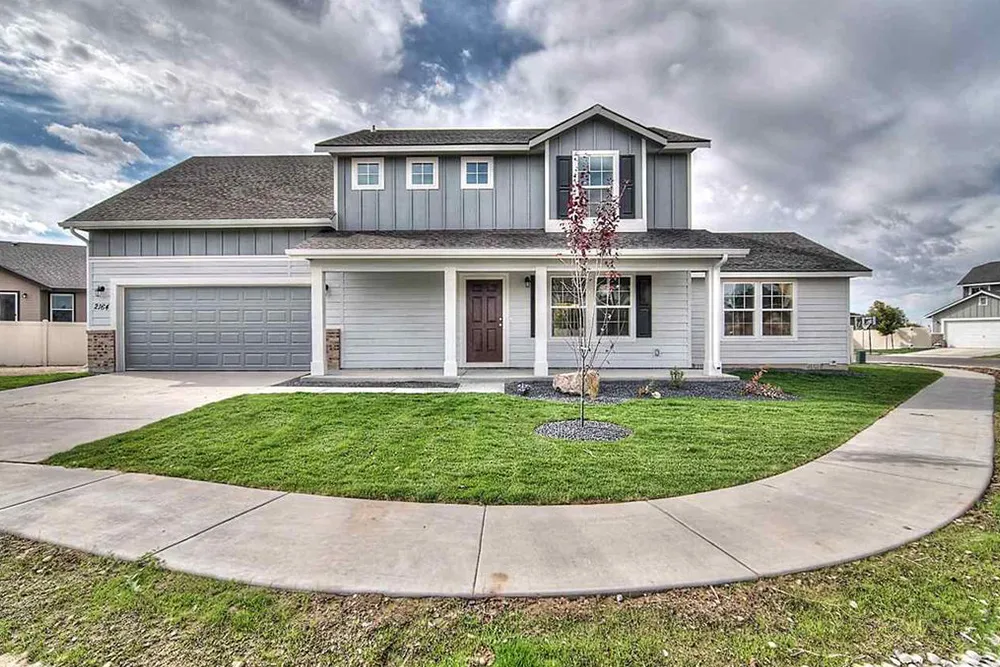
What Does “Cheap Houses” Really Mean in the US Housing Market?
Before diving into states, cities, and listings, it is critical to reset expectations. One of the biggest reasons people fail to find cheap houses is because they are operating with outdated definitions of what “cheap” actually means.
Twenty years ago, a cheap house might have meant $60,000 to $80,000 almost anywhere in the country. Today, the US housing market no longer works that way. Inflation, wage shifts, population migration, and limited housing supply have permanently changed price baselines.
So when Americans search for cheap houses in 2026, they are not looking for unrealistic prices. They are looking for value relative to location, income, and long-term costs.
How “Cheap” Is Defined Today
In the modern US housing market, a house is generally considered cheap if it falls into one or more of the following categories:
- Priced significantly below the national median home price
- Affordable on a local median income without financial strain
- Lower than surrounding comparable properties in the same area
- Offers long-term ownership costs that remain manageable
Nationally, homes under $150,000 are now widely considered cheap. In some high-cost states, even a $250,000 home may be considered affordable. In lower-cost regions, homes under $100,000 are still very real.
Why Location Changes Everything
A house priced at $120,000 in rural Ohio is not the same as a $120,000 house in California or New York. The price itself means nothing without context.
Factors that influence how cheap a house truly is include:
- Local wages and job availability
- Property taxes and insurance costs
- Utility and maintenance expenses
- Transportation and commuting costs
- Long-term resale potential
This is why cheap houses are far more common in the Midwest, parts of the South, and certain declining or transitioning cities. These areas may not be trendy, but they offer something far more important: ownership without financial suffocation.
Cheap vs Affordable vs Distressed Homes
Many buyers confuse these terms, and that confusion leads to regret.
Cheap houses
These are homes priced lower than market norms but still livable. They may be older, smaller, or located in less competitive markets.
AFFORDABLE HOUSES
These are homes that align with local incomes and cost of living. A home can be affordable without being cheap.
DISTRESSED HOUSES
These include foreclosures, abandoned properties, or homes requiring major repairs. Distressed does not always mean cheap long-term.
Understanding this difference prevents buyers from walking into money pits disguised as bargains.
Why Cheap Houses Still Exist Despite Rising Prices
If housing prices are rising everywhere, why do cheap houses still exist at all?
The answer lies in uneven growth.
Some cities are losing population. Some regions have more homes than buyers. Some economies have not rebounded at the same pace as coastal markets. These conditions create pricing gaps, and within those gaps are real opportunities.
Cheap houses are not disappearing. They are simply relocating.
And the buyers who understand this are the ones still winning.
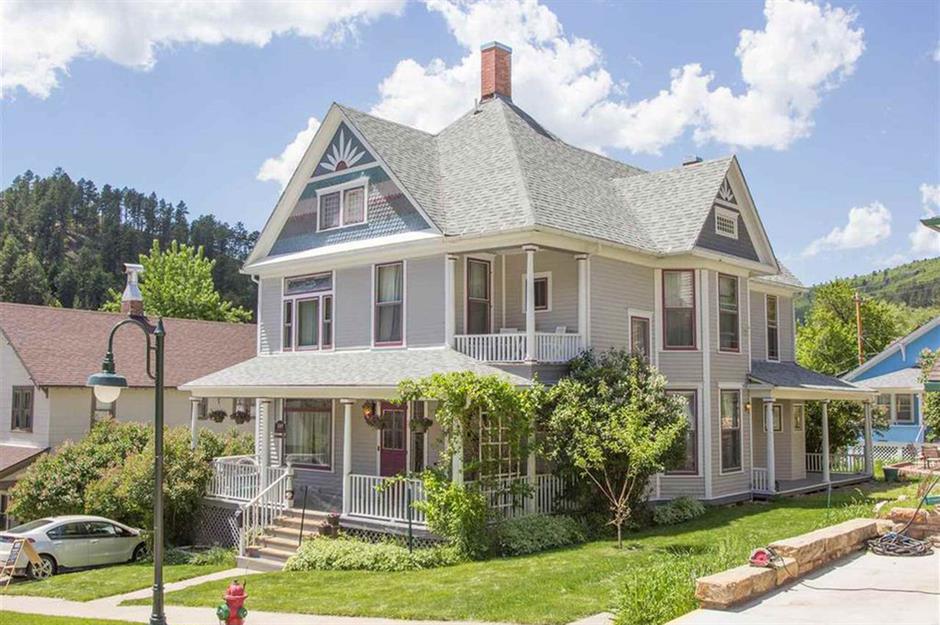
Why Cheap Houses Still Exist in America (Despite the Housing Crisis)
It feels contradictory. News headlines constantly warn about housing shortages, rising mortgage rates, and unaffordable prices. Yet at the same time, thousands of cheap houses across the United States quietly sit on the market, overlooked and undervalued.
This is not a coincidence. It is the result of how uneven the American housing market truly is.
Population Shifts Create Price Gaps
One of the biggest reasons cheap houses still exist is population movement. While major metro areas continue to attract workers and investors, many smaller cities and rural regions are experiencing slow growth or population decline.
When fewer people are competing for homes, prices stagnate or fall. Sellers lower expectations. Buyers gain leverage. This dynamic is why entire neighborhoods in some states sell for prices that seem impossible compared to coastal cities.
Places losing population are not always bad places to live. Many have solid infrastructure, hospitals, schools, and local economies. They simply do not benefit from hype or national attention.
Rural and Small-Town America Is Underestimated
Urban living dominates media narratives, but a large portion of America is still rural or semi-rural. In these areas:
- Land is abundant
- Zoning laws are less restrictive
- Construction costs are lower
- Demand is steady rather than explosive
This keeps prices grounded. A house that would cost $400,000 near a major city might sell for $120,000 just an hour or two away.
For buyers willing to adjust expectations or commute, these locations unlock access to cheap houses that would otherwise seem impossible.
Older Housing Stock Lowers Entry Prices
Many cheap houses exist because they were built decades ago. Older homes often lack modern finishes, open floor plans, or luxury features. But age alone does not mean poor quality.
In many Midwestern and Southern states, houses built in the 1940s to 1970s were constructed with durable materials and simple designs that hold up well over time.
Buyers often overlook these homes due to aesthetics, not structural issues. That creates opportunity for anyone focused on function rather than trends.
Economic Transitions Leave Opportunities Behind
Some cities were built around industries that declined over time. Manufacturing towns, mining regions, and railroad hubs often experienced job losses decades ago. Housing demand fell, but the homes remained.
Today, many of these areas are stabilizing rather than collapsing. Remote work, logistics hubs, healthcare expansion, and small business growth are slowly reshaping local economies.
The housing market, however, often lags behind reality. Prices stay low long after conditions improve. That lag is where cheap houses exist.
Foreclosures and Estate Sales Increase Supply
Not all cheap houses are the result of market conditions. Some come from life events.
- Foreclosures
- Estate sales
- Divorce-related sales
- Tax lien situations
These properties are often priced to move quickly rather than maximize value. While they require careful inspection, they also present some of the best buying opportunities in the market.
Cheap Does Not Mean Undesirable
A major misconception is that cheap houses must be unsafe, isolated, or undesirable. In reality, many affordable neighborhoods are simply quiet, stable, and ignored.
They do not appear in viral videos. They are not promoted by influencers. They do not benefit from national hype cycles.
But they offer something increasingly rare: the ability to own a home without drowning in debt.
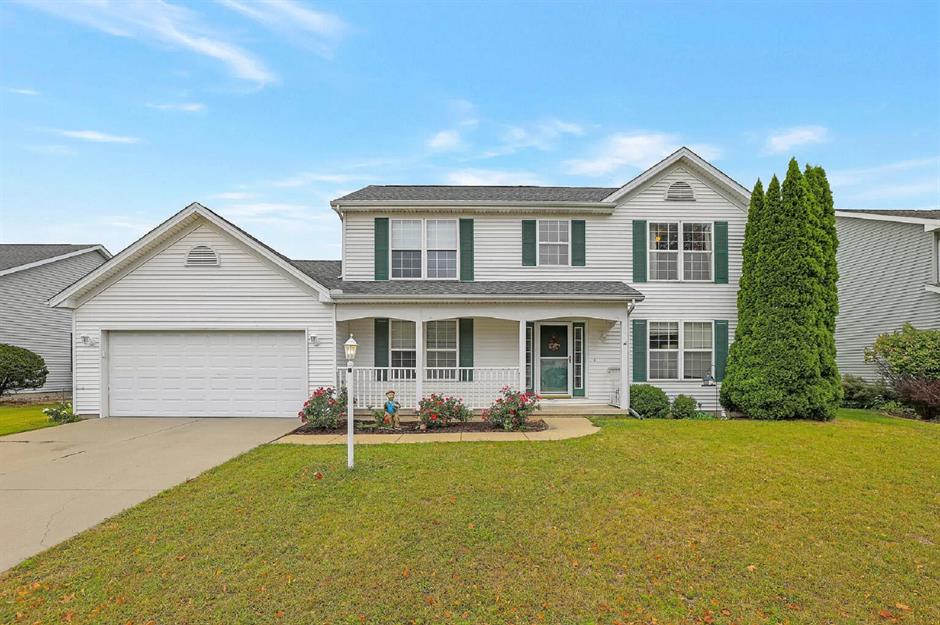
Best States to Buy Cheap Houses in the USA (2026 Data-Based Picks)
If you are serious about finding cheap houses in the United States, state selection matters more than anything else. Two buyers with the same budget can have completely different outcomes depending on where they focus their search.
Some states consistently produce affordable housing because of land availability, slower population growth, and lower development pressure. Others remain expensive even in smaller cities due to demand spillover from major metros.
Below are the states that continue to offer real, livable, and purchase-ready cheap houses, not theoretical bargains.
Midwest States With the Cheapest Houses
The Midwest remains the strongest region for buyers searching for cheap houses with stability and infrastructure.
Ohio
Ohio consistently ranks among the best states for affordable housing.
Why Ohio stands out
- Median home prices remain well below the national average
- Strong healthcare and logistics job markets
- Multiple cities with stable demand but low competition
Buyers can still find single-family homes under $150,000 in cities like Cleveland, Toledo, and Dayton without extreme renovation needs.
Indiana
Indiana offers affordability with proximity to major economic hubs.
Why Indiana works
- Low property taxes compared to neighboring states
- Steady job growth in manufacturing and logistics
- Affordable suburban housing
Homes under $130,000 remain common outside Indianapolis, making it attractive for first-time buyers.
Michigan
Michigan’s affordability is tied to its diverse housing stock.
Why Michigan stays cheap
- Older housing inventory keeps prices grounded
- Urban revival without rapid price inflation
- Strong rental potential in select cities
Detroit, Flint, and Saginaw still offer homes under $100,000, though neighborhood research is essential.
Illinois
Outside Chicago, Illinois becomes dramatically more affordable.
Why Illinois surprises buyers
- Smaller cities with stable economies
- Declining population in some areas creates buyer leverage
- Solid infrastructure
Homes under $140,000 are common in central and southern Illinois.
Southern States With Affordable Housing
The South continues to attract buyers due to warm climate, land availability, and lower construction costs.
Mississippi
Mississippi regularly ranks as the cheapest housing state in America.
Why Mississippi remains affordable
- Low land values
- Low demand pressure
- Consistently low median home prices
Buyers can find livable homes under $100,000 in many towns, especially outside Jackson.
Alabama
Alabama offers a strong balance of affordability and livability.
Why Alabama works
- Low cost of living
- Growing manufacturing sector
- Affordable suburban housing
Cities like Birmingham and Montgomery still offer starter homes under $140,000.
Arkansas
Arkansas remains under the radar.
Why Arkansas stays cheap
- Low population density
- Expanding logistics and retail hubs
- Affordable construction
Smaller cities and rural areas offer strong value for buyers willing to relocate.
Oklahoma
Oklahoma provides affordability with growing job opportunities.
Why Oklahoma appeals to buyers
- Energy and aviation industries
- Low housing demand relative to supply
- Affordable new builds
Homes under $150,000 are still realistic in many markets.
Underrated States With Hidden Housing Deals
These states rarely dominate headlines but quietly offer some of the best housing bargains.
West Virginia
West Virginia consistently ranks among the cheapest states for homeownership.
Why West Virginia is overlooked
- Declining population
- Mountain geography limiting development
- Low demand despite livable towns
Homes under $100,000 remain common across the state.
Missouri
Missouri blends affordability with central access.
Why Missouri delivers value
- Multiple mid-size cities
- Affordable taxes and utilities
- Stable housing demand
Outside Kansas City and St. Louis, prices drop significantly.
Kansas
Kansas offers some of the lowest housing competition in the country.
Why Kansas remains cheap
- Agricultural land availability
- Slower population growth
- Consistent pricing
Homes under $130,000 are widely available.
New York (Upstate)
Upstate New York is a different world from NYC.
Why upstate New York works
- Legacy housing stock
- Declining industrial towns
- Strong infrastructure
Cities like Buffalo and Syracuse still offer homes under $150,000.
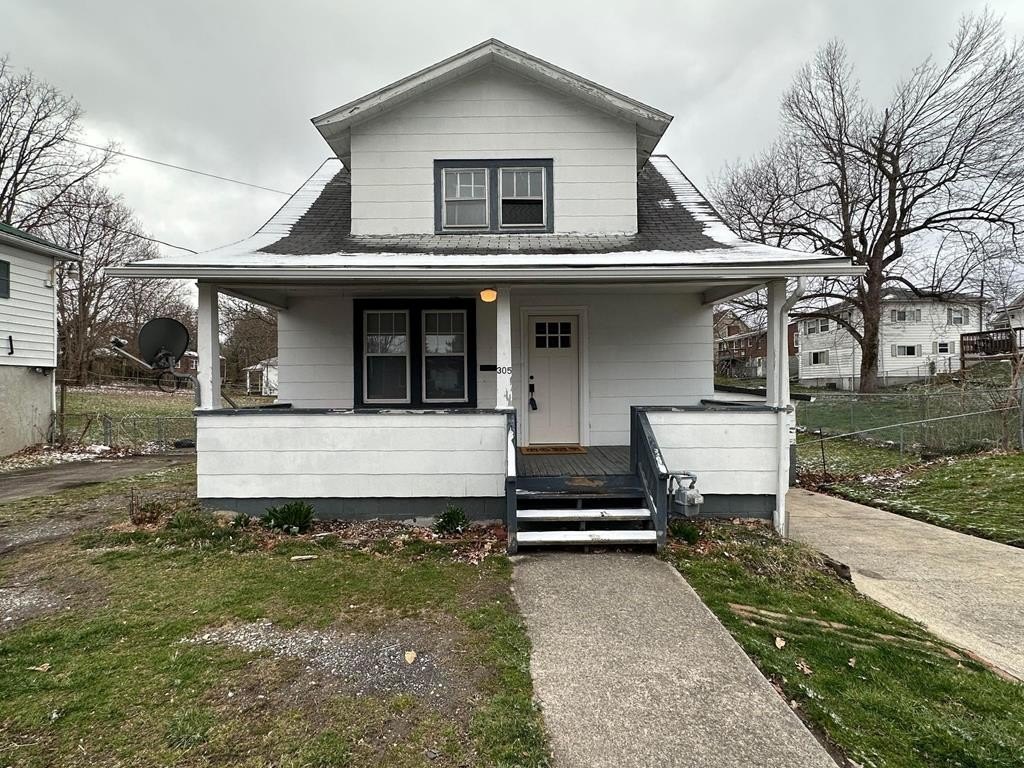
Cheapest Cities in the US to Buy a House Right Now
After narrowing down affordable states, the next step is identifying specific cities where cheap houses are not only available but also practical to live in. This section focuses on cities where prices remain low due to supply-demand balance, economic transitions, or historical undervaluation, not because the areas are unlivable.
These cities consistently appear in affordability rankings and continue to attract buyers who prioritize ownership over hype.
Cleveland, Ohio
Cleveland remains one of the most affordable major cities in the United States.
Why Cleveland offers cheap houses
- Median home prices remain far below the national average
- Established neighborhoods with solid infrastructure
- Healthcare and education sectors provide job stability
What buyers should know
Many neighborhoods offer single-family homes under $140,000. However, conditions vary widely block by block, making local research critical.
Detroit, Michigan
Detroit is one of the most misunderstood housing markets in America.
Why Detroit stays cheap
- Large inventory of older homes
- Long-term population decline created excess supply
- Slow but steady neighborhood revitalization
What buyers should know
Detroit offers some of the lowest-priced homes in the country, but neighborhood selection is everything. Some areas are improving rapidly, while others still struggle with infrastructure issues.
Toledo, Ohio
Toledo combines affordability with proximity to major Midwest cities.
Why Toledo attracts budget buyers
- Low competition in the housing market
- Access to jobs in manufacturing and logistics
- Affordable property taxes
What buyers should know
Homes under $120,000 are common, especially in residential neighborhoods away from downtown.
Birmingham, Alabama
Birmingham offers affordability with urban amenities.
Why Birmingham works
- Growing healthcare and education sectors
- Low cost of living
- Suburban neighborhoods with affordable housing
What buyers should know
Many starter homes are available under $150,000, especially outside the downtown core.
St. Louis, Missouri
St. Louis provides city living at a fraction of the national cost.
Why St. Louis stays affordable
- Large housing supply
- Stable employment base
- Low price pressure outside prime districts
What buyers should know
Neighborhood research is essential. Prices can vary dramatically within short distances.
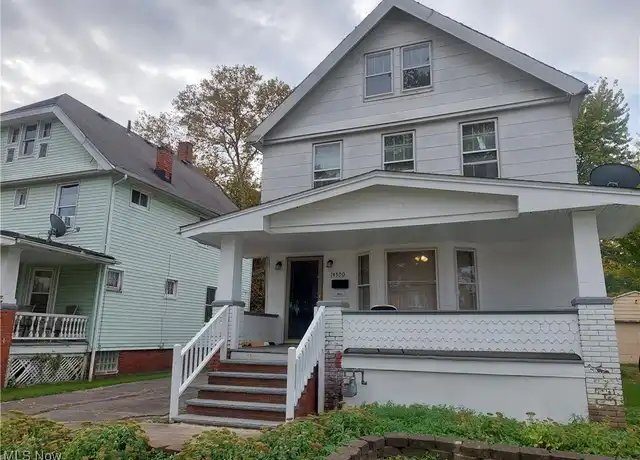
Types of Cheap Houses You Can Buy in the United States
Not all cheap houses are cheap for the same reason. Some are affordable because of location, others because of condition, age, or selling circumstances. Understanding why a house is cheap is the difference between a smart purchase and a costly mistake.
Below are the most common types of cheap houses available in the US, along with who each type is best suited for.
Fixer-Upper Homes
Fixer-uppers are among the most popular cheap house options.
Why they are cheap
- Outdated interiors
- Deferred maintenance
- Cosmetic wear rather than structural damage
Who they are best for
- Buyers with renovation skills
- Investors looking to add value
- Homeowners willing to improve gradually
Key warning
A fixer-upper should need repairs, not rescue. Structural issues, foundation damage, and outdated wiring can quickly erase any savings.
Foreclosure Homes
Foreclosures are homes repossessed by lenders after mortgage default.
Why they are cheap
- Banks want to sell quickly
- Properties are often sold as-is
- Limited emotional pricing from sellers
Who they are best for
- Cash buyers
- Experienced buyers
- Investors comfortable with risk
Key warning
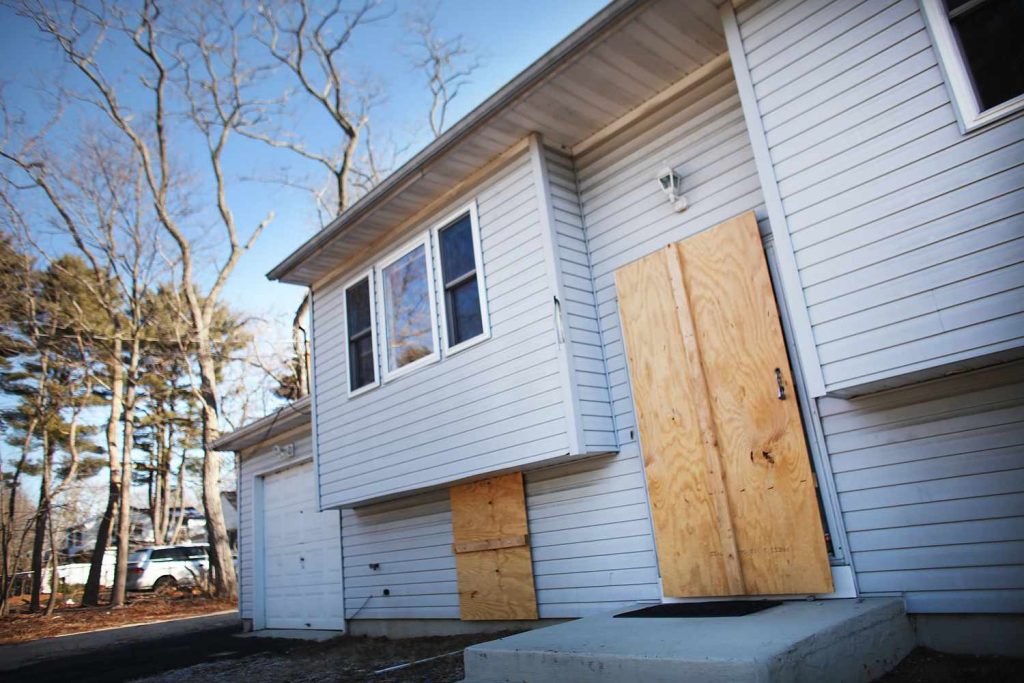
Inspections may be limited. Some foreclosures have hidden damage from neglect or vandalism.
Estate Sale Properties
Estate sales occur when homes are sold after the owner passes away.
Why they are cheap
- Heirs prioritize speed over price
- Homes may be outdated but structurally sound
- Less competitive bidding
Who they are best for
- First-time buyers
- Buyers seeking solid older homes
- Long-term homeowners
Key warning
Older homes may require modernization, but they often have strong construction quality.
Older Single-Family Homes
Many cheap houses exist simply because they are old.
Why they are cheap
- Smaller layouts
- Fewer modern features
- Built before open floor plans became popular
Who they are best for
- Buyers focused on function
- Families seeking stability
- Budget-conscious homeowners
Key warning
Always check roofing, plumbing, electrical systems, and insulation.
Manufactured and Mobile Homes
Manufactured homes offer one of the lowest entry points to homeownership.
Why they are cheap
- Factory-built construction
- Lower land costs
- Faster depreciation
Who they are best for
- Buyers with limited budgets
- Rural and semi-rural buyers
- Retirees downsizing
Key warning
Land ownership matters. Homes on leased land may come with monthly lot fees that reduce affordability.
Small-Town and Rural Homes
Location alone can make a house cheap.
Why they are cheap
- Low population density
- Limited buyer competition
- Abundant land supply
Who they are best for
- Remote workers
- Retirees
- Buyers prioritizing peace and space
Key warning
Access to healthcare, employment, and services should be evaluated carefully.
Where to Find Cheap Houses for Sale in the US (Trusted Platforms and Hidden Sources)
Knowing where to look is often more important than how much money you have. Many buyers miss out on cheap houses simply because they rely on the wrong platforms or fail to search beyond the most obvious listings.
Below are the most reliable places to find cheap houses in the United States, along with practical tips to avoid inflated or misleading listings.
Major Real Estate Listing Platforms
These platforms provide the widest access to active listings across the country. When used correctly, they are powerful tools for uncovering affordable homes.
Zillow
Why it works
Zillow aggregates listings from agents, brokers, and homeowners, making it one of the largest real estate databases in the US.
How to find cheap houses on Zillow
- Set a strict maximum price filter
- Search by zip code rather than city name
- Use the “days on market” filter to find negotiable listings
- Look for older photos and simple descriptions, which often indicate motivated sellers
What to watch out for
Some listings remain active long after being sold. Always confirm availability with an agent.
Realtor.com
Why it works
Realtor.com pulls directly from Multiple Listing Services, making its data more accurate and up to date.
How to use it effectively
- Focus on price-reduced listings
- Check tax history and price trends
- Compare similar homes in the same neighborhood
What to watch out for
Photos may make properties look better than reality. Never skip an in-person inspection.
Redfin
Why it works
Redfin offers advanced data tools and transparency on pricing and competition.
How to uncover deals
- Filter by “hot” vs “cool” homes
- Track price drops
- Focus on listings with low buyer interest
What to watch out for
Some low-priced listings may be competitive despite the price. Act quickly when numbers make sense.
Government and Public Housing Sources
These sources are often overlooked but can produce genuine bargains.
HUD Home Listings
Homes insured by the Federal Housing Administration and sold after foreclosure.
Why they are cheap
- Government-backed pricing
- Priority periods for owner-occupants
- Less emotional pricing
These homes are sold as-is, so inspections are essential.
County and Tax Auction Websites
Many counties sell homes due to unpaid property taxes.
Why they offer cheap houses
- Properties are priced to recover owed taxes
- Minimal marketing creates less competition
What to know
Auction rules vary widely. Some sales require cash and may not allow inspections.
Local Real Estate Agents and MLS Access
Local agents often know about properties before they hit major platforms.
Why this works
- Pocket listings
- Estate sales
- Sellers testing the market
Working with a local agent who understands low-price markets can reveal opportunities online searches never show.
Offline and Community-Based Opportunities
Some of the best cheap houses never appear online.
Where to look
- “For sale by owner” signs
- Local newspapers
- Community bulletin boards
- Word-of-mouth referrals
These sellers often prioritize simplicity and speed over maximum profit.
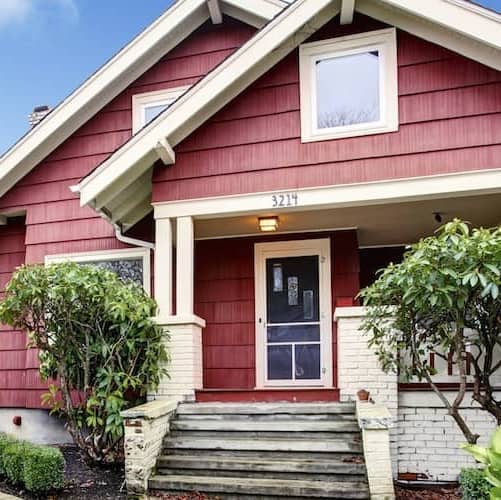
Hidden Costs That Can Make Cheap Houses Expensive
One of the fastest ways buyers turn a good deal into a financial burden is by focusing only on the purchase price. Cheap houses often come with costs that are not visible in listings, photos, or even initial walkthroughs.
Understanding these hidden expenses is what separates confident homeowners from regret-filled buyers.
Repairs and Renovations
Low-priced homes often need work. The key question is not whether repairs are required, but how much and how soon.
Common hidden repair costs
- Roof replacement
- Electrical rewiring
- Plumbing updates
- Foundation stabilization
- HVAC replacement
A house priced $40,000 below market value can quickly lose its appeal if repairs exceed expectations. Always prioritize inspections and contractor estimates before committing.
Property Taxes and Local Assessments
Some areas keep home prices low but offset affordability with higher property taxes.
What buyers often miss
- School district levies
- City infrastructure assessments
- Reassessment after purchase
A cheap house with high annual taxes can strain monthly budgets more than a higher-priced home in a lower-tax area.
Insurance Costs
Insurance varies dramatically by location and property condition.
Factors that raise insurance premiums
- Older roofs or wiring
- Flood zones
- Hurricane or tornado exposure
- Fire risk
In some states, insurance costs have risen faster than home prices, making this a critical calculation.
Utility and Energy Expenses
Older homes often lack energy efficiency.
Hidden utility costs include
- Poor insulation
- Old windows
- Inefficient heating systems
A low purchase price loses value if monthly utility bills are excessive year-round.
Maintenance and Long-Term Upkeep
Every house requires maintenance, but cheap houses often need more frequent attention.
Ongoing costs may include
- Plumbing repairs
- Exterior upkeep
- Pest control
- Appliance replacement
Budgeting for maintenance prevents financial stress later.
How to Buy a Cheap House Without Regret (Step-by-Step Buyer Strategy)
Buying a cheap house can be a life-changing opportunity, but only if approached strategically. The following steps help you maximize value, minimize risk, and make a purchase you won’t regret.
1. Get Pre-Approved
Before even looking at houses, secure mortgage pre-approval.
Why it matters
- Establishes your budget realistically
- Strengthens offers in competitive markets
- Helps filter out properties outside your financial range
Tip: Consider both conventional and FHA loans, as FHA allows lower down payments for first-time buyers.
2. Work With a Local Real Estate Agent
Local knowledge is invaluable.
How they help
- Identify pocket listings and off-market properties
- Provide insight on neighborhoods and pricing trends
- Negotiate repairs and contingencies
Choose an agent familiar with affordable housing markets. Experience in high-cost areas is not enough.
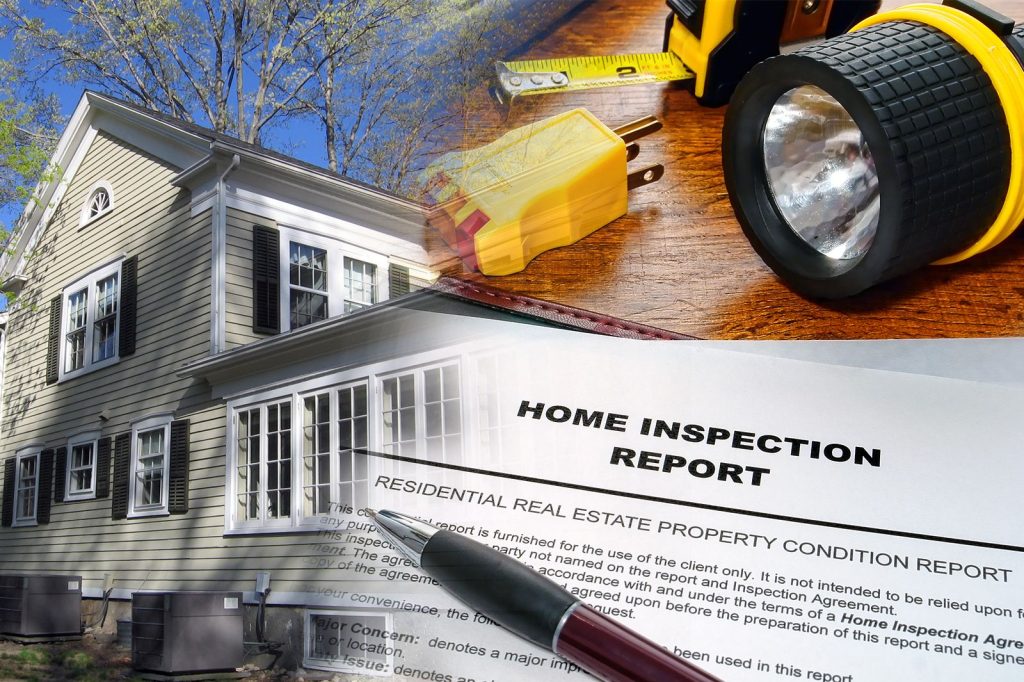
3. Inspect Aggressively
Never skip inspections, even if a house looks affordable and move-in ready.
Key inspections
- Structural integrity (foundation, roof, walls)
- Plumbing and electrical systems
- Heating, cooling, and insulation
- Pest and mold checks
A professional inspection often saves thousands in unexpected repairs.
4. Understand True Costs
Calculate all costs beyond the listing price.
Include
- Closing fees
- Property taxes
- Insurance
- Utilities
- Renovation or repairs
Use this total to compare with higher-priced homes that may require fewer repairs.
5. Negotiate Smartly
Cheap houses often have motivated sellers.
Negotiation tips
- Leverage inspection findings
- Factor in repair costs for a lower offer
- Avoid lowball offers that insult the seller and kill negotiations
6. Consider Resale Value
Even cheap houses should retain or grow in value.
- Evaluate neighborhood trends
- Look for proximity to schools, hospitals, and jobs
- Consider long-term local infrastructure improvements
This ensures your home is not just affordable today but a sound investment tomorrow.
7. Take Your Time
Patience is a strategic advantage.
- Don’t rush to bid out of fear
- Compare multiple properties before committing
- Wait for motivated sellers if possible
Rushed purchases often result in regrets.

Are Cheap Houses Safe? Neighborhood and Crime Considerations
A low purchase price can be enticing, but safety is non-negotiable. Cheap houses often exist in areas with lower demand, which may or may not correspond to safety concerns. Evaluating neighborhoods before buying is critical for protecting your investment and family.
-
Research Crime Data
Before making an offer, review public crime reports.
- Websites such as local police department portals provide detailed statistics
- Look at both violent and property crimes
- Compare neighborhood trends over the past 3–5 years
Tip: Even if crime appears high, check if it is concentrated in specific blocks rather than the entire area.
School Districts Matter
Neighborhood quality often correlates with school performance.
Families should research local public schools and ratings
Homes in higher-rated school districts tend to hold value better
Even if you don’t have children, this affects resale potential
Infrastructure and Amenities
Neighborhood quality extends beyond crime rates.
- Street lighting and road maintenance
- Access to grocery stores, hospitals, and public services
- Parks and recreational areas
Well-maintained infrastructure often indicates a stable neighborhood.
Long-Term Neighborhood Trends
Check local economic and demographic trends.
- Population growth or decline
- Local job opportunities
- New developments or commercial investments
A cheap house in a declining area may remain cheap, while one in a stabilizing neighborhood may increase in value over time.
Frequently Asked Questions About Cheap Houses in the US
Q: Can You Really Buy a House Under $100,000 in the US?
A: Yes. Many Midwestern and Southern states have homes priced under $100,000, especially in smaller cities or rural areas. However, condition, neighborhood quality, and additional costs must be considered.
Q: Are Cheap Houses Usually Old Or Unsafe?
A: Not necessarily. Many affordable homes are older but structurally sound. Safety and quality vary by location, so inspections and neighborhood research are critical.
Q: Is it Better To Buy Cheap and Renovate or Buy New?
A: It depends on your skills, budget, and timeline. Buying cheap and renovating can build equity but requires time and money. Buying newer homes reduces maintenance but may limit affordability.
Q: Which States Have The Lowest Property Taxes For Cheap Homes?
A: States like Ohio, Indiana, Alabama, and Mississippi generally have lower property taxes, helping keep overall costs manageable. Always check local rates before buying.
Q: Are Cheap Houses a Good Investment?
A: They can be, particularly for first-time buyers or investors who choose stable or improving neighborhoods. Understanding the long-term costs and potential resale value is essential.
Conclusion + Buyer Mindset Reset
Finding a cheap house in the United States in 2026 is not only possible, it is a realistic path to homeownership for many Americans. While headlines emphasize crises and sky-high prices, opportunities still exist in overlooked cities, rural areas, and specific housing types.
KEY TAKEAWAYS:
- Cheap houses are abundant in the Midwest, South, and certain undervalued regions.
- Always evaluate true costs beyond the listing price: taxes, insurance, repairs, and utilities.
- Neighborhood safety, school districts, and infrastructure are just as important as purchase price.
- Working with knowledgeable local agents and leveraging multiple platforms uncovers the best deals.
- Patience, inspections, and strategic negotiation protect your investment.
Ultimately, cheap houses are not just about saving money, they are about smart buying, long-term stability, and achieving homeownership without financial stress.
If you are ready to take action, start by researching states, cities, and property types that match your budget and lifestyle. Your next home may be far more affordable than you think.
