

You open the SHEIN app just to browse. Ten minutes later, your cart is full. A dress for $4.99. Jeans for $9. A hoodie cheaper than lunch at McDonald’s. That’s when the thought hits you hard. How is this even possible? Why is SHEIN so cheap when every other clothing store in the US is struggling to keep prices under $30?
This question is no longer just casual curiosity. It’s become a genuine concern for millions of American shoppers. Prices that low don’t just feel like a bargain. They feel suspicious. And when something feels too good to be true, people naturally want answers.
Search trends show that Americans aren’t just buying from SHEIN. They’re questioning it. Is the quality bad? Are workers being exploited? Is there a hidden cost nobody talks about? Or is SHEIN simply smarter than traditional US retailers?
The truth is, SHEIN’s ultra-low prices are not an accident. They are the result of a carefully engineered business system designed to cut costs at every possible stage, from design and manufacturing to marketing and delivery. Some of these strategies are innovative. Others are controversial. And a few raise serious ethical and environmental questions that shoppers in the US are starting to take seriously.
This guide is not here to scare you or sell you anything. It’s here to break down the real reasons behind SHEIN’s pricing in plain, human language. By the end of this article, you will understand exactly how SHEIN keeps prices so low, why quality can feel inconsistent, what tradeoffs American consumers are making, and whether shopping on SHEIN is actually worth it for you.
If you have ever added items to your cart and paused, wondering what the catch is, this deep dive will answer that question fully. No hype. No exaggeration. Just the truth behind why SHEIN is so cheap.

What Is SHEIN? A Quick Background Every US Shopper Should Know
Before you can fully understand why SHEIN is so cheap, it helps to understand what SHEIN actually is and how different it is from the clothing brands most Americans grew up shopping from. SHEIN is not just another fast fashion retailer. It operates on a completely different scale, with a business structure that looks more like a tech company than a traditional clothing brand.
SHEIN was founded in 2008 and originally focused on selling wedding dresses online. Over time, the company shifted its attention to everyday fashion and eventually became one of the largest online clothing retailers in the world. What makes SHEIN unusual is that it does not rely on physical stores, seasonal collections, or long-term fashion planning the way US brands do. Everything about SHEIN is built for speed, data, and volume.
Unlike American mall brands that release a few major collections per year, SHEIN uploads thousands of new products to its website every single week. Some estimates suggest that SHEIN adds several thousand new styles daily. This constant flow of new clothing keeps shoppers coming back frequently, creates a sense of urgency, and allows the company to test what sells without committing to large production runs upfront.
For US shoppers, SHEIN feels like a never-ending digital clearance rack. There is always something new, always something trending, and almost always something unbelievably cheap. That experience is not accidental. It is the result of a system designed to remove almost every cost that traditional US retailers still carry.
Another important detail many Americans do not realize is that SHEIN does not operate like brands such as Levi’s or Gap. SHEIN does not depend heavily on brand loyalty or long-term product durability. Instead, it focuses on trend relevance, short-term use, and impulse buying. The goal is not to sell one expensive jacket that lasts five years. The goal is to sell ten inexpensive items that feel exciting right now.
SHEIN’s rise in the United States has been fueled largely by social media. TikTok hauls, YouTube try-on videos, Instagram ads, and influencer discount codes have turned SHEIN into a household name for Gen Z and budget-conscious millennials. This marketing approach is far cheaper than traditional TV advertising and allows SHEIN to reach American consumers directly on their phones.
Understanding this background is critical. SHEIN’s low prices are not just about cheap labor or materials. They are deeply connected to how the company thinks, plans, markets, and delivers fashion at a scale most US retailers cannot match.
The Core Question Explained: Why Is SHEIN So Cheap?
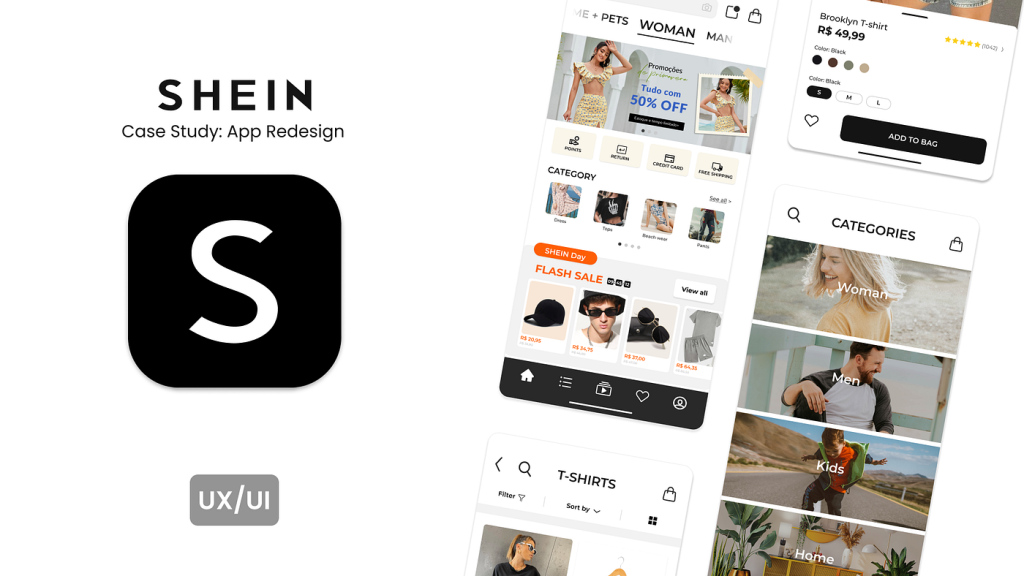
At this point, the question is unavoidable. If SHEIN can sell clothing at prices that seem impossible in the United States, then something very different must be happening behind the scenes. And that assumption is correct. SHEIN’s low prices are not the result of one single trick. They come from a combination of strategies working together to strip away costs that most American retailers still accept as normal.
The first and most important reason SHEIN is so cheap is that it does not operate like a traditional fashion brand. US retailers usually design months in advance, predict trends, manufacture in bulk, ship to stores, and hope customers buy enough to justify the investment. SHEIN flips that entire system upside down. Instead of guessing what Americans might want next season, SHEIN waits until trends already exist and then reacts almost instantly.
Another major factor is scale. SHEIN operates at a volume few clothing companies can compete with. When you produce massive quantities of fabric, buttons, zippers, packaging, and shipping materials, the cost per item drops dramatically. SHEIN leverages this scale to negotiate lower prices at every stage of production, something smaller US brands simply cannot do.
There is also the direct-to-consumer model. SHEIN does not pay for shopping mall rent, in-store staff, window displays, or regional warehouses across the US. Everything is sold online and shipped directly to consumers. Removing physical stores alone saves millions of dollars annually, and those savings are passed into lower sticker prices.
Data plays a huge role as well. SHEIN tracks what American shoppers click on, save, share, and buy in real time. If a style starts trending on TikTok today, SHEIN can design, produce, and list a similar item within days. This reduces failed products, unsold inventory, and clearance losses that drive prices up at traditional retailers.
Finally, SHEIN optimizes for short-term use rather than long-term durability. This is uncomfortable for some shoppers, but it is an important truth. Clothing designed to last one season is cheaper to make than clothing designed to last five years. SHEIN focuses on affordability and trend accuracy, not longevity.
All of these factors work together. None of them alone would be enough to explain SHEIN’s pricing. Combined, they create a system where selling a $6 top is not just possible, but profitable.
SHEIN’s Ultra Fast Fashion Model Explained
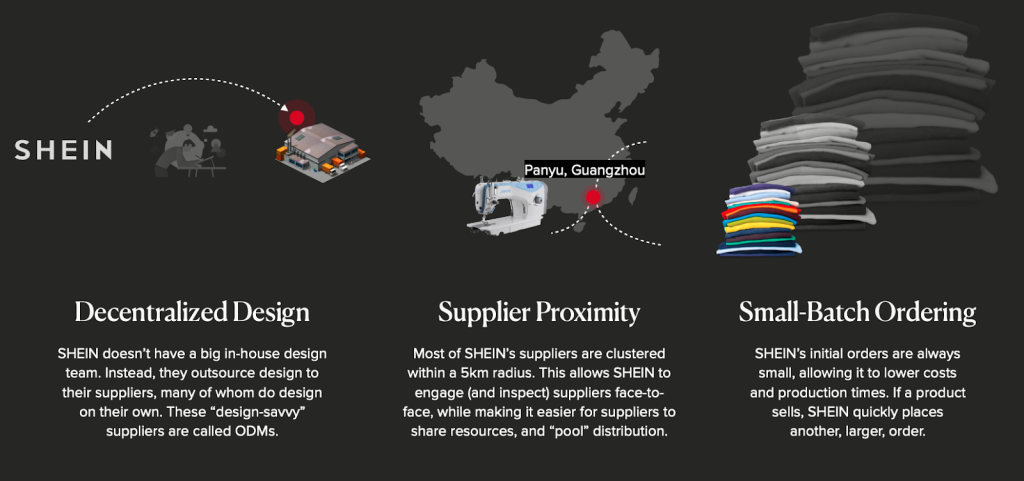
To truly understand why SHEIN is so cheap, you need to understand one phrase that defines the entire company: ultra fast fashion. This is not just a marketing term. It is the core system that allows SHEIN to move faster and cheaper than nearly every clothing retailer in the United States.
Traditional US fashion brands work on long timelines. Designers plan collections six to twelve months in advance. Manufacturers produce large batches. Retailers ship items to stores and wait to see what sells. If a trend fades or a product flops, the brand eats the cost through markdowns, outlet sales, or wasted inventory. All of those losses get built into future pricing.
SHEIN does the opposite. Instead of planning far ahead, it reacts to what is already trending. When a specific dress style, color, or silhouette starts gaining traction on social media, SHEIN notices almost immediately. The company uses data from search behavior, social platforms, and internal sales metrics to decide what to produce next.
Here is where the cost savings become significant. SHEIN does not start with massive production runs. It often produces small test batches, sometimes as few as a few hundred pieces. These are uploaded to the website to see how US shoppers respond. If an item sells quickly, SHEIN scales production fast. If it does not, the item quietly disappears. This testing system drastically reduces wasted inventory, which is one of the biggest hidden costs in fashion.
Speed also reduces risk. Because SHEIN can design, produce, and list items in a matter of days, it does not need to gamble on future trends. This allows the company to avoid expensive forecasting mistakes that US retailers still struggle with. Less risk means less financial padding baked into prices.
Another key part of ultra fast fashion is design efficiency. SHEIN does not aim for originality in the traditional sense. It focuses on interpreting trends that already exist. This reduces research and development costs, shortens design timelines, and speeds up production. For American shoppers, this means you get trendy pieces almost immediately, but often without the craftsmanship or refinement of higher-priced brands.
The ultra fast fashion model also encourages impulse buying. Low prices combined with constantly changing inventory create a psychological effect. Shoppers feel pressure to buy now before an item sells out or disappears. This high volume, quick turnover approach allows SHEIN to make smaller profits per item while still earning massive revenue overall.
In short, speed is money. And no fashion company moves faster or cheaper than SHEIN.
Manufacturing Costs: Where and How SHEIN Makes Its Clothes
One of the biggest reasons SHEIN can sell clothing at prices that seem impossible in the United States comes down to where and how those clothes are made. Manufacturing is the most expensive part of fashion, and SHEIN has structured its production system to keep those costs as low as possible without relying on the same model US brands use.
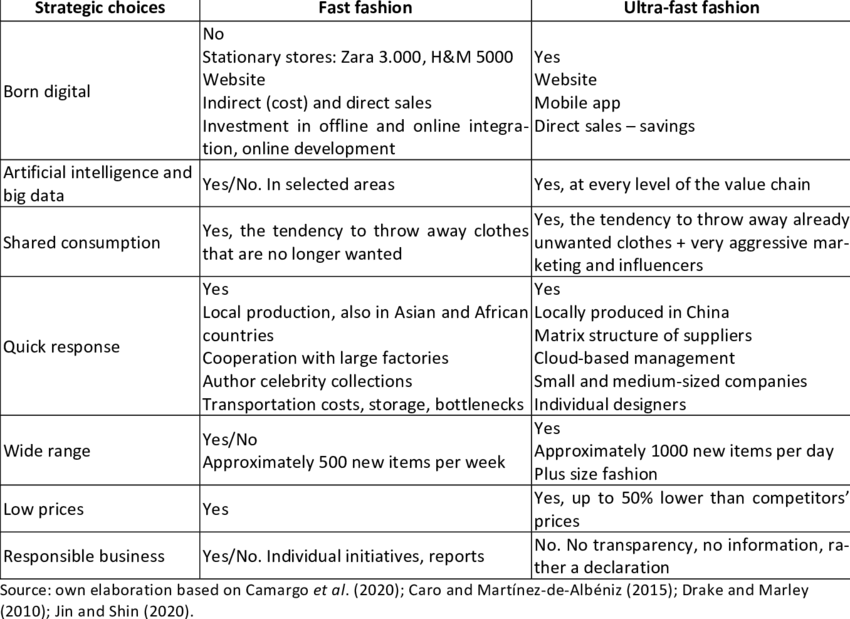
SHEIN works with a vast network of third-party manufacturers, primarily located in regions where labor and production costs are significantly lower than in the US. These factories specialize in high-volume garment production and are set up to move quickly. Because SHEIN sends them constant orders, these manufacturers can operate at full capacity, which lowers the cost per item.
Another major factor is bulk sourcing. SHEIN purchases enormous quantities of fabric, thread, zippers, buttons, and packaging materials. When materials are bought at this scale, prices drop sharply. Smaller American brands simply cannot negotiate the same rates, even if they produce overseas.
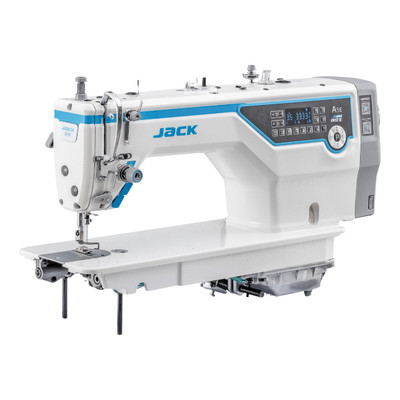
Automation also plays a role. Many of SHEIN’s partner factories use semi-automated cutting and sewing processes. While human labor is still heavily involved, automation speeds up production and reduces errors. Faster production means lower labor hours per garment, which directly impacts pricing.
SHEIN also minimizes design complexity. Simpler cuts, fewer seams, and standardized sizing reduce both time and material waste. This does not necessarily mean every item is poorly made, but it does mean the focus is on efficiency rather than craftsmanship. Clothing designed for everyday wear or short-term use costs far less to produce than pieces meant to last for years.
Another important cost-saving strategy is proximity. SHEIN’s design, data analysis, and manufacturing partners operate close to each other. This reduces transportation delays, communication issues, and logistical expenses. For US shoppers, this translates into faster turnaround times and lower prices, even if shipping still takes longer than buying locally.
Finally, SHEIN shifts risk away from itself and onto its manufacturing partners. Factories often bear the initial production risk, especially during test batches. This arrangement further reduces SHEIN’s financial exposure and allows the company to keep prices aggressively low.
All of these manufacturing choices are deliberate. They are not about luxury, durability, or heritage. They are about speed, volume, and cost control. And they are a major reason why SHEIN’s prices remain far below those of most US retailers.
Direct-to-Consumer Shipping and Why It Saves SHEIN So Much Money
Another major reason SHEIN is able to keep prices so low for American shoppers is its direct-to-consumer shipping model. This is one of the least visible cost-cutting strategies, yet it plays a huge role in why SHEIN can sell clothing for a fraction of what US retailers charge.
Traditional clothing brands in the United States rely heavily on physical stores. That means paying for mall leases, retail staff, visual merchandising, utilities, insurance, storage rooms, and regional distribution centers. Even brands that sell online often still operate hundreds of physical locations, and those expenses are baked directly into the price of every item you buy.
SHEIN avoids all of that. The company operates almost entirely online. There are no nationwide chains of stores, no fitting rooms, and no cashiers. Instead, orders are processed through centralized warehouses and shipped directly to customers’ homes. By removing physical retail from the equation, SHEIN eliminates one of the largest cost burdens in fashion.
Shipping directly to consumers also allows SHEIN to control inventory more tightly. Products are stored in fewer locations, which reduces warehousing expenses and limits overstock. Traditional US retailers often send the same product to dozens or even hundreds of stores, hoping it sells evenly. When it does not, markdowns follow, and those losses raise future prices. SHEIN’s centralized model avoids this problem almost entirely.
Another cost advantage is international fulfillment. While many American shoppers assume international shipping should be expensive, large-scale global logistics can actually be cheaper than domestic retail distribution when done at volume. SHEIN ships millions of packages, allowing it to negotiate favorable rates with shipping partners. These savings help offset longer delivery times while keeping prices low.
SHEIN also uses longer delivery windows strategically. Instead of promising two-day shipping like many US retailers, SHEIN sets expectations for longer wait times. This flexibility allows the company to use cheaper shipping methods. American shoppers trade speed for savings, whether they realize it or not.
Returns are another hidden factor. SHEIN’s low prices discourage frequent returns. When an item costs $6, many shoppers decide it is not worth returning, even if the fit or quality is not perfect. Fewer returns mean lower processing and restocking costs, which again helps keep prices down.
In simple terms, SHEIN ships smarter, slower, and cheaper. By cutting out physical stores, reducing inventory waste, and optimizing international logistics, the company saves enormous amounts of money. Those savings show up clearly on the price tags Americans see on their screens.

Why SHEIN Clothes Often Feel Cheap: Materials, Quality, and Construction
One of the first things many American shoppers notice after placing a SHEIN order is that the clothing does not always feel the way it looked online. Fabrics can feel thin. Stitching may look uneven. Some items feel surprisingly wearable, while others feel disposable. This inconsistency is not random. It is directly connected to how SHEIN controls costs at the material and construction level.
Most SHEIN clothing is made from synthetic fabrics such as polyester, spandex blends, acrylic, and nylon. These materials are significantly cheaper than natural fibers like cotton, wool, silk, or linen. Synthetic fabrics are also easier to dye, faster to produce, and less prone to shrinking during manufacturing. For a company focused on speed and scale, these materials make financial sense.
Another factor is fabric weight. Thinner fabrics cost less to produce and ship. When you are selling millions of items and shipping them internationally, even small reductions in fabric weight translate into massive savings. For US shoppers, this often results in clothing that feels lighter and less durable than what they are used to buying from traditional retailers.
Construction quality is another area where SHEIN saves money. Many garments use simpler patterns, fewer panels, and minimal reinforcement. Seams may not be double stitched. Hems may be narrower. Buttons and zippers are often basic rather than heavy duty. These choices reduce labor time per garment, which lowers production costs.
Sizing consistency also plays a role. SHEIN does not follow a single standardized sizing system. Different manufacturers produce different items, and each uses slightly different measurements. This is why two items ordered in the same size can fit very differently. While this inconsistency frustrates US consumers, it allows SHEIN to work with a wider range of manufacturers and move faster without strict quality control delays.
It is important to note that cheap does not always mean unwearable. Many SHEIN items are designed for occasional use. A top worn a few times for social media photos, a dress for a single event, or a trend-driven piece meant to last one season. When viewed through that lens, the pricing begins to make more sense.
However, when compared to clothing designed for long-term wear, the differences become clear. SHEIN optimizes for appearance and trend accuracy rather than durability. The tradeoff is clothing that looks good quickly but may not hold up after repeated washing or extended use.
For American shoppers, understanding this reality is crucial. SHEIN’s low prices are not magic. They are the result of deliberate decisions about materials, construction, and longevity.

Is SHEIN Cheap Because of Labor Practices?
This is one of the most uncomfortable questions American shoppers ask when trying to understand why SHEIN is so cheap. Low prices naturally raise concerns about who is paying the real cost behind the scenes. While the full picture is complex, labor practices are undeniably part of the conversation.
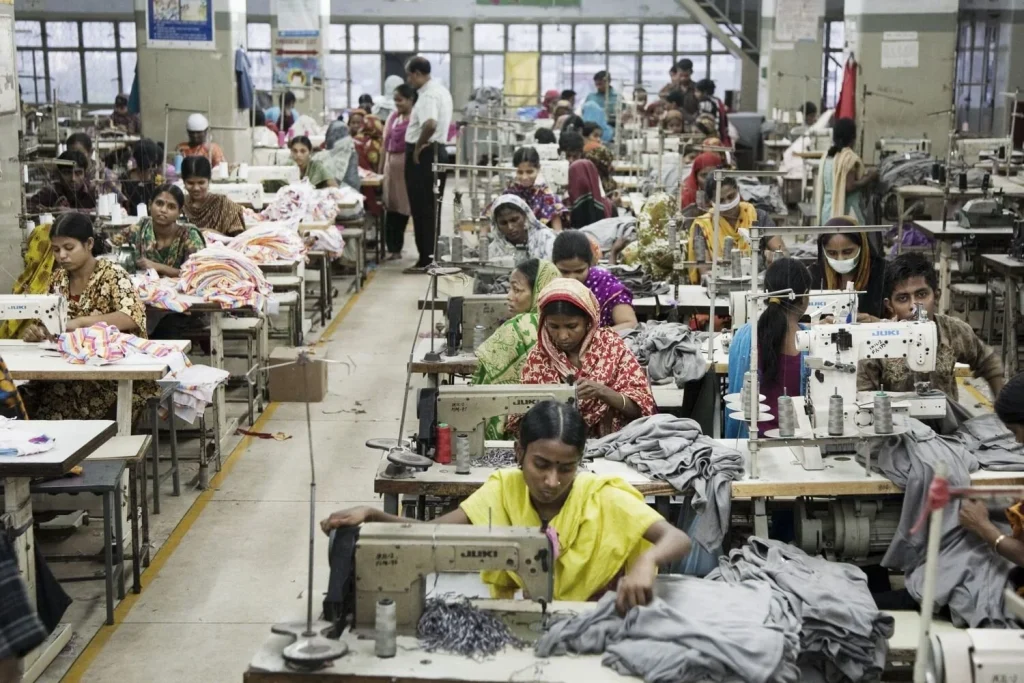
SHEIN does not own most of the factories that produce its clothing. Instead, it works with a massive network of third-party manufacturers. These factories operate in regions where labor costs are far lower than in the United States. Lower wages alone significantly reduce production expenses, especially in an industry where labor makes up a large portion of garment costs.
Reports from labor watchdog organizations and investigative journalists have raised concerns about working conditions, hours, and pay within some factories linked to fast fashion supply chains, including those that produce for SHEIN. These reports have described long working hours, intense production quotas, and limited labor protections. It is important to note that conditions can vary widely from one factory to another.
SHEIN has publicly stated that it requires suppliers to follow a code of conduct and claims to conduct audits to ensure compliance with labor standards. The company has also announced initiatives aimed at improving transparency and oversight. However, critics argue that auditing such a vast and fast-moving supply chain is extremely difficult, especially when production timelines are tight and demand shifts rapidly.
One of the reasons labor costs stay low is speed pressure. Ultra fast fashion demands quick turnaround times. When factories are expected to produce new styles within days, workers may face intense workloads to meet deadlines. This pressure is not unique to SHEIN, but the scale and speed at which it operates can amplify the issue.
For US consumers, this creates a moral dilemma. The low price of a $5 top does not reflect the full human cost of producing it. While SHEIN is not the only brand facing these criticisms, its extreme affordability brings these concerns into sharper focus.
Understanding this does not mean every purchase is unethical, nor does it mean SHEIN is uniquely harmful compared to other fast fashion brands. It does mean that cheap clothing often depends on labor systems that would not be acceptable under US labor laws. This reality is part of why prices remain so low.
Frequently Asked Questions About Why SHEIN Is So Cheap
Why is SHEIN cheaper than most US clothing stores?
SHEIN is cheaper because it avoids physical stores, produces clothing in very small test batches, relies heavily on data to predict what will sell, and manufactures in regions with much lower production costs. By cutting out many traditional retail expenses, the company can sell items at prices US retailers cannot easily match.
Why is SHEIN cheaper than Amazon for clothes?
Amazon acts mainly as a marketplace for many different sellers, each with their own costs, margins, and logistics. SHEIN controls nearly its entire process from design to delivery. This vertical control, combined with ultra fast fashion production and centralized shipping, allows SHEIN to undercut even Amazon on price.
Does cheap mean SHEIN clothes are bad quality?
Not always, but quality is inconsistent. Some SHEIN items hold up reasonably well for occasional wear, while others may feel thin or wear out quickly. SHEIN prioritizes trend accuracy and low cost over long-term durability, which explains the variation many US shoppers experience.
Why does SHEIN sizing feel inconsistent?
SHEIN works with thousands of third-party manufacturers, each with slightly different sizing standards. This lack of strict standardization allows faster production and lower costs, but it results in inconsistent fit across different items.
Is SHEIN legal to shop from in the United States?
Yes, SHEIN is legal in the US. Americans can freely order from the platform. However, legality does not address ethical or environmental concerns, which remain a personal decision for each shopper.
Are SHEIN products fake or knockoffs?
SHEIN does not sell counterfeit branded items, but it is often criticized for producing designs that closely resemble trending styles from other brands. This approach reduces design costs and speeds up production, contributing to lower prices.
Will SHEIN prices increase in the future?
Prices could increase if regulations, labor standards, or shipping costs change significantly. However, SHEIN’s business model is built around cost efficiency, so the company will likely continue pushing to keep prices as low as possible for US consumers.
Conclusion: The Real Truth Behind Why SHEIN Is So Cheap
SHEIN is cheap because it was designed to be cheap. Every part of its business model, from ultra fast fashion production and low-cost manufacturing to direct-to-consumer shipping and data-driven trend tracking, is optimized to remove expenses that traditional US retailers still carry.
The tradeoff is clear. American shoppers get access to extremely affordable, trend-focused clothing, but often sacrifice durability, consistency, and sometimes peace of mind around ethics and sustainability. SHEIN is not a mystery, a scam, or a miracle. It is a system built for speed, scale, and impulse buying.
For some shoppers, SHEIN makes sense for occasional wear, budget shopping, or trend experimentation. For others, the hidden costs may outweigh the savings. Understanding why SHEIN is so cheap gives you the power to decide, not just react to the price tag.
