

Rent used to feel manageable. Now it feels like a monthly boss battle.
You open your phone, search for cheap 1 bedroom apartments, and the results look promising for about three seconds. Then you click. The price jumps. The photos are ten years old. The “available now” unit is suddenly “just leased.” And somehow, what was supposed to be affordable is now stretching your budget to the breaking point.
If you are tired of chasing listings that feel like bait, you are not alone.
Across the United States, renters are facing a strange reality. Luxury units are everywhere. “Modern upgrades” are slapped onto basic renovations. And anything labeled affordable gets flooded with applications in hours. Meanwhile, you just want something simple. A clean one bedroom. Safe neighborhood. Reasonable rent. No games.
Here is the truth most big listing sites will not tell you: finding cheap 1 bedroom apartments is not just about searching harder. It is about searching smarter.
In this guide, you are going to learn:
• What “cheap” actually means in 2026 depending on your city
• The best states and cities in the US where one bedroom rents are still realistic
• Where to look beyond the obvious rental websites
• How to qualify even if your credit is not perfect
• How to negotiate rent without sounding desperate
• The hidden costs that turn a cheap apartment into an expensive mistake
• How to avoid rental scams that are targeting budget renters
If your goal is simple, find a decent one bedroom apartment that does not drain your bank account every month, you are in the right place.
Let’s start by redefining what cheap really means in today’s housing market.
What “Cheap” Really Means for 1 Bedroom Apartments in the US in 2026
Before you can successfully find cheap 1 bedroom apartments, you need to understand something critical:
Cheap is relative.
A one bedroom apartment that costs 1,200 dollars per month might be considered a steal in one city and wildly overpriced in another. If you do not anchor your expectations to location, income levels, and cost of living, you will either overpay or waste time chasing unrealistic deals.
Let’s break this down clearly.
The National Average for a 1 Bedroom Apartment
In 2026, the average rent for a 1 bedroom apartment in the United States hovers roughly between 1,300 and 1,600 dollars per month depending on data source and metro size.
But that number hides a massive range.
In high-cost cities like New York or San Francisco, a one bedroom can easily exceed 2,500 dollars per month. In contrast, smaller Midwestern cities may still offer units under 900 dollars.
That means “cheap” nationally usually falls into one of these categories:
• Under 1,000 dollars per month in most markets
• Under 1,200 dollars in moderate cost cities
• Below the city average by at least 15 to 25 percent
Understanding this gives you leverage. Instead of asking, “Is this cheap?” you ask, “Is this below the market rate for this zip code?”
Cheap in New York Is Not Cheap in Oklahoma
Let’s compare two realities.
In Manhattan, a 1 bedroom listed at 1,800 dollars would spark massive demand because it is far below the city average.
In Tulsa, Oklahoma, that same 1,800 dollar price would be considered luxury-level rent.
So when searching for cheap 1 bedroom apartments near you, always compare:
• Median rent in that specific city
• Rent in that exact neighborhood
• Square footage offered
• Amenities included
Cheap does not just mean low price. It means high value relative to the local market.
Urban vs Suburban vs Rural Pricing
Location inside a metro area matters more than most renters realize.
Urban Core
• Higher rent
• Smaller square footage
• Walkability premium
• Higher demand
Suburban
• Larger units
• More parking
• Slightly lower rent
• Commute tradeoff
Rural or Outskirts
• Lowest rent
• Limited amenities
• Fewer job opportunities
• Car dependency
If your goal is strictly affordable living, expanding your search radius by even 10 to 20 miles outside a major downtown can cut rent by hundreds of dollars per month.

Cost Per Square Foot Matters
Two apartments can both cost 1,100 dollars per month.
But if one is 750 square feet and the other is 550 square feet, the value is very different.
Divide rent by square footage.
For example:
1,100 dollars divided by 750 square feet equals 1.46 dollars per square foot.
1,100 dollars divided by 550 square feet equals 2.00 dollars per square foot.
That difference adds up over time.
When comparing cheap 1 bedroom apartments, always calculate cost per square foot to avoid paying luxury pricing for a cramped unit.
Why Rent Is Dropping in Some Cities and Rising in Others
The rental market is not moving uniformly across the United States.
Some cities are seeing slight rent decreases due to:
• Overbuilding of new units
• Remote work migration
• Population slowdown
Other cities are experiencing rent spikes due to:
• Job growth
• Limited housing supply
• High demand for walkable neighborhoods
• Zoning restrictions
This is why blindly following national averages can mislead you. A smart renter studies local conditions before committing.
When Cheap Becomes Too Cheap
Here is a hard truth.
If a 1 bedroom apartment is priced dramatically below the neighborhood average, you should ask why.
Sometimes it is a genuine deal. Other times it signals:
• Major maintenance issues
• Unsafe neighborhood
• Scam listing
• Strict income restrictions
• Income-based housing qualification
Cheap is good. Suspiciously cheap requires investigation.
Understanding what cheap really means gives you power.
Instead of reacting emotionally to low numbers, you begin analyzing value, location, timing, and long-term cost.
Cheapest Cities in the US for 1 Bedroom Apartments (2026 Data)
If you want to find a real deal, location is everything. Some cities still offer affordable one bedroom apartments without forcing you into unsafe neighborhoods or subpar living conditions.
Here’s a practical list of cities where cheap 1 bedroom apartments are realistically available in 2026, along with what you should know before committing.
1. Tulsa, Oklahoma
Average 1 Bedroom Rent: $850–$950
Why it’s cheap: Lower cost of living, moderate population, and steady job market.
Pros: Affordable utilities, suburban and urban options, good internet coverage.
Cons: Winters can be cold, fewer high-end amenities.
Tulsa has become a hidden gem for renters seeking affordability. Neighborhoods like Midtown and Brookside offer walkable streets, coffee shops, and budget-friendly apartments without the sky-high prices of coastal metros.
2. Oklahoma City, Oklahoma
Average 1 Bedroom Rent: $800–$950
Why it’s cheap: Abundant housing supply and moderate demand.
Pros: Large city with job opportunities, low property taxes, decent public transport.
Cons: Sprawl may require a car in some neighborhoods.
Oklahoma City offers a balance between urban living and affordability. Downtown apartments give city access, while surrounding suburbs provide quiet, spacious options at the same or lower rent.
3. Memphis, Tennessee
Average 1 Bedroom Rent: $750–$900
Why it’s cheap: Southern market with slower rent growth and lower property costs.
Pros: Rich culture, music scene, and culinary experiences.
Cons: Higher crime rates in some areas; research neighborhoods carefully.
Memphis provides cultural vibrancy for a fraction of the price of major metro areas. East Memphis and Midtown are popular for safe, affordable rentals.
4. Cleveland, Ohio
Average 1 Bedroom Rent: $800–$950
Why it’s cheap: High rental inventory and low demand compared to larger Rust Belt cities.
Pros: Waterfront living possible, low living costs, solid public amenities.
Cons: Winters can be harsh, some areas need careful selection.
Cleveland’s affordable downtown apartments combined with proximity to Lake Erie make it a strong choice for renters on a budget seeking an urban experience.
5. Wichita, Kansas
Average 1 Bedroom Rent: $750–$900
Why it’s cheap: Moderate economy with low rental demand keeps prices reasonable.
Pros: Safe neighborhoods, accessible parking, suburban feel.
Cons: Limited nightlife compared to bigger cities.
For renters seeking low rent without sacrificing safety, Wichita offers plenty of options in quiet neighborhoods with easy access to grocery stores, public services, and parks.

Cheapest States for 1 Bedroom Apartments in 2026
Once you understand city-level affordability, the next step is to see which states consistently offer cheap 1 bedroom apartments across multiple cities. Targeting these states increases your chances of finding a real deal, even if you’re flexible on location.
1. Oklahoma
Average 1 Bedroom Rent: $800–$950
Why it’s cheap: Low cost of living, moderate population, and plenty of rental inventory.
Pros: Affordable utilities, friendly communities, moderate weather.
Cons: Limited public transit outside major cities.
Oklahoma has multiple cities; Tulsa, Oklahoma City, Norman, that allow renters to find budget apartments without sacrificing safety or comfort.
2. Arkansas
Average 1 Bedroom Rent: $750–$900
Why it’s cheap: Low real estate costs and moderate demand.
Pros: Suburban and urban options, scenic surroundings, low taxes.
Cons: Limited high-end job opportunities in smaller cities.
Cities like Little Rock, Fayetteville, and Fort Smith are known for affordable housing and family-friendly neighborhoods.
3. Mississippi
Average 1 Bedroom Rent: $700–$900
Why it’s cheap: Smaller cities with slower rent growth and plentiful older apartments.
Pros: Very low rent, southern lifestyle, minimal property taxes.
Cons: Some areas have higher crime rates; infrastructure can vary.
Jackson and Gulfport are prime examples where renters can secure a one-bedroom under $900.
4. Kansas
Average 1 Bedroom Rent: $750–$900
Why it’s cheap: Moderate urban growth with an abundance of rental options.
Pros: Safe communities, spacious apartments, low utility costs.
Cons: Smaller cities have limited entertainment options.
Wichita and Topeka stand out as ideal cities for budget-conscious renters.
5. West Virginia
Average 1 Bedroom Rent: $700–$900
Why it’s cheap: Limited urban sprawl and steady supply of rentals.
Pros: Scenic areas, low cost of living, quiet neighborhoods.
Cons: Limited job market outside major towns.
Cities like Charleston and Morgantown offer affordable housing, especially for students and remote workers.
6. Indiana
Average 1 Bedroom Rent: $750–$950
Why it’s cheap: High housing supply in mid-sized cities keeps rent below the national average.
Pros: Safe neighborhoods, affordable utilities, suburban options.
Cons: Winters can be long and cold.
Indianapolis and Fort Wayne are excellent choices for those seeking value without sacrificing basic amenities.
7. Alabama
Average 1 Bedroom Rent: $750–$900
Why it’s cheap: Southern state with moderate growth and low rental demand.
Pros: Affordable utilities, low taxes, friendly communities.
Cons: Limited public transit and extreme summer heat.
Birmingham and Huntsville offer affordable one-bedroom options for both young professionals and retirees.
Key Takeaways
• Southern and Midwestern states dominate the affordability rankings.
• Statewide averages are useful, but city and neighborhood selection still matters.
• Utilities, taxes, and local cost of living can make a huge difference in total monthly expenses.
• Combining state-level and city-level insights dramatically increases your chances of finding cheap, safe apartments.
Where to Actually Find Cheap 1 Bedroom Apartments
Finding cheap 1 bedroom apartments isn’t just about knowing which cities or states are affordable, it’s about knowing where to look. Most renters default to Zillow or Apartments.com, but savvy renters know the best deals often exist off the mainstream radar.
Here’s a detailed breakdown of where to search and how to maximize your chances.
1. Facebook Marketplace Rentals
Facebook Marketplace has evolved into a legitimate apartment search platform. Many smaller landlords prefer listing here because it’s free and reaches local renters quickly.
Tips:
• Filter by neighborhood and price range
• Check listing date: recent listings have the best chances
• Message landlords politely and ask for more photos and lease details
2. Craigslist with Filters
Craigslist remains a go-to for budget-conscious renters. It can be hit or miss, but it’s still one of the few platforms where private landlords list directly.
Tips:
• Always check the “housing wanted” and “apartments for rent” sections
• Use search filters for price, bedrooms, and location
• Watch for scams; never wire money without verifying the unit
3. Local Property Management Websites
Many property management companies do not list their full inventory on national websites. Searching local PM websites often reveals hidden deals.
Tips:
• Search for “[City] property management companies” on Google
• Look for “current vacancies” or “affordable housing” tabs
• Sign up for email alerts
4. Driving Around Neighborhoods
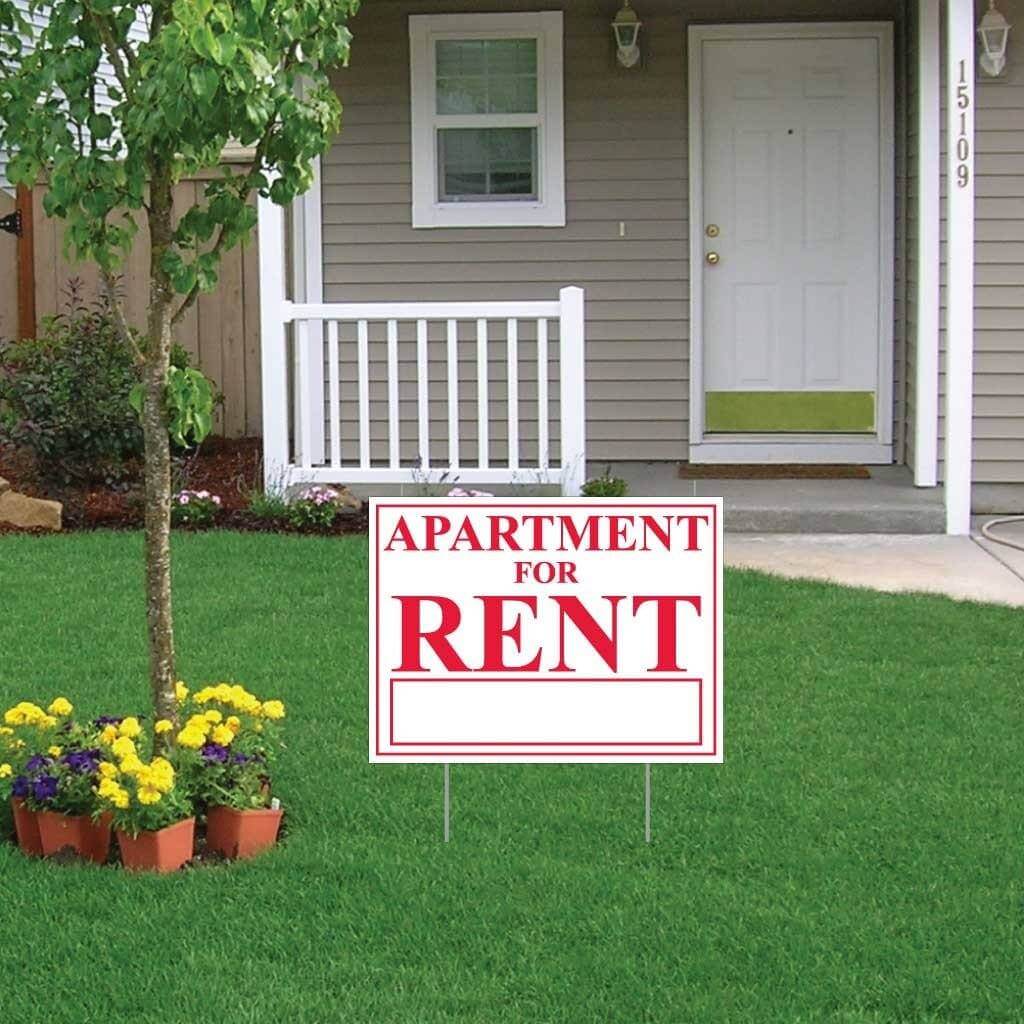
Some of the best deals never hit the internet. Landlords often post physical signs outside apartments. A casual drive through desired neighborhoods can uncover hidden gems.
Tips:
• Look for “For Rent” signs in safe areas
• Take note of phone numbers and call directly
• Ask neighbors about vacancies; word-of-mouth can beat online listings
5. Word of Mouth & Community Boards
Friends, colleagues, or local community boards (libraries, coffee shops, community centers) can provide leads for affordable one bedrooms before they go online.
6. Section 8 & Income-Restricted Apartments
If you qualify for income-restricted housing or Section 8, these options often provide below-market rent.
Tips:
• Check HUD.gov for federal programs
• Contact local housing authorities for waitlists
• Keep documentation ready for income verification
7. Off-Market Deals
Some landlords prefer long-term tenants without listing publicly. Networking with real estate agents who specialize in rentals or joining local rental groups on social media can provide these opportunities.
Key Takeaways
• Don’t rely solely on national listing sites; local platforms often have the best deals.
• Physical signs and word-of-mouth can uncover apartments before they’re online.
• Section 8 or income-restricted options can offer substantial savings if you qualify.
• Always verify legitimacy to avoid scams.
How to Qualify for a Cheap 1 Bedroom Apartment
Finding cheap 1 bedroom apartments is only half the battle. Once you locate one, the next hurdle is qualification. Landlords want tenants who are reliable, financially responsible, and low-risk. Knowing how to meet their requirements, and even negotiate, can dramatically increase your chances of securing a deal.
1. Credit Score Requirements
Most landlords perform credit checks to assess risk. A higher score often translates to easier approval and better negotiation power.
Tips:
• Scores above 650–700 are typically considered good for rentals
• Don’t be discouraged if your score is lower; some landlords focus more on income
• Provide explanations for past credit issues if needed
2. Income Requirements
Landlords often require that your monthly income be at least three times the rent. For example:
• Apartment rent = $900/month
• Minimum monthly income needed = $2,700
If your income falls short, consider:
• A cosigner
• Proof of savings
• Stable employment history
3. Cosigners & Guarantor Services
A cosigner with good credit can help you qualify if your income or credit is borderline.
Guarantor services act similarly; they pay the landlord if you default, but may charge a fee.
4. Security Deposits & Prepaid Rent
Even cheap apartments often require a security deposit, usually equal to one month’s rent. Some landlords may ask for first and last month upfront.
Tips:
• Save in advance to meet these upfront costs
• Ask if security deposit is refundable and the conditions for its return
5. Rent Negotiation Tips
Negotiating can save hundreds over a year. Strategies include:
• Offer to sign a longer lease in exchange for lower rent
• Ask if utilities or parking can be included
• Highlight your reliability as a tenant (steady job, references)
Sample Script:
“I really like this apartment. My budget is $850/month. If I sign a 12-month lease and can provide references, is there any flexibility on the rent?”
6. Showing Proof of Stable Employment
Landlords prefer tenants with reliable income. Prepare:
• Pay stubs or bank statements
• Offer letter or employment contract
• Previous rental references

Key Takeaways
• Credit, income, and references are critical for approval.
• Cosigners and guarantors can help if you fall short.
• Upfront costs are common, even in cheap apartments.
• Negotiation is possible; landlords value reliability and long-term tenants.
Hidden Costs of Cheap 1 Bedroom Apartments
Finding a cheap 1 bedroom apartment is just the start. What seems affordable at first glance can quickly become expensive once you account for hidden costs. Understanding these expenses before signing a lease can save you hundreds, or even thousands, per year.
1. Utility Costs
Many cheap apartments list rent without including utilities. Key expenses to consider:
-
Electricity and gas
-
Water and sewer
-
Heating and cooling (especially in extreme climates)
-
Internet and cable
Tip: Always ask for average monthly utility costs from previous tenants or the landlord.
2. Parking Fees
Some apartments charge extra for reserved parking, especially in urban areas. Even in smaller cities, gated communities may have monthly parking fees.
Tip: Check if your unit comes with a free spot or if street parking is available.
3. Trash & Maintenance Fees
Some apartments charge monthly trash collection fees or HOA-style maintenance fees. These are often not included in the listed rent.
Tip: Confirm all additional fees before signing.
4. Pet Rent & Deposits
If you have a pet, landlords may charge:
-
One-time pet deposit
-
Monthly pet rent
-
Restrictions on pet type, size, or breed
Tip: Factor these costs into your budget before considering “cheap” apartments.
5. Application & Administrative Fees
Some landlords charge non-refundable application fees or administrative fees to cover background checks and lease processing.
Tip: Budget for $25–$100 per application.
6. Maintenance & Poor Insulation
Cheap apartments may have:
-
Older appliances prone to breaking
-
Drafty windows increasing heating/cooling costs
-
Slow maintenance response
Tip: Ask about maintenance request timelines and inspect the apartment thoroughly before signing.
7. Crime & Safety Costs
Apartments in very low-cost neighborhoods may require additional spending on safety:
-
Security systems or cameras
-
Extra locks or deadbolts
-
Insurance for personal property
Tip: Check local crime statistics and neighborhood reputation before committing.

Key Takeaways
-
Cheap rent does not equal low total cost; always include utilities, parking, fees, and maintenance.
-
Factor in pet and safety costs if applicable.
-
Inspect apartments and ask for historical cost estimates.
How to Avoid Rental Scams When Searching for Cheap 1 Bedroom Apartments
When people search for cheap 1 bedroom apartments, scammers pay attention.
Budget listings attract urgency. Urgency makes people skip verification. And that’s exactly what fraudsters rely on.
The lower the price looks compared to market value, the more cautious you need to be.
Here is how rental scams typically work in 2026 and how to protect yourself.
1. The “Too Good to Be True” Price Trap
If the average rent in a neighborhood is 1,200 dollars and you find a renovated 1 bedroom for 750 dollars, pause.
Sometimes it is a motivated landlord. Often, it is bait.
Scammers know renters filter by lowest price first. They create attractive listings with:
• Modern interior photos
• Below-market pricing
• Urgency language like “must move fast”
• Requests to secure deposit immediately
Always compare the listing to the neighborhood average before responding.
2. No In-Person Viewing Allowed
A legitimate landlord will allow you to tour the unit or have someone tour on your behalf.
Common scam excuses include:
• “I’m out of state”
• “I’m on a missionary trip”
• “The keys will be mailed after deposit”
• “Current tenant cannot allow showings”
Never send money for an apartment you have not verified in person or through a licensed property manager.
3. Wire Transfers and Gift Card Payments
No legitimate landlord will ask for:
• Wire transfers
• Cryptocurrency payments
• Gift cards
• Cash apps before lease signing
Secure transactions usually occur after lease documentation is signed and verified.
If payment instructions feel unusual, walk away.
4. Reverse Image Search Trick
Many scam listings use stolen photos from real estate websites.
You can protect yourself by:
• Saving the listing images
• Using Google reverse image search
• Checking if those photos appear on different properties in other cities
If the same apartment interior appears in three states, it is not real.
5. Verify Property Ownership
Before sending any deposit, verify ownership.
Steps:
• Look up the property address in your county’s property records
• Confirm the landlord’s name matches public records
• Search the landlord’s name online
• Check for complaints or scam reports
If the person listing the apartment cannot prove ownership or management authority, do not proceed.
6. Watch for Pressure Tactics
Scammers create urgency:
• “Multiple people are ready to send deposit”
• “I need payment within one hour”
• “First come, first served, no viewing”
Real landlords want reliable tenants. They do not force rushed decisions without paperwork.

Quick Scam Detection Checklist
Before paying anything, confirm:
• You toured the apartment or verified a legitimate manager
• The price matches neighborhood averages
• Lease agreement is written and signed
• Landlord identity is verified
• Payment method is secure and traceable
• Photos match the actual unit
If even one of these is unclear, slow down.
Why Cheap Apartments Are Targeted More
Scammers know renters searching for cheap 1 bedroom apartments are often:
• On tight deadlines
• Relocating from another state
• Working with limited budgets
• Desperate to secure housing quickly
That emotional pressure creates vulnerability.
The smartest renters stay calm, verify everything, and never let urgency override caution.
Studio vs 1 Bedroom: Which Is Actually Cheaper Long Term
When searching for cheap 1 bedroom apartments, many renters ask a fair question:
Would I save more money by choosing a studio instead?
At first glance, studios appear cheaper. Lower rent. Smaller space. Lower utility usage. But long term, the difference is not always as dramatic as it seems.
Let’s break it down logically.
Average Rent Difference
In most US cities, the rent difference between a studio and a 1 bedroom ranges from:
• 100 to 300 dollars per month in smaller cities
• 300 to 600 dollars per month in high-cost metros
If a studio rents for 900 dollars and a one bedroom costs 1,050 dollars, you are paying 150 dollars extra for separation and privacy.
Over 12 months, that is 1,800 dollars more.
Now ask yourself: is that separation worth 150 dollars per month?
For many renters, the answer is yes.
Utility Savings
Studios are smaller, so heating and cooling costs are typically lower.
But here is the truth:
The average difference in utility costs between a studio and 1 bedroom is often only 20 to 60 dollars per month, depending on climate and insulation.
That means your real savings may be smaller than you expect.
Privacy and Work-From-Home Value
If you work remotely, the value of a separate bedroom increases dramatically.
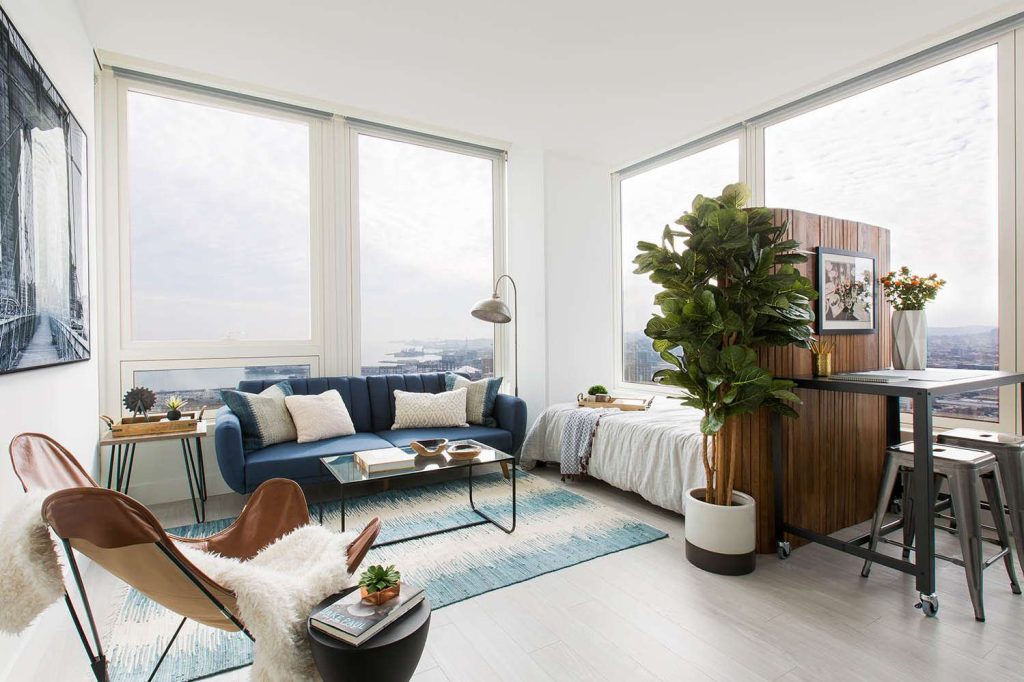
In a studio:
• Your bed is near your workspace
• Cooking smells travel instantly
• Noise separation is minimal
In a one bedroom:
• You can close the door
• You create mental separation between sleep and work
• Hosting guests is easier
The psychological value of space is often overlooked in pure budget calculations.
Resale and Subletting Flexibility
One bedroom apartments are generally easier to:
• Sublet
• Share with a partner
• Transition into long term living
Studios may be cheaper upfront, but 1 bedroom units often hold broader rental appeal if you need flexibility later.
Storage and Hidden Costs
Studios often require:
• Creative storage solutions
• External storage rentals
• Frequent decluttering
A storage unit can cost 50 to 150 dollars per month depending on size and location.
If you need extra storage due to limited space, that savings gap shrinks fast.
When a Studio Makes More Sense
Choose a studio if:
• You live alone and value minimalism
• You rarely work from home
• The rent gap exceeds 300 dollars
• You want the absolute lowest monthly expense
When a 1 Bedroom Is the Smarter Investment
Choose a one bedroom if:
• You work remotely
• You plan to stay more than one year
• The rent difference is under 200 dollars
• You want more privacy and flexibility
In many markets, cheap 1 bedroom apartments provide more long-term value than studios, especially if the price gap is small.
Best Time of Year to Find Cheap 1 Bedroom Apartments
Timing can be just as powerful as location when searching for cheap 1 bedroom apartments. Many renters focus only on price and ignore seasonality, but the rental market follows predictable cycles across the United States.
If you time your move correctly, you can often save hundreds of dollars per year.
Summer: Peak Pricing Season
May through August is the busiest rental period in the US.
Why rents rise in summer:
• College students relocating
• Families moving before school starts
• Warmer weather makes moving easier
• Higher demand gives landlords pricing power
During this period:
• More listings are available
• Competition is intense
• Landlords are less likely to negotiate
• Application approvals happen fast
You get more choices, but you usually pay more.
Fall: Balanced Opportunity
September through October offers a transition period.
By this time:
• Summer demand cools
• Some units remain vacant
• Landlords begin offering small concessions
You may find:
• Slightly lower rent
• Move-in specials
• Reduced application competition
This can be a smart window if you want options without peak pricing pressure.
Winter: The Hidden Discount Season
November through February is often the best time to find cheap 1 bedroom apartments.
Why winter works:
• Fewer people want to move in cold weather
• Holiday season reduces relocation activity
• Landlords want to avoid long vacancies
During winter:
• Negotiation power increases
• Concessions become common
• You may secure 1–2 months free on longer leases
The downside is fewer total listings. But if you are flexible, winter can produce the best value.
End of the Month Advantage
Many leases end at the end of a month.
If you search during the final week of the month:
• Landlords may be eager to fill vacancies quickly
• You can sometimes negotiate lower rent
• Application turnaround times speed up
This tactic works especially well in slower rental markets.
Economic Cycles Matter Too
Beyond seasonality, broader economic conditions affect rent.
Rent may soften when:
• Job growth slows
• New apartment buildings open
• Interest rates rise and reduce buyer demand
Rent rises when cities experience rapid job expansion, housing supply becomes tight, and migration increases in certain states
Monitoring local development news can give you early signals before prices adjust.
Month-by-Month Snapshot
January–February
Best negotiation power, fewer listings
March–April
Inventory increases, pricing begins rising
May–August
Highest prices, most competition
September–October
Moderate pricing, moderate availability
November–December
Lowest demand, strongest leverage
Strategic Timing Plan
If you want the best combination of price and selection:
• Start monitoring listings 90 days before your target move
• Negotiate during winter when possible
• Avoid peak summer if budget is tight
• Use lease expiration timing to your advantage
Timing is one of the most underrated tools in securing cheap 1 bedroom apartments.
Frequently Asked Questions About Cheap 1 Bedroom Apartments
This section answers the most searched questions renters have when looking for cheap 1 bedroom apartments in the United States. These are direct, practical answers designed to help you make smarter decisions.
What is the average rent for a 1 bedroom apartment in the US in 2026?
The national average rent for a 1 bedroom apartment typically falls between 1,300 and 1,600 dollars per month depending on the source and metro size. However, this varies significantly by region. In Midwest and Southern cities, one bedroom apartments can range from 750 to 1,000 dollars. In major coastal cities, prices can exceed 2,500 dollars. Always compare listings against your city’s median rent before deciding if something is truly cheap.
Is 1,200 dollars cheap for a 1 bedroom apartment?
It depends entirely on location. In cities like New York, Los Angeles, or Seattle, 1,200 dollars would be considered very cheap. In smaller cities like Tulsa or Toledo, 1,200 dollars may be above average. A good rule of thumb is to check whether the price is at least 15 to 25 percent below your local market average to determine if it qualifies as affordable.
How can I get approved for a cheap 1 bedroom apartment with bad credit?
If your credit score is low, you still have options. You can provide proof of stable income, show several months of savings, offer a larger security deposit, or use a cosigner. Some landlords prioritize income and rental history more than credit score. Being transparent about past issues and providing references from previous landlords can also improve your chances of approval.
Are income-restricted apartments worth it?
Income-restricted apartments can offer significantly lower rent compared to market-rate units, especially if you qualify based on household income. However, they often have waiting lists and strict documentation requirements. If you meet eligibility guidelines, these apartments can be a smart long-term solution for stable, affordable housing.
What states have the lowest rent for 1 bedroom apartments?
States in the Midwest and South generally offer the lowest rent. Oklahoma, Arkansas, Mississippi, Kansas, West Virginia, Indiana, and Alabama consistently rank among the most affordable. Within these states, mid-sized cities typically provide the best combination of safety, amenities, and low rent.
How much income do I need for a 900 dollar apartment?
Most landlords follow the three-times-rent rule. For a 900 dollar apartment, you would typically need a monthly income of at least 2,700 dollars before taxes. Some landlords may accept slightly lower income if you have strong credit or a cosigner.
Why are some 1 bedroom apartments so cheap?
Extremely low prices can result from several factors:
• Older buildings with minimal upgrades
• Location in less desirable neighborhoods
• Income-based housing programs
• Limited amenities
• Temporary move-in specials
If the price seems dramatically lower than nearby units, investigate carefully to rule out scams or hidden maintenance problems.
Is it better to rent in the city or the suburbs for affordability?
Suburban areas often provide larger units at lower rent compared to city centers. However, commuting costs and transportation should be factored into your total monthly expenses. In some cases, paying slightly more for a centrally located apartment can reduce overall transportation costs.
Final Thoughts Before You Start Your Search
Searching for cheap 1 bedroom apartments is not just about finding the lowest number on a listing site. It is about understanding market averages, qualifying strategically, avoiding hidden costs, timing your move wisely, and protecting yourself from scams.
When you combine smart location research, negotiation skills, and seasonal timing, you dramatically increase your odds of landing a safe, affordable one bedroom apartment that fits your budget long term.
Conclusion: How to Actually Win the Search for Cheap 1 Bedroom Apartments
At this point, you know something most renters do not.
Finding cheap 1 bedroom apartments is not about luck. It is not about refreshing listing sites every hour. And it is definitely not about jumping on the lowest number you see.
It is about strategy.
You now understand:
• What “cheap” really means in your specific market
• Which cities and states still offer realistic affordability in 2026
• Where to search beyond the obvious listing platforms
• How to qualify even if your credit or income is not perfect
• The hidden costs that can quietly inflate your monthly expenses
• How to avoid scams that target budget renters
• When timing your move can save you hundreds per year
• Whether a studio or 1 bedroom makes more financial sense long term
That combination of knowledge puts you ahead of most renters competing for the same apartments.
Here is the simple action plan:
First, check your city’s average rent and define what cheap means locally.
Second, expand your search radius by 10 to 20 miles.
Third, use multiple channels including Facebook Marketplace, Craigslist, and local property managers.
Fourth, prepare your documents before you apply.
Fifth, verify every listing before sending money.
Do that consistently and your chances of securing a safe, affordable one bedroom increase dramatically.
The rental market may feel aggressive, but it is predictable when you understand how it works.
Now it is your turn.
What city are you searching in?
What price range are you targeting?
Drop your location and budget, and use this guide as your roadmap. The next cheap 1 bedroom apartment you find could be the one that finally fits your life and your wallet.
