

Imagine this: You’re scrolling through flights for a weekend getaway. Every price makes your jaw drop. $350 to Chicago, $420 to Miami, $600 to Los Angeles. Your dream trip suddenly feels like a luxury you can’t afford.
Now imagine a completely different scenario. You open your inbox and see it: a $120 flight to Hawaii, leaving in three months. Your pulse quickens. You click. You book. You just saved hundreds of dollars, effortlessly. That’s the power of Scott Cheap Flights, the subscription service that turns everyday travelers into savvy deal hunters.
This isn’t a gimmick. It isn’t one of those vague “get cheap flights” articles that leave you confused and frustrated. In this guide, we’ll show you exactly how Scott Cheap Flights works, how to maximize every alert, and the insider strategies top travelers use to score the lowest fares in the US, every single time.
By the end, you’ll know:
- How to get alerts for the cheapest domestic and international flights
- Which cities and routes yield the biggest savings
- How to act fast before deals disappear
- Hacks that even seasoned travelers rarely share
Whether you’re planning a last-minute getaway, a dream vacation, or just want to travel smarter without breaking the bank, this guide is your ticket to stress-free, wallet-friendly flights.
What Is Scott Cheap Flights and How Does It Work

At its core, Scott Cheap Flights is not a booking site. It’s something far more powerful. It’s a deal-finding engine combined with human expertise that scans the internet for deeply discounted airfare and sends those opportunities straight to your inbox.
Instead of spending hours refreshing airline websites or comparing prices across multiple platforms, you let the system do the heavy lifting. And when a deal appears, you’re among the first to know.
That’s where the real advantage lies. Timing.
Most travelers search for flights when they already have fixed dates and destinations. By then, prices are often inflated. But Scott Cheap Flights flips that behavior. It encourages you to discover deals first, then plan your trip around them, which is exactly how people end up paying $150 for flights that normally cost $400.
How the Platform Actually Finds Cheap Flights
Behind every alert is a combination of technology and human analysts. The system constantly monitors airfare across hundreds of routes in the US and internationally. When something unusual happens, it gets flagged immediately.
These opportunities typically fall into three categories:
1. Mistake Fares
These are pricing errors made by airlines. Sometimes a missing zero or currency glitch leads to unbelievably low fares. These deals don’t last long, sometimes only a few hours.
2. Flash Sales
Airlines occasionally drop prices to fill empty seats. These are intentional but short-lived. Scott Cheap Flights catches them early.
3. Naturally Low Fares
Sometimes routes just dip below their usual price due to demand changes, competition, or seasonality. These aren’t mistakes, but they’re still major savings.
The key takeaway is simple.
You are no longer guessing when to book. You’re reacting to data-driven opportunities.

Free vs Premium Membership Explained
Scott Cheap Flights operates on a freemium model, meaning you can start without paying anything. But the experience changes significantly depending on your plan.
Free Plan
- Limited deal alerts
- Delayed notifications
- Fewer international deals
- Good for casual travelers
Premium Plan
- Immediate alerts
- Access to mistake fares
- More routes and destinations
- Higher-quality deals overall
If you travel even once or twice a year, the premium version often pays for itself with a single booking.

Why Acting Fast Matters More Than Anything
Here’s the part most people underestimate.
Cheap flight deals are not permanent. They are fleeting windows of opportunity.
When you receive an alert, you’re competing with thousands of other subscribers who got the same notification. Seats at that price are limited. Once they’re gone, the price jumps back up, sometimes within hours.
This is why successful users treat alerts like limited-time offers rather than suggestions.
If you hesitate, you lose.
If you act, you win.

How to Sign Up and Maximize Your Alerts with Scott Cheap Flights
Getting access to cheap flight deals is simple. But getting the right deals at the right time requires a bit more strategy. Most people sign up and hope for the best. Smart travelers set things up in a way that practically guarantees better results.
This section walks you through both.

Step 1: Create Your Account the Right Way
Start by visiting the official website and signing up with your email. That part takes less than a minute. But here’s what most guides won’t tell you.
Use an email address you actually check often.
Deals don’t wait. If your alerts sit unopened for hours, you’re already too late. Many of the best fares disappear quickly, especially mistake fares.

After signing up:
- Confirm your email immediately
- Move the first alert to your primary inbox if it lands in promotions
- Star or mark emails from Scott Cheap Flights as important
This ensures you never miss a deal because of email filtering.
Step 2: Choose the Right Departure Airports
This is where most users leave money on the table.
When selecting your home airport, don’t limit yourself to just one. Instead, include multiple nearby airports.
For example:
- Instead of only choosing Los Angeles, include nearby options like San Diego or even Las Vegas
- If you’re near New York, include JFK, LaGuardia, and Newark

Why this works:
Airfare pricing varies significantly between airports, even within the same region. Expanding your options increases your chances of catching a major deal.
Pro insight:
Some of the cheapest flights originate from less obvious airports because airlines use them to stay competitive.
Step 3: Set Your Travel Preferences Strategically
Once your airports are set, you’ll be asked about your travel preferences. This step looks simple, but it directly affects the quality of deals you receive.
Here’s how to optimize it:
- Select both domestic and international destinations if possible
- Avoid being overly specific with destinations
- Allow flexibility in travel times

The more open you are, the better your deals will be.
If you only choose one destination, you limit the system’s ability to find discounts. But if you stay flexible, you unlock opportunities you didn’t even know existed.
Step 4: Upgrade Smartly to Premium (When It Makes Sense)
You can absolutely start with the free plan. But if your goal is to consistently find the best deals, upgrading changes everything.
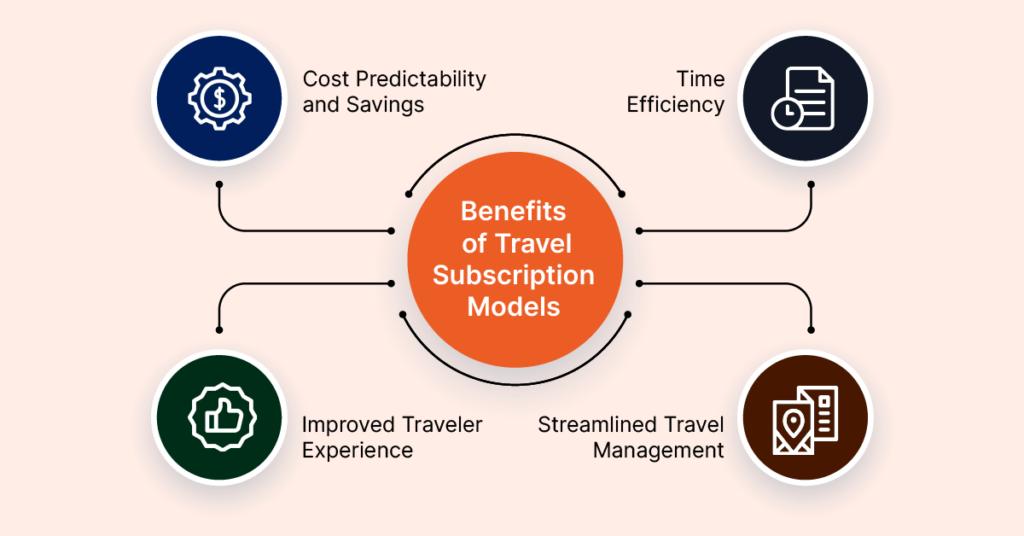
Premium users get:
- Faster alerts
- Access to mistake fares
- Better international deals
- Higher overall savings
Here’s the key strategy.
Sign up for free first. Watch the types of deals you receive. If you notice strong offers but feel like you’re missing out on better ones, that’s your signal to upgrade.
Most frequent travelers recover the cost of premium from a single booking.
Step 5: Set Up a System So You Never Miss a Deal
Signing up is only half the process. The real advantage comes from how quickly you respond.
To stay ahead:
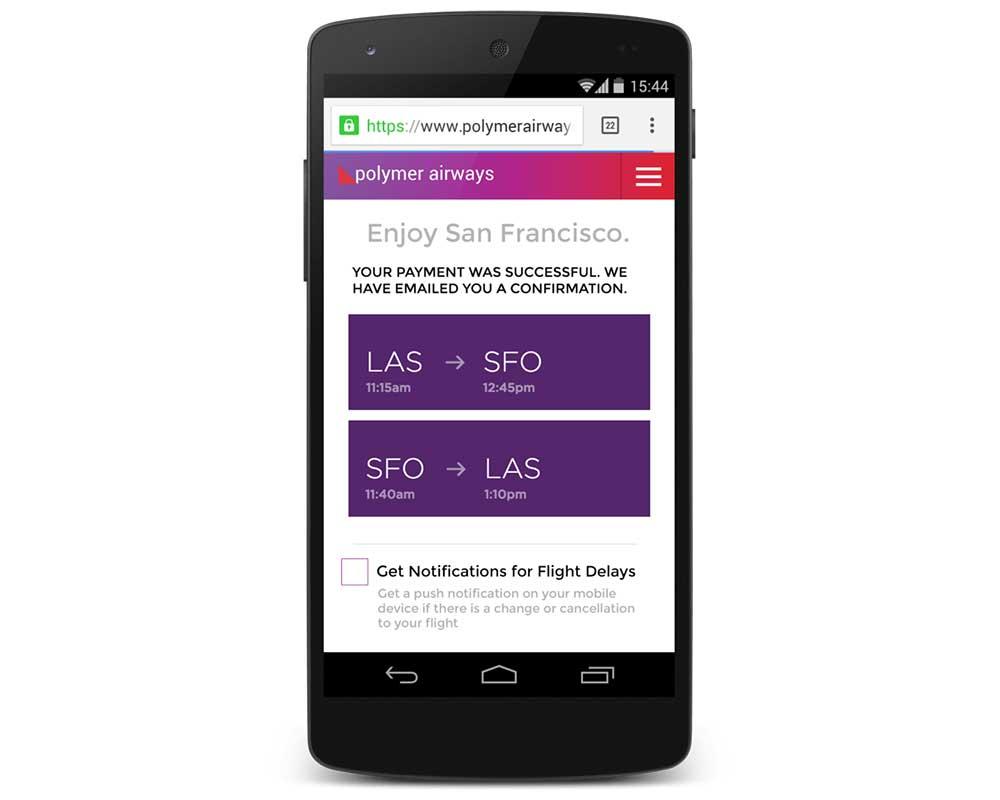
- Enable email notifications on your phone
- Check alerts as soon as they arrive
- Keep a rough travel budget ready
- Be mentally prepared to book quickly
Think of it like this.
Scott Cheap Flights gives you the opportunity. Your speed determines whether you actually benefit from it.
Understanding Flight Deals and How to Pick the Best Ones with Scott Cheap Flights
Getting alerts is one thing. Knowing whether a deal is actually worth your money is where most travelers either win big or quietly overpay.
Not every “cheap” flight is a true bargain. Some are slightly discounted. Others are rare opportunities that can save you hundreds. The difference comes down to how well you understand what you’re looking at.
This is where you separate casual users from smart travelers.

How to Read a Flight Deal Like a Pro
Every alert from Scott Cheap Flights contains key information. But most people skim it. That’s a mistake.
Here’s how to read it properly:
- Price: Compare it mentally to what you’d normally expect. A $250 domestic flight might be average, but a $120 one is a deal.
- Dates: Look for flexibility. The best deals often fall mid-week or off-season.
- Airlines: Check if it’s a reputable airline or a budget carrier with extra fees
- Stops: Nonstop flights are more valuable, even if slightly more expensive
- Booking window: Some deals must be booked within hours
When you train your eye to scan these details quickly, decision-making becomes almost instant.

What Counts as a “Real” Cheap Flight in the US
A deal only makes sense when you understand the baseline.
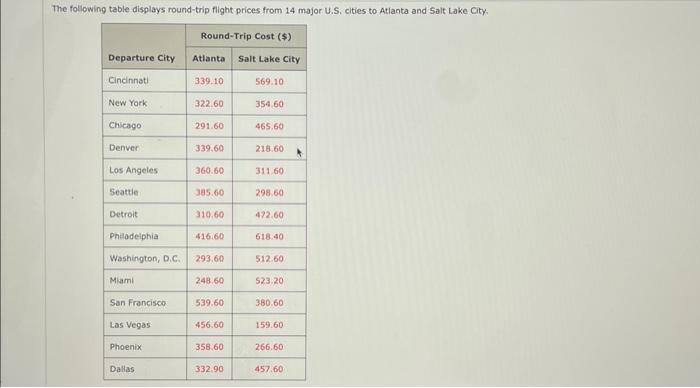
Here’s a rough guide for US travelers:
- Short domestic flights:
Normal: $150 to $300
Deal: $50 to $120 - Cross-country flights:
Normal: $300 to $600
Deal: $120 to $250 - International flights from the US:
Normal: $600 to $1,200
Deal: $300 to $600
If you see prices significantly below these ranges, you’re looking at a strong deal.
This context is what allows you to act quickly without second-guessing yourself.
How to Verify Deals Using Google Flights and Hopper
Even when a deal looks good, it’s smart to double-check it. This takes less than a minute but can save you from booking too quickly on a mediocre fare.
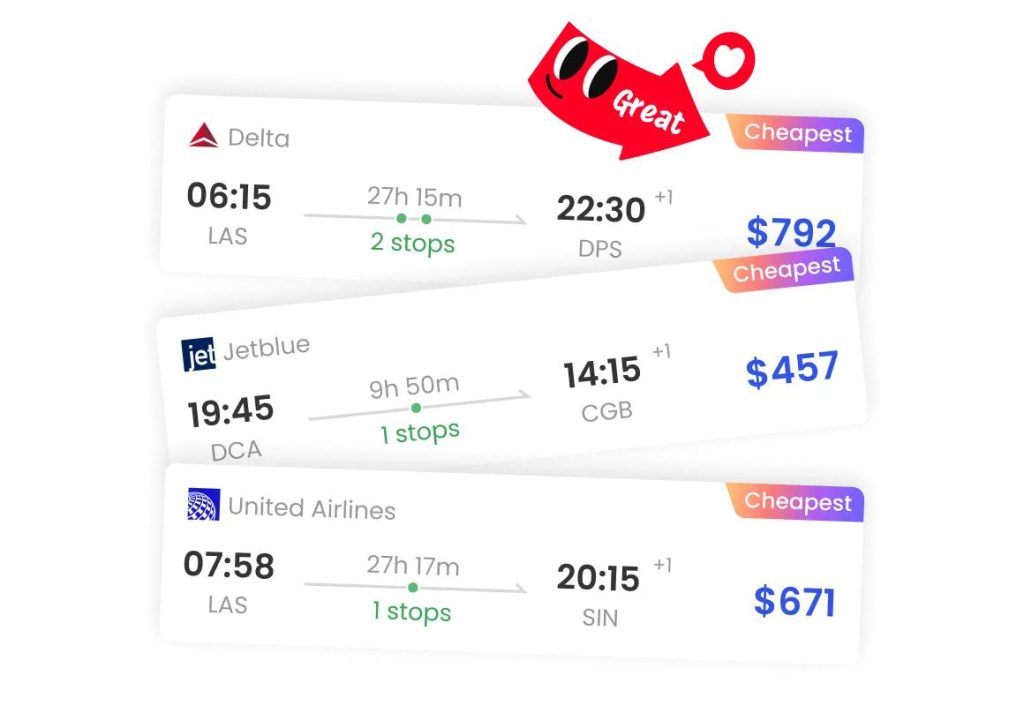
Use tools like Google Flights or Hopper to:
- Compare the same route across multiple dates
- Check if the price is unusually low
- View price trends over time
If the alert price is clearly lower than surrounding dates, you’ve likely found a genuine bargain.
Pro insight:
Google Flights’ calendar view is one of the fastest ways to confirm whether a deal is exceptional or just average.
Timing Is Everything: When to Book After an Alert
You’ve identified a great deal. Now comes the most critical decision.
When should you book?
The answer is simple.
As soon as possible.
Cheap flight deals don’t follow a predictable schedule. Once they appear, they can disappear just as quickly.
Here’s a general rule:
- Mistake fares: Book immediately
- Flash sales: Book within a few hours
- Regular deals: Same day is safest
Waiting even a day can mean losing the price entirely.

Red Flags That a Deal Might Not Be Worth It
Not every low price is a good experience. Sometimes the cheapest option comes with trade-offs that make the trip frustrating.
Watch out for:
- Extremely long layovers
- Multiple stopovers that extend travel time
- Hidden baggage fees
- Basic economy restrictions like no seat selection or no changes

A slightly higher fare with better conditions can often be the smarter choice.
Top Tips for Using Scott Cheap Flights in the US
By now, you understand how Scott Cheap Flights works and how to identify real deals. But if you want to consistently save hundreds on airfare, you need more than basic knowledge. You need strategy.
These are the same tactics experienced travelers use to turn occasional savings into a repeatable system.

Be Flexible with Dates and Travel Times
Flexibility is the single most powerful factor in finding cheap flights.
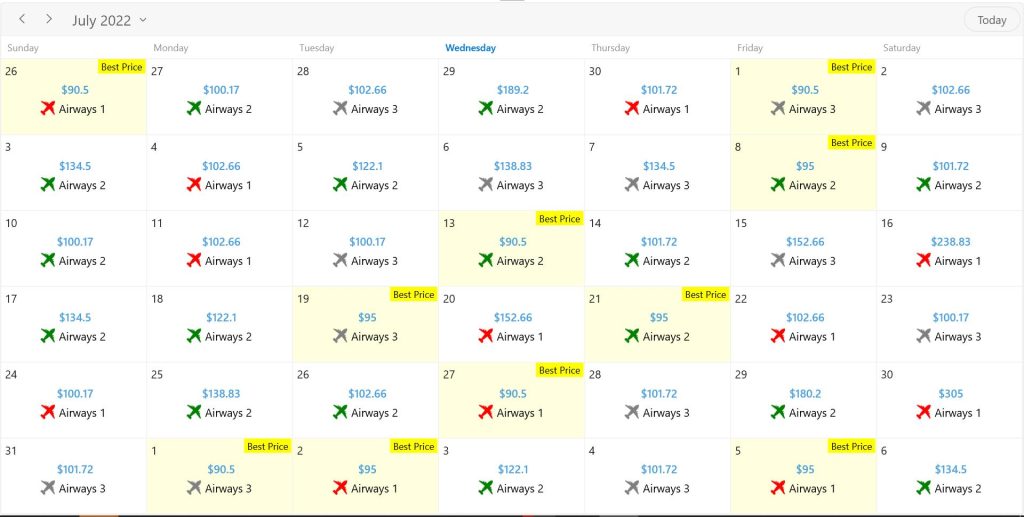
Flights on Tuesdays, Wednesdays, and Saturdays are often cheaper than peak travel days like Fridays and Sundays. Early morning and late-night departures also tend to cost less.
If you lock yourself into specific dates, you limit your chances of catching a deal. But if you stay open, you give Scott Cheap Flights more opportunities to deliver serious savings.
Simple mindset shift:
Don’t ask “When do I want to travel?”
Ask “When is it cheapest to travel?”
Use Multiple Departure Airports to Your Advantage
One of the most overlooked strategies is using more than one airport.
Airfare pricing isn’t uniform. A flight from one airport might cost $300, while the same route from a nearby airport could be $180.
For example:
- Travelers near New York should include JFK, LaGuardia, and Newark
- Those in California can compare Los Angeles, San Diego, and even Las Vegas
- Midwest travelers can check Chicago, Milwaukee, or Indianapolis

Adding just one extra airport can unlock deals you would have otherwise missed.
Stack Scott Cheap Flights with Tools Like Google Flights and Hopper
Scott Cheap Flights finds the deals. But combining it with other tools makes your strategy even stronger.
Here’s how to stack them effectively:
- Use Google Flights to verify flexibility across multiple dates
- Use Hopper to check if prices are likely to drop further
- Compare routes quickly before booking
This combination gives you confidence that you’re not just getting a deal, but the best possible deal.

Pro insight:
The fastest travelers use Scott Cheap Flights for discovery and Google Flights for confirmation.
Think Destination-First Instead of Date-First
This is where the biggest savings happen.
Most travelers choose a destination first, then search for flights. That approach usually leads to higher prices.
Instead, let the deals guide your decisions.
If you see a $150 flight to Miami or a $300 flight to Europe, consider planning your trip around that opportunity.
This mindset unlocks destinations you may not have considered and saves you significantly more money.
Act Fast but Stay Smart
Speed matters, but reckless booking doesn’t.
When a deal appears:
- Confirm it quickly using Google Flights
- Check basic details like baggage and layovers
- Book as soon as you’re confident
The goal is to balance urgency with awareness.
Waiting too long means losing the deal. But rushing without checking details can lead to a poor travel experience.

Why These Tips Give You an Edge
Most people use Scott Cheap Flights passively. They sign up, receive emails, and occasionally book a deal.
But when you apply these strategies, you move into a different category of traveler.
You become someone who:
- Consistently finds lower fares
- Understands pricing patterns
- Makes faster, smarter booking decisions
That’s how occasional savings turn into a long-term advantage.
How Much Can You Really Save with Scott Cheap Flights

This is the question most people care about before they commit.
Is it actually worth it?
The short answer is yes. But the real value becomes clear when you see how much travelers typically save when they consistently act on the right deals.
Cheap flights are not about shaving off ten or twenty dollars. The real advantage lies in massive price drops that happen quietly, often without the average traveler noticing.
Realistic Savings for Domestic US Flights
For domestic travel, the savings can be surprisingly significant, especially on popular routes.
Here’s what most travelers experience:
- Short-haul flights
Normal price: $150 to $300
Deal price: $50 to $120
Typical savings: $80 to $200 - Cross-country flights
Normal price: $300 to $600
Deal price: $120 to $250
Typical savings: $150 to $350
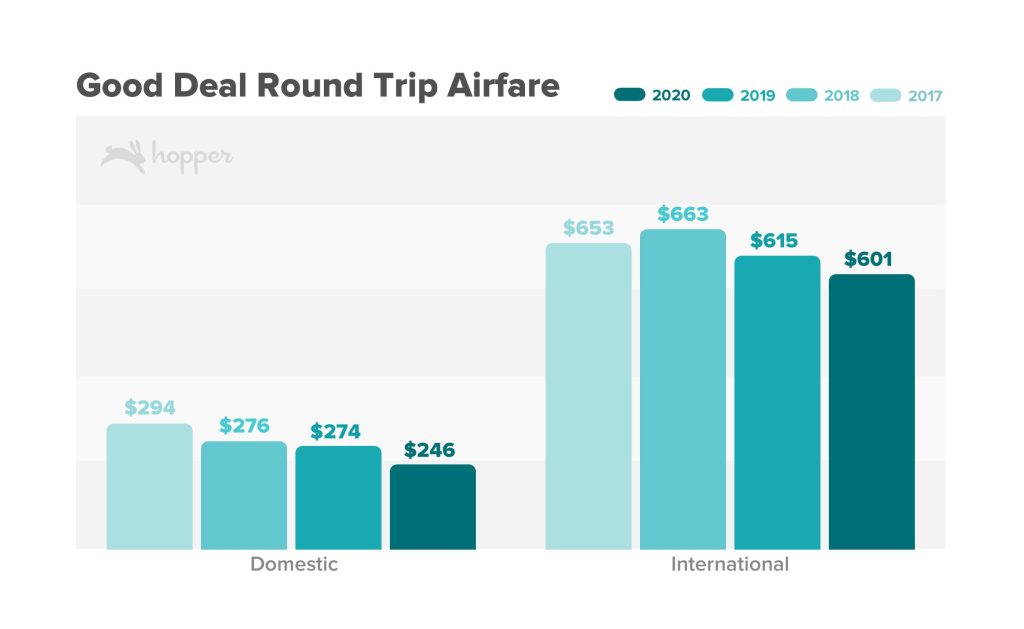
These aren’t rare scenarios. These deals appear regularly, especially if you monitor multiple departure airports and stay flexible with dates.
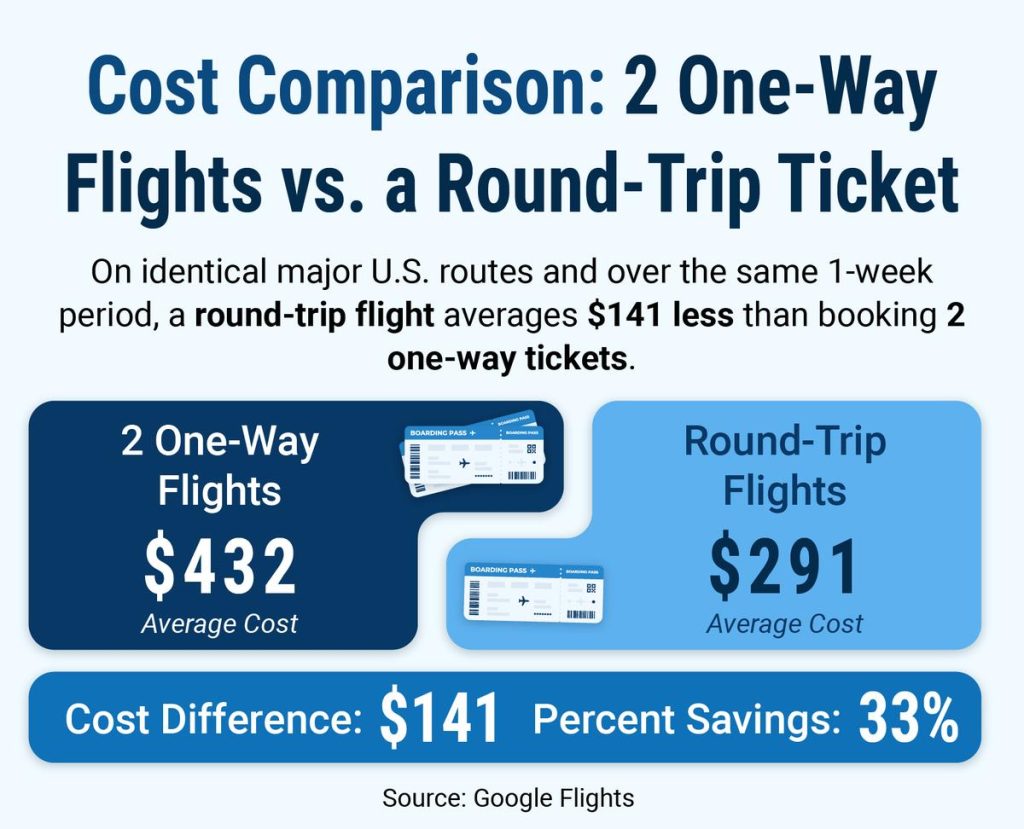
A single round-trip booking can easily cover the cost of a premium subscription.
International Flights: Where the Biggest Wins Happen
If domestic savings are impressive, international deals are where things get truly exciting.
Flights that usually cost $800 or more can drop dramatically when the right conditions align.
Typical examples include:
- US to Europe
Normal: $600 to $1,200
Deal: $300 to $500 - US to Asia
Normal: $700 to $1,400
Deal: $400 to $700 - US to South America
Normal: $500 to $900
Deal: $250 to $450

These are the deals that create those stories you hear about. Someone casually booking a trip to Paris or Tokyo for half the usual price.
And the key difference is simple. They didn’t search for it. They waited for the deal to find them.
Real-World Scenario: What One Deal Can Save You
Let’s break this down into a simple scenario.
A traveler receives an alert for a round-trip flight from New York to Los Angeles.
- Regular price: $420
- Deal price: $180
- Savings: $240
Now multiply that across two or three trips per year.

That’s easily $500 to $1,000 saved annually without changing much about how you travel.
And if you catch an international deal, the savings can be even higher from just one booking.
Price Comparison Table (Quick Scan)
Here’s a simplified breakdown for quick reference:
| Route Type | Normal Price | Deal Price | Average Savings |
|---|---|---|---|
| Short Domestic | $150 to $300 | $50 to $120 | $80 to $200 |
| Cross-Country | $300 to $600 | $120 to $250 | $150 to $350 |
| US to Europe | $600 to $1,200 | $300 to $500 | $300 to $700 |
| US to Asia | $700 to $1,400 | $400 to $700 | $300 to $800 |
This table gives you a clear benchmark so you can instantly recognize a good deal when it appears.
Why Most People Don’t See These Savings
If these savings are real, why doesn’t everyone benefit from them?
Because most travelers:
- Search too late
- Stick to fixed dates
- Ignore alternative airports
- Miss alerts or hesitate too long
Cheap flights reward flexibility and speed. Without those two factors, even the best tools won’t help much.

Common Mistakes to Avoid When Using Scott Cheap Flights
Even with the best tools at your disposal, it’s easy to make small mistakes that cost you big savings.
The truth is simple. Most people don’t fail because Scott Cheap Flights doesn’t work. They fail because they use it the wrong way.
Avoid these common mistakes, and you instantly put yourself ahead of the majority of travelers.

Waiting Too Long to Book After an Alert
This is the number one mistake, and it’s the most expensive one.
You see a deal. You think about it. You tell yourself you’ll check later. By the time you come back, the price is gone.
Cheap flights operate on a short window. Sometimes just a few hours.
The fix is straightforward:
- If the deal fits your budget and schedule, book it
- Use free cancellation policies when available
- Decide quickly, not perfectly
Being Too Rigid with Dates and Destinations
If you only want to travel on specific dates to one specific location, you’re limiting the system’s ability to help you.
Cheap flight deals reward flexibility. The more open you are, the more opportunities you’ll see.
Instead of locking everything in, try this:
- Keep your destination flexible
- Be open to traveling mid-week
- Consider off-season travel
Flexibility is often the difference between paying $500 and paying $200.
Ignoring Nearby Airports
Many travelers stick to the closest airport out of convenience.
But airfare pricing doesn’t work that way. Nearby airports can have completely different pricing for the same route.
For example:
- Flying from a neighboring city might save you hundreds
- Budget airlines often operate from secondary airports
- Competition between airports drives prices down
A short drive can translate into significant savings.
Not Checking the Fine Print
A cheap ticket isn’t always a good ticket.
Some deals come with restrictions that can affect your experience:
- No checked baggage included
- No seat selection
- No changes or refunds
- Long or overnight layovers
Always take a few seconds to review the details before booking.
Spending slightly more for better conditions can sometimes be the smarter decision.
Relying Only on One Tool
Scott Cheap Flights is powerful, but it works best when combined with other tools like Google Flights and Hopper.
These tools help you:
- Confirm deal quality
- Explore alternative dates
- Track price trends
Using multiple resources ensures you’re making informed decisions, not just fast ones.
Overthinking Every Decision
Perfection is the enemy of savings.
Many travelers hesitate because they want the absolute best deal possible. But in reality, a great deal today is often better than a perfect deal that never comes.
If the price is significantly lower than average and fits your plans, that’s enough reason to book.
The goal isn’t perfection. It’s consistency.
Why Avoiding These Mistakes Changes Everything
Most people use Scott Cheap Flights casually. They sign up, glance at emails, and occasionally book something.
But when you eliminate these mistakes, your results change dramatically.
You become someone who:
- Spots deals instantly
- Acts with confidence
- Saves consistently
That’s the real difference between occasional savings and mastering cheap travel.
Insider Hacks for Pro Travelers Using Scott Cheap Flights
At this point, you already know how to use Scott Cheap Flights effectively. But if you want to unlock its full potential, you need to think like a pro traveler.
These are not basic tips. These are the strategies frequent flyers use to consistently find the lowest fares, often without spending hours searching.
Use the Calendar View on Google Flights to Spot Hidden Deals
When you receive a deal alert, don’t just check one date.
Open Google Flights and switch to the calendar view. This instantly shows you price variations across an entire month.
Here’s what this reveals:
- Even cheaper dates than the alert suggests
- Patterns in pricing fluctuations
- Opportunities to extend or shorten your trip for savings
Sometimes shifting your trip by just one or two days can cut your cost even further.
Set Alerts for Multiple Cities at Once
Most users stick to one departure city. That’s a limitation.
Pro travelers expand their reach by adding multiple cities, even ones that require a short flight or drive to reach.
Why this works:
- Different cities get different deals
- Airlines price routes differently based on competition
- You increase your chances of catching rare discounts
For example, a cheap international flight might appear from Chicago but not from your home airport. A short domestic connection can still make the overall trip cheaper.
Take Advantage of Error Fares Before They Disappear
Error fares are the holy grail of cheap travel.
These are mistakes in airline pricing systems that result in extremely low fares, sometimes hundreds of dollars below normal.
But there’s a catch. They don’t last.
If you see one:
- Book immediately
- Avoid contacting the airline right away
- Wait before making additional plans until the ticket is confirmed
These deals are rare, but when they appear, they offer some of the biggest savings possible.
Combine Deals with Credit Card Rewards and Points
One of the smartest ways to maximize savings is stacking deals with rewards.
If you have a travel credit card or airline miles, you can:
- Use points to reduce already discounted fares
- Offset taxes and fees
- Upgrade your travel experience at a lower cost
This turns a good deal into an exceptional one.
For frequent travelers, this strategy can reduce flight costs dramatically over time.
Book Now, Plan Later Strategy
This mindset separates average users from advanced travelers.
Instead of planning every detail before booking, pros often do the opposite.
They:
- Book the deal immediately
- Plan accommodations and activities afterward
This works because the flight is usually the most expensive part of a trip. Locking in a cheap fare gives you flexibility to build the rest of your plans around it.
Monitor Seasonal Trends and Patterns
Experienced travelers don’t rely on luck. They understand patterns.
Certain times of the year consistently produce better deals:
- Late winter for spring travel
- Early fall for holiday planning
- Off-peak seasons for international trips
By recognizing these patterns, you can anticipate deals instead of just reacting to them.
Frequently Asked Questions About Scott Cheap Flights

Does Scott Cheap Flights Really Find the Cheapest Flights?
Yes, but with an important clarification.
Scott Cheap Flights does not guarantee the absolute lowest price on every route at every moment. What it does exceptionally well is identify fares that are significantly lower than the average market price.
In many cases, these deals are hundreds of dollars cheaper than what most travelers would find on their own.
Is Scott Cheap Flights Free to Use?
Yes, there is a free version available.
However, the free plan comes with limitations such as fewer alerts and delayed notifications. The premium version unlocks faster alerts and access to better deals, especially for international travel.
For occasional travelers, the free plan may be enough. For frequent travelers, premium is where the real value lies.
How Fast Do I Need to Book After Getting an Alert?
In most cases, as quickly as possible.
Some deals last a few hours, while others may last a day or two. But the best deals, especially mistake fares, disappear very fast.
If the price fits your budget and schedule, it’s usually best to book immediately.
Can I Use It for Domestic Flights Within the US?
Absolutely.
While many people focus on international deals, Scott Cheap Flights also provides strong discounts on domestic routes.
Flights between major cities like New York, Los Angeles, Chicago, and Miami often show significant price drops when conditions are right.
Is It Better Than Searching on Google Flights or Hopper?
It serves a different purpose.
Scott Cheap Flights is designed for finding deals you weren’t actively searching for, while Google Flights and Hopper are tools for searching and verifying prices.
The best strategy is to use them together:
- Scott Cheap Flights for discovering deals
- Google Flights for confirming and comparing
- Hopper for predicting price trends
Are There Any Risks with Cheap Flight Deals?
Most deals are completely legitimate, but there are a few things to watch for:
- Basic economy restrictions
- Additional baggage fees
- Long layovers or inconvenient routes
These aren’t deal-breakers, but they are details you should review before booking.
Is the Premium Plan Worth It?
For most travelers, yes.
If you book even one or two trips per year, the savings from a single deal can easily exceed the cost of the subscription.
The real advantage comes from faster alerts and access to better deals, which increases your chances of booking before prices rise.
Conclusion: Turn Flight Deals Into Real Savings with Scott Cheap Flights
At this point, one thing should be clear. Finding cheap flights is not about luck. It is about strategy, timing, and using the right tools.
Scott Cheap Flights gives you access to opportunities most travelers never see. But the real advantage comes from how you use it.
If you stay flexible, act quickly, and combine the platform with tools like Google Flights and Hopper, you position yourself to consistently pay less for airfare.
And over time, those savings add up in a way that completely changes how you travel.
What You Should Remember Moving Forward
The most successful users follow a simple pattern:
- They stay flexible with dates and destinations
- They monitor multiple airports
- They act fast when deals appear
- They verify deals quickly before booking
- They avoid overthinking and trust strong opportunities
This is not complicated. But it does require consistency.
When you apply these principles, cheap flights stop being rare wins and start becoming your normal experience.
Your Next Step Starts Now

If you’ve made it this far, you already understand more than most travelers.
Now it’s time to take action.
Sign up, set your preferences correctly, and start watching the deals come in. The first time you book a flight for half the usual price, everything clicks.
You realize something important.
Travel was never as expensive as it seemed. You just needed access to the right information at the right time.
Final Thought
Cheap flights are everywhere. Most people just don’t see them. But with Scott Cheap Flights, you do.
