

Imagine this: You walk into a store, see a shelf full of items labeled “cheap,” and your heart races. Could you actually snag something useful without wasting money? Buying cheap stuff sounds easy, but the truth is, most shoppers end up with broken gadgets, low-quality clothing, or food that barely lasts a week. Wasting money hurts, especially when you thought you were saving it.
Welcome to the ultimate guide to find cheap stuff in the US for 2026. This isn’t a boring list of items. This is a human-centric guide built to save you time, money, and frustration. By the end of this article, you’ll know:
-
Which cheap items are actually worth buying
-
How to avoid products that break too soon
-
The best stores to find cheap stuff near you
-
How to shop online and in-person like a pro
-
Tips to make cheap items last longer
Whether you’re a student on a budget, a parent trying to stretch every dollar, or just a savvy shopper hunting for deals, this guide will help you shop smarter, not just cheaper.
Buying cheap stuff doesn’t have to mean compromising quality or style, it just takes knowledge, a little strategy, and insider tips that most shoppers never learn. Ready to turn your dollar into the smartest purchase of the year? Let’s dive in.
What Makes Stuff Cheap (And When It’s Actually Worth It)

When people search for cheap stuff in the US, they usually assume one thing: low price equals low quality. That assumption is sometimes true, but not always. Understanding why something is cheap helps you avoid regret purchases.
There are five main reasons products are priced cheaply in the US market:
Mass production
When items are produced in enormous quantities, the cost per unit drops. Think of basic phone chargers, plain t-shirts, or kitchen utensils. These are inexpensive because millions are made daily.
Minimal branding
Big brands charge extra for logos and marketing. Store brands and generic alternatives often cost less simply because they don’t spend millions on advertising.
Older models
Electronics especially drop in price when a new version is released. Last year’s model may be 40 percent cheaper but still perform nearly the same.
Lower material quality
This is where caution is needed. Some cheap stuff uses thinner fabrics, weaker plastic, or fewer safety checks.
Clearance and overstock
Retailers like Walmart and Target heavily discount seasonal or overstocked items just to move inventory.
Cheap becomes worth it when:
-
The item isn’t meant for heavy long-term use
-
It has solid reviews
-
The material matches your expectations
-
It has a return policy
Cheap becomes a mistake when:
-
It’s something safety-related like electrical wiring or car parts
-
You expect premium durability
-
Reviews mention frequent breakage
Understanding this difference dramatically increases smart shopping confidence.
How to Choose Cheap Stuff Without Getting Scammed

Buying cheap stuff in the US can feel like walking a tightrope. On one side, you have genuine bargains that save you hundreds of dollars a year. On the other side, you have low-quality products, misleading discounts, counterfeit goods, and sellers who disappear the moment something goes wrong.
If you want to shop cheaply without regret, you need a system. Not luck. Not impulse. A system.
Here’s how experienced bargain hunters protect themselves.
1. Understand the Difference Between Cheap and Suspiciously Cheap
There’s a difference between a good deal and a red flag.
A product is reasonably cheap when:
-
It’s a store brand or generic version
-
It’s on clearance or seasonal markdown
-
It’s last year’s model
-
It’s part of a bulk discount
A product is suspiciously cheap when:
-
The discount is extreme compared to competitors
-
The seller has very few reviews
-
The product photos look inconsistent or low resolution
-
The listing description is vague or poorly written
If a $120 electronic device is suddenly $19 from an unknown seller, pause. Real discounts usually range from 10 percent to 50 percent. Massive 80–90 percent discounts are rare outside of clearance liquidation events.
2. Read Reviews the Smart Way
Most shoppers skim reviews. Smart shoppers analyze them.
Here’s how to do it properly:
Look for patterns
If multiple buyers mention the same issue, such as battery failure or fabric tearing, that issue is probably real.
Sort by most recent
Product quality can change over time. Always check the latest reviews to see if manufacturing declined.
Check photo reviews
Customer-uploaded photos reveal what the product actually looks like in real life.
Ignore extreme emotions
One-star and five-star reviews can sometimes be emotional. Focus on balanced three- and four-star reviews for realistic feedback.
If a product has thousands of reviews with a 4+ rating and detailed comments, that’s generally safer than a product with only five reviews.
3. Always Check the Return Policy
Return policies are your safety net when buying cheap stuff.
Before purchasing, confirm:
-
How many days you have to return
-
Whether return shipping is free
-
If refunds are cash or store credit
-
Whether electronics have restocking fees
Major US retailers like Walmart, Target, and Amazon usually offer structured return policies. Smaller independent online sellers may not.
If there’s no return policy listed, assume risk is high.
4. Inspect Materials and Build Quality
When shopping in physical stores, take 60 seconds to inspect the item.
For clothing:
-
Check stitching consistency
-
Pull lightly on seams
-
Feel the fabric thickness
For kitchenware:
-
Check weight and balance
-
Look for uneven coating
-
Ensure handles are firmly attached
For electronics:
-
Look for certification marks like UL
-
Check port alignment
-
Examine cable thickness
Cheap does not always mean fragile, but poor construction is usually easy to spot if you look closely.
5. Compare Unit Price, Not Just Shelf Price
A classic scam in retail is misleading packaging sizes.
Example:
A smaller cereal box may appear cheaper at $3.99, but the larger box at $5.99 might cost less per ounce.
Always check:
-
Price per ounce
-
Price per pound
-
Price per unit
Grocery stores in the US usually display this information on shelf labels. Comparing unit price prevents you from falling for packaging tricks.
6. Verify Seller Credibility Online
When shopping online, especially on marketplaces, check:
Seller rating percentage
How long the seller has been active
Number of completed transactions
Clear contact information
Avoid:
-
Brand-new sellers with zero feedback
-
Sellers with repeated complaints about fake products
-
Listings that redirect outside the platform for payment
Never send payment through direct bank transfer for online marketplace purchases. Use secure platform checkout systems.
7. Watch for Fake Discounts and Marketing Tricks
Retailers often use psychological pricing to make deals look better than they are.
Common tactics include:
Fake “original price”
Some stores inflate the original price to make the discount appear larger.
Limited-time pressure
Countdown timers create urgency even if the sale repeats weekly.
Bundle confusion
Bundles sometimes include filler items that inflate perceived value.
Before buying, quickly search the product on another retailer’s website. If pricing is similar everywhere, it may not be a true deal.
8. Avoid Impulse Buying Triggers
Cheap pricing activates emotional spending.
Clearance racks, “last item” labels, and flashing online deal banners are designed to create urgency.
Try this rule:
If the item costs more than $25 and you didn’t plan to buy it, wait 24 hours.
Many impulse cheap purchases end up unused. The cheapest item is the one you never needed.
9. Check Warranty on Budget Electronics
Even cheap electronics should offer some protection.
Look for:
-
30-day return minimum
-
90-day limited warranty
-
Manufacturer contact information
If an electronic item offers zero warranty, assume the risk is higher.
For higher-value cheap electronics like refurbished laptops or phones, warranty matters even more.
10. Avoid Safety-Critical Cheap Purchases
Some categories should not be bought ultra-cheap:
Car safety parts
Electrical wiring
Space heaters
Baby equipment
Medical devices
Saving $15 is not worth risking safety. Choose certified and reviewed products in these categories.
11. Trust Your Instincts
If something feels off, it usually is.
Red flags include:
-
Poor grammar in listings
-
Stock images only, no real photos
-
Confusing return instructions
-
No brand identity at all
Cheap shopping should feel smart, not stressful.
Final Thought on Avoiding Scams
The goal is not to avoid cheap stuff. The goal is to avoid cheap mistakes.
Smart shoppers:
-
Research briefly but thoroughly
-
Compare before buying
-
Inspect quality
-
Understand return policies
-
Control impulse triggers
When you apply these habits consistently, you transform from a bargain hunter into a strategic buyer.
Cheap stuff becomes a tool for saving money, not a trap that drains it.
Cheap Electronics That Are Actually Worth Buying
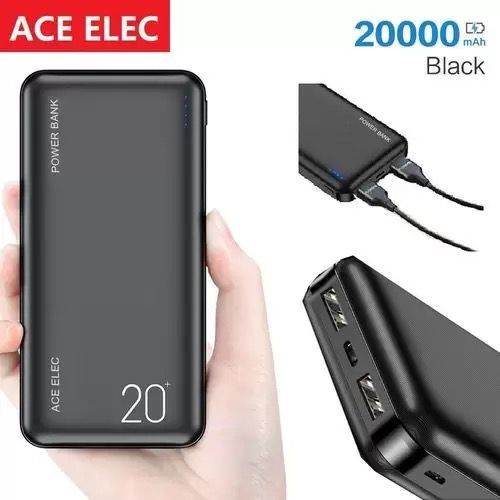
Electronics are one of the most searched categories under cheap stuff. But they can also be risky.
Safe cheap electronics:
Phone chargers and cables
Portable power banks
Bluetooth earbuds from reputable budget brands
Smart plugs
LED light strips
Avoid extremely cheap:
Laptop batteries
Extension cords without certification
No-name phone batteries
Electrical appliances without safety labels
Pro tip: Always check for certification marks like UL in the US.
Buying last year’s electronics model can save you hundreds without sacrificing performance.
Cheap Clothing That Doesn’t Fall Apart

Clothing is where cheap shopping can shine.
Best cheap clothing strategies:
Stick to basics
Solid colors last longer stylistically.
Check fabric blend
Cotton blends often last longer than ultra-thin polyester.
Shop outlets and clearance racks
Outlet malls and off-price stores often sell brand overstock at huge discounts.
Avoid ultra-trendy fast fashion pieces if you want durability.
Wash gently and air dry to extend lifespan.
Cheap Home and Kitchen Items That Are Actually Worth Buying
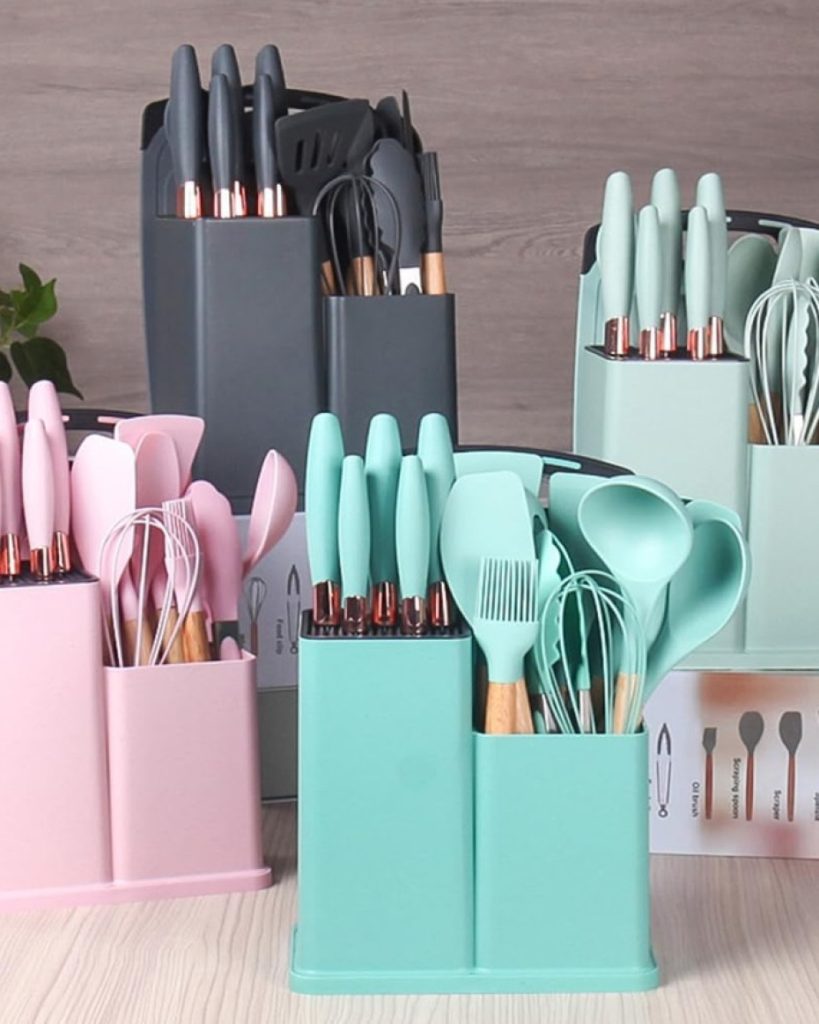
Home and kitchen items are one of the smartest categories for buying cheap stuff in the US. Why? Because many everyday items do not need premium pricing to perform well.
Cheap Home Items Worth Buying
Basic kitchen utensils
Spatulas, measuring cups, mixing bowls, and cutting boards are often mass-produced and affordable without sacrificing function.
Cleaning supplies
Sponges, microfiber cloths, spray bottles, and scrub brushes can be bought cheaply and replaced when worn.
Storage bins and organizers
Plastic storage containers and closet organizers often perform just as well as expensive branded versions.
Basic decor
Throw pillows, frames, small lamps, and wall art can be sourced affordably without affecting long-term durability.
What to Avoid Buying Too Cheap
Cookware that feels extremely lightweight
Very thin pans may warp quickly.
Electrical kitchen appliances without safety certification
Blenders and air fryers must meet US safety standards.
Cheap knives with poor handles
Poor balance and weak materials create safety risks.
Smart Buying Tip
Check the weight of cookware. A heavier pan usually indicates thicker material, which means better heat retention and longer lifespan.
When buying cheap stuff for your home, focus on function over brand. Most daily-use kitchen tools don’t require premium pricing to work effectively.
Cheap Groceries and Food That Stretch Your Dollar
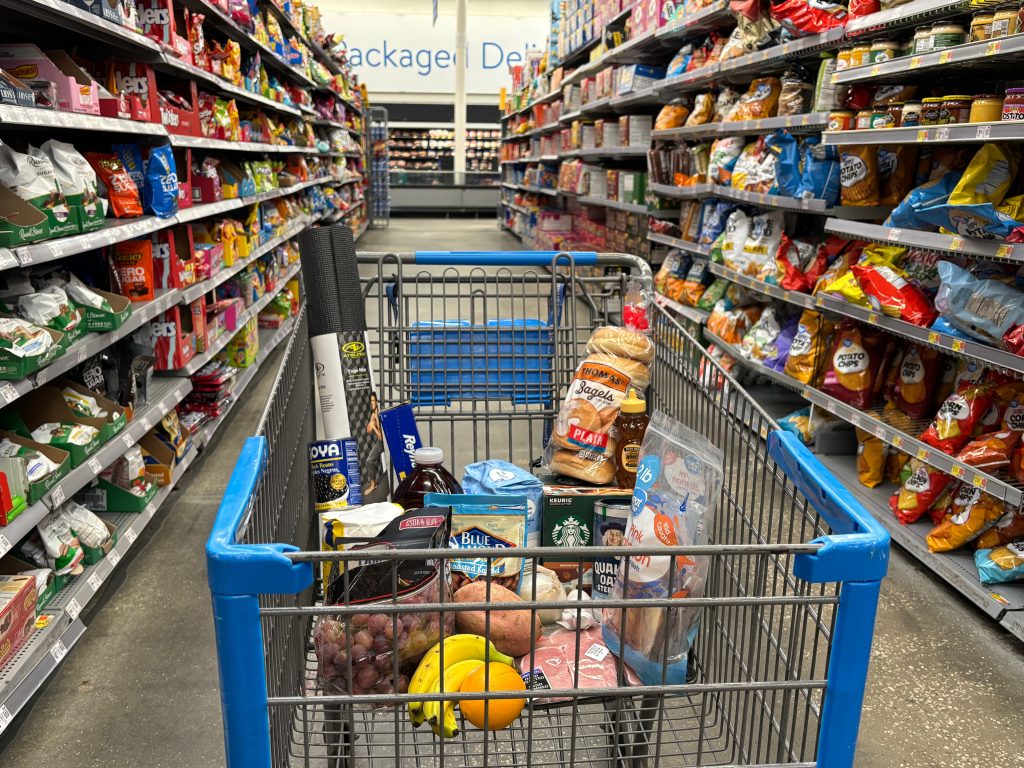
Food is one of the most searched cheap stuff categories in the US because grocery prices continue rising.
Cheap Foods That Deliver Value
Rice and beans
High in nutrients and extremely affordable.
Eggs
One of the cheapest protein sources available.
Frozen vegetables
Often cheaper and last longer than fresh produce.
Store-brand cereals and snacks
Usually made by the same manufacturers as name brands.
Oats
Inexpensive and versatile for breakfast or baking.
Smart Grocery Strategies
Buy in bulk for non-perishables
Compare unit price, not shelf price
Shop seasonal produce
Plan weekly meals before shopping
Where to Buy Cheap Groceries in the US
Aldi
Walmart
Trader Joe’s
Costco
Each of these retailers offers strong pricing in different categories. Aldi often wins for overall basket savings. Costco is best for bulk. Trader Joe’s excels in affordable specialty items.
Cheap Entertainment and Leisure Without Feeling Cheap

Cheap stuff does not have to mean boring or low quality. Entertainment is one of the easiest ways to save money without sacrificing happiness.
Affordable Entertainment Ideas
Second-hand books
Library memberships
Board games from discount stores
Streaming service bundles
Community events and park activities
Smart Tip
Buy used but not damaged. Many second-hand items are barely used and heavily discounted.
Entertainment spending often drains budgets silently. Switching to cheaper alternatives can save hundreds annually.
Best Places to Buy Cheap Stuff Near You in the US

Finding cheap stuff isn’t just about knowing what to buy; it’s also about knowing where to buy it. In the United States, there are specific stores, shopping formats, and online destinations that consistently deliver great value without sacrificing quality.
This section walks you through the most reliable places to shop for affordable products across different categories, how each option works, and what kinds of deals you can realistically expect.
1. Dollar Stores: Simple Low Prices Every Day
Dollar stores have become one of the most popular destinations for budget-focused shoppers across the US. These stores typically sell items priced at one dollar or slightly above, covering categories like household goods, pantry basics, office supplies, cleaning products, seasonal decor, and more.
Why dollar stores are great:
-
Predictably low prices
-
Ideal for everyday essentials
-
Frequent weekly deals
-
Easy to reach; most towns have at least one
Best buys here:
-
Cleaning supplies
-
Party decorations
-
Plastic storage bins
-
Gift wrap and cards
-
Notebooks, pens, and office basics
Shopping tip: Always compare unit prices. Sometimes a two-pack at a regular grocery store offers better cost-per-item value than a single dollar store item.
2. Outlet Malls: Brand-Name for Less
Outlet malls are a long-standing favorite for bargain hunters who want brand-name items at reduced prices. Unlike regular retail malls, outlets are filled with factory stores that sell products at significant discounts, often because they are from older seasons or overstock.
What you’ll find:
-
Apparel and shoes
-
Accessories
-
Home goods and decor
-
Seasonal goods
Why outlet malls matter:
-
Discounts can range from 30 to 70 percent
-
Often located near major cities and highway routes
-
Many offer clearance racks with deeper cuts
Strategy: Visit outlet malls at the end of a season when clearance is highest. Bonus savings often appear during holiday weekends.
3. Clearance Sections in Big-Box Stores
Major US retailers such as big-box stores frequently have deeply discounted clearance sections in their physical locations. These sections often contain last-season products, overstock items, colors or sizes that didn’t sell well, and more.
Stores worth checking:
-
Large retail chains
-
Department stores
-
Warehouse superstores
What to expect:
-
Clothing markdowns
-
Seasonal home decor clearance
-
Electronics open-box deals
-
Toys and games at reduced prices
Shopping tip: Clearance racks change fast. Visit earlier in the week for the best selection before crowds strip the deals.
4. Warehouse Clubs: Bulk Savings for Everyday Items
Warehouse clubs, where members pay an annual fee to shop, can be a game changer for people who buy in bulk. These stores often offer lower unit prices on food, cleaning supplies, paper goods, and other household essentials.
Shopping here makes sense if:
-
You have storage space
-
You shop for a family or group
-
You want long-lasting pantry goods
Examples of goods you’ll find:
-
Packaged rice, beans, and pasta
-
Large tubs of snacks
-
Paper towels and toilet paper
-
Bulk condiments and spices
Pro tip: Always divide the total price by the number of units to ensure you’re actually saving money per unit.
5. Thrift Stores and Second-Hand Shops
Thrift stores are one of the best-kept secrets for quality cheap stuff. These stores sell donated items at low prices, often including name-brand clothing, furniture, books, kitchenware, and decor.
Why thrift stores rock:
-
Lower prices than new retail
-
Vintage and unique finds
-
Great for mission-based or sustainable shopping
Common thrift destinations:
-
Local non-profits
-
Community thrift shops
-
Consignment stores
Insider tip: Some thrift stores have discount days or bulk purchase deals; check their weekly schedule.
6. Online Marketplaces: More Options, More Deals
The internet has changed the cheap stuff game completely. Online marketplaces let you compare prices across sellers, hunt for deep discounts, and read real reviews before buying.
Popular online platforms:
-
Amazon
-
eBay
-
Walmart online
-
Facebook Marketplace
-
Etsy (especially for affordable handmade items)
Online shopping advantages:
-
Price comparison in seconds
-
Access to deals not available in stores
-
Ability to use coupons and promo codes
-
Free shipping offers
Caution: Always check seller credibility and read return policies before finalizing a purchase.
7. Local Community Sales and Flea Markets
Sometimes the best deals are offline and local. Neighborhood garage sales, flea markets, and community swap meets are excellent places to find cheap items someone else no longer needs.
Good items to hunt for:
-
Furniture
-
Tools
-
Electronics
-
Clothes
-
Toys and games
Shopping at community sales:
-
Often negotiable prices
-
Cash transactions may unlock deeper discounts
-
Great way to repurpose items and reduce waste
8. Seasonal and Holiday Sales Events
Throughout the year, major sales events generate some of the deepest discounts of all:
Key sale periods in the US:
-
After-holiday sales (January)
-
Black Friday and Cyber Monday
-
Back-to-school sales
-
End-of-season markdowns
During these periods, even normally expensive categories like electronics, furniture, and appliances can drop to “cheap stuff” territory.
Pro tip: Email newsletters from retailers often include early access promo codes.
9. Factory Outlets and Direct Manufacturer Stores
Some products are sold directly from manufacturer-owned outlets. These are not second-hand or thrift, they are new items sold at reduced pricing directly from the source.
Examples:
-
Electronics outlet stores
-
Furniture manufacturer outlets
-
Apparel brand outlets
This often results in:
-
Legitimately cheaper prices
-
Better quality control
-
Same warranties as if buying new
-
10. Local Discount Chains and Regional Bargain Stores
In addition to national players, many regions in the US have local discount chains that locals swear by. These can offer excellent deals on groceries, home goods, apparel, toys, and more.
Examples:
-
Regional discount grocers
-
Local bargain stores
-
Mom-and-pop liquidation retailers
Ask friends, neighbors, and local social groups about hidden discount gems near you.
-
-
Summary: Smart Places to Find Cheap Stuff in the US
Store Type Best For Typical Deals Notes Dollar Stores Everyday essentials $1–$10 High convenience and predictable prices Outlet Malls Brand names 30–70% off Best at end of season Clearance Seasonal items 40–80% off Requires regular checking Warehouse Clubs Bulk savings Low unit prices Best for families Thrift Stores Second-hand quality Very cheap Unique and sustainable Online Marketplaces Wide variety Varies Best for comparison shopping Flea Markets Local bargains Negotiable Cash may lower prices Holiday Sales Deep markdowns Major price drops Plan ahead Factory Outlets Direct brand deals Lower than retail Same warranty Local Discount Chains Community bargains Competitive pricing Ask locals
Local tip: Search “cheap stuff near me” in Google Maps and check ratings before visiting.
Price Comparison Table: Cheap Stuff That Delivers Real Value
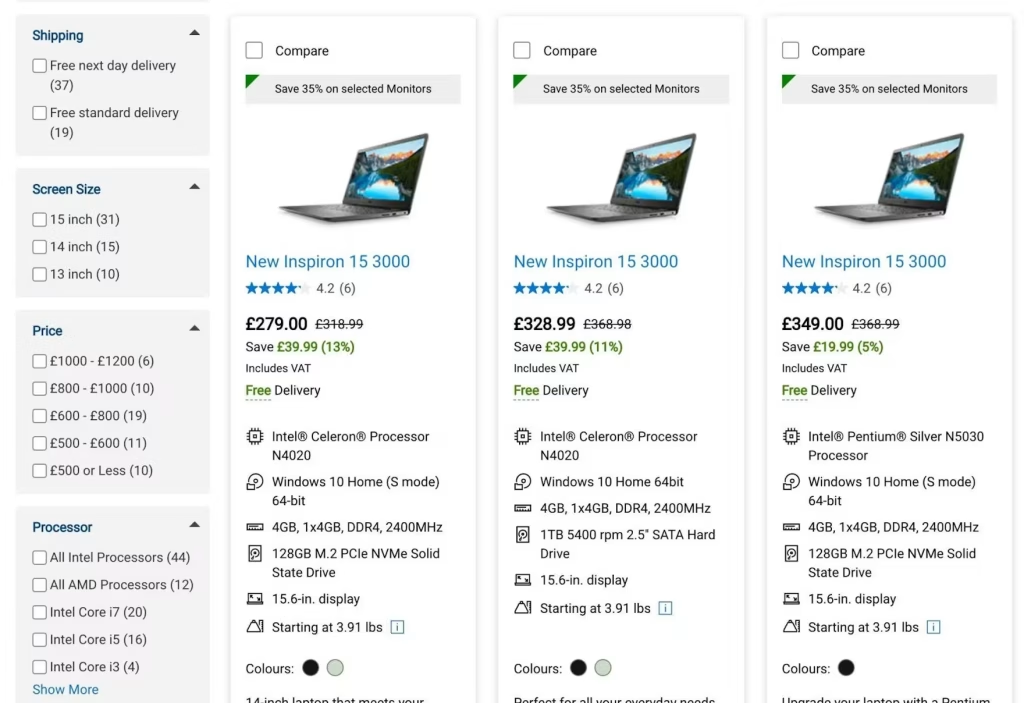
One major mistake people make when buying cheap stuff is focusing only on shelf price instead of overall value. Below is a simplified comparison table to help readers quickly scan smart cheap buys in the US.
| Item Category | Best Store | Typical Price Range | Why It’s Worth It | Durability Rating |
|---|---|---|---|---|
| Phone Chargers | Walmart | $8–$15 | Reliable store-brand options | 4/5 |
| Basic T-Shirts | Target Clearance | $5–$10 | Simple cotton blends last | 4/5 |
| Rice (Bulk) | Costco | $12–$20 (large bag) | Extremely low unit cost | 5/5 |
| Cleaning Supplies | Dollar General | $1–$5 | Great for short-term use | 3.5/5 |
| Board Games | Amazon Deals | $10–$20 | Discounted overstock | 4/5 |
| Storage Bins | Walmart | $5–$12 | Functional and sturdy | 4/5 |
Encourage readers to compare unit price, warranty, and reviews, not just the sticker.
How to Find Cheap Stuff Online Without Getting Burned9i
Online shopping dominates the cheap stuff market in America. But digital deals require strategy.
Smart Online Shopping Tactics
Use coupon extensions
Browser extensions automatically apply available promo codes.
Compare multiple retailers
Do not assume one platform is cheapest.
Check seller ratings
Avoid unknown sellers with limited history.
Look for open-box or refurbished deals
Many electronics are returned but never used.
Stack savings
Use cashback apps and credit card rewards together.
Platforms Worth Checking
Amazon
eBay
Walmart
Target
Each platform offers unique strengths. eBay is strong for second-hand bargains. Amazon excels in variety. Walmart and Target combine online and in-store clearance.
Avoid deals that look too good to be true. Unrealistic discounts often signal counterfeit or low-quality products.
How to Make Cheap Stuff Last Longer
Cheap stuff becomes expensive if you constantly replace it. The secret is maintenance.
Electronics
Avoid overcharging devices.
Store cables neatly to prevent internal wire damage.
Keep devices dust-free.
Clothing
Wash in cold water.
Air dry when possible.
Rotate usage to reduce wear.
Kitchenware
Do not overheat nonstick pans.
Hand wash instead of using harsh dishwashers for cheaper items.
Furniture and Storage
Avoid moisture exposure.
Tighten screws periodically.
Use protective pads to prevent surface damage.
A $10 item that lasts three years is better than a $40 item that lasts four.
Frequently Asked Questions About Cheap Stuff in the US

Does cheap stuff always mean low quality?
No. Many products are inexpensive due to mass production, store branding, or clearance pricing rather than poor quality.
Where can I find cheap stuff near me?
Search Google Maps, check local dollar stores, outlet malls, and warehouse retailers. Clearance sections often hide the best deals.
Is online shopping cheaper than in-store?
Sometimes. Online offers more price comparison options, but in-store clearance racks can provide deeper discounts.
What categories are safest to buy cheap?
Basic clothing, storage items, cleaning supplies, pantry staples, and small accessories.
Conclusion: Smart Cheap Shopping Is a Skill, Not a Gamble
Buying cheap stuff in the US is not about being frugal to the extreme. It is about being strategic.
When you understand:
-
Why items are priced low
-
Where to shop
-
How to evaluate quality
-
How to maintain what you buy
You stop wasting money and start multiplying savings.
Cheap does not mean careless. It means informed.
If you found this guide helpful, share it, bookmark it, and start applying these strategies today. Smart shoppers are not born. They are trained.
