

If you’re searching for cheap storage near me in the US, chances are you’re trying to save money, not spend more than necessary. Maybe you’re moving, downsizing, renovating, or just need extra space and suddenly every storage unit you find feels anything but cheap. One price shows online, but by the time you check out, hidden fees, insurance, and admin charges quietly inflate the cost.
Here’s the truth most storage companies won’t tell you: finding cheap storage isn’t about luck, it’s about strategy. Two people can rent the same size unit in the same city and end up paying very different prices, simply because one knows when to rent, what to ask, and what to avoid.
In this guide, you’ll discover realistic storage unit prices near you, how to spot the true cheapest options, and the exact steps to secure a low-cost storage unit without falling for promo traps or hidden fees. Whether you need a small 5×5 unit for boxes or a larger space for furniture, this article will walk you through how to find the cheapest storage near you in the US (step by step guide).
By the end, you’ll know exactly where to look, what to compare, and how to pay less, even if big storage companies dominate the search results.
How Much Is Cheap Storage Near Me in the US?
If you’re in a hurry and just want the numbers, here’s the short, honest answer below
Cheap storage near you in the US typically costs between $30 and $150 per month, depending on the unit size, location, and features. Smaller units in suburban areas are usually the cheapest, while large or climate-controlled units in major cities cost more.
Average Cheap Storage Unit Prices (Monthly)
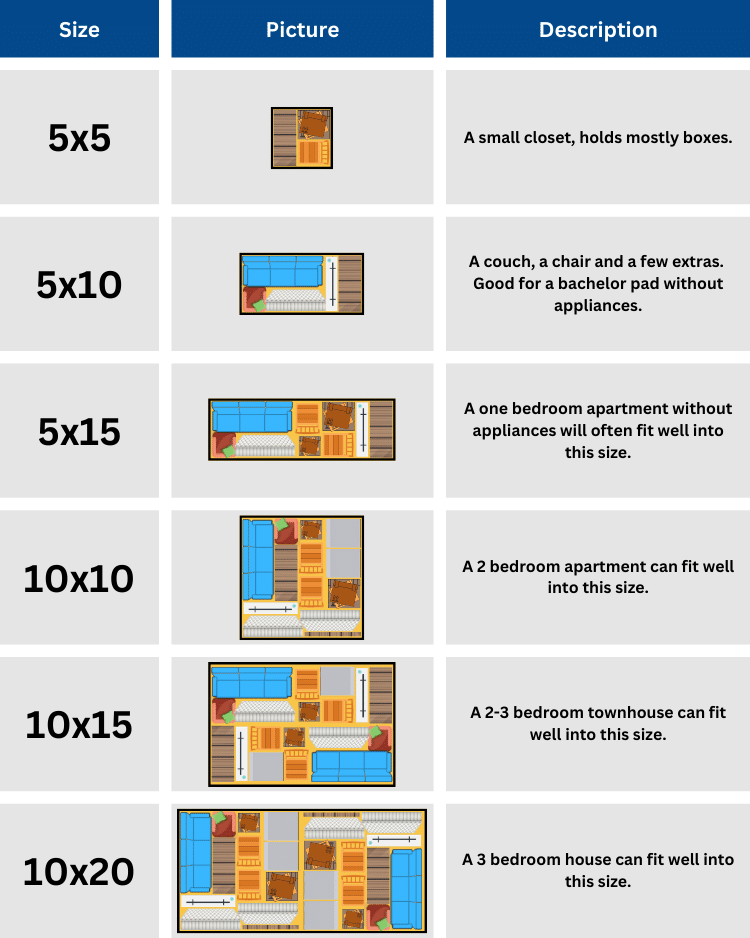
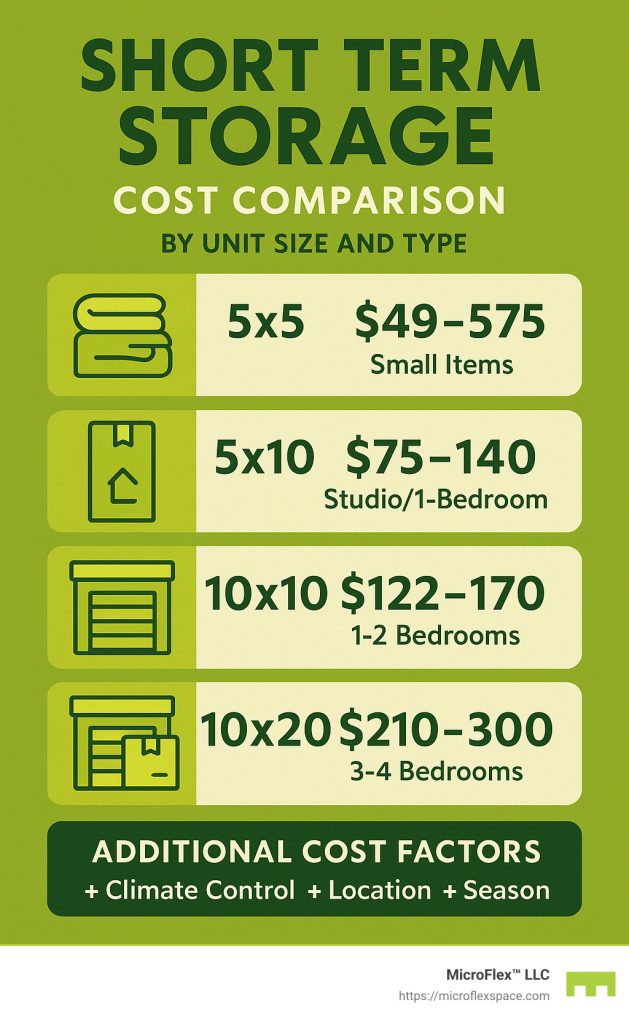
| Storage Unit Size | What It’s Best For | Typical Cheap Price Range |
|---|---|---|
| 5×5 (25 sq ft) | Boxes, seasonal items, small furniture | $30 – $60 |
| 5×10 (50 sq ft) | Studio apartment items | $50 – $90 |
| 10×10 (100 sq ft) | 1-bedroom apartment | $80 – $150 |
| 10×15 (150 sq ft) | 2-bedroom apartment | $120 – $200 |
| 10×20 (200 sq ft) | 3-bedroom home / vehicle | $150 – $300 |
Please Note: Prices on storage websites often show promo rates. The real cost usually increases after the first 1–3 months if you don’t plan carefully.
How Much Does Cheap Storage Cost Near You? (What Affects the Price Most)
Storage unit prices in the US are not fixed, and that’s exactly why two people searching for cheap storage near me can see wildly different prices even in the same city.
To truly find the cheapest storage near you, you need to understand what actually drives the price up or down.
Average Storage Unit Prices by Size (Realistic Ranges)
While promo prices change often, these are realistic monthly price ranges you’ll commonly see across the US:
| Unit Size | Average Monthly Cost | Why Prices Vary |
|---|---|---|
| 5×5 | $30 – $60 | Cheapest option, high demand |
| 5×10 | $50 – $90 | Popular for small moves |
| 10×10 | $80 – $150 | Strong demand = price swings |
| 10×15 | $120 – $200 | Fewer units available |
| 10×20 | $150 – $300 | Often includes drive-up access |
Please Note: Smaller units sell out faster, which sometimes makes a slightly larger unit cheaper in the short term.
7 Factors That Decide Whether Storage Near You Is Cheap or Expensive
1. Location (City vs Suburb)
This is the biggest price driver.
-
Downtown & high-density cities = higher prices
-
Suburbs & outer-city areas = cheaper units
Driving just 5–10 miles farther can save you $20–$70 per month.
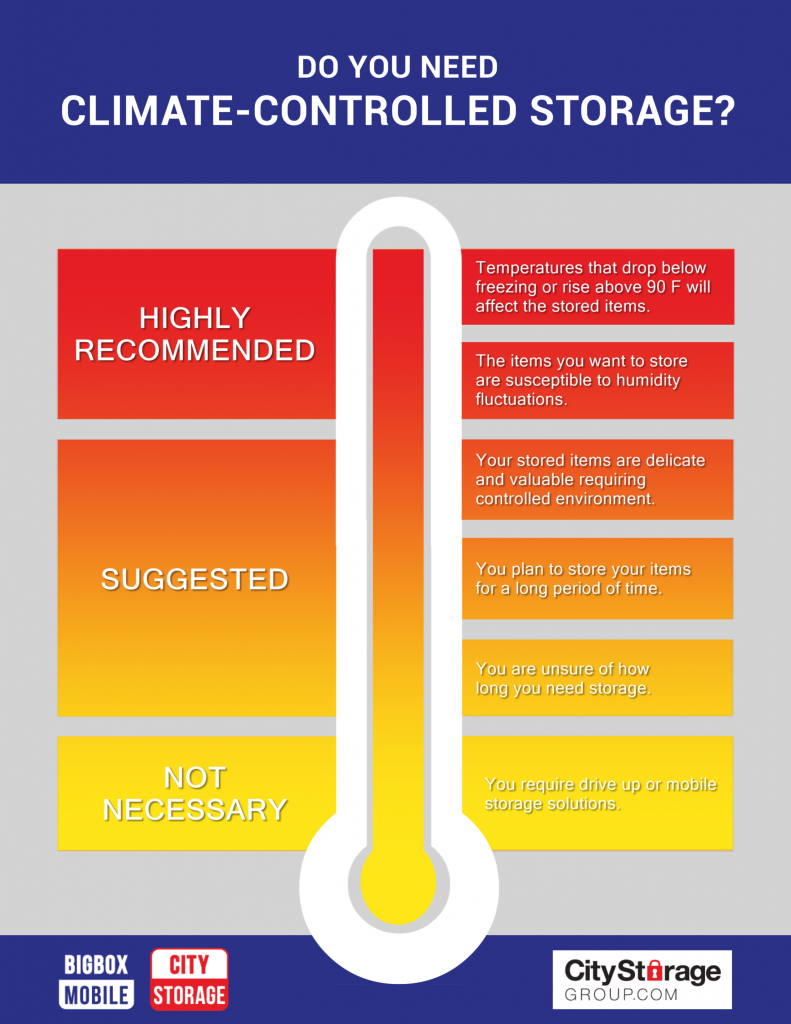
2. Climate-Controlled vs Non-Climate Units
-
Climate-controlled units cost 20–50% more
-
Non-climate units are cheaper and fine for:
-
Boxes
-
Tools
-
Mattresses (properly wrapped)
-
Most furniture
-
NOTE: If you don’t store electronics, artwork, or sensitive items, skip climate control.
3. Unit Access Type
-
Drive-up units = more convenient, more expensive
-
Indoor / hallway units = cheaper
-
Upper-floor units = often discounted
If budget is your priority, convenience should come second.
4. Demand & Seasonality
Storage prices follow demand patterns:
-
Most expensive: Summer (May–September)
-
Cheapest: Late fall & winter (October–February)
Tip: Renting in the off-season can unlock better promos and lower base rates.
5. Promotions & Intro Rates
Many facilities advertise:
-
First month free
-
50% off first 2–3 months
Take Note: After the promo ends, prices often jump, sometimes sharply. So always ask:
“What will my monthly rate be after the promotion?”
6. Facility Competition Nearby
More storage facilities in one area = price competition.
-
Newer facilities often undercut older ones
-
High competition zones are best for negotiation
7. Hidden Fees (The Silent Budget Killers)
Cheap-looking storage becomes expensive because of:
-
Admin fees
-
Required insurance
-
Lock purchases
-
Access or security fees
This is why the lowest advertised price is rarely the cheapest option.
The Smart Way to Think About “Cheap Storage Near Me”
Instead of asking:
“What’s the lowest monthly price?”
Ask:
“What’s the lowest all-in cost for the space I actually need?”
That mindset alone can save you hundreds of dollars per year.
How to Find Cheap Storage Near Me in the US (Step-by-Step)
Finding cheap storage near you isn’t about clicking the first result on Google. It’s about following a simple but smart process that most people skip, and that’s why they overpay.
Follow these steps below
Step 1: Choose the Right Unit Size (This Alone Can Cut Your Cost in Half)
The #1 mistake people make is renting too much space.
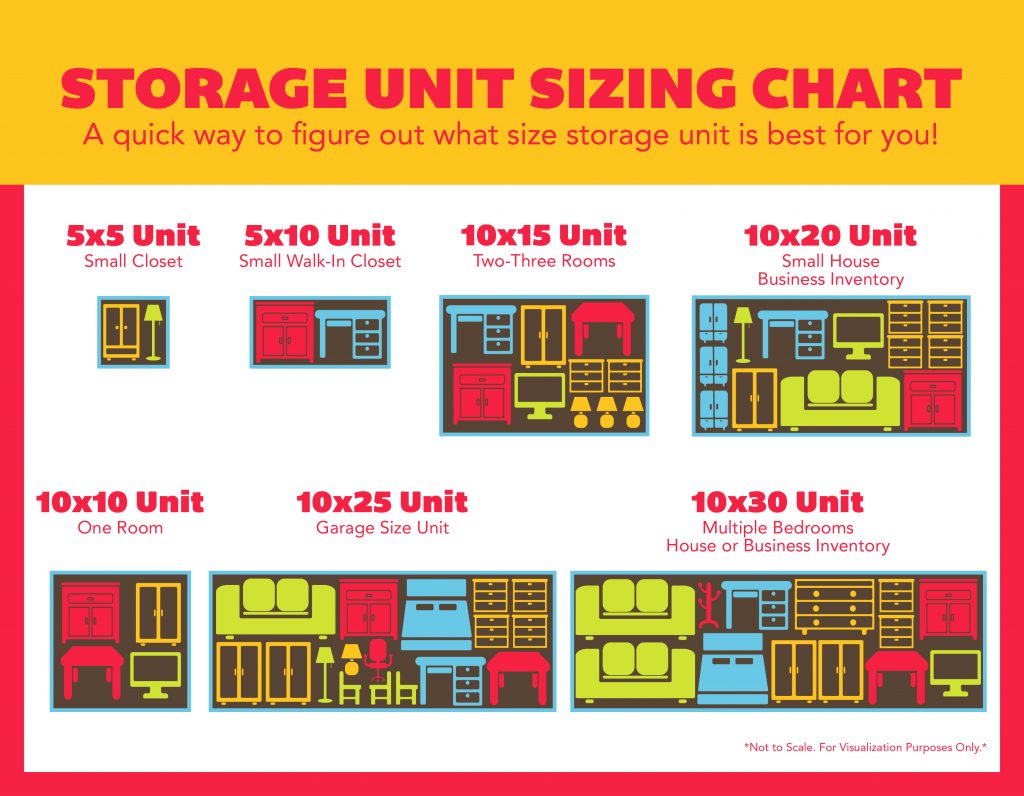
Here’s a quick guide to avoid that:
-
5×5 unit → Boxes, luggage, seasonal items
-
5×10 unit → Small apartment items, mattress, bicycle
-
10×10 unit → 1-bedroom apartment contents
-
10×15+ unit → Multi-room homes or business storage
Rule of thumb:
If you’re unsure between two sizes, start smaller. You can always upgrade, because downsizing later is harder and more expensive.
Step 2: Compare All 3 Types of Cheap Storage Options Near You
Most people only check one option. That’s a mistake.
To find the cheapest storage near you, compare these three:
1. Traditional Storage Facilities
These are the big names you see everywhere.
-
Pros: Easy access, many locations
-
Cons: Higher long-term prices, hidden fees
Best for: Short-term storage with move-in promos.
2. Storage Comparison & Booking Websites
These sites show multiple facilities at once.
-
Pros: Fast price comparison, easy filtering
-
Cons: Promo prices may expire quickly
Best for: Spotting deals you’d miss otherwise.
3. Alternative & Peer-to-Peer Storage
This includes private garages, basements, or spare rooms.
-
Pros: Often cheaper than traditional storage
-
Cons: Limited access hours sometimes
Best for: Long-term storage on a tight budget.
Smart move: Check at least one option from each category before deciding.
Step 3: Use These “Cheap Storage” Filters When Searching
When browsing listings, apply these filters to uncover cheaper units:
-
i). Non-climate-controlled
-
ii). Indoor or upper-floor units
-
iii). Month-to-month rentals
-
iv). Move-in specials (but verify later pricing)
-
v). Locations 5–10 miles outside city centers
Expanding your search radius slightly often unlocks significant savings.
Step 4: Call the Facility (Yes — This Still Works)
This step is powerful and often ignored.
When you call, ask exactly these questions:
“What’s the total monthly cost including all fees?”
“Is insurance mandatory or can I use my own?”
“Do you have any cheaper units not listed online?”
“Can you waive the admin fee?”
“What will my rent be after the promotion ends?”
“Do you offer discounts for autopay, military, student, or seniors?”
Many facilities negotiate quietly, but only if you ask.
Step 5: Calculate the Real Cost (Not the Advertised Price)
Before you commit, add up:
-
Monthly rent
-
Insurance fee
-
Admin/setup fee
-
Lock purchase
-
Any future rate increase after promo
The cheapest storage near you is the one with the lowest all-in cost, not the lowest headline price.
Step 6: Lock In the Deal at the Right Time
Timing matters.
-
i. Best months to rent: October – February
-
ii. Worst months: May – September
-
iii. Mid-week rentals sometimes get better offers
-
iv. Newly opened facilities are often cheapest
v. If you’re flexible, wait a week or two and watch prices, they change fast.
12 Proven Ways to Pay Less for Storage Units Near You
If you want cheap storage near you, the secret isn’t just where you rent, it’s how you rent. Use the strategies below to cut costs immediately and avoid long-term overpayment.
1. Rent During the Off-Season
Storage prices follow demand.
-
Cheapest months: October – February
-
Most expensive months: May – September
NOTE: Renting in winter can save you 20–40% compared to summer.
2. Avoid Climate Control Unless You Truly Need It
Climate-controlled units cost significantly more.
Skip it if you’re storing:
-
Boxes
-
Clothing
-
Furniture (wrapped)
-
Tools or household items
Tip: Climate control can add $20–$80/month.
3. Choose Indoor or Upper-Floor Units
-
Drive-up units = convenience premium
-
Indoor or upstairs units = discounted pricing
If you’re visiting your unit rarely, take the cheaper option.
4. Don’t Overestimate Space (This Is Huge)
Most people rent a unit 30–50% larger than needed.
-
Stack vertically
-
Disassemble furniture
-
Use shelving if allowed
Smaller unit = lower base rent + lower insurance.
5. Ask for Price Matching
Many facilities won’t advertise this — but they’ll do it.
Say:
“Another storage facility nearby is offering a lower rate. Can you match it?”
This works best in areas with multiple facilities.
6. Negotiate or Waive the Admin Fee
Admin/setup fees can be $25–$75.
Politely ask:
“Can the admin fee be waived if I rent today?”
You’ll be surprised how often the answer is yes.
7. Bring Your Own Lock
Facilities often sell locks at inflated prices.
i. Buy one elsewhere
ii. Confirm lock type requirements before move-in
Small move, real savings.
8. Watch Out for Promo Traps
“First month free” sounds great — until:
-
The rate doubles in month two
-
Long-term costs exceed competitors
NOTE: Always ask:
“What will my rent be after the promotion ends?”
9. Look 5–10 Miles Outside Your Area
Storage prices drop fast outside city centers.
Even a short drive can save $30–$70 per month.
Distance is often cheaper than convenience.
10. Consider Alternative Storage Options
Traditional storage isn’t always the cheapest.
Cheaper alternatives may include:
-
Private garages
-
Basements
-
Spare rooms
-
Shared storage spaces
Best for long-term storage on a budget.
11. Share a Unit If Allowed
If rules permit:
-
Split a larger unit with a friend or family member
-
Divide the cost
Just ensure access rules and item separation are clear.
12. Be Ready to Switch If Prices Increase
Storage prices often rise after move-in.
You are not stuck.
i. Monitor prices
ii. Compare competitors
iii. Move if the rate jumps too high
Loyalty rarely pays in storage.
Bottom Line: Cheap Storage Is About Control
The cheapest storage near you isn’t accidental — it’s intentional.
Use these strategies together, and you can save hundreds of dollars per year.
Hidden Fees That Make “Cheap” Storage Expensive
Many people think they’ve found cheap storage near them, only to realize later that the “low price” was just bait. The real cost often shows up after you’ve already moved your stuff in.
Here are the most common hidden fees you must watch for 👇
1. Administrative (Setup) Fees
This is one of the most common surprise charges.
-
Typical cost: $25 – $75
-
Charged just for opening an account
-
Often non-refundable
Always ask:
“Is there an admin or setup fee, and can it be waived?”
2. Mandatory Insurance Fees
Many storage facilities require insurance — even if your items are low-value.
-
Monthly cost: $10 – $30
-
Sometimes mandatory, sometimes optional
-
Some allow you to use homeowner’s or renter’s insurance
💡 Ask if you can bring your own insurance to save monthly costs.
3. Lock Purchase Fees
Some facilities force you to buy their lock.
-
Cost: $15 – $30
-
Often overpriced compared to retail stores
Alsu ask what type of lock is required before move-in so you can buy your own.
4. Promotional Rate Increases (The Big One)
This is where many people get burned.
-
“First month free” or “50% off” promos end fast
-
Monthly rent can jump 30–100% afterward
Another critical question to ask:
“What will my monthly rate be after the promotion ends?”
If they can’t answer clearly, that’s a red flag.
5. Late Payment Fees
Missing a payment can get expensive quickly.
-
Late fees: $10 – $30+
-
Access may be restricted
-
Auction risk if unpaid for long periods
Tip: Set up autopay to avoid unnecessary penalties.
6. Access or Convenience Fees
Some facilities charge extra for:
-
24/7 access
-
Climate-controlled hallways
-
Premium security access
If you don’t need these, opt out and save.
7. Rate Increases Over Time
Storage facilities can raise prices with notice.
-
Increases every 6–12 months are common
-
Loyalty does NOT guarantee stable pricing
Tip: Always ask, “How often do you raise rates, and by how much on average?”
Example: Cheap vs Real Cost (Quick Breakdown)
| Item | “Cheap” Unit |
|---|---|
| Advertised rent | $45 |
| Insurance | +$15 |
| Admin fee | +$35 |
| Lock | +$20 |
| Real first-month cost | $115 |
This is why advertised prices equals actual cost.
How to Protect Yourself From Hidden Fees
Before signing anything:
-
i. Ask for the all-in monthly total
-
ii. Confirm post-promo pricing
-
iii. Ask which fees are optional
-
iv. Get everything explained verbally and in writing
NOTE: A truly cheap storage unit is one with no surprises.
Cheap Storage Options Besides Traditional Storage Units

If standard storage units near you still feel expensive, here’s the good news: they’re not your only option.
In many cases, these alternatives are cheaper, more flexible, and better suited for long-term storage.
1. Peer-to-Peer & Shared Storage (Often the Cheapest Option)
This includes:
-
Private garages
-
Basements
-
Spare rooms
-
Sheds owned by individuals
Why it’s cheaper:
-
No corporate overhead
-
Fewer hidden fees
-
Long-term discounts are common
Best for:
-
Long-term storage
-
Items you don’t need frequent access to
-
Budget-focused renters
Please Take Note: Always confirm access rules, security, and insurance coverage.
2. Portable Storage Containers (Pods-Style Storage)
These are containers delivered to your location and later stored off-site or kept on your property.
Pros:
-
No need to move items twice
-
Flexible loading schedule
-
Often cheaper for short-term moves
Cons:
-
Not ideal for very long-term storage
-
Prices vary by distance and duration
Best for:
-
Moving
-
Renovations
-
Temporary storage needs
3 Storage Through Local Businesses or Warehouses
Some local businesses and warehouses rent unused space.
Why this can be cheaper:
-
Negotiated pricing
-
No flashy marketing costs
-
Often flexible terms
Best for:
-
Business inventory
-
Bulk items
-
Long-term storage
Don’t forget to call and ask directly because many companies do not advertise this publicly.
4. Self-Storage Units Outside City Centers
This still counts as traditional storage — but it’s a huge price difference.
-
Facilities 5–15 miles outside major cities are often 30–50% cheaper
-
Less demand = better negotiation power
This is one of the easiest ways to find cheap storage near you without changing storage type.
5. Friends or Family (Short-Term Solution)
Not glamorous, but effective.
-
Free or low-cost
-
Ideal for short-term storage
-
Avoids contracts and fees
Just be clear on:
-
Duration
-
Space limits
-
Access expectations
How to Choose the Cheapest Storage Option for Your Situation
Ask yourself:
-
How often do I need access?
-
How long will I store my items?
-
Are my items climate-sensitive?
-
Is convenience worth extra cost?
NB: If access is rare and time is long → alternative storage usually wins. Also, if access is frequent → traditional units may be worth it.
Bottom Line
Traditional storage units aren’t always the cheapest solution.
By expanding your options, you increase your chances of finding truly cheap storage near you in the US — without sacrificing safety or peace of mind.
Best Cheap Storage Companies (How to Choose the Right One Near You)
When people search for cheap storage near me in the US, they often want to know which company is cheapest.
But here’s the truth: there is no single cheapest storage company nationwide.
The cheapest option depends on location, timing, competition, and fees, not the brand name.
So instead of chasing logos, here’s how to choose the cheapest storage company near you the smart way.
Category 1: Best for Intro Deals & Promotions
Some storage companies are aggressive with move-in deals:
-
First month free
-
50% off for 1–3 months
-
No deposit required
Best for:
-
Short-term storage
-
Temporary moves
-
Budget renters who plan to leave before promo ends
Always confirm post-promo pricing.
Category 2: Best for Long-Term Budget Storage
Other companies focus on stable pricing rather than flashy promos.
What to look for:
-
Month-to-month leases
-
Slower rate increases
-
Discounts for long-term renters
-
Lower insurance requirements
Best for:
-
Long-term storage
-
Items you won’t access often
-
People who want predictable costs
Category 3: Best for Location & Availability
Some providers win simply because they’re everywhere.
Why this matters:
-
More locations = more competition
-
Easier to compare nearby facilities
-
Better chance of price matching
Note: High competition areas are where you can negotiate best.
Category 4: Best for Alternative & Low-Cost Storage
These aren’t traditional storage companies, but they often offer:
-
Lower monthly prices
-
Fewer fees
-
Flexible terms
Best for:
-
Long-term storage
-
Budget-conscious users
-
People storing non-sensitive items
The Smart Way to Compare Storage Companies Near You
Instead of asking:
“Which storage company is cheapest?” the right question should be, “Which option gives me the lowest all-in cost for my situation?”
Use this checklist:
-
Advertised rent
-
Insurance requirement
-
Admin/setup fees
-
Lock cost
-
Promo expiration rate
-
Distance from home
-
Rate increase policy
Whichever company wins after this comparison is the cheapest for you.
Pro Tip: Don’t Commit Emotionally to One Company
Storage pricing changes often.
-
New facilities undercut old ones
-
Competitors quietly match prices
-
Rates change monthly
Take Note: The cheapest storage near you today may not be the cheapest in 6 months and that’s okay.
Frequently Asked Questions About Cheap Storage Near Me in the US
What is the cheapest storage unit size?
The 5×5 storage unit is usually the cheapest option. It’s ideal for boxes, seasonal items, luggage, and small furniture. Prices often start as low as $30–$60 per month, depending on location and demand.
How can I find the cheapest storage near me fast?
To find cheap storage near you quickly:
-
Compare at least 3 nearby facilities
-
Check locations 5–10 miles outside city centers
-
Look for non-climate-controlled units
-
Ask about move-in promos and waived fees
-
Always confirm the all-in monthly cost
Is climate-controlled storage worth it if I’m on a budget?
Not always. Climate-controlled units cost 20–50% more. Skip them if you’re storing boxes, clothing, tools, or wrapped furniture. They’re only worth it for electronics, artwork, documents, or sensitive materials.
Why does storage near me look cheap online but expensive at checkout?
Many facilities advertise promo prices that exclude:
-
Admin/setup fees
-
Insurance
-
Lock purchases
-
Post-promo rate increases
This is why the cheapest advertised price is rarely the cheapest overall.
Can I negotiate storage unit prices?
Yes. Especially in areas with multiple storage facilities.
You can negotiate:
-
Admin fees
-
Insurance requirements
-
Price matching
-
Discounts for long-term rentals
Calling the facility directly gives you the best chance.
What month is cheapest to rent a storage unit?
The cheapest months are typically October through February.
Prices peak during late spring and summer when demand is highest.
Do storage unit prices go up after I move in?
Yes, most storage facilities increase prices every 6–12 months. This is normal.
Always ask how often rates increase and be ready to switch facilities if costs rise too high.
Is peer-to-peer or shared storage safe?
It can be, if you:
-
Verify access rules
-
Confirm insurance coverage
-
Understand security measures
For long-term storage, peer-to-peer options are often cheaper than traditional storage units.
How far should I search to find cheaper storage?
Searching 5–10 miles farther from your location often reduces prices significantly. Suburban and outer-city facilities usually offer better deals.
What should I avoid when looking for cheap storage?
Avoid:
-
Overestimating unit size
-
Ignoring hidden fees
-
Locking into long contracts with promo rates
-
Renting without comparing alternatives
Is it okay to switch storage units later?
Yes. Many people switch when prices increase.
As long as you’re on a month-to-month plan, moving to a cheaper facility is often the smartest option.
Final Takeaway: How to Find Truly Cheap Storage Near You in the US
Finding cheap storage near you in the US isn’t about clicking the first result on Google or choosing the biggest brand. It’s about understanding how storage pricing works — and using that knowledge to your advantage.
When you:
-
Choose the right unit size
-
Compare multiple storage options
-
Look beyond city centers
-
Ask the right questions
-
Watch out for hidden fees
…you put yourself in control of the price.
The truth is, many people overpay for storage simply because they don’t know they have options. With the strategies in this guide, you now know where to look, what to compare, and how to secure the lowest all-in cost — without falling for promo traps or unnecessary upgrades.
Smart Next Steps (Do This Now)
1 Decide the smallest unit size you actually need
2 Search within a 5–10 mile radius
3 Compare at least three facilities or storage alternatives
4 Call and confirm the real monthly cost
5 Lock in the best deal and stay flexible
If prices increase later, remember: you can always switch. Cheap storage is about staying informed, not staying loyal (Please, don’t tag me a cheat – I’ve been loyal to my husband for the past 3 years).
Now It is Your Turn!
Have you found a surprisingly cheap storage unit near you or have you been hit with hidden fees before?
Share your experience in the comments to help others save money too.
And if this guide helped you, please bookmark it. Don’t forget that storage prices change, but smart strategies always win.
