

If you love steak, you know the pain: your mouth waters, but your wallet shivers. In the United States, premium cuts like ribeye or filet mignon can cost upwards of $20–$30 per pound, and suddenly that weekend dinner feels more like a luxury splurge than a simple comfort meal. But what if we told you that you can enjoy juicy, flavorful steak on a budget, without sacrificing taste, tenderness, or that perfect sear?
Yes, cheap steak exists, and it can taste every bit as good as those expensive cuts if you know which cuts to pick, how to cook them, and where to buy them. Whether you’re shopping at your local grocery store, snagging deals from warehouse clubs, or visiting a neighborhood butcher, the right knowledge can turn a budget cut into a restaurant-quality meal.
In this guide, you will learn:
- The best cheap steak cuts that taste amazing
- Where to buy affordable steak in the US without compromise
- Expert cooking tips to make your cheap steak tender, juicy, and flavorful
- Money-saving hacks to enjoy steak more often without hurting your wallet
- Budget-friendly restaurants and chains where cheap steak still tastes great
Forget the myth that cheap steak is always tough or bland. With the right guidance, you can turn
inexpensive cuts into a mouthwatering centerpiece for your dinner table. By the end of this article, you’ll be armed with insider knowledge that turns you into a steak-savvy shopper and home chef, ready to enjoy steak any night of the week without breaking the bank.
What “Cheap Steak” Really Means in the United States
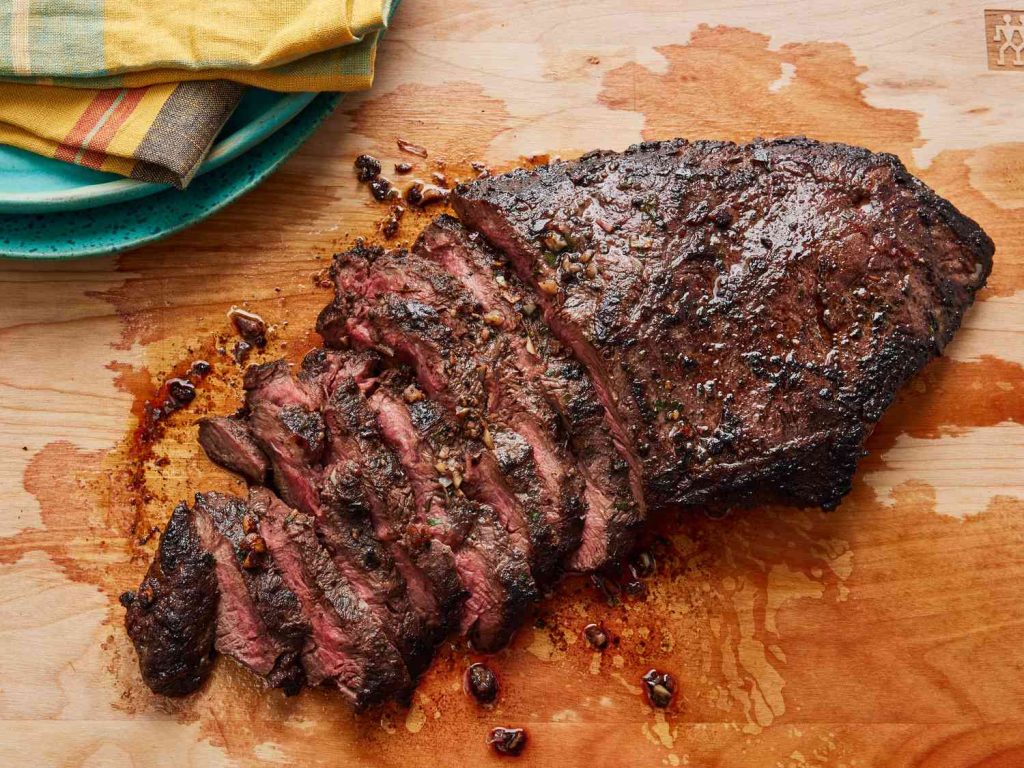
When most people think of steak, they picture thick, juicy ribeyes or tender filet mignons served at high-end steakhouses. The reality, however, is that there are plenty of affordable steaks that deliver excellent flavor and texture if you know where to look.
In the United States, steak prices vary depending on:
- Cut location on the cow: Muscles that get less exercise tend to be more tender and expensive. Cuts from heavily used muscles, like the shoulder or flank, are cheaper but still flavorful.
- Marbling: Intramuscular fat adds juiciness and flavor. While higher grades of marbling are usually pricier, some budget cuts offer a surprising amount of taste when cooked properly.
- Supply and demand: Certain cuts are popular in restaurants and retail, driving up their price. Less common cuts are often overlooked and therefore more affordable.
- USDA Grade: USDA Prime is the most marbled and expensive, Choice is mid-tier and often found on sale, and Select is leaner but can be delicious with proper preparation.
Breaking down “cheap steak” by category:
- Premium Cuts: Ribeye, Porterhouse, Filet Mignon
- These cuts are tender, flavorful, but expensive. They usually cost $20–$30+ per pound.
- Mid-Tier Cuts: Top Sirloin, Strip Steak
Balanced between price and tenderness, these often range $12–$18 per pound in the US. - Budget-Friendly Cuts: Chuck Eye, Flat Iron, Flank, Skirt
- These are the true heroes of cheap steak, often costing $6–$14 per pound. While they require slightly more care when cooking, the payoff is huge.
Pro Tip for Smart Shoppers:
Many cheap cuts can rival expensive steaks when cooked with the right technique. A cast-iron sear, proper marination, or slicing against the grain can turn a $7 per pound cut into a meal that tastes like $25 steakhouse-quality beef.
Understanding USDA Beef Grades Before Buying Cheap Steak
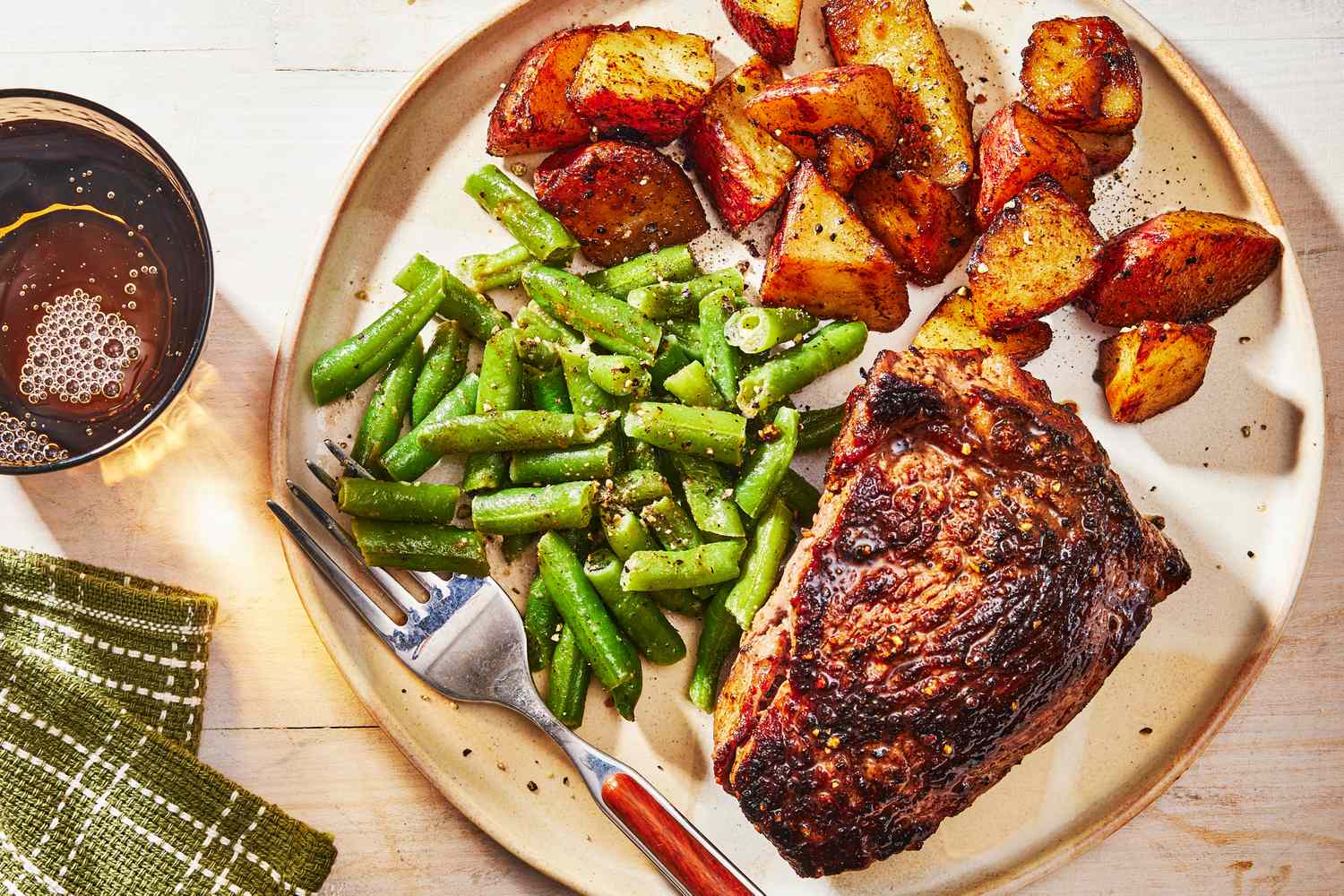
When hunting for cheap steak, understanding USDA beef grades is critical. Not all affordable steaks are created equal, and knowing the grading system allows you to select cuts that are flavorful and tender without overspending.
USDA Beef Grades Overview:
- USDA Prime
- Highest level of marbling (fat interspersed in the meat)
- Extremely tender and juicy
- Usually reserved for high-end restaurants
- Price: $20–$35+ per pound
- USDA Choice
- Moderate marbling
- Tender and flavorful if cooked properly
- Widely available in supermarkets
- Price: $10–$18 per pound
- USDA Select
- Leaner with minimal marbling
- Less naturally tender, but great for marinades and proper cooking
- Price: $6–$12 per pound
Why Marbling Matters:
Marbling is the key to flavor and juiciness. Even a budget cut like a chuck eye or flat iron can taste rich and beefy if it has decent marbling. Conversely, lean cuts may dry out quickly if overcooked.
Tips for Buying Cheap Steak Using USDA Grades:
Target Choice grade for affordable, flavorful cuts.
If you’re buying Select, plan to marinate or cook it with moisture techniques like sous vide or braising.
Don’t ignore smaller local butcher shops; they often carry Choice cuts at competitive prices.
Expert Insight:
Some budget-friendly cuts like Flat Iron or Chuck Eye are often graded Choice but cost far less than the classic ribeye. These cuts can outperform pricier steaks in taste if cooked correctly.
Best Cheap Steak Cuts That Taste Amazing
Chuck Eye Steak
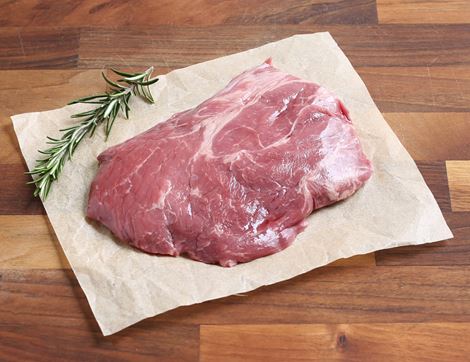
Why It’s a Top Cheap Steak Cut:
- Often called the poor man’s ribeye
- Cut from the rib area near ribeye, offering good marbling
- Affordable: Typically $6–$9 per pound in the US
- Flavor: Rich, beefy, and satisfying
Cooking Tips:
- High heat sear: Cast iron skillet or grill works best
- Medium rare finish: Retains tenderness
- Optional marinade: Adds extra juiciness, especially if the cut is a bit leaner
Flat Iron Steak
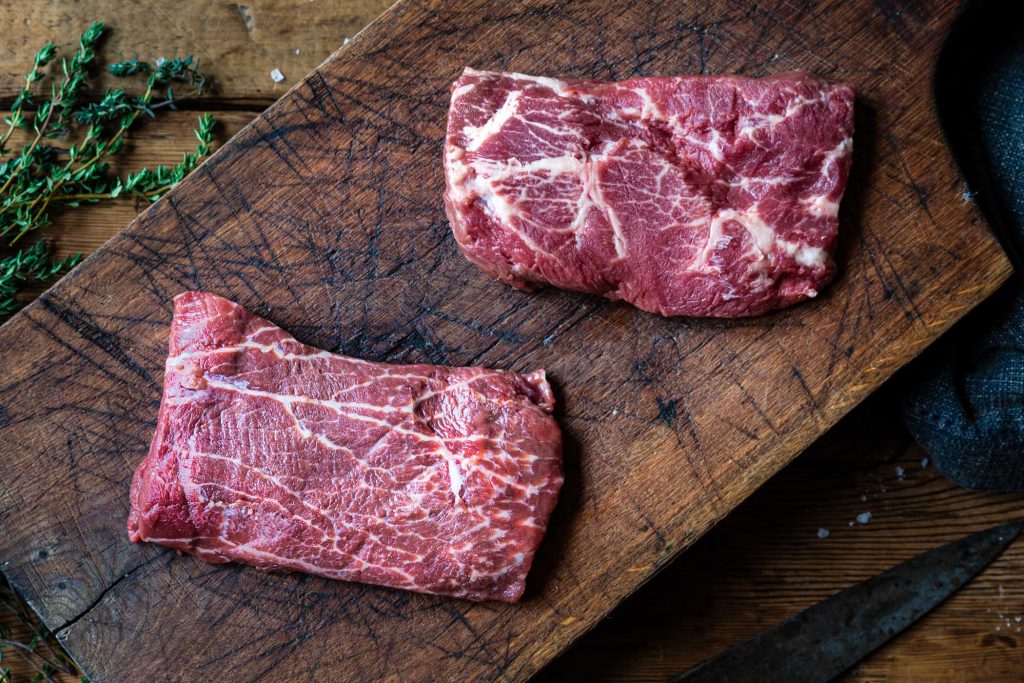
Why It’s a Top Cheap Steak Cut:
- One of the tenderest budget cuts
- Comes from the shoulder (top blade)
- Price: $7–$10 per pound
- Flavor: Mild yet rich, perfect for grilling
Cooking Tips:
-
- Grill or pan-sear on high heat
- Don’t overcook—medium rare is ideal
- Slice against the grain for maximum tenderness
Skirt Steak
Why It’s a Top Cheap Steak Cut:
-
-
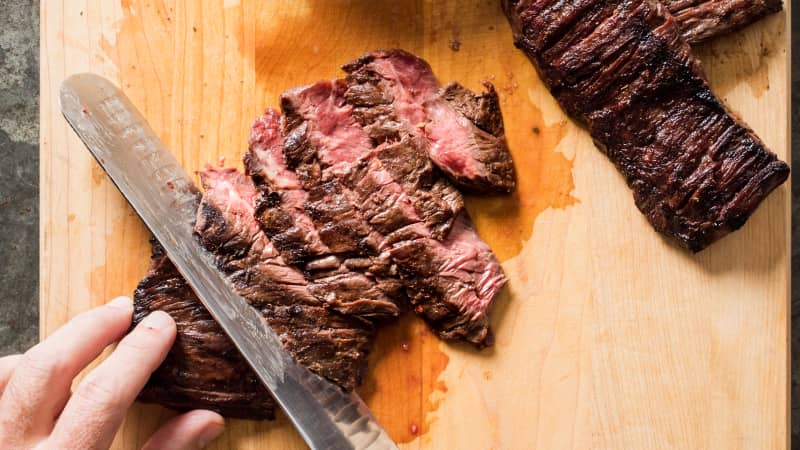
- Extremely flavorful, less tender than ribeye, but with a more beefy taste
- Popular in tacos and fajitas
- Price: $8–$12 per pound
-
Cooking Tips:
-
-
- High heat, quick cook (3–5 minutes per side)
- Always slice against the grain
- Marinate to increase tenderness
-
Flank Steak
Why It’s a Top Cheap Steak Cut:
-
-
-
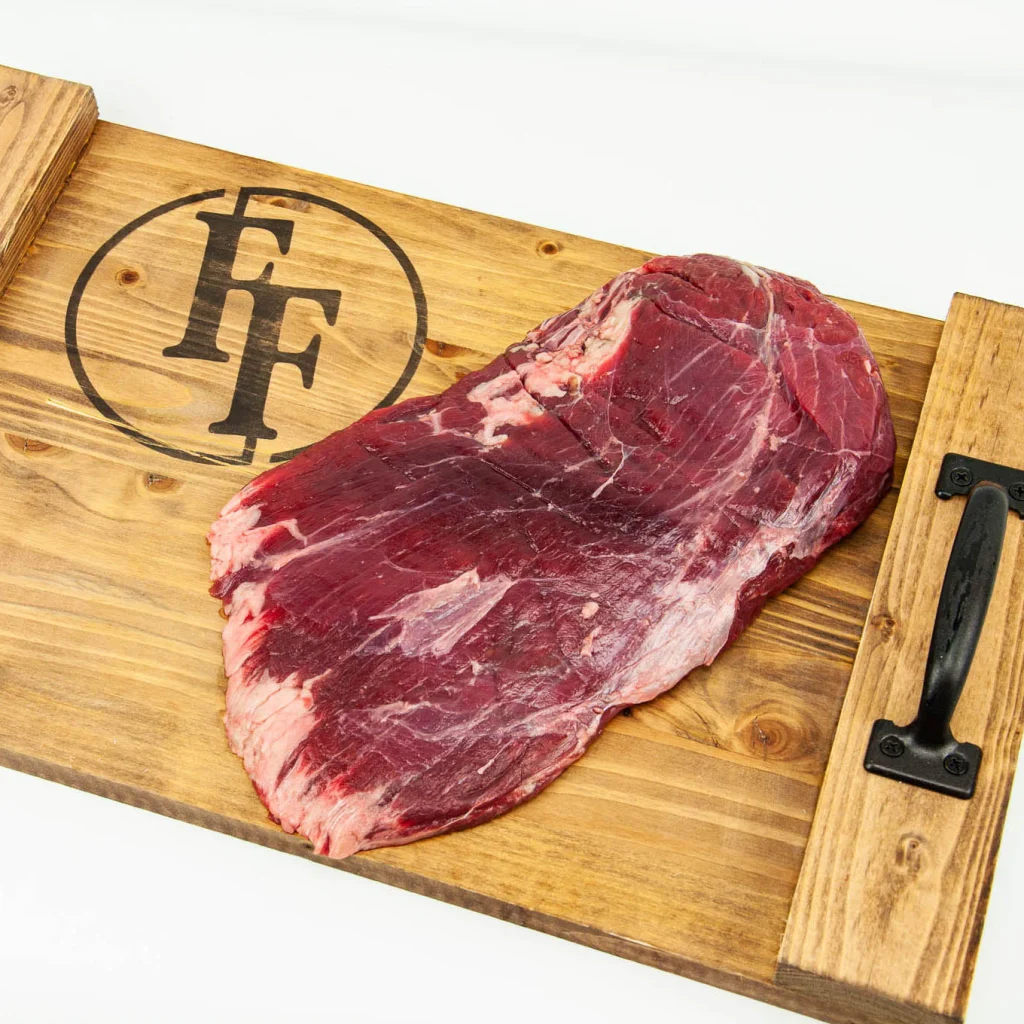
- Lean and flavorful
- Excellent for stir fry, salads, and sandwiches
- Price: $9–$13 per pound
- Benefits from marination for extra tenderness
- Cooking Tips:Grill or broil quickly over high heat
- Let the steak rest 5–10 minutes before slicing
- Slice thinly against the grain for maximum tenderness
-
-
Top Sirloin
Why It’s a Top Cheap Steak Cut:
-
-
-
-
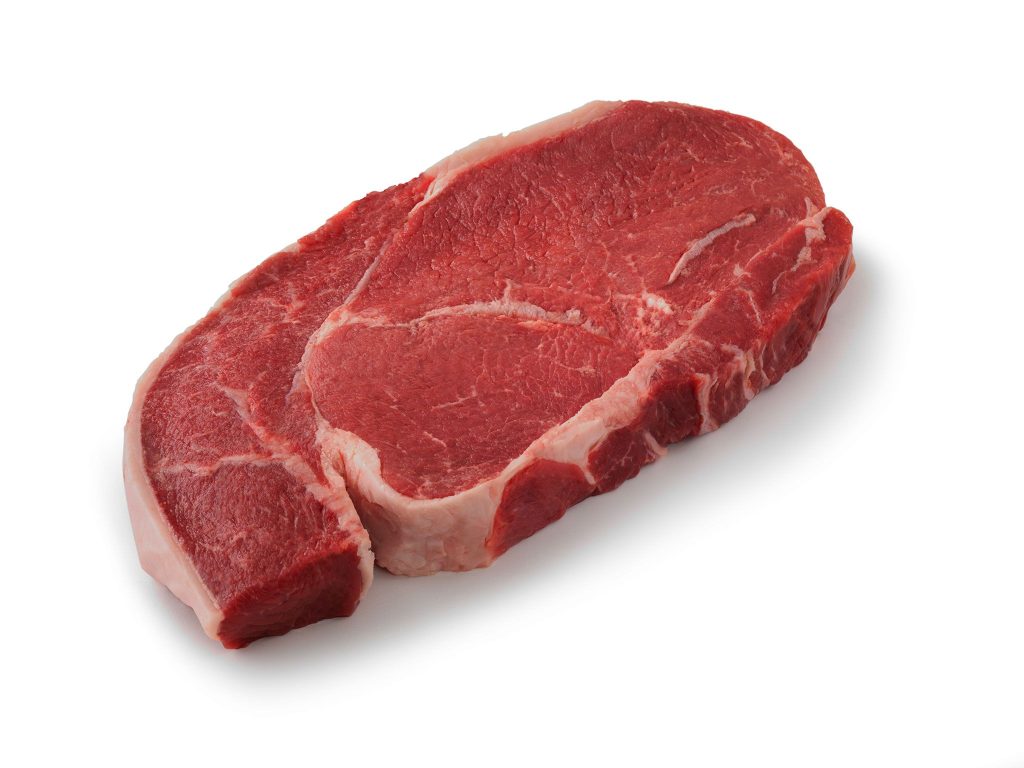
- Balanced price and tenderness
- Widely available at supermarkets
- Price: $8–$14 per pound
- Flavor: Mild but satisfying
- Cooking Tips:Grill, broil, or pan-sear on high heat
- Rest before slicing
- Can be marinated but also tasty plain with salt and pepper
-
-
-
Key Takeaways for Cheap Steak Cuts
-
-
-
-
-
Chuck Eye and Flat Iron: best for tenderness and flavor for the price
- Skirt and Flank: best for marinating, grilling, and sliced dishes
- Top Sirloin: versatile, widely available, and reliable for everyday meals
-
-
-
-
Where to Buy Cheap Steak in the United States
Major Grocery Stores
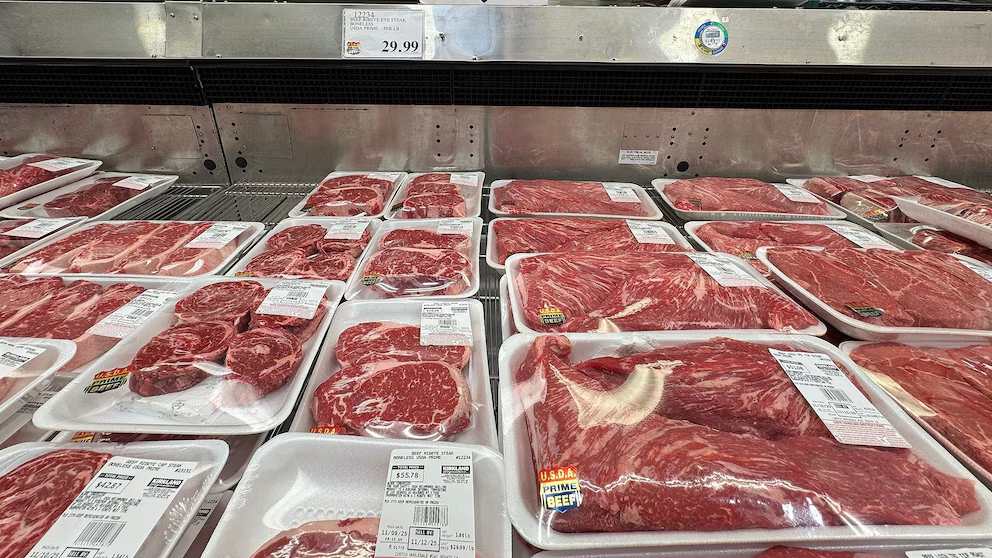
For most Americans, the easiest place to buy affordable steak is your local grocery store. Many stores offer weekly sales and store-brand options that are great for budget-conscious shoppers. Top Grocery Stores for Cheap Steak:
Walmart: Often carries Choice and Select grade steaks at very competitive prices. Look for chuck eye, flat iron, and top sirloin.
Aldi: Limited cuts but very budget-friendly; occasionally offers marinated steaks that cook beautifully.
Kroger: Good sales on flank, top sirloin, and skirt steak. Check weekly ads.
Safeway/Albertsons: Offers store-brand Choice cuts at discounts, often paired with coupons.
Tips:
i). Watch weekly circulars for steak discounts
ii). Buy larger packs and portion them at home to save money
iii). Freeze any unused portions to extend shelf life
Local Butcher Shops
Butchers are a hidden goldmine for cheap steak. They often carry less common cuts that are flavorful and underpriced compared to supermarket steaks.
Advantages:
- Custom cuts: Ask for thinner slices or specific weights
- Off-cuts: Butchers sometimes sell slightly irregular cuts at a discount
- Expert advice: Butchers can suggest cooking techniques to get the most flavor from cheap cuts
Tip: Don’t be afraid to ask, “What’s your most flavorful, affordable steak today?”
Warehouse Clubs
Stores like Costco, Sam’s Club, and BJ’s often sell bulk beef at significantly lower prices per pound.
Advantages:
- Buy bulk packs of top sirloin or flat iron
- Often USDA Choice grade
- Freezing portions at home can last months, making it cost-effective
Tip: Divide bulk packs into individual meals before freezing.
Farmers Markets
While some assume farmers’ markets are expensive, they can be a source of grass-fed, affordable beef directly from local farmers.
Advantages:
Direct purchase avoids middleman pricing
Can find special deals on lesser-known cuts
Opportunity to ask the farmer for cooking tips for budget-friendly cuts
Tip: Visit late in the day, vendors sometimes offer discounts to sell remaining meat.
Pro Tip Across All Buying Options:
Check the labels: Look for USDA Choice or Select for better flavor
Compare the price per pound instead of the package price
Ask for recommendations: Staff often know the best budget cuts
Cheap Steak Restaurants in the United States
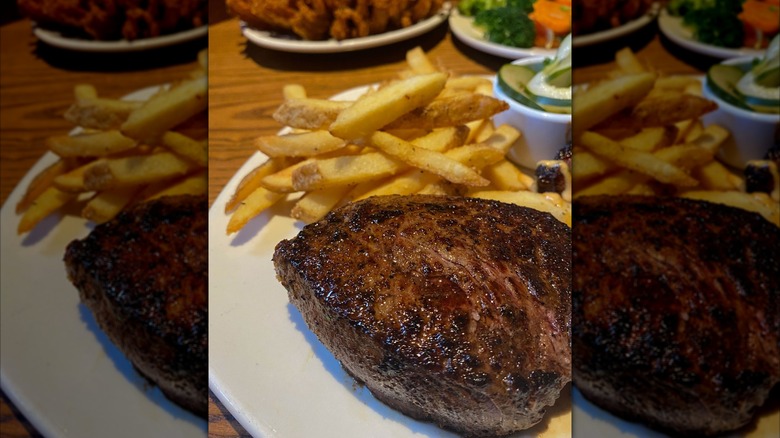
Popular Affordable Steak Chains
Even if cooking at home isn’t your thing, there are plenty of steakhouse chains that serve cheap steak without compromising flavor.
Top Budget-Friendly Chains:
Texas Roadhouse:
Offers top sirloin and ribeye specials
Lunch combos often under $15
Fun atmosphere and consistent quality
Outback Steakhouse:
Lunch and early dinner specials provide affordable steak options
Try the Sirloin & Aussie Fries combo for value
LongHorn Steakhouse:
Known for Top Sirloin cuts
Keep an eye on weekly promotions and lunch specials
Sizzler:
Famous for salad bar + steak combos
Affordable sirloin options for family meals
Tips to Get Cheap Steak at Restaurants
Eating steak at restaurants doesn’t have to break the bank. With a few smart strategies, you can enjoy high-quality, flavorful steak at a fraction of the usual cost. Here’s how:
1. TAKE ADVANTAGE OF LUNCH SPECIALS
Many steakhouse chains, including Texas Roadhouse, Outback, and LongHorn, offer lunch menu specials that are significantly cheaper than dinner.
These specials often include a smaller portion of a premium cut, paired with sides, making them a great value.
Tip: Check the restaurant’s website or call ahead to see which cuts are included in lunch deals.
2. USE COUPONS, PROMOTIONS, AND MOBILE APPS
Most chains have digital coupons or app-exclusive offers.
Signing up for loyalty programs can give you 10–20% off your meal, birthday specials, or access to limited-time steak deals.
Tip: Apps sometimes provide free sides or drinks with steak orders, increasing the overall value of the meal.
3. LOOK FOR WEEKDAY OR SLOW-HOUR DEALS
Restaurants often lower prices during slow hours, like Monday through Thursday early evenings, to attract more diners.
Some establishments have “happy hour” steak plates or specials on selected cuts.
Tip: Call ahead and ask if they have weekday deals for steaks; you might be surprised by the discounts.
4. ASK ABOUT SMALLER CUTS OR OFF-CUTS
Some restaurants can offer smaller portions or less popular cuts at a lower price.
For example, ordering a sirloin instead of a ribeye, or a flank steak dish instead of a premium steak, can save you money while still providing a delicious meal.
Tip: Politely ask the server if they have any budget-friendly steak options; most are happy to recommend them.
5. CHECK COMBO MEALS OR ADD-ONs
Many casual steakhouses include steak in combo meals with sides or appetizers.
This can sometimes give you more value per dollar than ordering a standalone steak.
Tip: Look for meals labeled as “steak and side combos” or “platters” for the best value.
6. CONSIDER LOCAL HIDDEN GEMS
While chains are convenient, local diners and family-owned steakhouses often serve tender, flavorful steak at lower prices than big chains.
Tip: Search online for “affordable steakhouse near me” or check Yelp reviews for hidden budget-friendly gems.
Pro Tip: Combining these strategies, like using coupons, ordering during lunch specials, and selecting slightly less popular cuts, can allow you to enjoy a restaurant-quality steak meal for under $15–$20, depending on your location.
Hidden Local Gems
Many smaller, local steakhouses and diners serve cheap steak that tastes like a high-end restaurant meal.Tips to discover them:
Use Google Maps and Yelp to search “cheap steak near me” or “affordable steakhouse.”
Look for dinner specials or meatloaf & steak combos
Ask locals or food bloggers for insider recommendations
Pro Tip: Even in big cities, diners often have hand-cut Top Sirloin or Flat Iron steaks at a fraction of the chain price.
How to Cook Cheap Steak So It Tastes Expensive
Start with Quality Selection
Even cheap steak varies in quality. Tips:
Choose the Choice grade if possible; it has better marbling.
Look for even thickness; thin or uneven cuts cook unevenly.
Buy fresh steak for the best flavor; frozen works too, but thaw completely before cooking.
Season Generously and Early
Salt 30–60 minutes before cooking for flavor and moisture retention.
Use freshly ground black pepper at the last moment to avoid burning.
Optional: Add garlic powder, smoked paprika, or herbs for extra flavor.
Cooking Techniques for Cheap Steak
Cast Iron Sear
- Heat the skillet until very hot.
- Add oil with a high smoke point (canola, grapeseed).
- Sear steak 2–4 minutes per side, depending on thickness.
Grill Perfection
- Preheat grill to high.
- Use direct heat for a nice crust, indirect heat to finish cooking if needed.
- Avoid overcooking: medium rare is ideal for most budget cuts.
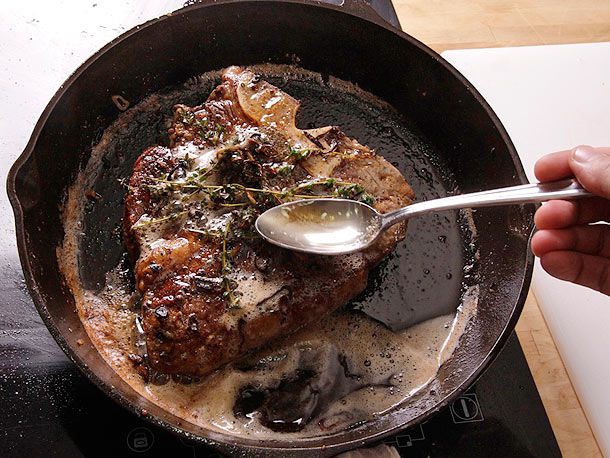
Butter Basting
Add butter, garlic, and fresh herbs (rosemary, thyme) during the last minute of cooking.
Spoon melted butter over the steak to enhance flavor and juiciness.
Rest the Steak
Let the cooked steak rest 5–10 minutes before slicing.
Resting allows juices to redistribute for a juicy bite.
Slicing and Serving
Always slice against the grain to shorten muscle fibers, making steak easier to chew.
Serve on warm plates to keep the steak hot longer.
Optional: Top with compound butter or a drizzle of balsamic glaze for a restaurant-style finish.
Pro Tips to Elevate Cheap Steak
Marinate tougher cuts like flank or skirt steak for at least 2 hours in acidic liquids (vinegar, citrus, or soy sauce).
Use a meat thermometer: Medium rare = 130–135°F, Medium = 135–145°F.
Don’t overcrowd the pan; cook steaks in batches if needed to maintain searing temperature.
Budget Marinades That Make Cheap Steak Tender
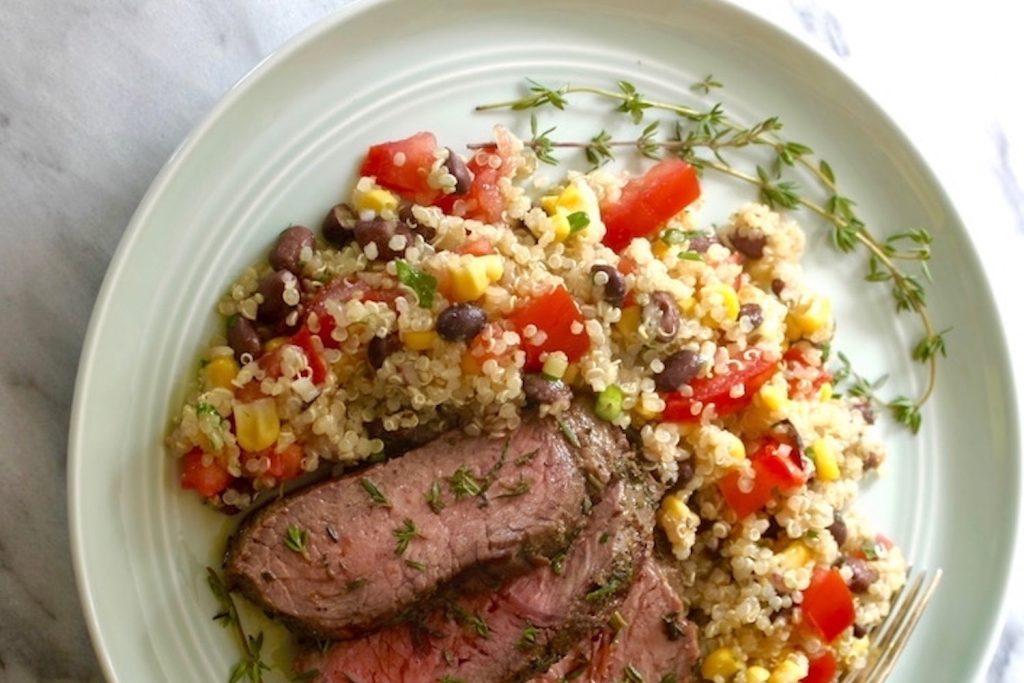
Why Marinades Matter for Cheap Steak
Tougher cuts like flank, skirt, and chuck eye benefit from acidic or enzymatic marinades.
Marinades break down muscle fibers, enhancing tenderness. They infuse flavor without adding expensive ingredients.
Simple Budget-Friendly Marinades
1. Garlic Soy Marinade
- Ingredients: Soy sauce, minced garlic, olive oil, black pepper, a splash of vinegar
- Perfect for: Flank steak or skirt steak
- Tip: Marinate 2–4 hours for best results
2. Balsamic Herb Marinade
- Ingredients: Balsamic vinegar, olive oil, fresh or dried rosemary and thyme, salt, pepper
- Perfect for: Flat iron or top sirloin
- Tip: Add a teaspoon of honey for a slightly sweet caramelized crust
3. Lime & Cilantro Marinade
Ingredients: Lime juice, chopped cilantro, garlic, olive oil, black pepper
Perfect for: Skirt steak (great for tacos or fajitas)
Tip: Marinate no longer than 2 hours to avoid over-tenderizin
Marinade Tips for Maximum Flavor
Use a zip-top bag: Ensures the marinade coats the steak evenly and saves cleanup
Keep it cold: Always marinate in the fridge, never at room temperature
Pat dry before cooking: Excess marinade can prevent a proper sear
Optional extras: Add a splash of Worcestershire sauce, hot sauce, or mustard for extra flavor complexity
Pro Tip: Even the cheapest cut can taste like a restaurant steak when properly marinated and cooked. Combining the right marinade with high-heat searing and resting transforms tough muscles into juicy, flavorful steaks.
Cheap Steak Price Comparison Table
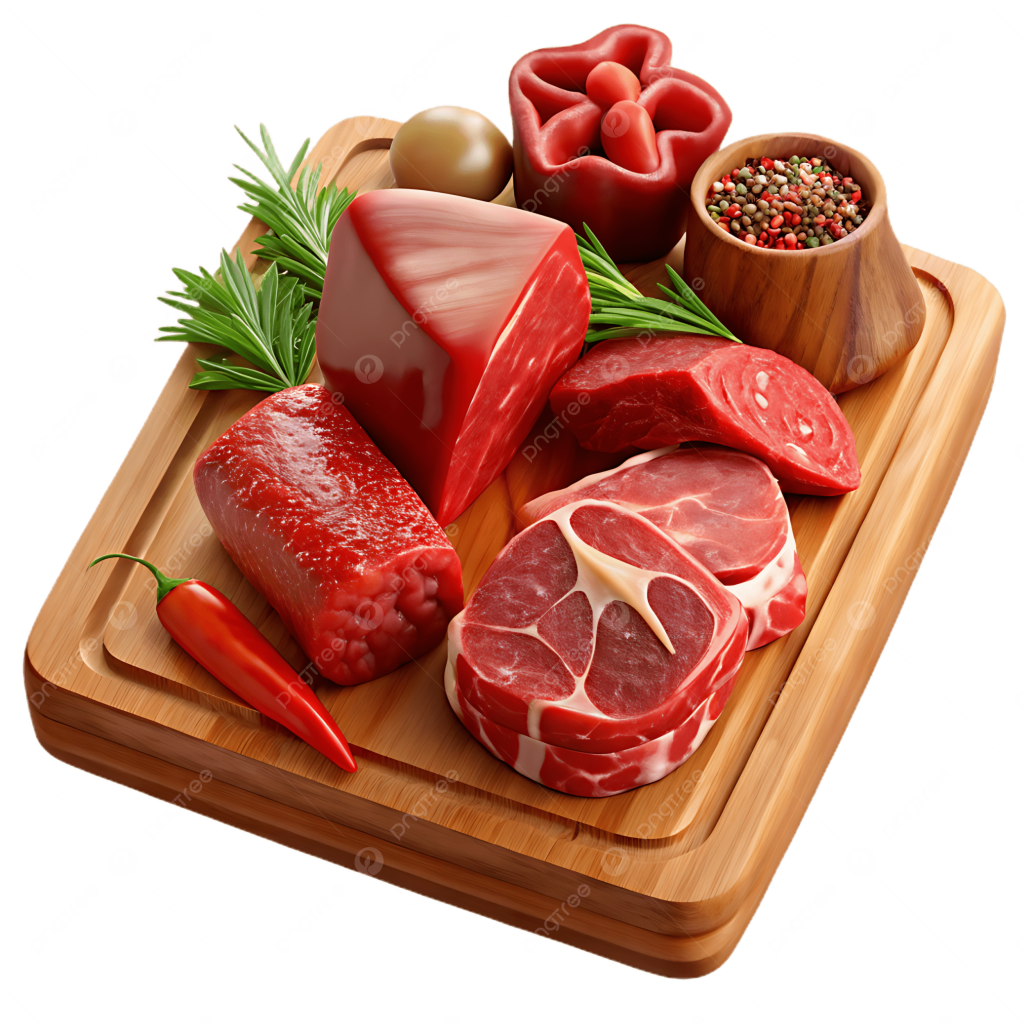
Comparison Table: Affordable Steak Cuts in the US
| Steak Cut | Average Price per Pound (USD) | Tenderness | Best Cooking Method |
|---|---|---|---|
| Chuck Eye | $6–$9 | Medium tender | Grill or pan-sear |
| Flat Iron | $7–$10 | Very tender | Grill or skillet |
| Skirt Steak | $8–$12 | Medium | High-heat grill, marinate first |
| Flank Steak | $9–$13 | Lean | Marinate, grill or stir-fry |
| Top Sirloin | $8–$14 | Medium tender | Grill, broil, or pan-sear |
How to Use This Table
- Combine with Sections 8 and 9 tips to cook like a pro
Tips to Save Money When Buying Steak
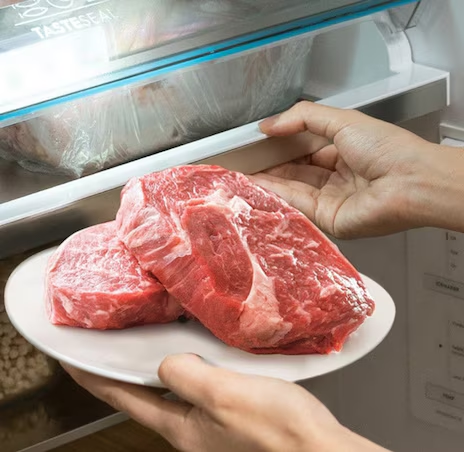
Buy Larger Cuts and Portion at Home
Purchase whole chuck roasts, top sirloins, or flat irons and slice them yourself.
Cutting at home often reduces the cost per serving and gives you flexibility in portion sizes.
Tip: Use a sharp chef’s knife and slice against the grain for maximum tenderness.
Watch Grocery Store Weekly Ads
Most grocery stores offer weekly deals on beef cuts.
Sign up for store loyalty programs to access exclusive discounts.
Look for “Manager’s Specials” or near-expiration markdowns; these steaks can be frozen immediately for later use.
Freeze Steak When on Sale
Buy in bulk during sales and freeze in meal-sized portions.
Use vacuum-seal bags or airtight freezer bags to prevent freezer burn.
Label with cut type and date for easy rotation.
Ask Butchers for Hidden Cheap Cuts
Butchers often have less popular or off-cut steaks that are flavorful and affordable.
Ask: “Which cuts are tender but underpriced today?”
You might discover budget gems like shoulder tender, Denver cut, or underused chuck cuts.
Buy Whole Primal Cuts for Major Savings
Purchasing whole primal cuts (like a whole top sirloin or brisket section) can drastically reduce cost per pound.
Portion and freeze what you won’t use immediately.
Ideal for meal prepping or family-sized dinners.
Pro Tip: Combining these strategies: buying in bulk, freezing, and monitoring store deals, can let you enjoy delicious steak multiple times a week for the price of one restaurant meal.
Frequently Asked Questions About Cheap Steak.

Q1: Does cheap steak always taste tough?
Answer: Not always. Many budget-friendly cuts like flat iron, chuck eye, and top sirloin can be tender if cooked properly. Marinating, high-heat searing, and slicing against the grain can make inexpensive steak juicy and flavorful.
Q2: What is the cheapest steak cut in the US?
Answer: Some of the most affordable cuts include chuck eye, skirt, flank, and flat iron. Prices range from $6–$12 per pound, depending on the store and USDA grade.
Q3: Can cheap steak taste as good as expensive cuts?
Answer: Yes. Proper cooking techniques and marinades can elevate cheap cuts to rival more expensive steaks. Budget-friendly cuts like chuck eye or flat iron can be rich in flavor if prepared correctly.
Q4: How do restaurants make cheap steak tender?
Answer: Restaurants often use techniques like:
- Marinating with acids or enzymes
- Mechanical tenderizing (pounding or blade tenderizing)
- High-heat searing and resting to retain juices
These methods help make affordable cuts taste premium.
Q5: Is flank steak cheaper than ribeye?
Answer: Yes. Flank steak is lean, flavorful, and usually less than half the price of ribeye, making it a great choice for budget-friendly meals.
Q6: Which grocery store sells the cheapest steak?
Answer: Stores like Walmart, Aldi, Kroger, and Costco often have Choice or Select cuts at competitive prices. Weekly ads and store loyalty programs can help you find the best deals.
Q7: How should I cook cheap steak to make it taste better?
Answer: Key techniques include:
-
-
-
-
-
- High-heat sear on a cast-iron skillet or grill
- Marinating tougher cuts for tenderness
- Resting the steak 5–10 minutes before slicing
- Slicing against the grain
- High-heat sear on a cast-iron skillet or grill
-
-
-
-
Conclusion.
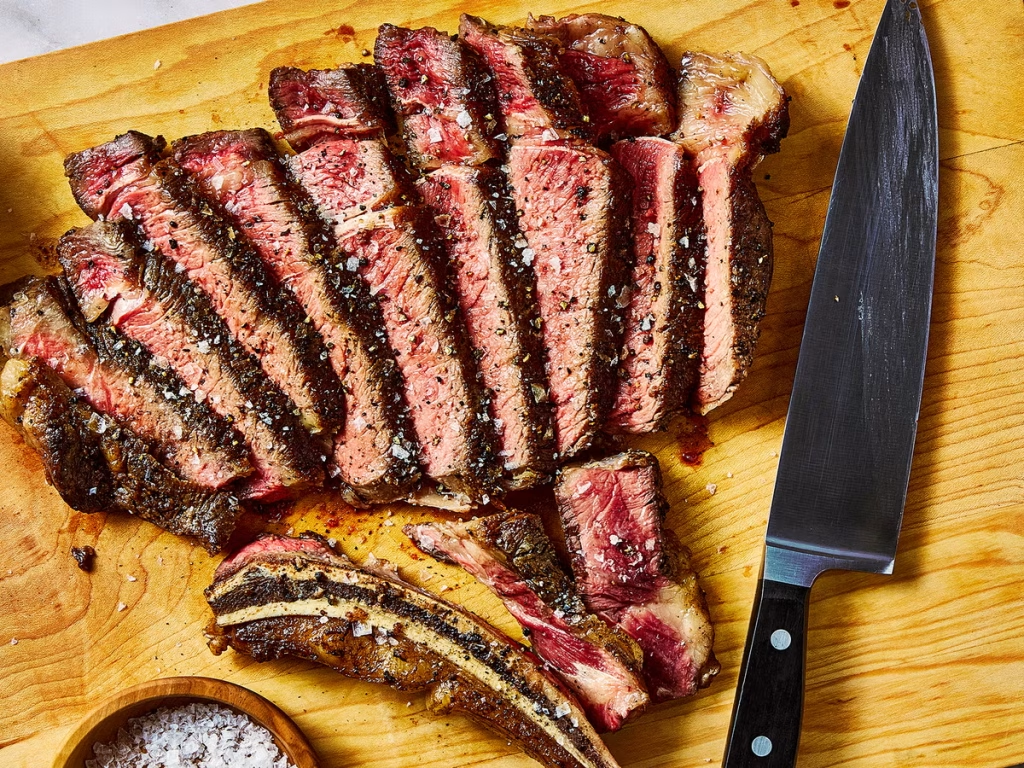
Enjoying steak doesn’t have to drain your wallet. Across the United States, cheap steak cuts like chuck eye, flat iron, skirt, flank, and top sirloin offer rich flavor and satisfying texture when cooked correctly. By knowing where to buy, how to season, and which cooking techniques to use, you can serve meals that rival expensive steaks at a fraction of the cost.
Key Takeaways:
Choose Choice or Select grade for the best value
Buy from grocery stores, local butchers, warehouse clubs, or farmers’ markets
Use marinades and high-heat cooking techniques to enhance flavor and tenderness
Take advantage of weekly sales, bulk purchases, and freezer storage
Don’t be afraid to experiment with less common cuts, they often outperform pricier steaks
Whether you’re a busy professional, a student, or just someone who loves a good steak, these tips will help you enjoy restaurant-quality beef without breaking the bank.
Share your favorite budget steak recipe in the comments
Tell us which cheap steak cut is your go-to for weeknight dinners
Bookmark this guide to turn every inexpensive steak into a gourmet meal.
Quickly compare affordability vs tenderness. Choose the best steak cut for your budget and cooking skills.
