

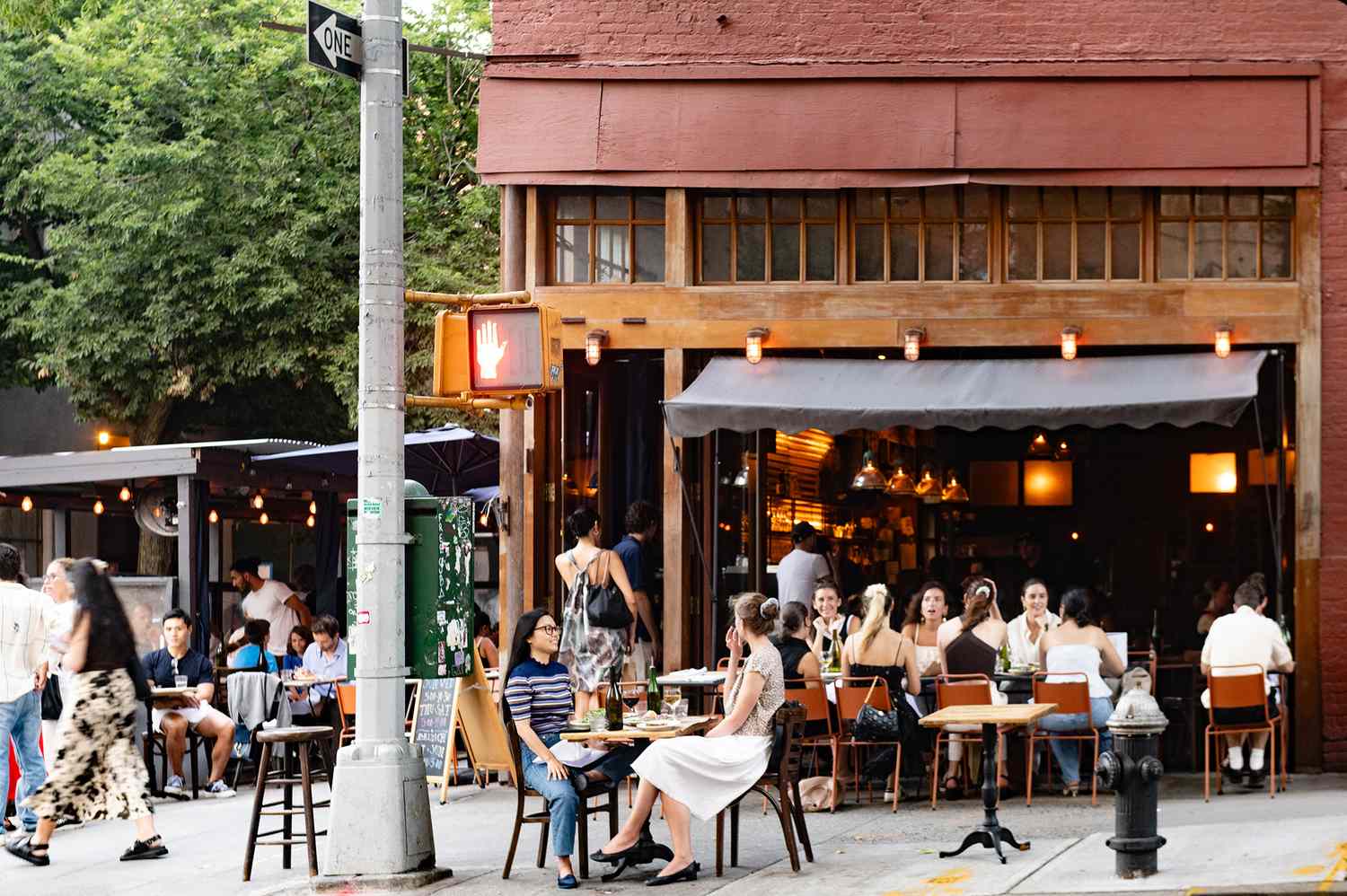
Eating out in the United States used to feel simple. You walked into a restaurant, ordered a decent meal, paid a fair price, and left satisfied. Today, that same experience can feel like a financial gamble. Menus look familiar, but prices quietly climb. Portions shrink. Service fees appear out of nowhere. And suddenly, a casual meal costs more than it should. That frustration is exactly why millions of Americans search for cheap restaurants every single day.
The truth is, cheap restaurants still exist all across the US. They just are not always obvious. They are not always the ones with flashy ads or polished interiors. Often, they are tucked into neighborhoods, run by families, or quietly serving loyal customers who know real value when they see it. These are places where affordability does not mean sacrificing flavor, cleanliness, or satisfaction. And once you know how to spot them, eating out on a budget stops feeling impossible.
This guide is not another shallow list of fast food chains or generic recommendations you have already seen recycled online. It is a deep, practical breakdown of how cheap restaurants actually work in the United States. Why some places can charge less. Where the best value meals are hiding. How locals consistently eat well without overspending. Whether you are a student stretching a tight budget, a family trying to cut costs, a worker grabbing affordable lunch, or a traveler tired of overpriced meals, this guide was written with you in mind.
You will learn what cheap restaurants really mean in the US, how prices differ by city and region, and which types of restaurants consistently offer the best value. You will discover national chains that are still affordable, local spots that quietly beat them on price and quality, and smart strategies Americans use to eat out more often while spending less. Most importantly, you will understand how to avoid places that pretend to be cheap but drain your wallet anyway.
By the time you finish reading, you will not just know where to eat cheaply. You will know how to think like someone who never overpays for food. You will be able to find cheap restaurants near you with confidence, walk in knowing what to order, and leave feeling full rather than regretful. In a country where the cost of living keeps rising, that knowledge is not just helpful. It is powerful.
What Cheap Restaurants Really Means in the United States
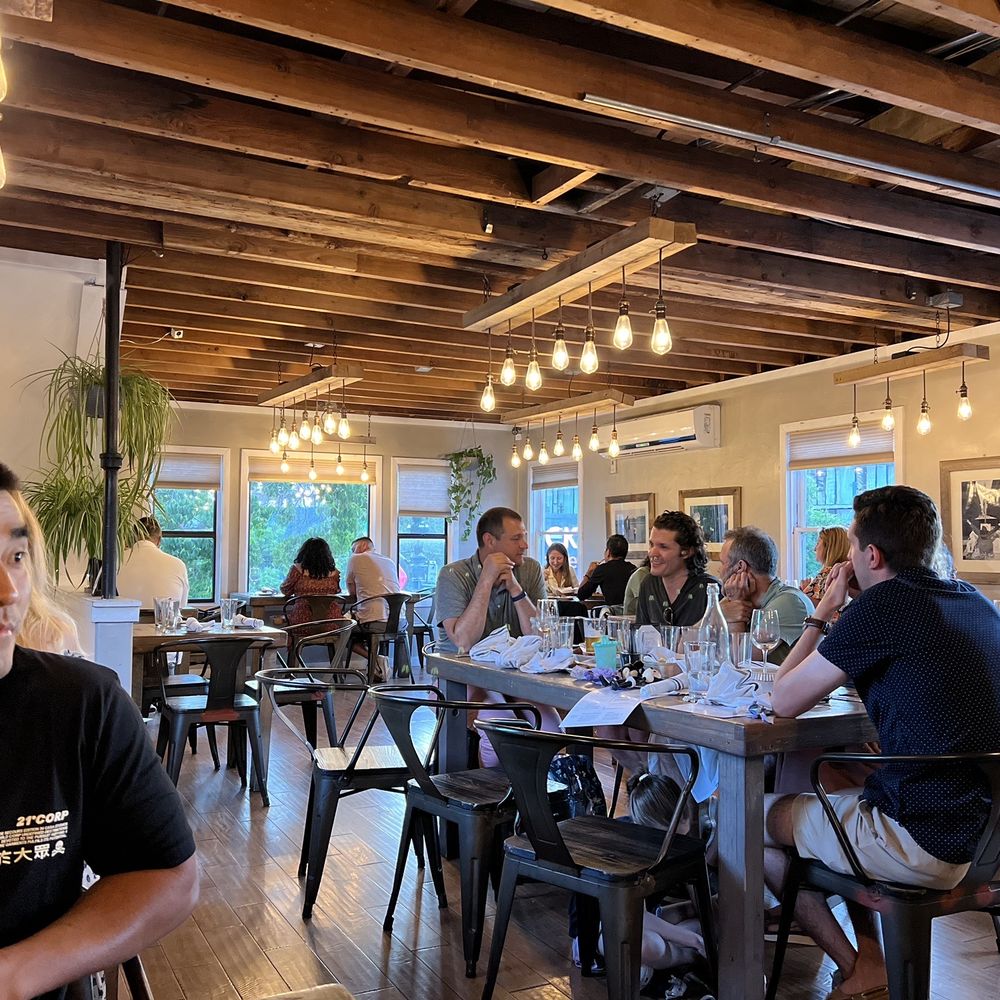
Before you can truly find cheap restaurants in the US, you need to understand what the word cheap actually means in an American dining context. This is where many articles fail. They jump straight into lists without explaining the landscape, leaving readers confused or disappointed when prices do not match expectations.
In the United States, cheap does not mean the same thing everywhere. A cheap restaurant in New York City looks very different from a cheap restaurant in a small town in Ohio or a suburb in Texas. What matters is value relative to location, portion size, and food quality.
Average Cost of Eating Out in the US
Across the country, the average cost of eating out has increased steadily over the past few years. In major cities, a standard sit-down meal can easily exceed what most people consider reasonable for everyday eating. Even fast food prices have quietly climbed, making many Americans question where their money is actually going.
In general terms, a cheap restaurant in the US is one where a full meal costs significantly less than the local average. In smaller towns or rural areas, that might mean a meal under ten dollars. In big cities, cheap often means under fifteen dollars, especially if portions are generous and tipping expectations are reasonable.
This relative pricing is important. Someone searching for cheap restaurants is not necessarily looking for the absolute lowest price possible. They are looking for places where the cost feels fair for what they receive. That emotional satisfaction matters just as much as the number on the receipt.
Cheap Does Not Mean Low Quality
One of the biggest misconceptions about cheap restaurants is that low prices automatically mean poor quality food. In reality, some of the best meals in the US are also some of the most affordable. The difference lies in how the restaurant operates.
Many cheap restaurants keep costs low by focusing on a small menu, buying ingredients in bulk, and minimizing waste. Family-owned restaurants often do not pay franchise fees or spend heavily on marketing, allowing them to pass savings directly to customers. Ethnic restaurants frequently rely on traditional cooking methods and staple ingredients that are both flavorful and affordable.
These places do not cut corners on cleanliness or taste. Instead, they prioritize consistency and volume. When a restaurant serves the same community day after day, reputation becomes everything. That pressure often leads to better food, not worse.
Portion Size and Value Matter More Than Price Alone
A meal that costs a few dollars less but leaves you hungry is not truly cheap. Smart diners in the US understand that portion size plays a huge role in perceived value. Cheap restaurants often serve filling meals designed to satisfy working people, students, and families.
This is why diners, Mexican restaurants, Chinese takeout spots, and Middle Eastern eateries are consistently ranked among the most affordable places to eat. They focus on hearty portions that stretch ingredients while still delivering flavor.
When evaluating cheap restaurants, Americans subconsciously ask one question. Will this meal keep me full without making me regret the price. If the answer is yes, the restaurant earns repeat business.
Why Americans Search for Cheap Restaurants So Often
The demand for cheap restaurants in the US is not driven by laziness or low standards. It is driven by economics and lifestyle. The cost of housing, transportation, healthcare, and education has increased faster than wages in many areas. Eating out, once a casual expense, now requires strategy.
Students search for cheap restaurants because they want social experiences without draining their budgets. Families look for affordable dining options that do not feel like a compromise. Workers want reliable lunch spots that fit within daily spending limits. Travelers want local food without paying tourist prices.
This constant pressure has created a culture of value-seeking diners. People are not just searching for cheap food. They are searching for smart choices. Restaurants that understand this thrive even in tough economic times.
Location Changes Everything
A cheap restaurant in downtown San Francisco is not priced the same as a cheap restaurant in a Midwest college town. Rent, labor costs, and local demand all influence menu prices. That is why blanket lists of cheap restaurants often feel inaccurate or misleading.
Instead of focusing on absolute prices, experienced diners focus on patterns. They look for certain types of restaurants that consistently offer better value regardless of location. They avoid areas designed solely for tourists. They pay attention to where locals eat regularly, especially during lunch hours.
Understanding these patterns gives you a massive advantage. It turns eating out from a financial risk into a predictable, manageable expense.
Types of Cheap Restaurants You’ll Find Across the US
Cheap restaurants in the United States are not random. They fall into clear, repeatable categories. Once you understand these categories, finding affordable places to eat becomes much easier, no matter which state or city you are in.
Americans who consistently eat well on a budget are not guessing. They follow patterns that work.
Fast Casual Restaurants
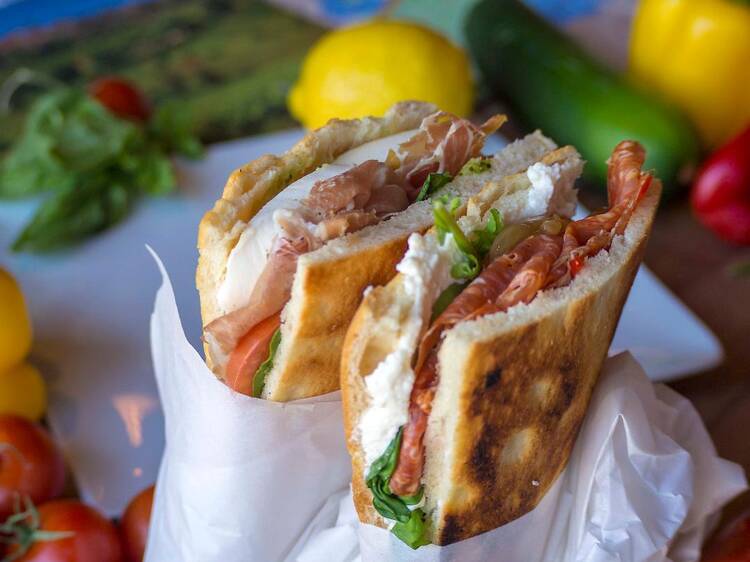
Fast casual restaurants sit in the sweet spot between fast food and traditional sit-down dining. They offer higher-quality ingredients than typical drive-through chains but keep prices lower by limiting table service and simplifying menus.
These restaurants usually focus on customizable meals like bowls, wraps, salads, and sandwiches. Customers order at a counter, food is prepared quickly, and tipping is minimal or optional. This structure allows fast casual restaurants to keep labor costs down while still offering fresh food.
In many US cities, fast casual restaurants are among the best options for cheap meals because they cater to workers and students who eat out frequently. Portions are usually filling, and prices stay competitive because these businesses rely on volume rather than high margins.
Fast casual places are especially common near business districts, college campuses, and shopping areas. If you are looking for a cheap restaurant that feels modern and reliable, this category is often a good place to start.
Local Diners and Family-Owned Restaurants
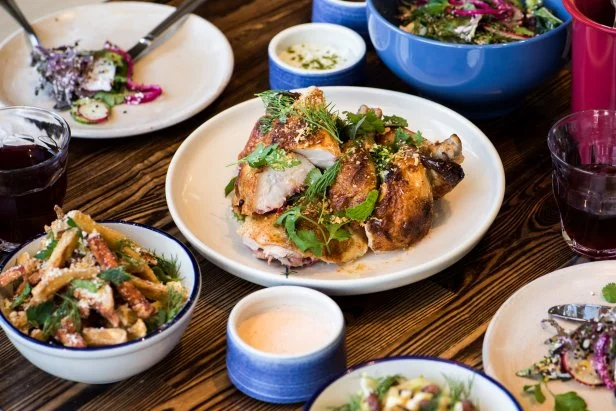
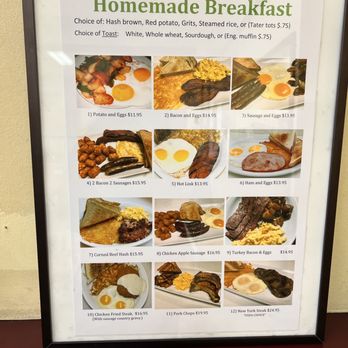
Few things represent affordable American dining better than the local diner. Diners have survived for decades because they understand their customers. They serve familiar food, large portions, and consistent quality at prices designed for everyday eating.
Breakfast is where diners shine the most. Pancakes, eggs, bacon, hash browns, and coffee are inexpensive to produce and easy to serve in generous portions. That is why diners often offer some of the cheapest sit-down meals you can find anywhere in the US.
Family-owned restaurants follow a similar model. Without corporate overhead or franchise fees, these businesses can price meals more fairly. Many of them rely on repeat customers rather than tourists, which encourages honest pricing and reliable portion sizes.
These restaurants may not look flashy, but they often deliver the best value. When locals pack a small restaurant during lunch or early dinner hours, it is usually a strong sign that prices are reasonable and food is satisfying.
Ethnic Restaurants Offering the Best Value
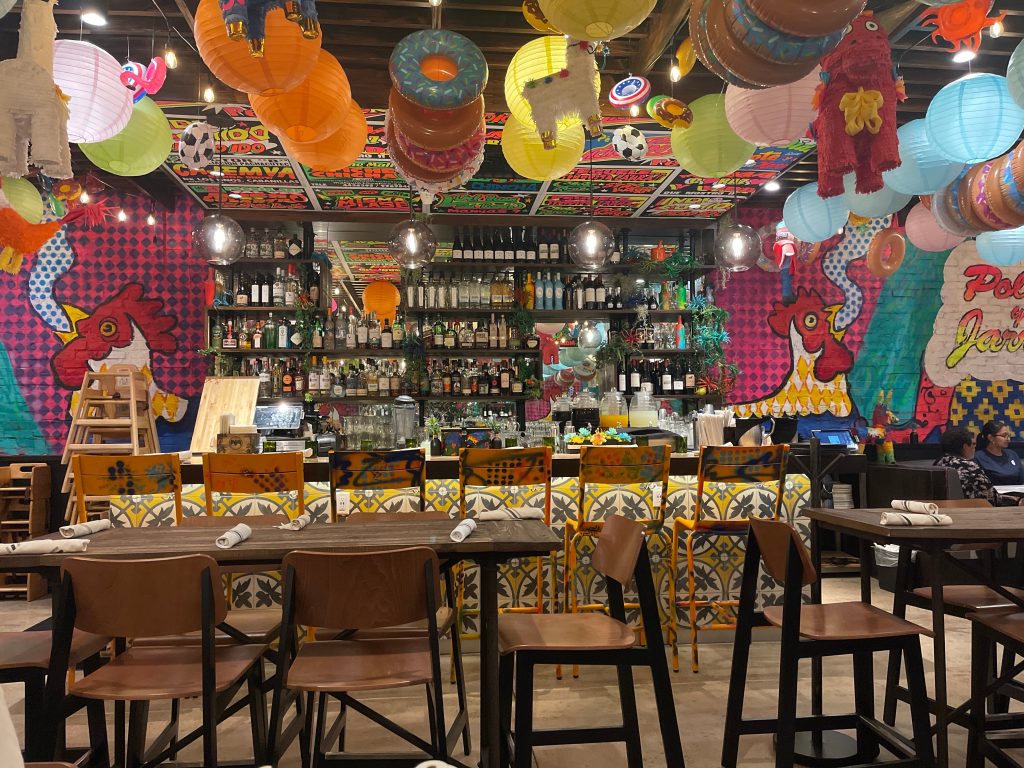
Ethnic restaurants are some of the most reliable sources of cheap, filling, and flavorful food in the United States. This is not accidental. Many of these cuisines are built around staple ingredients that are affordable, nutritious, and easy to prepare in large quantities.
Mexican restaurants often offer generous portions of rice, beans, tortillas, and protein at prices that beat most American chains. Chinese takeout spots use efficient cooking methods that allow them to serve large meals quickly and cheaply. Indian restaurants frequently offer lunch buffets or combination plates that provide exceptional value.
Middle Eastern and African restaurants are also known for affordable platters designed to feed families. These meals are meant to be shared, which naturally lowers the cost per person.
Because many ethnic restaurants are family-run, pricing is often based on community expectations rather than maximizing profit. These places thrive on loyalty, not marketing. That makes them a goldmine for anyone searching for cheap restaurants in the US.
Cheap Fast Food Chains Still Worth Eating At
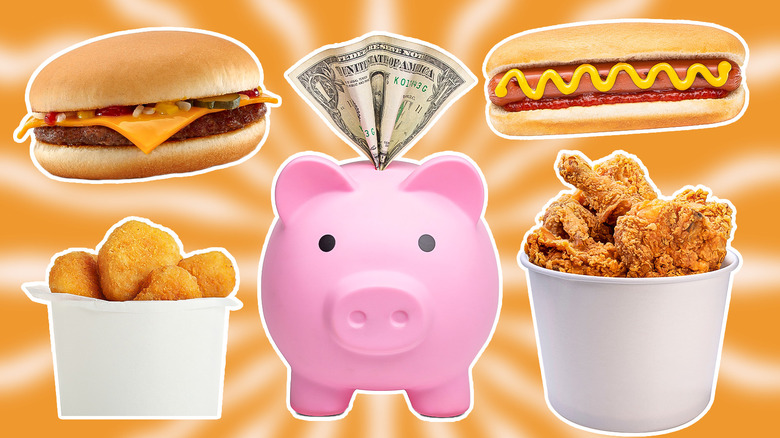
Fast food has always been associated with affordability, but not all fast food chains remain truly cheap. Some have raised prices to the point where they no longer make sense for budget-conscious diners.
That said, a few chains still offer real value, especially if you know what to order. Value menus, app-exclusive deals, and combo pricing can significantly lower the cost of a meal. These chains rely on speed and scale, which allows them to keep certain items priced aggressively.
Cheap fast food works best when used strategically. Ordering the right items and avoiding unnecessary add-ons can turn a fast food stop into one of the cheapest meals available, especially in high-cost cities.
For many Americans, fast food remains a fallback option when time is limited and budgets are tight. Knowing which chains still deliver value can save money without sacrificing convenience.
Food Trucks and Street Food Spots
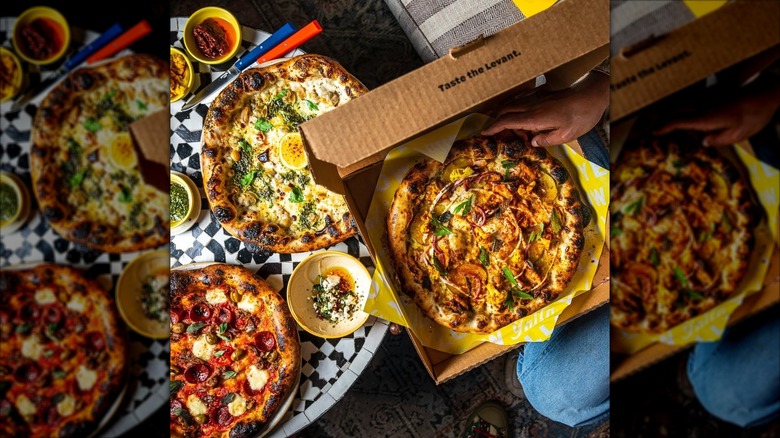
In many US cities, food trucks and street food vendors offer some of the cheapest and most exciting meals available. These businesses operate with lower overhead than traditional restaurants, which allows them to keep prices competitive.
Food trucks often specialize in a small number of dishes, perfecting them over time. This focus reduces waste and improves efficiency. Customers benefit from bold flavors, generous portions, and lower prices.
Street food is especially popular in urban areas, near construction sites, office buildings, and nightlife zones. Locals often know which trucks are worth visiting, and lines are usually a good sign of quality and value.
Best Cheap Restaurant Chains in the US
When Americans talk about cheap restaurants, national chains often come up first. That is because chains have scale, predictable pricing, and locations everywhere. While not every chain is still affordable, a few consistently deliver real value when you know what to order.
Cheapest National Restaurant Chains
Some restaurant chains are built around serving high volumes at low prices. These chains focus on speed, simple menus, and standardized ingredients, which allows them to keep costs down across hundreds or thousands of locations.
Restaurants in this category usually offer meals that fall well below the average sit-down price in most US cities. They attract students, workers, families, and anyone looking for consistency without overspending.
Because these chains compete heavily on price, they frequently introduce limited-time deals, combo offers, and value items. Customers who pay attention to menus and promotions can eat cheaply without sacrificing convenience.
McDonald’s
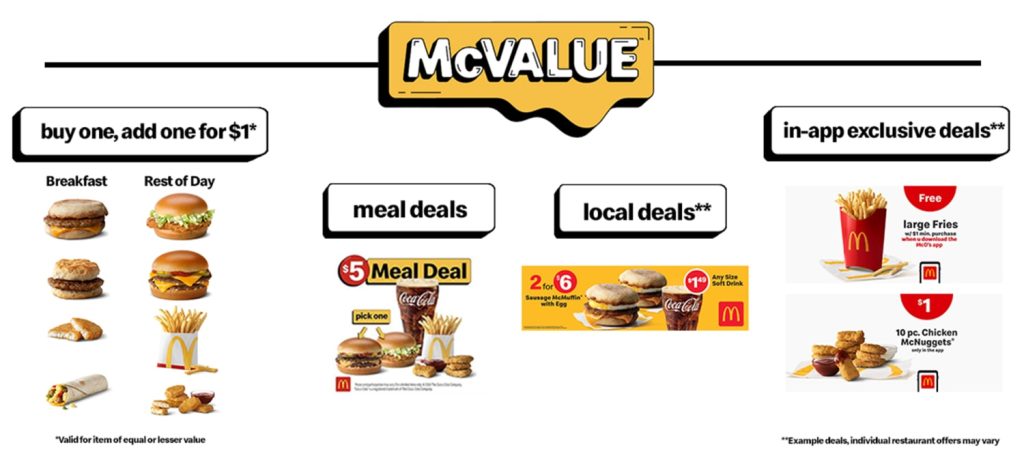
McDonald’s remains one of the most recognizable cheap restaurant options in the US. While prices have increased over time, the value menu still provides some of the lowest-cost meals available nationwide.
The key to eating cheaply at McDonald’s is avoiding premium items and focusing on core offerings. Basic sandwiches, fries, and breakfast items offer the best value. Mobile app deals often reduce prices even further, making McDonald’s one of the cheapest reliable options in many areas.
For people who need a quick, predictable meal on a tight budget, McDonald’s continues to serve that role.
Taco Bell
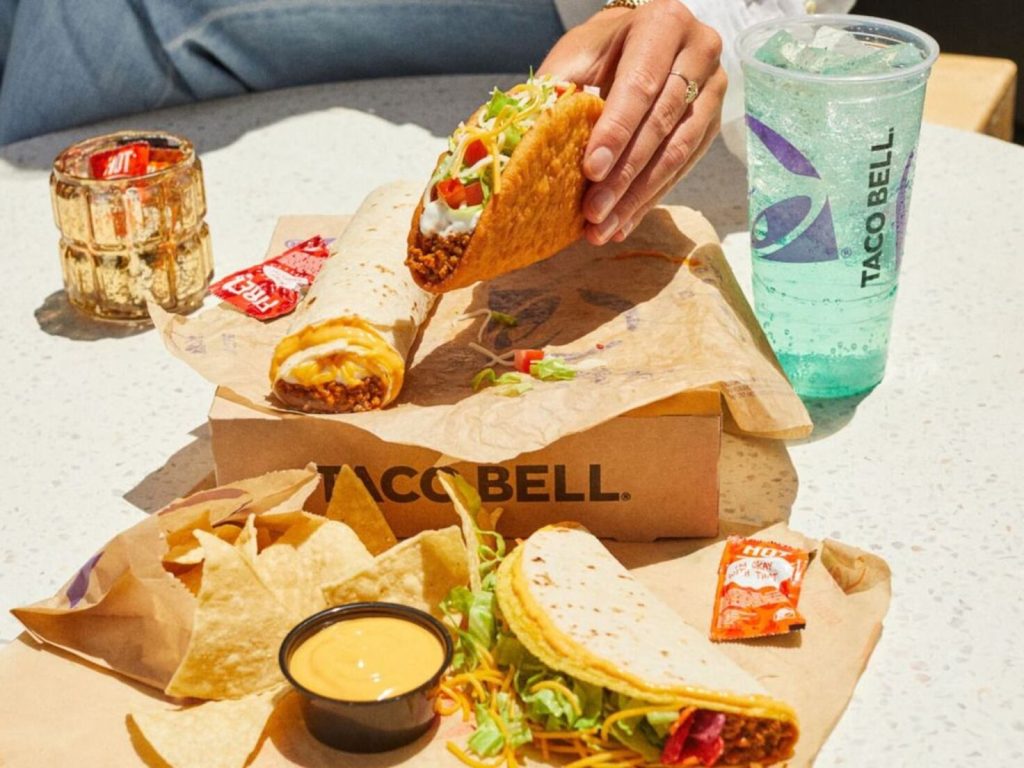
Taco Bell is widely considered one of the cheapest fast food chains in America. Its menu is designed around low-cost ingredients like tortillas, rice, beans, and seasoned protein, which keeps prices low.
The value menu offers filling items at prices that are hard to beat, especially in high-cost cities. Taco Bell is also known for generous portion sizes relative to price, which makes it appealing to students and young adults.
For budget diners, Taco Bell often delivers one of the best calorie-to-dollar ratios in fast food.
Little Caesars
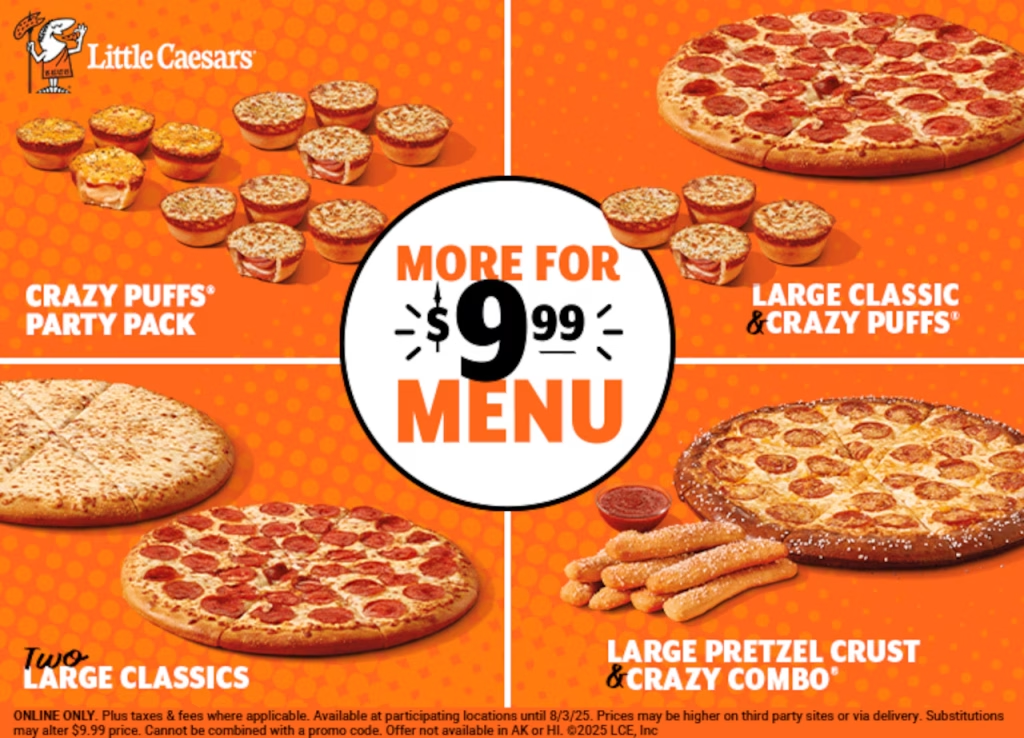
Little Caesars stands out as one of the cheapest pizza options in the United States. Its Hot-N-Ready model allows customers to walk in and leave with a full pizza for a low price, without waiting or customization costs.
This approach reduces labor and preparation expenses, which translates into savings for customers. For families or groups, Little Caesars offers one of the most cost-effective ways to eat out.
While it may not be gourmet, it delivers solid value and filling portions at a price few competitors can match.
Subway
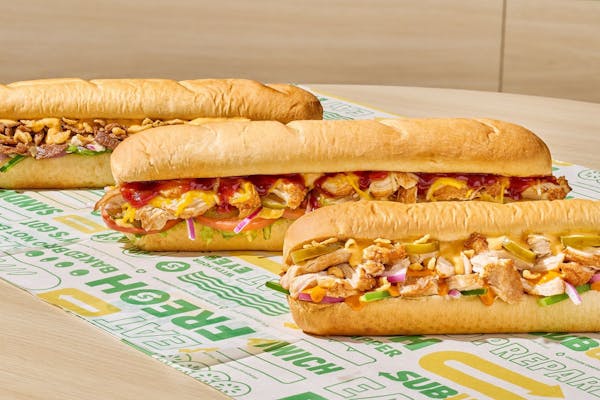
Subway can be a cheap restaurant option when ordered strategically. While some premium subs are expensive, basic sandwiches remain affordable and customizable.
By choosing simple bread, standard protein, and basic toppings, customers can create filling meals at a reasonable price. Subway locations are widespread, making them a convenient choice for budget-conscious diners on the go.
Subway also appeals to people looking for cheaper meals with lighter ingredients compared to fried fast food.
Cheap Sit-Down Restaurant Chains

Sit-down restaurants are often assumed to be expensive, but several US chains specialize in affordable dining. These restaurants keep prices lower by offering simplified menus, daily specials, and high-volume service.
They appeal to families and groups who want a relaxed dining experience without paying premium prices. Many of them also offer promotions during off-peak hours.
Denny’s and IHOP
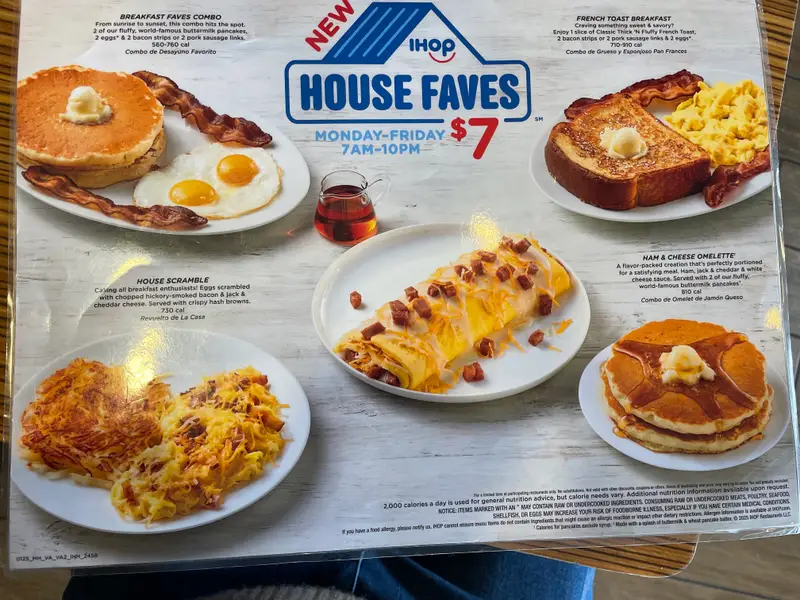
Denny’s and IHOP are known for affordable breakfast options served all day. Breakfast foods are inexpensive to produce, allowing these chains to offer large meals at reasonable prices.
Pancakes, eggs, hash browns, and coffee create filling plates that cost less than most lunch or dinner meals. For budget diners, breakfast at these restaurants often provides the best value.
Applebee’s and Chili’s Budget Options
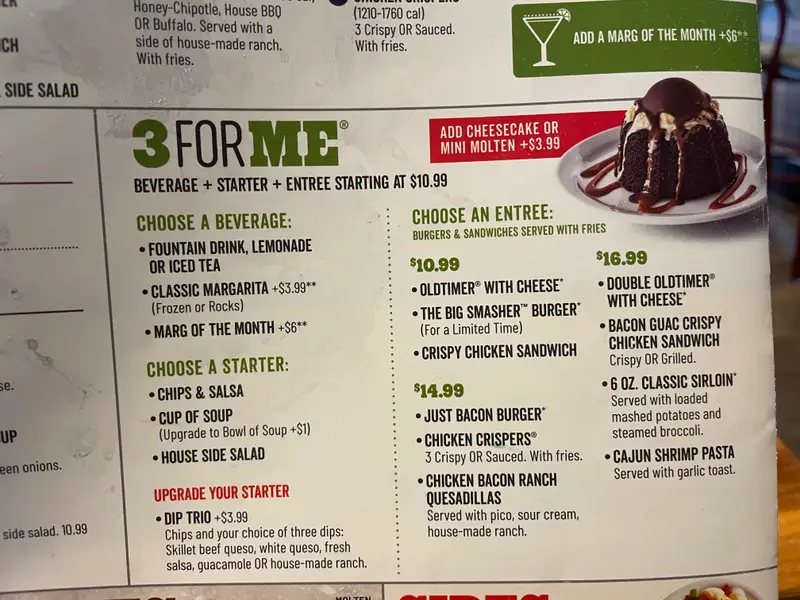
Applebee’s and Chili’s are not always cheap, but their value menus and meal deals can make them affordable. Promotions like two-for-one meals or fixed-price combos lower the cost of dining out.
These restaurants are popular for casual dinners where customers want sit-down service without fine-dining prices. Ordering from the value menu is key to keeping costs under control.
Cheap Restaurants Near Me: How Americans Actually Find Them
People do not just search for cheap restaurants out of curiosity. Most of the time, they are hungry, nearby, and ready to spend money. That is why searches like cheap restaurants near me carry strong intent. Understanding how Americans actually find affordable places to eat gives readers practical tools they can use immediately.
Using Google Search and Google Maps
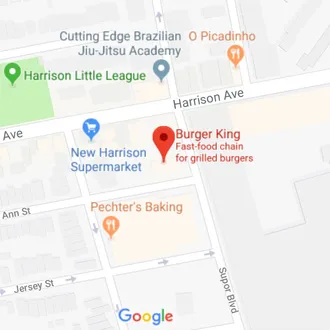
Google is the first stop for most Americans looking for cheap restaurants nearby. When someone types cheap restaurants near me, Google combines location data, reviews, price indicators, and popularity to display results.
Google Maps is especially powerful because it allows users to filter restaurants by price range. Restaurants labeled as inexpensive or moderately priced usually appear first. Reviews also play a major role. Places with many positive reviews often indicate good value rather than just good marketing.
Smart diners check photos uploaded by real customers. These photos show portion sizes and menu prices more honestly than promotional images. If a restaurant looks busy during lunch or dinner hours, that is often a sign locals trust it for affordable meals.
Using Yelp and Restaurant Review Platforms
Yelp remains one of the most popular platforms for finding cheap restaurants, especially in cities. Users can filter restaurants by price, distance, and cuisine, making it easier to narrow down affordable options.
What makes Yelp useful is detailed written reviews. Customers often mention prices, portion sizes, and whether a meal feels worth the cost. Reading multiple reviews gives a clearer picture than star ratings alone.
Yelp is also helpful for spotting tourist traps. Restaurants with flashy photos but complaints about pricing and small portions are usually best avoided when eating on a budget.
Asking Locals and Online Communities

One of the most reliable ways to find cheap restaurants in the US is by asking locals. People who live in an area know which restaurants deliver real value and which ones overcharge.
Online communities make this easier than ever. City-based Reddit forums are filled with honest discussions about affordable food spots. Facebook neighborhood groups often share recommendations for cheap takeout, diners, and family-owned restaurants.
Unlike professional reviews, local recommendations are usually blunt and practical. If a restaurant is overpriced, locals will say so. If it serves large portions for low prices, word spreads quickly.
College Areas and Working-Class Neighborhoods
One of the most reliable ways to find cheap restaurants in the US is by asking locals. People who live in an area know which restaurants deliver real value and which ones overcharge.
Online communities make this easier than ever. City-based Reddit forums are filled with honest discussions about affordable food spots. Facebook neighborhood groups often share recommendations for cheap takeout, diners, and family-owned restaurants.
Unlike professional reviews, local recommendations are usually blunt and practical. If a restaurant is overpriced, locals will say so. If it serves large portions for low prices, word spreads quickly.
Why Location-Based Searches Matter for Cheap Restaurants
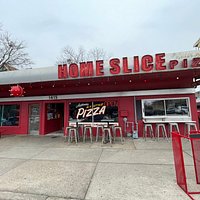
Cheap restaurants are often hyper-local. A place that feels affordable in one neighborhood may feel expensive just a few miles away. That is why searching locally matters more than relying on national lists.
Americans who consistently eat cheaply understand this. They search within specific areas, compare nearby options, and avoid zones built for tourists or luxury dining. Over time, they develop a mental map of affordable food spots around their homes and workplaces.
Learning how to search locally turns eating out into a predictable expense instead of a financial surprise.
Best Places to Find Cheap Food in Major US Cities
Cheap restaurants exist in every major US city, but they are rarely found in the most obvious places. Touristy streets, luxury districts, and entertainment zones often inflate prices. Locals know better. They follow patterns that consistently lead to affordable, satisfying meals.
Cheap Restaurants in New York City
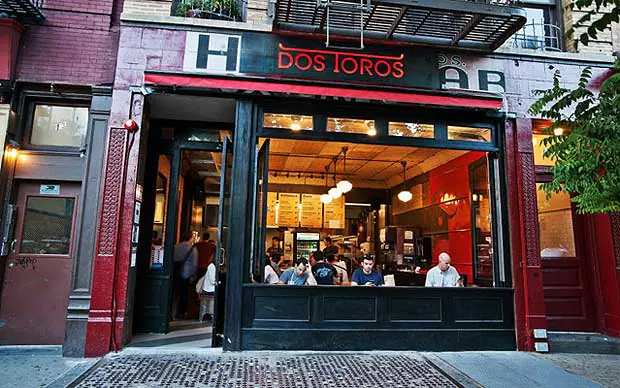
New York City is known for high prices, but it is also one of the best cities in the US for cheap food if you know where to look. The city’s diversity and density create intense competition, which helps keep prices reasonable in many neighborhoods.
Dollar slice pizza shops are one of the most famous examples of cheap NYC food. These spots offer quick, filling meals for a fraction of the cost of sit-down restaurants. Beyond pizza, neighborhoods like Queens and parts of Brooklyn are filled with affordable ethnic restaurants serving generous portions.
Food carts and street vendors are another major source of cheap meals in New York. Many workers rely on these vendors daily because they offer fast service and reasonable prices. Lunch specials at local restaurants also provide excellent value for anyone eating during the workday.
Cheap Restaurants in Los Angeles
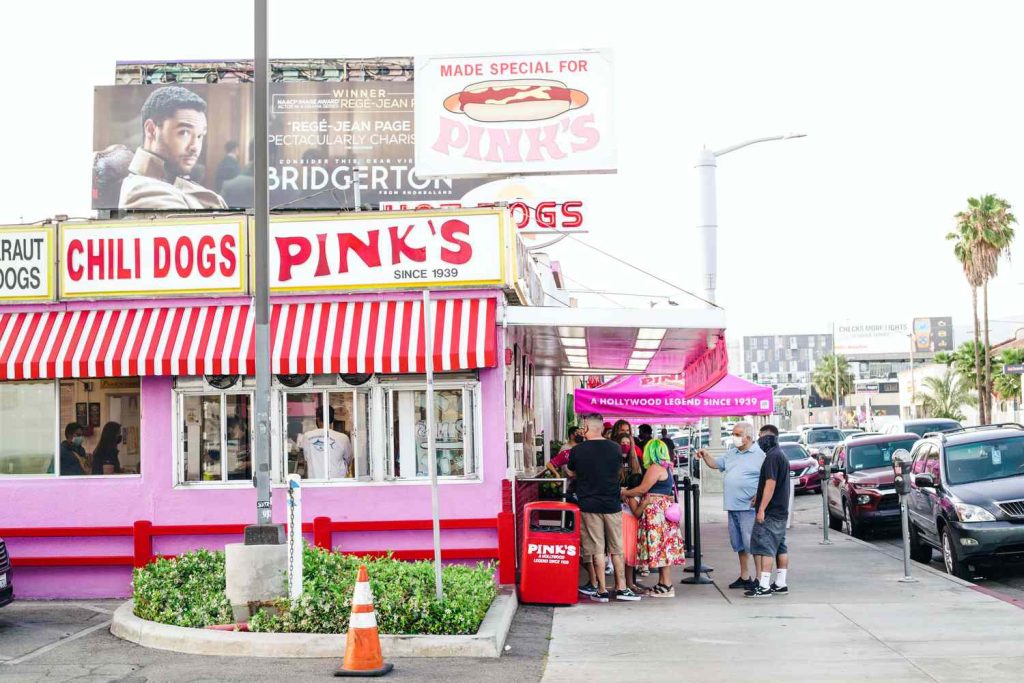
Los Angeles offers a massive range of cheap dining options thanks to its size and cultural diversity. While high-end restaurants dominate certain neighborhoods, many areas are packed with affordable food spots that locals rely on.
Taco stands and Mexican restaurants are some of the cheapest and most satisfying places to eat in Los Angeles. These spots serve large portions at low prices and are spread throughout the city. Korean restaurants also offer lunch specials and combo meals that provide strong value.
Food courts, strip mall restaurants, and small family-run eateries often deliver better prices than trendy dining districts. Locals avoid paying extra for ambiance and focus on where the food is best for the price.
Cheap Restaurants in Chicago
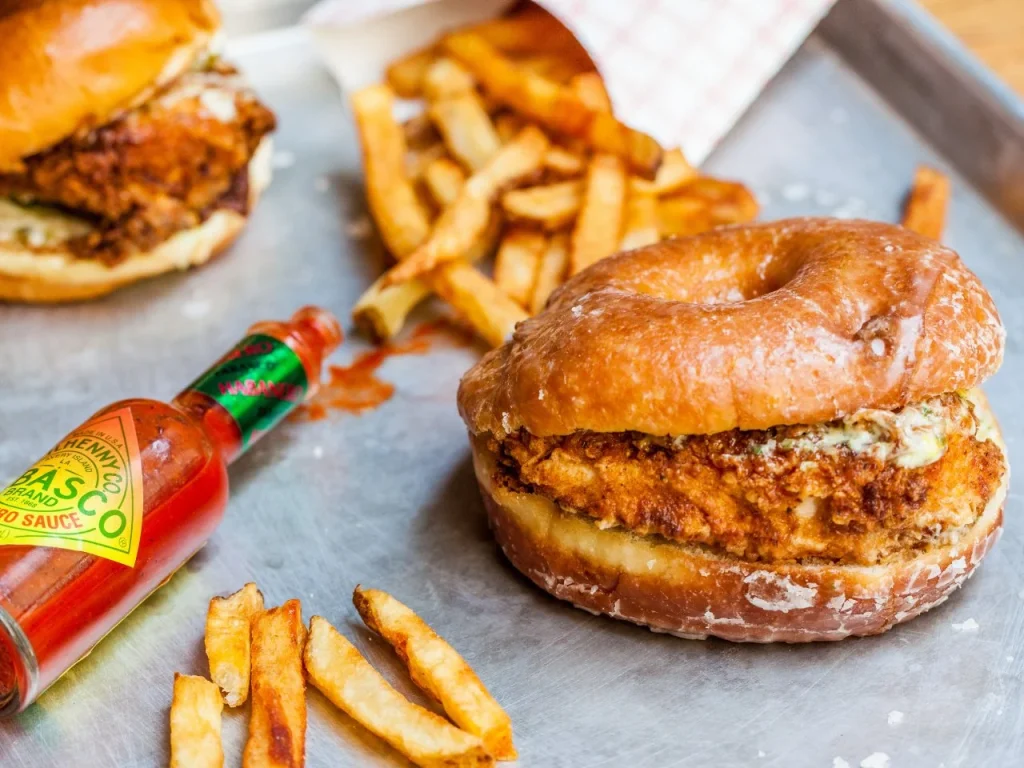
Chicago is known for hearty food, which works in favor of budget diners. Many cheap restaurants in Chicago focus on filling meals designed for working people.
Neighborhoods outside downtown offer some of the best value. Polish, Mexican, and Italian restaurants serve large portions at reasonable prices. Pizza spots, including deep-dish locations, often offer lunch deals that make meals more affordable.
Chicago diners and sandwich shops are also reliable for cheap breakfasts and lunches. These restaurants focus on consistency and volume, keeping prices accessible for regular customers.
Cheap Restaurants in Texas Cities
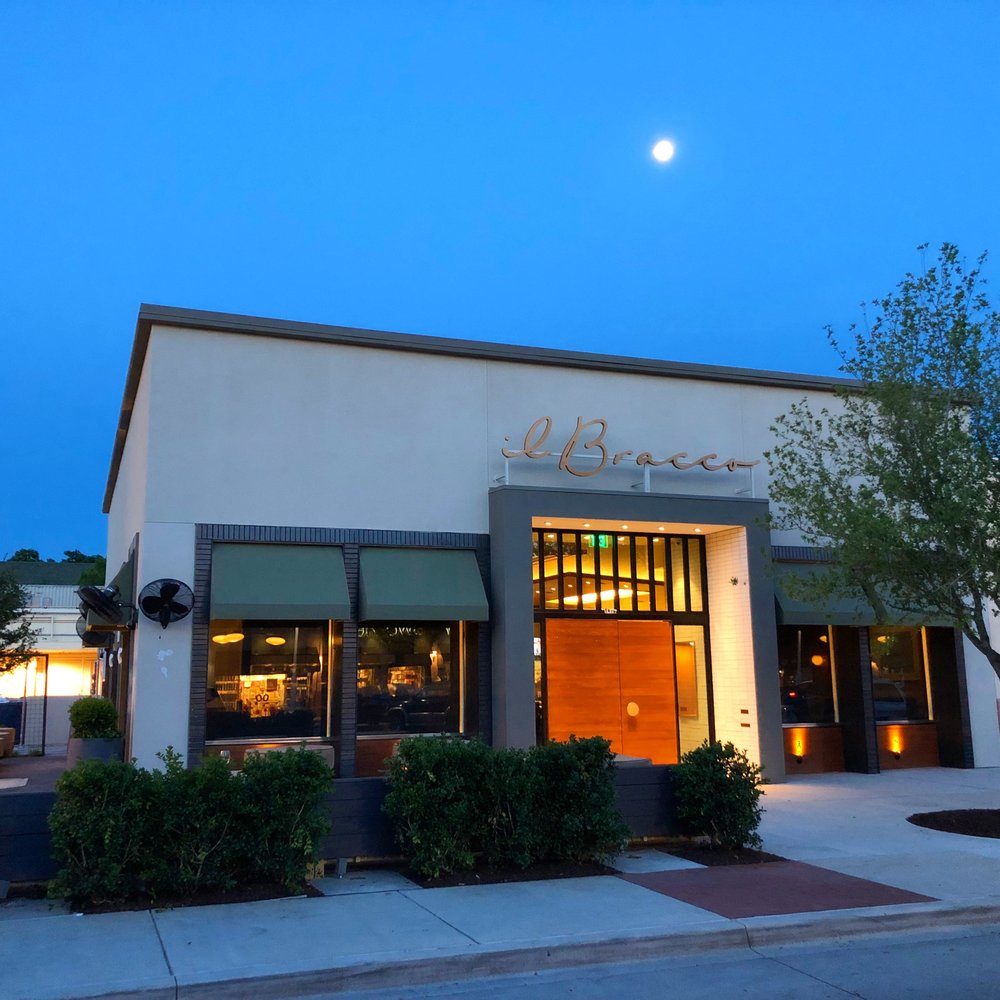
Texas cities are known for generous portions and relatively lower dining costs compared to coastal cities. This makes Texas one of the easiest states to eat well on a budget.
Tex-Mex restaurants are a staple of cheap dining in Texas. Combo plates with rice, beans, and protein offer filling meals at reasonable prices. Barbecue spots often provide value plates or lunch specials that deliver large portions for less.
Cities like Houston, Dallas, and San Antonio have vibrant food scenes with affordable options spread throughout residential areas. Locals often favor neighborhood restaurants over downtown locations to keep costs low.
Cheap Restaurants in College Towns Across the US
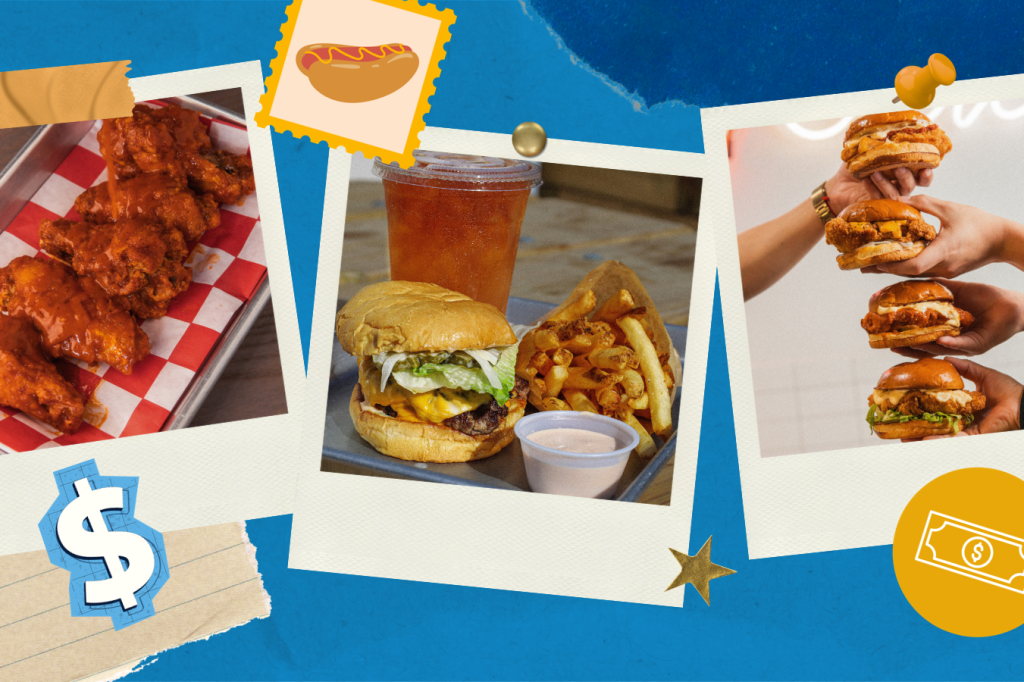
College towns are some of the best places to find cheap restaurants in the US. Restaurants in these areas compete for students who eat out frequently but have limited budgets.
Menus are often designed around value meals, daily specials, and filling portions. You will find diners, pizza shops, sandwich spots, and ethnic restaurants clustered around campuses.
Even non-students benefit from eating in college areas. Prices are usually lower, and restaurants are accustomed to high volume, which helps maintain affordability.
Why Major Cities Still Offer Cheap Restaurants
Large cities may seem expensive, but they also create competition. Rent and labor costs are high, but demand is even higher. Restaurants that fail to offer value quickly lose customers.
This pressure forces many businesses to specialize in affordable meals, especially during lunch hours. Locals learn which neighborhoods and restaurant types consistently offer the best prices.
Understanding how cities work helps diners avoid overpriced areas and focus on where cheap restaurants naturally thrive.
Cheap Restaurants vs Cooking at Home

Many people assume cooking at home is always cheaper than eating out. While that can be true, the reality in the United States is more nuanced.
Depending on location, lifestyle, and how people shop, cheap restaurants can sometimes rival or even beat home cooking in cost and convenience.
The Real Cost of Cooking at Home in the US
Cooking at home involves more than just buying ingredients. There are hidden costs that many people overlook. Grocery prices vary widely by state and city, and buying ingredients in small quantities can be surprisingly expensive.
Time is another factor. Meal planning, shopping, cooking, and cleaning all require effort. For busy workers, students, or families, that time has value. When groceries go unused and spoil, money is effectively wasted.
In some cases, especially for single people, cooking balanced meals at home can cost nearly as much as eating at cheap restaurants that benefit from bulk purchasing and efficient preparation.
When Cheap Restaurants Are Actually the Better Deal
Cheap restaurants often win on value when portion sizes are large and leftovers are possible. A single restaurant meal that provides dinner and lunch the next day can be cost-effective.
Lunch specials, combo plates, and value menus are designed to undercut home cooking for convenience-focused customers. Ethnic restaurants, diners, and fast casual spots frequently offer meals that cost less than buying multiple ingredients individually.
For people without access to a full kitchen or who live in high-rent areas with expensive grocery stores, cheap restaurants can be a practical alternative.
Where Cooking at Home Still Makes Sense
Cooking at home remains cheaper when meals are prepared in bulk. Families and households with multiple people benefit most from home cooking because ingredients are used efficiently.
Staple-based meals like soups, stews, rice dishes, and pasta can be prepared at low cost and eaten over several days. When planned properly, home cooking provides the lowest cost per serving.
The key difference is planning. Without planning, home cooking can become just as expensive as eating out.
Frequently Asked Questions About Cheap Restaurants
Are cheap restaurants safe to eat at in the United States?
Yes, cheap restaurants in the US are generally safe to eat at. All restaurants, regardless of price, must follow state and local health regulations. Health departments conduct routine inspections, and results are often public. In many cases, affordable local restaurants score just as well as expensive ones because cleanliness and food safety are not tied to menu prices.
A good practice is to check recent reviews and inspection scores when available. Restaurants with consistent traffic and repeat local customers are usually reliable.
What is considered a cheap restaurant in the US?
A cheap restaurant in the United States is one where a full, satisfying meal costs less than the local average. In smaller towns or suburban areas, this often means meals under ten dollars. In large cities, cheap may mean meals under fifteen dollars, especially when portion size and quality are good.
The key factor is value. A meal is cheap when the price feels fair for how filling and enjoyable it is.
Are fast food restaurants still the cheapest option?
Fast food can still be cheap, but not always. Some fast food chains have raised prices to the point where they compete with fast casual or diner-style restaurants. However, value menus, mobile app deals, and limited-time promotions can still make fast food one of the most affordable options, especially in high-cost cities.
Fast food is cheapest when ordered strategically and without unnecessary add-ons.
Why do ethnic restaurants tend to be cheaper?
Ethnic restaurants often rely on traditional recipes built around affordable staple ingredients. Many are family-owned and operate with lower overhead than large chains. These restaurants also focus on serving their local communities, which keeps pricing competitive and portions generous.
Because they depend on repeat customers rather than tourists, value and consistency matter more than branding.
Is eating at cheap restaurants bad for your health?
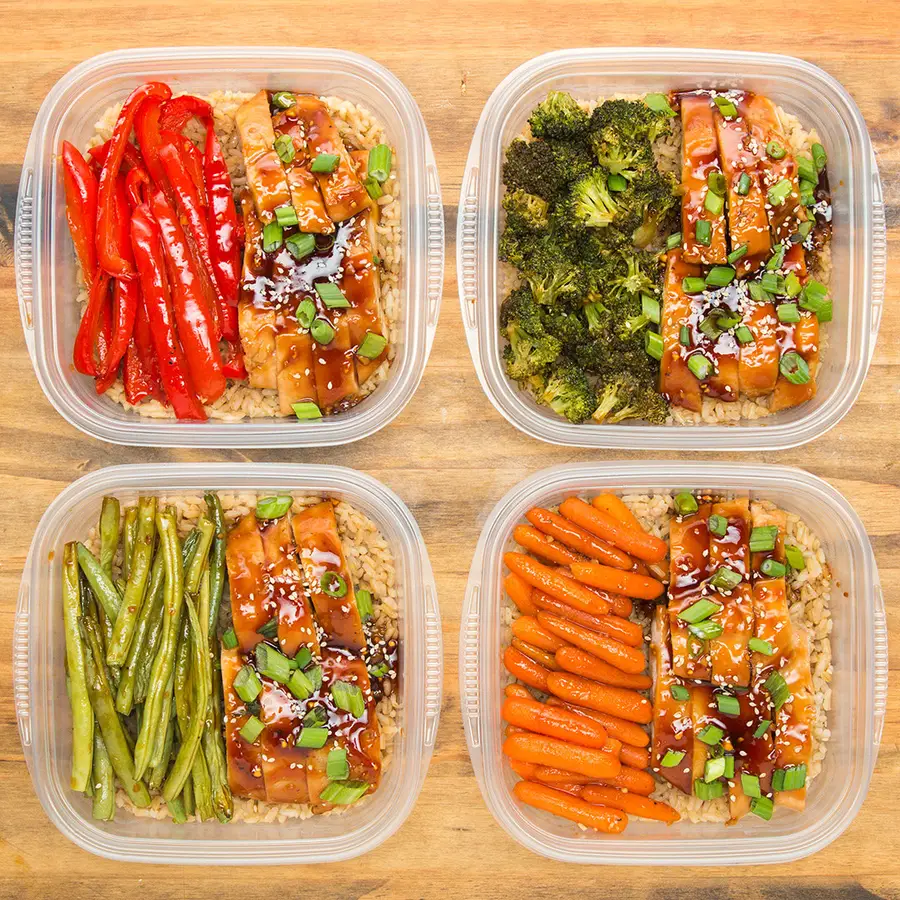
Not necessarily. Cheap does not automatically mean unhealthy. Many affordable restaurants serve balanced meals that include proteins, grains, and vegetables. The health impact depends on what you order and how often you eat out.
Choosing grilled items, rice-based meals, soups, and dishes with vegetables can make cheap restaurant eating both affordable and reasonable.
How can I find cheap restaurants near me quickly?
The fastest way is to use Google Maps and filter by price range. Reading recent reviews, checking customer photos, and looking for busy spots during lunch hours are reliable indicators of value.
Asking locals through online communities or neighborhood groups also leads to better recommendations than generic lists.
Conclusion
Cheap restaurants are not disappearing in the United States. They are simply changing shape. The people who find them consistently are not lucky. They understand how value works, where locals eat, and which restaurant types naturally keep prices fair.
Eating well on a budget is not about cutting corners or settling for less. It is about knowing where to look, how to order, and when to eat. From diners and ethnic restaurants to fast casual spots and city lunch specials, affordable meals are still everywhere if you know the patterns.
Once you stop chasing hype and start following value, eating out becomes enjoyable again. You leave full, satisfied, and confident that your money was well spent.
