

Rent is eating paychecks alive. Groceries feel like luxury items. Gas prices fluctuate like a bad mood. And every time you open a housing app, it feels like the American Dream quietly packed its bags and moved somewhere cheaper.
But here’s the truth most people do not realize yet.
There are still cheap places to live in the US where real people are paying reasonable rent, buying homes without crushing debt, and actually saving money at the end of the month. These places exist right now. They are not scams. They are not unsafe ghost towns. And they are not impossible to find if you know where to look and what numbers actually matter.
The problem is that most articles ranking on Google do not tell the full story. They throw together a list of cities without explaining why those cities are affordable, who they are best for, or what hidden costs could quietly destroy your budget after you move. That is how people end up frustrated, broke, and wondering why moving did not fix anything.
This guide is different.
This is a deeply researched, human-written breakdown of the cheapest places to live in the United States, built for real life and real budgets. Whether you are trying to escape high rent, start over in a new city, retire comfortably, work remotely, or raise a family without drowning in bills, this guide was written for you.
Inside this guide, you will discover the cheapest cities in America where rent is still realistic and jobs actually exist. You will learn which states quietly offer massive tax advantages and which cheap cities are secretly expensive once hidden costs are added. You will see where buying a home makes sense, where renting is smarter, and how far your money can actually go in each location.
We will break down real rent prices, home values, cost of living data, job markets, and lifestyle factors that most websites completely ignore. You will also see which cheap places are best for families, retirees, young professionals, and remote workers, so you are not guessing or gambling with your future.
If you are tired of barely surviving in an expensive city and wondering where Americans are actually moving to save money and breathe again, keep reading. The affordable life you think disappeared did not vanish. It just moved somewhere quieter, cheaper, and smarter.
Let’s find it.
What Actually Makes a Place Cheap to Live in the US
Before listing cities, it is important to understand something most websites completely ignore. A cheap place to live is not just about low rent. Many people move chasing cheap housing and end up spending more overall because of hidden costs they never planned for.
A truly affordable place balances housing, income, taxes, transportation, and everyday living expenses in a way that lets you keep more of your money every month.
Below is how affordability really works in the United States.
Cost of Living Index Explained in Simple Terms
The cost of living index compares how expensive a city is versus the national average, which is set at 100.
If a city has a cost of living index of 85, it means living there is 15 percent cheaper than the national average. If it is 120, that city is 20 percent more expensive.
However, this number alone is misleading if income levels are low or taxes are high. That is why we combine it with other factors.
Median Rent vs Median Income
This is one of the most important affordability indicators.
If rent consumes more than 30 percent of your monthly income, you are considered cost burdened. Many expensive cities push renters past 40 or even 50 percent.
Cheap places to live usually fall into one of these categories:
• Rent is low while income is average
• Rent is moderate but income is high
• Rent is low and basic jobs still pay livable wages
Cities that hit at least one of these tend to be sustainable long term.
Home Prices and Property Taxes
Buying a home in a cheap city can still be expensive if property taxes are high. For example, some Midwestern states have low home prices but higher annual taxes, while some Southern states have slightly higher home prices but much lower property taxes.
A truly affordable housing market balances:
• Home purchase price
• Property tax rate
• Insurance costs
• Maintenance costs
State Income Taxes Matter More Than You Think
Two cities with identical rent can feel very different depending on state taxes.
States with no income tax like Tennessee, Texas, and Florida allow residents to keep more of their paycheck. Over time, this adds up to tens of thousands of dollars in savings.
Transportation and Car Dependency
Some cheap cities are affordable because housing is cheap, but transportation costs are high. If you must drive everywhere, pay high insurance, and commute long distances, your monthly expenses increase quickly.
Walkability, short commute times, and low gas prices can quietly save hundreds each month.
Job Market and Income Opportunity
Affordability collapses if jobs are scarce.
The best cheap places to live offer:
• Healthcare jobs
• Manufacturing and logistics
• Education
• Government or military-related employment
• Growing remote work populations
This balance is what separates livable cheap cities from struggling ones.
Cheapest Places to Live in the Midwest
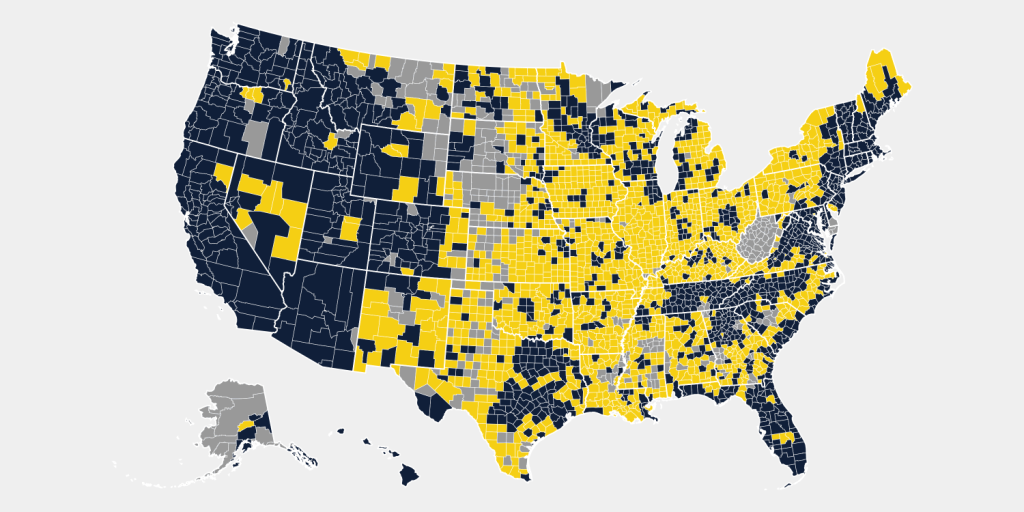
The Midwest consistently dominates affordability rankings, and there is a reason for that. Housing is abundant, infrastructure already exists, and wages stretch much further than on the coasts.
These cities may not be flashy, but they are practical, stable, and financially forgiving.
Wichita
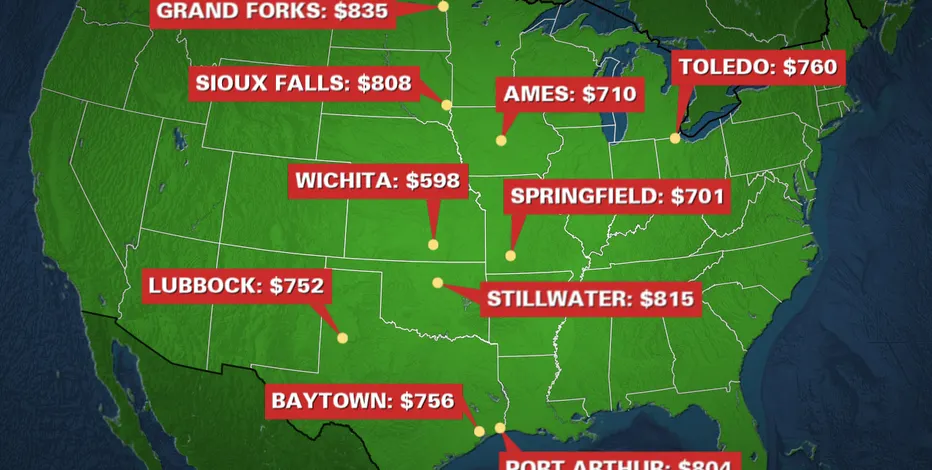
Wichita is often ranked as one of the cheapest places to live in the entire United States.
Median rent typically ranges from very affordable levels compared to national averages, and home prices remain accessible for first-time buyers. The city has a strong aviation and manufacturing presence, healthcare jobs, and a growing service sector.
Best for: Families, first-time homebuyers, blue-collar workers, retirees
Watch out for: Limited nightlife compared to larger metros
Toledo
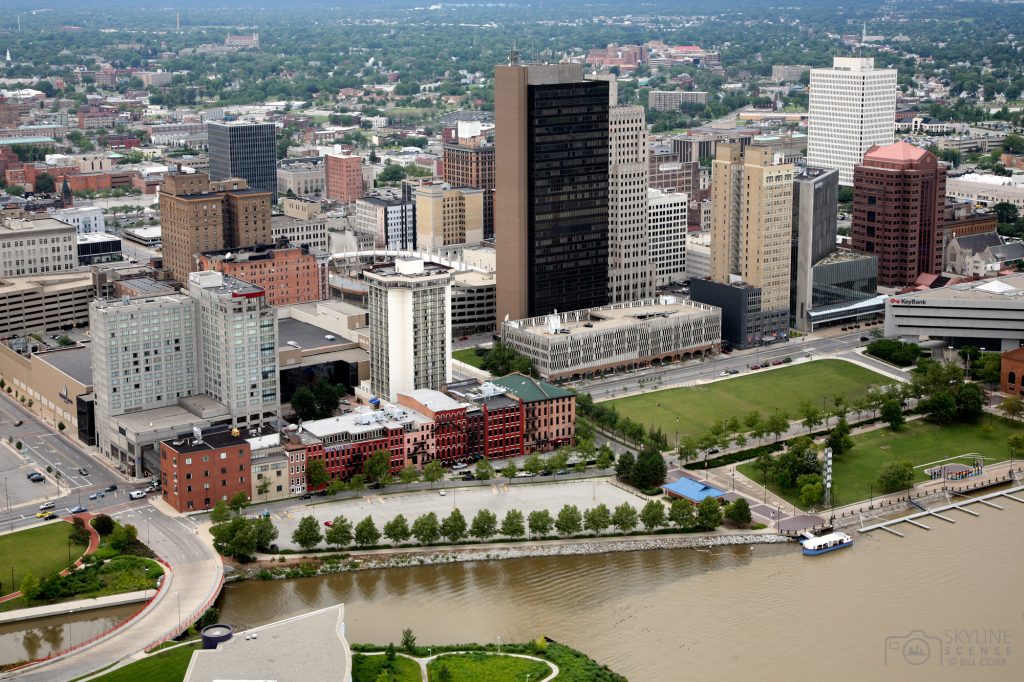
Toledo offers low rent, affordable home prices, and access to healthcare and education jobs. The city benefits from proximity to larger markets like Detroit while maintaining much lower housing costs.
Best for: Renters, healthcare workers, budget-conscious families
Watch out for: Some neighborhoods vary widely in quality
Fort Wayne
Fort Wayne combines low housing costs with one of the stronger job markets in Indiana. Utilities and groceries are cheaper than the national average, making monthly budgets predictable and manageable.
Best for: Young professionals, families, remote workers
Watch out for: Car dependency in outer neighborhoods
Peoria
Peoria remains affordable despite Illinois taxes because housing costs are significantly lower than state averages. The city has healthcare, manufacturing, and education jobs supporting the local economy.
Best for: Healthcare workers, retirees
Watch out for: State tax policies
Springfield
Springfield blends Southern affordability with Midwestern stability. Housing costs are low, utilities are affordable, and daily expenses stay manageable.
Best for: Families, retirees, service workers
Watch out for: Limited public transportation
Cheapest Places to Live in the Southern United States
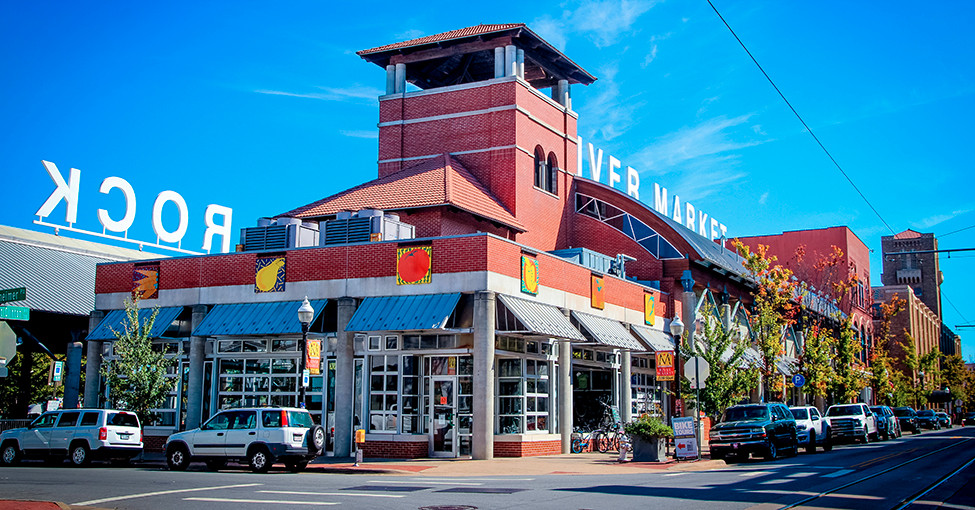
If affordability had a headquarters, it would sit somewhere in the South.
The Southern United States consistently offers some of the lowest housing costs in the country, combined with lower taxes, milder winters, and expanding job markets. Many people relocating from expensive coastal cities are shocked by how far their money stretches once they arrive.
Unlike outdated stereotypes, many Southern cities are growing fast, attracting tech workers, healthcare professionals, and remote workers who want space without financial pressure.
Memphis
Memphis remains one of the cheapest large cities to live in the United States. Rent prices are significantly below national averages, and Tennessee has no state income tax, allowing residents to keep more of their paycheck.
The city has strong healthcare employment, logistics and transportation jobs, and a growing creative economy. Cost of groceries and utilities also trend lower than most metro areas.
Best for: Renters, families, healthcare workers
Watch out for: Neighborhood quality varies, research matters
Oklahoma City
Oklahoma City offers an exceptional balance of affordability and opportunity. Housing is inexpensive, and the job market is supported by energy, aviation, government, and healthcare sectors.
Commute times are short, and daily expenses such as groceries and utilities remain well below the national average. The city continues to invest heavily in infrastructure and downtown development.
Best for: Families, remote workers, young professionals
Watch out for: Public transportation is limited
Little Rock
Little Rock is one of the most overlooked affordable cities in the country. Housing costs are extremely low, and Arkansas has a relatively low cost of utilities and healthcare.
Government, healthcare, and education provide stable employment, while outdoor recreation keeps lifestyle costs low.
Best for: Retirees, families, government workers
Watch out for: Smaller job market compared to major metros
Huntsville
Huntsville is one of the fastest-growing affordable cities in America. Unlike many cheap cities, Huntsville boasts high-paying jobs in aerospace, defense, and technology.
Home prices are rising, but remain affordable relative to income levels. This makes Huntsville one of the best places to live cheaply without sacrificing career growth.
Best for: Engineers, tech workers, families
Watch out for: Rising demand is slowly increasing prices
Knoxville
Knoxville blends Southern affordability with scenic surroundings and a strong university presence. Rent remains affordable, and Tennessee’s lack of state income tax makes living here financially efficient.
The city appeals to retirees, remote workers, and families who want a slower pace without isolation.
Best for: Retirees, remote workers, students
Watch out for: Wages vary by industry
Why the South Dominates Affordability Rankings
Southern cities benefit from several structural advantages:
• Lower land costs
• Fewer zoning restrictions
• Lower property taxes
• Right-to-work laws that attract employers
• Warm climate reduces winter utility costs
These factors combine to create cities where the cost of living stays stable even as populations grow.
Cheapest Places to Live in the Western United States
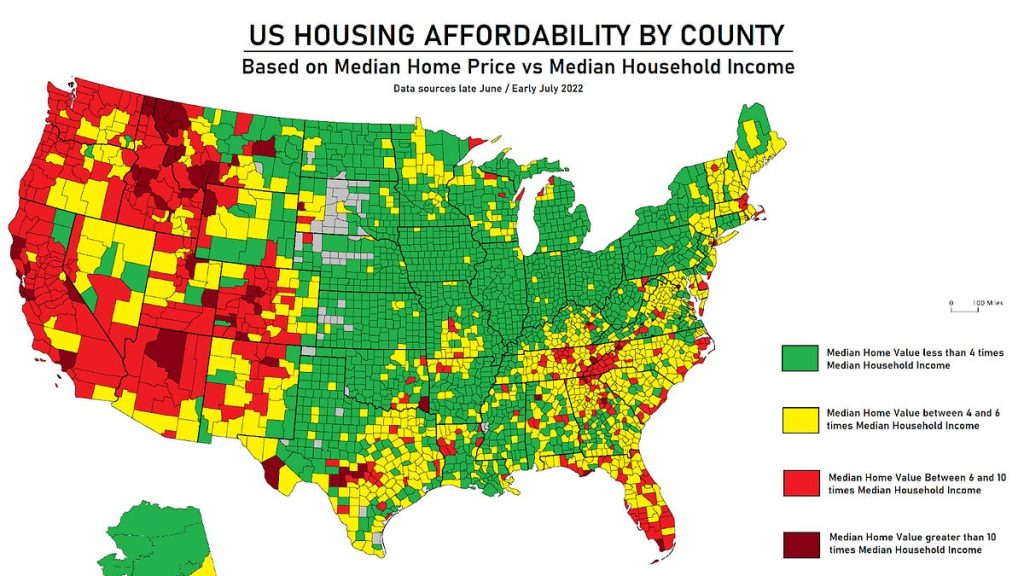
 When most people think of the western United States, they think expensive. California, Washington, Oregon, and Colorado dominate headlines for high rent and brutal home prices.
What many people do not realize is that the West still contains pockets of genuine affordability if you know where to look and what trade-offs to expect.
These cities offer lower housing costs than their surrounding regions while maintaining access to jobs, healthcare, and outdoor lifestyle benefits.
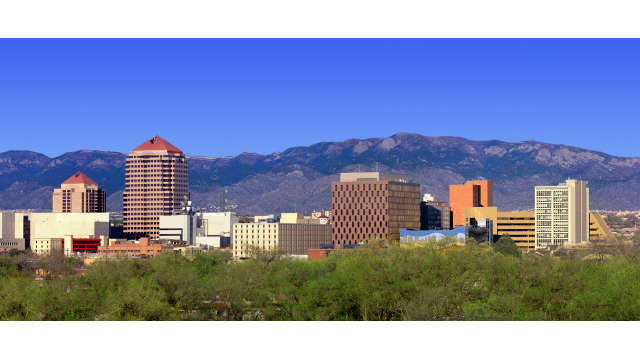
Albuquerque
Albuquerque is one of the most affordable cities in the western United States. Housing costs remain well below national averages, and utilities are relatively inexpensive due to the dry climate.
The city supports employment in healthcare, government, education, and logistics. Albuquerque also appeals to remote workers who value space, sunshine, and low housing costs.
Best for: Remote workers, retirees, families
Watch out for: Some neighborhoods require careful selection
Tucson
Tucson offers desert affordability with cultural depth. Rent and home prices are significantly lower than in Phoenix, while still providing access to healthcare, education, and defense-related employment.
Living costs remain manageable, and the slower pace of life attracts retirees and remote workers seeking affordability without isolation.
Best for: Retirees, remote workers, students
Watch out for: Summer heat increases cooling costs
Spokane
Spokane is one of the last affordable cities in Washington state. While prices have risen, it remains far cheaper than Seattle and offers access to healthcare, manufacturing, and education jobs.
Residents benefit from Washington’s lack of state income tax, which offsets slightly higher housing costs compared to other cheap cities.
Best for: Families, healthcare workers, outdoor enthusiasts
Watch out for: Winters can be long and cold
Boise
Boise was once a hidden gem, and while prices have increased, it still offers strong value relative to income. Job growth remains solid, and the city attracts professionals seeking a clean, safe, and affordable environment.
Boise balances affordability with quality of life better than many Western cities.
Best for: Young professionals, families
Watch out for: Housing competition is increasing
Why Affordable Western Cities Require a Strategy
Unlike the Midwest or South, western affordability depends heavily on timing and neighborhood selection.
Key factors to watch:
• Rapid population growth
• Limited housing supply
• Climate-driven utility costs
• Insurance costs related to wildfire risk
Choosing the right neighborhood often matters more than choosing the right city in the West.
Cheapest Places to Live in the Northeastern United States
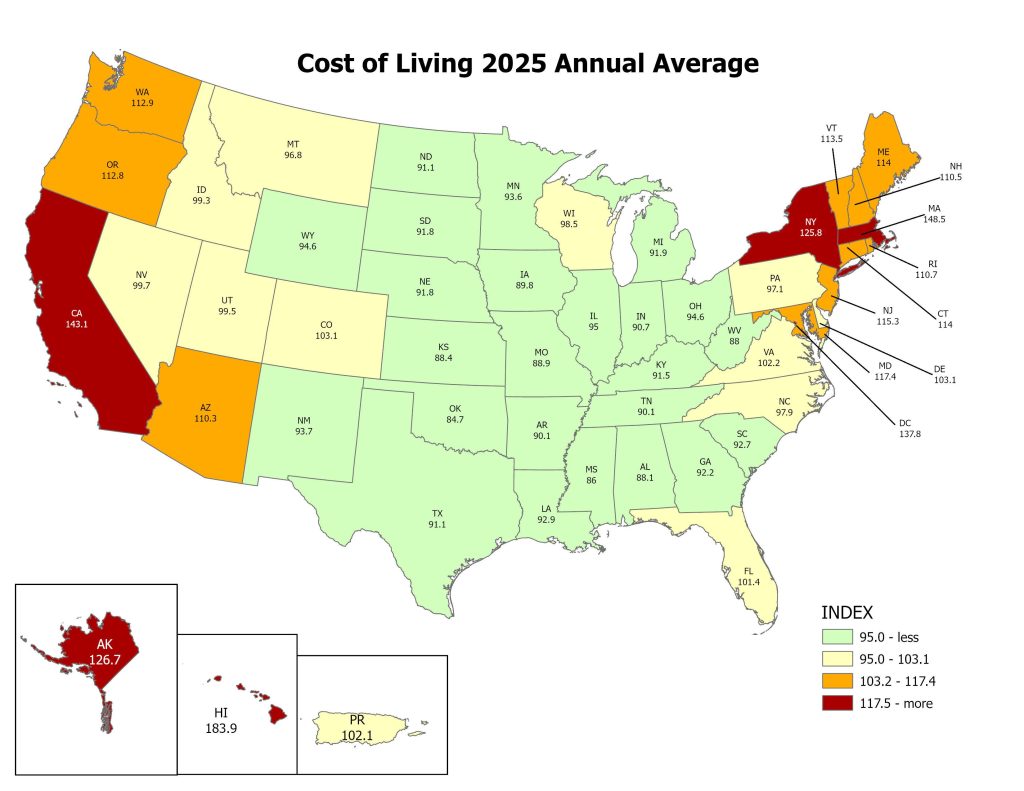
The Northeast has a reputation for being expensive, and in many cases, that reputation is deserved. Cities like New York City, Boston, and Washington DC push housing costs beyond reach for most people.
What often goes unnoticed is that the Northeast also contains some of the most affordable cities in the country once you move outside the major coastal hubs. These cities benefit from established infrastructure, strong healthcare systems, and access to education, all while maintaining housing costs that are far lower than people expect.
Buffalo
Buffalo is one of the most affordable large cities in the Northeast and consistently ranks among the cheapest places to live in New York State. Rent remains far below national averages, and home prices are still accessible for buyers.
The city benefits from strong healthcare, education, and government employment. Utility costs can be higher during winter, but overall affordability remains strong due to low housing prices.
Best for: Families, healthcare workers, first-time homebuyers
Watch out for: Cold winters increase heating costs
Syracuse
Syracuse offers some of the lowest rent prices in the Northeast. The presence of universities, hospitals, and government employers provides stable job opportunities.
The cost of groceries and transportation remains reasonable, making Syracuse attractive for students, retirees, and budget-conscious families.
Best for: Students, retirees, renters
Watch out for: Limited nightlife and slower pace
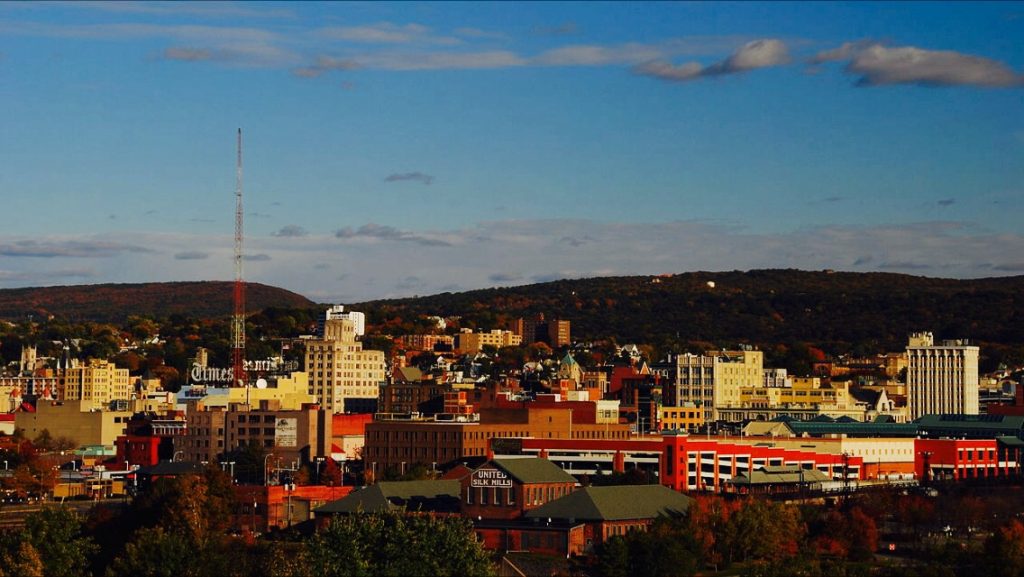
Scranton
Scranton delivers Northeastern charm at a Midwestern price point. Housing costs are extremely low, and Pennsylvania offers access to major cities like Philadelphia and New York within a few hours.
Healthcare, logistics, and education support the local economy, while everyday expenses remain manageable.
Best for: Families, retirees, commuters
Watch out for: Smaller job market
Why Northeastern Affordability Feels Different
Affordable Northeastern cities come with trade-offs that differ from the South or Midwest.
Common factors include:
• Older housing stock
• Higher winter utility costs
• Strong healthcare access
• Dense infrastructure reducing transportation costs
For many people, these trade-offs are worth it when housing remains affordable and services are accessible.
Cheapest States to Live In With the Biggest Tax Advantages
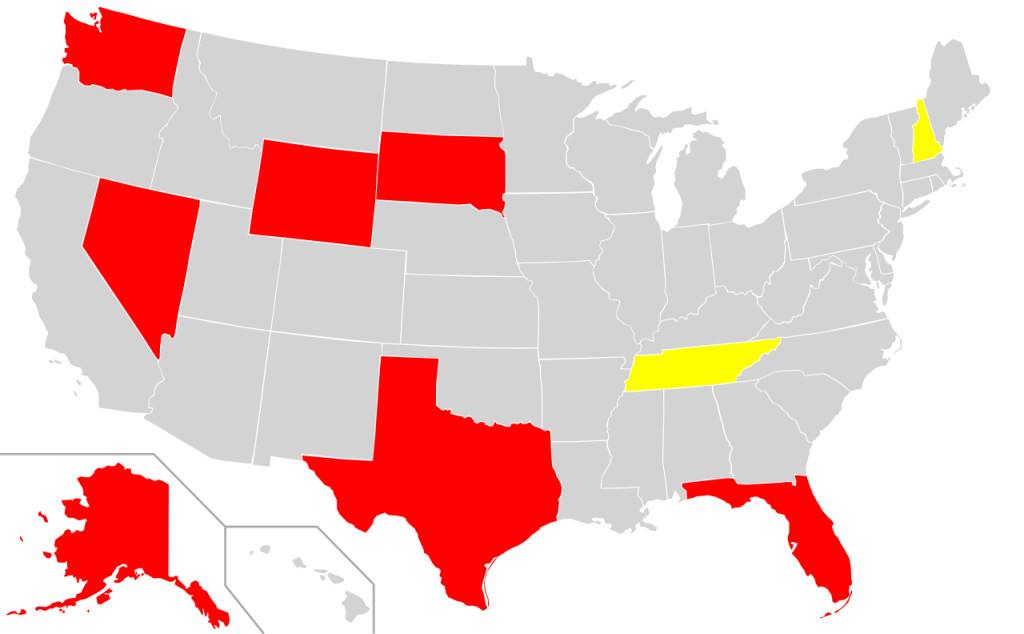
Many people focus only on cities when searching for cheap places to live, but state-level costs often matter just as much. Two people earning the same salary can live very different financial lives depending on state income tax, property taxes, sales tax, and insurance regulations.
Some states quietly allow residents to keep far more of their income every year, even if rent looks similar on paper.
Tennessee
Tennessee is one of the most financially friendly states in the country. There is no state income tax, and property taxes remain relatively low compared to national averages.
Cities like Memphis and Knoxville offer affordable rent and home prices, making Tennessee especially attractive to retirees, remote workers, and families looking to stretch their income.
Why Tennessee stays cheap:
• No state income tax
• Low property taxes
• Affordable housing outside Nashville
Watch out for: Sales tax is higher than average
Texas
Texas attracts millions of new residents each year because of its lack of state income tax and strong job market. While major cities like Austin have become expensive, many mid-sized and smaller cities remain very affordable.
Housing costs vary widely by region, but wages are generally strong, which helps offset higher property taxes.
Why Texas stays affordable:
• No state income tax
• Strong job market
• Abundant housing supply
Watch out for: High property taxes in some counties
Florida
Florida offers tax advantages combined with warm weather and a massive rental market. While coastal cities can be expensive, inland cities provide much lower housing costs.
Florida is particularly appealing to retirees and remote workers who want to avoid income tax while enjoying year-round mild weather.
Why Florida stays affordable:
• No state income tax
• Large rental supply
• Strong healthcare infrastructure
Watch out for: Insurance costs in some areas
Arkansas
Arkansas is one of the most affordable states in the country across nearly every category. Housing, utilities, groceries, and healthcare costs all remain well below national averages.
Although wages are lower, the cost of living gap more than compensates for many residents.
Why Arkansas stays cheap:
• Very low housing costs
• Low utility expenses
• Affordable healthcare
Watch out for: Smaller job markets
Mississippi
Mississippi consistently ranks among the cheapest states to live in. Housing costs are extremely low, and property taxes are minimal.
While job opportunities are limited in some regions, overall living expenses remain some of the lowest in the nation.
Why Mississippi stays cheap:
• Extremely low housing prices
• Low property taxes
• Affordable utilities
Watch out for: Fewer high-paying jobs
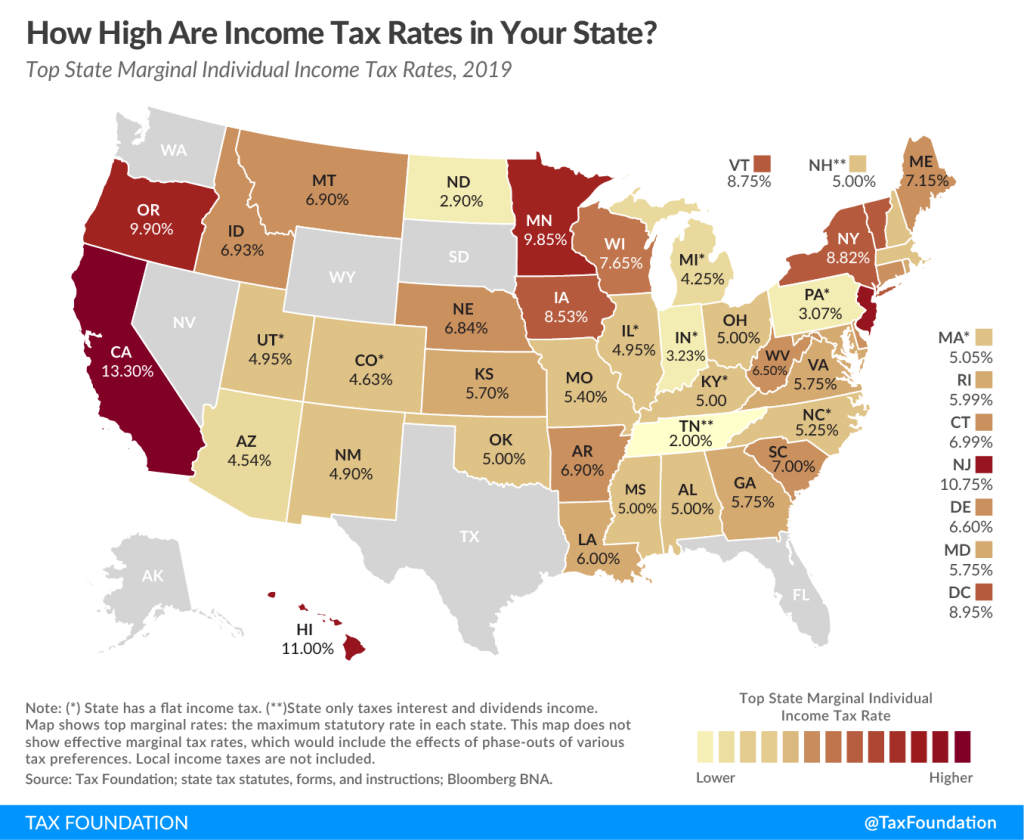
Why State Taxes Can Matter More Than Rent
A difference of five percent in state income tax can equal thousands of dollars per year. Over a decade, that money could fund a down payment, retirement savings, or emergency fund.
Many people move to cheaper cities but forget to consider state tax impact. The smartest moves combine low housing costs with favorable tax policies.
Best Cheap Places to Live Based on Your Lifestyle
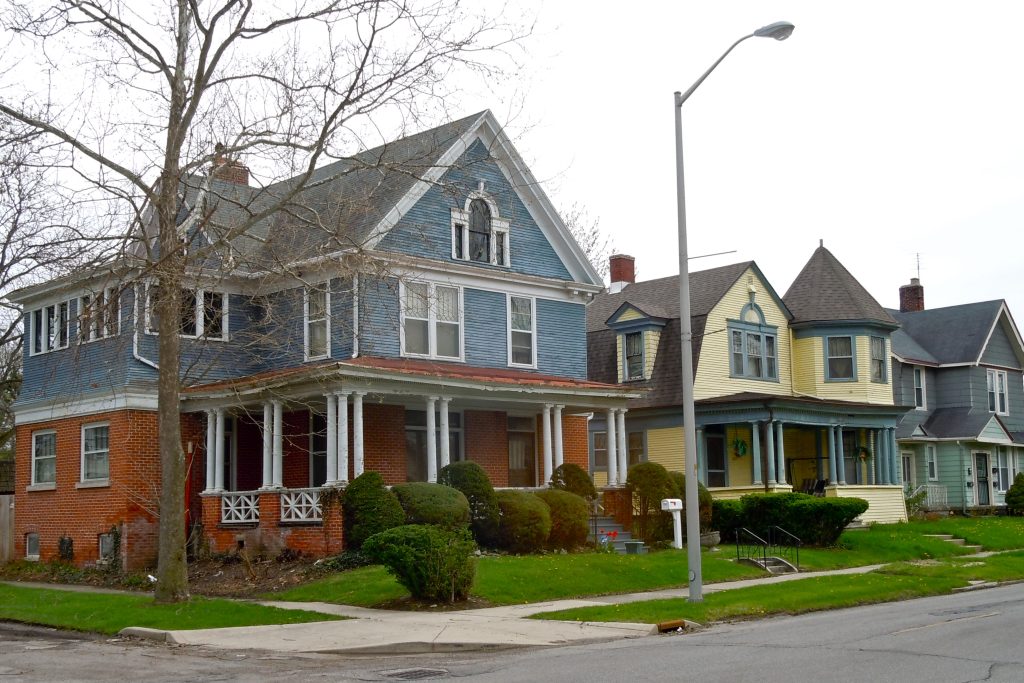
Not everyone is looking for the same thing. A retired couple does not prioritize the same features as a 26-year-old remote worker. A growing family evaluates affordability differently than a single professional.
This section breaks down cheap places to live in the US based on real-life needs, not just price tags.
Best Cheap Places to Live for Families
Families need more than low rent. They need safe neighborhoods, good schools, healthcare access, reasonable commute times, and enough space to grow.
Fort Wayne
Fort Wayne consistently ranks as one of the best affordable cities for families. Housing prices remain reasonable, crime rates are manageable in many neighborhoods, and healthcare and education jobs provide economic stability.
Huntsville
Huntsville offers strong job growth combined with relatively affordable housing. Families benefit from expanding infrastructure and steady employment opportunities.
Oklahoma City
Oklahoma City provides low housing costs, short commute times, and a growing suburban housing supply that keeps prices competitive.
Wichita
Wichita remains one of the most stable and affordable places for middle-class families seeking homeownership.
Best Cheap Places to Live for Remote Workers

Remote workers prioritize internet reliability, quiet neighborhoods, affordable rent, and lifestyle balance.
Knoxville
Knoxville combines low housing costs with scenic surroundings, making it ideal for remote professionals who value affordability and outdoor recreation.
Albuquerque
Albuquerque offers affordable rent, spacious housing, and lower daily living costs, all attractive for work-from-home lifestyles.
Spokane
Spokane provides access to Washington’s no income tax advantage while remaining far cheaper than Seattle.
Tucson
Tucson offers affordability and a slower pace of life that many remote workers appreciate.
Best Cheap Places to Live for Retirees
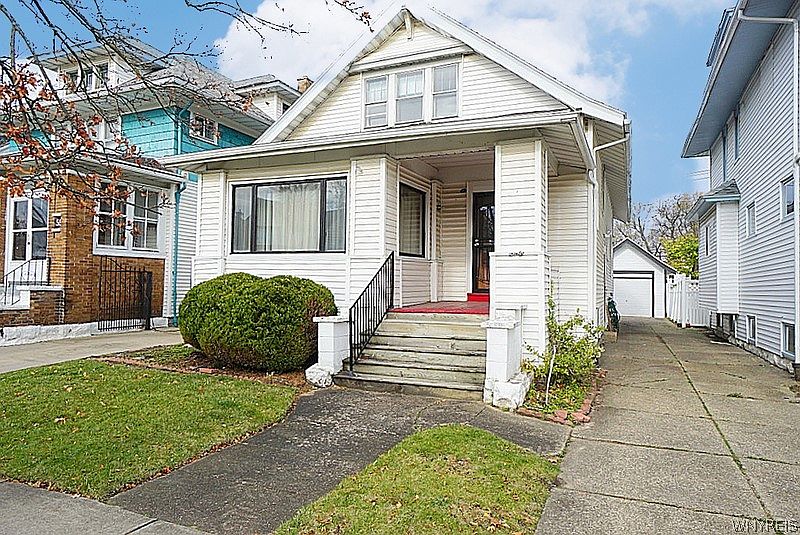
Retirees focus heavily on healthcare access, property taxes, and overall living expenses.
Memphis
Memphis provides no state income tax and affordable housing, making retirement income stretch further.
Little Rock
Little Rock offers low overall living costs and manageable housing expenses.
Buffalo
Buffalo offers extremely affordable housing compared to much of the Northeast while maintaining strong healthcare infrastructure.
Syracuse
Syracuse combines low rent with access to medical services and a slower pace of life.
Best Cheap Places to Live for Young Professionals

Young professionals often seek affordable rent, job growth, and some level of nightlife or social activity.
Boise
Boise continues to attract young professionals seeking balance between opportunity and affordability.
Huntsville
Huntsville’s tech and aerospace sectors offer high earning potential relative to housing costs.
Oklahoma City
Oklahoma City provides growing nightlife areas and still-affordable rent.
Spokane
Spokane blends affordability with urban amenities and outdoor recreation.
Renting vs Buying in Cheap Places to Live
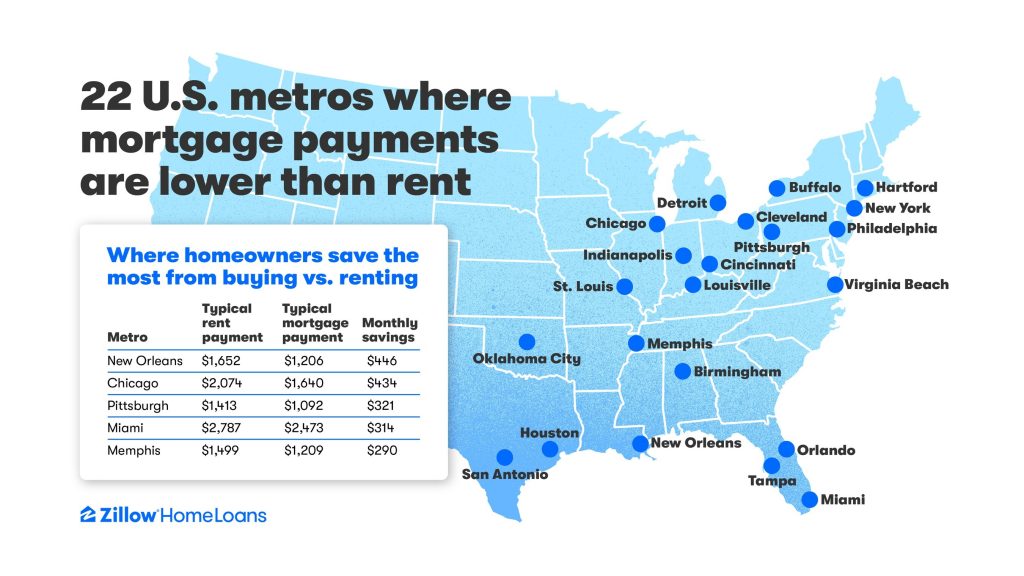
One of the biggest mistakes people make when moving to a cheap place to live is assuming buying is always better than renting. In reality, the smartest choice depends on timing, job stability, local taxes, and how long you plan to stay.
Cheap cities offer flexibility. Some favor renters. Others quietly reward buyers.
Understanding the difference can save or cost you tens of thousands of dollars.
When Renting Makes More Sense in Cheap Cities
Renting is often the smarter option if:
• You are testing a new city
• Your job situation is uncertain
• You plan to stay less than five years
• Property taxes are high
• Maintenance costs are unpredictable
Many cheap cities still offer extremely affordable rent compared to income levels. Renting allows flexibility without the long-term financial commitment of ownership.
Cities where renting often makes sense:
• Memphis
• Syracuse
• Toledo
When Buying Makes More Sense in Affordable Areas
Buying becomes attractive when:
• Home prices are low relative to rent
• Property taxes are reasonable
• You plan to stay long term
• Mortgage payments are close to rent prices
In many Midwestern and Southern cities, monthly mortgage payments can be equal to or lower than rent.
Cities where buying often makes financial sense:
• Wichita
• Fort Wayne
• Little Rock
Property Taxes and Insurance Matter
Two homes with the same price can cost very different amounts annually.
Important costs to factor in:
• Property taxes
• Home insurance
• Maintenance
• HOA fees
Southern states often have lower property taxes, while some Midwestern states offset low home prices with higher tax rates.
Hidden Costs That Can Ruin “Cheap Living”
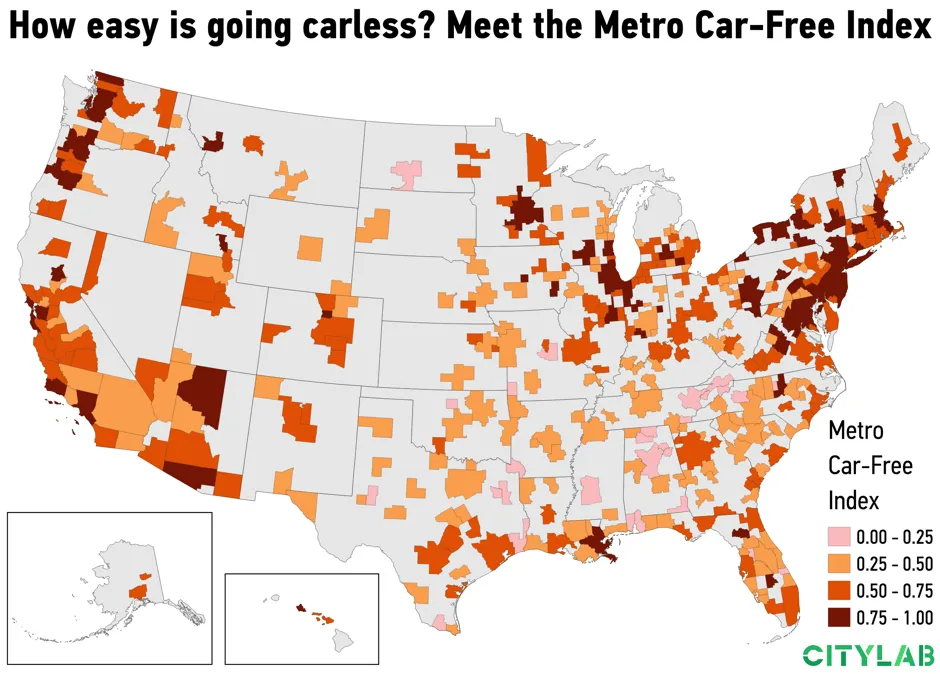
Many people move chasing low rent and ignore the expenses that quietly follow them.
Transportation Costs
Some cheap cities require owning a car. Insurance, fuel, repairs, and parking add up quickly.
Utilities and Climate
Extreme heat or cold can spike electricity or heating bills. Cheap rent can be offset by high utility costs.
Healthcare Access
Living cheaply means little if quality healthcare is far away or limited.
Insurance Costs
Flood zones, storm-prone areas, or wildfire risk can significantly raise insurance premiums.
Frequently Asked Questions About Cheap Places to Live in the US
What is the cheapest place to live in the US right now?
There is no single answer, but cities like Wichita, Memphis, and Toledo consistently rank among the most affordable based on housing and overall expenses.
Where can I live comfortably on $1,500 a month?
Several Midwestern and Southern cities allow basic living expenses to stay near or below this threshold, especially for renters.
Are cheap places to live safe?
Safety varies by neighborhood, not just city. Researching local crime data is essential.
Is moving to a cheap city worth it?
For many people, yes. Lower living costs often reduce stress and allow better financial stability.
Final Thoughts on Finding Cheap Places to Live in the US
Affordable living in America is not a myth. It has simply shifted away from overcrowded, overpriced metros and into cities that value space, balance, and sustainability.
The cheapest places to live are not always glamorous, but they offer something increasingly rare: breathing room. Lower rent. Manageable expenses. The ability to save money and plan a future without constant financial pressure.
If your current city feels like it is draining you, that is not a personal failure. It is a financial reality shared by millions. The solution is not earning more alone. Sometimes the smartest move is choosing a place that costs less to live.
Research carefully. Compare realistically. Choose intentionally. And in the end, your money will thank you.
