

Buying cheap microwaves shouldn’t feel like a bad life decision, yet for millions of Americans, it does.
You click buy because the price looks right. Two weeks later, your leftovers come out cold in the middle and lava-hot on the edges. A month later, it starts making a weird buzzing sound. By month six, it’s either dead, or you’re just praying it doesn’t spark when you press Start.
That’s the real fear behind searching cheap microwave.
Not the price, the regret.
Here’s what most reviews won’t tell you: cheap doesn’t automatically mean low quality. In the U.S. market, there are budget microwaves under $50, $100, and $150 that heat evenly, last for years, and don’t feel like disposable appliances. The problem is that the good ones are buried under hype, fake wattage claims, and recycled “top 10” lists written by people who’ve never used them.
This guide is different.
Instead of dumping random product names, we break down what actually matters when buying a cheap microwave the wattage that works in real kitchens, the size that fits apartments and dorms, the brands that quietly outperform their price, and the hidden flaws that cause budget microwaves to fail early.
Whether you’re replacing a dead unit, furnishing a small apartment, sending a kid to college, or just refusing to overpay for something that reheats leftovers, this guide will help you spend less without buying twice.
If you’re looking for a cheap microwave that actually works, not just one that’s cheap on paper, you’re in the right place.
Best Cheap Microwaves in the US (2026 Buyer Picks)
This section focuses on realistic, widely available microwaves in the U.S. that balance price, reliability, and everyday performance. These picks are grouped by price tier, because that’s how real buyers make decisions.
Best Cheap Microwaves Under $50
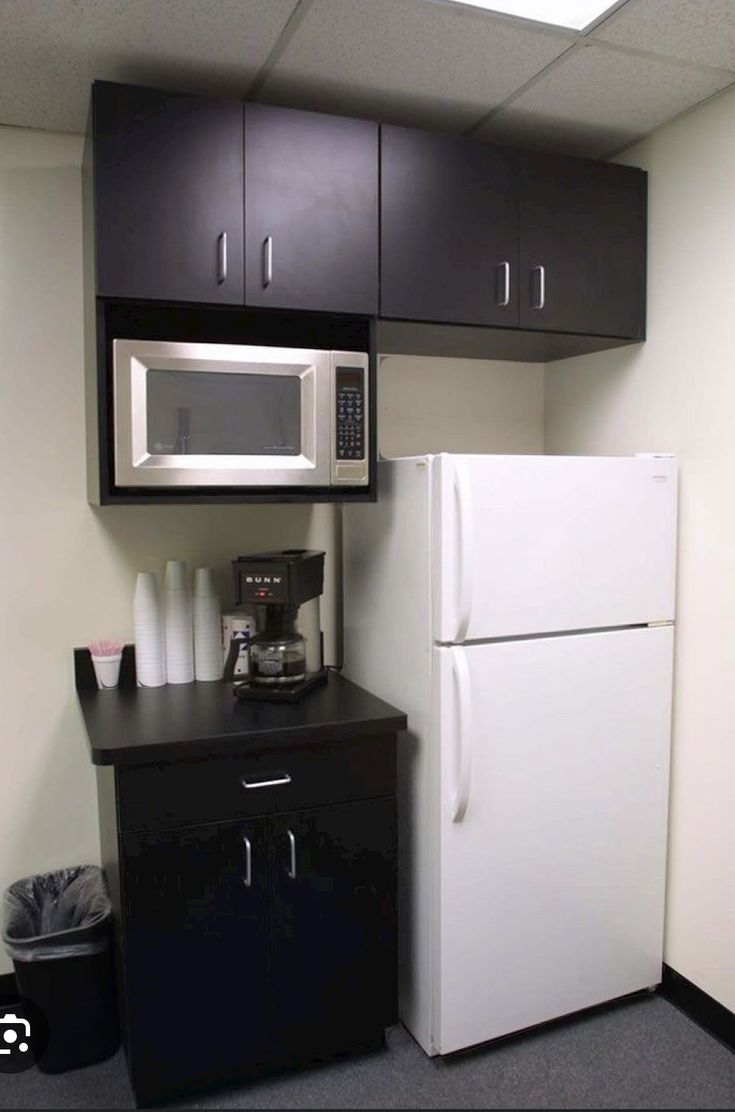
Microwaves in this range are best treated as light-duty appliances. They work well when expectations are realistic.
What to Expect at This Price
600–700 watts
Small interior space
Basic controls
Shorter lifespan compared to higher tiers
Who Should Buy This Tier
-
College students
-
Office break rooms
-
Temporary housing
-
Backup or emergency use
Reliable Options Commonly Found in the US
Mainstays 0.7 Cu Ft Microwave
Affordable, compact, and widely available at Walmart. Best for reheating simple meals.
Commercial Chef Small Microwave
Straightforward design with fewer electronic components to fail.
Galanz Compact Microwave
Slightly better build quality than most sub-$50 units.
Verdict:
If you need the cheapest microwave possible, stay within basic use and avoid heavy daily cooking.
Best Cheap Microwaves Under $100 (Best Overall Value)

This is the sweet spot for most American households. Models here offer better heating consistency and noticeably longer lifespan.
What You Get
-
700–900 watts (ideal range)
-
Better airflow and cooling
-
Stronger door mechanisms
-
More reliable magnetrons
Best For
-
Apartments
-
Couples
-
Everyday reheating
-
Light cooking
Top Picks in This Range
-
AmazonBasics Microwave
Simple, compact, and reliable. Designed for daily use without unnecessary features. -
BLACK+DECKER EM720CB7
Known for consistent heating and durable controls. -
Insignia Countertop Microwave
Frequently discounted at Best Buy and well-balanced for price and performance.
Verdict:
If you want a cheap microwave that doesn’t feel cheap, this is the category to focus on.
Best Cheap Microwaves Under $150 (Built to Last Longer)
At this level, you’re paying for longevity and power, not luxury branding.
What Improves at This Price
-
1000–1100 watts
-
Larger interior capacity
-
Stronger internal components
-
Better long-term reliability
Ideal For
-
Families
-
Frequent daily use
-
Replacing a broken primary microwave
Best Budget Picks
-
Toshiba EM131A5C
Excellent balance of power, size, and durability. -
Panasonic NN-SN65
Known for even heating and strong internal build. -
GE Countertop Microwave
Simple design backed by dependable manufacturing.
Verdict:
If you want a cheap microwave that can realistically last several years, this is the smartest tier.
Quick Comparison Table (At-a-Glance)
| Microwave | Price Range | Wattage | Best For |
|---|---|---|---|
| Mainstays 0.7 | Under $50 | 700W | Dorms, offices |
| AmazonBasics | Under $100 | 700W | Apartments |
| BLACK+DECKER EM720 | Under $100 | 700W | Daily use |
| Toshiba EM131 | Under $150 | 1100W | Families |
| Panasonic NN-SN65 | Under $150 | 1000W | Heavy use |
Where to Buy Cheap Microwaves in the US (Best Stores & Deal Tips)
Knowing where to buy a cheap microwave is just as important as knowing which one to buy. In the U.S., pricing, return policies, and warranty support vary widely by retailer, and those differences can save or cost you money in the long run.
Below are the most reliable places to buy cheap microwaves, ranked by availability, pricing consistency, and buyer protection.
Walmart: Best Overall for Cheap Microwaves
Walmart consistently offers the lowest prices on budget microwaves, especially in the under-$50 and under-$100 categories.
Why Walmart Works
-
Strong selection of budget brands (Mainstays, Commercial Chef, Galanz)
-
Frequent rollbacks and seasonal discounts
-
Easy in-store returns
-
Nationwide availability
Best For
-
Dorm microwaves
-
Emergency replacements
-
Shoppers on a strict budget
Amazon: Best for Reviews and Fast Delivery
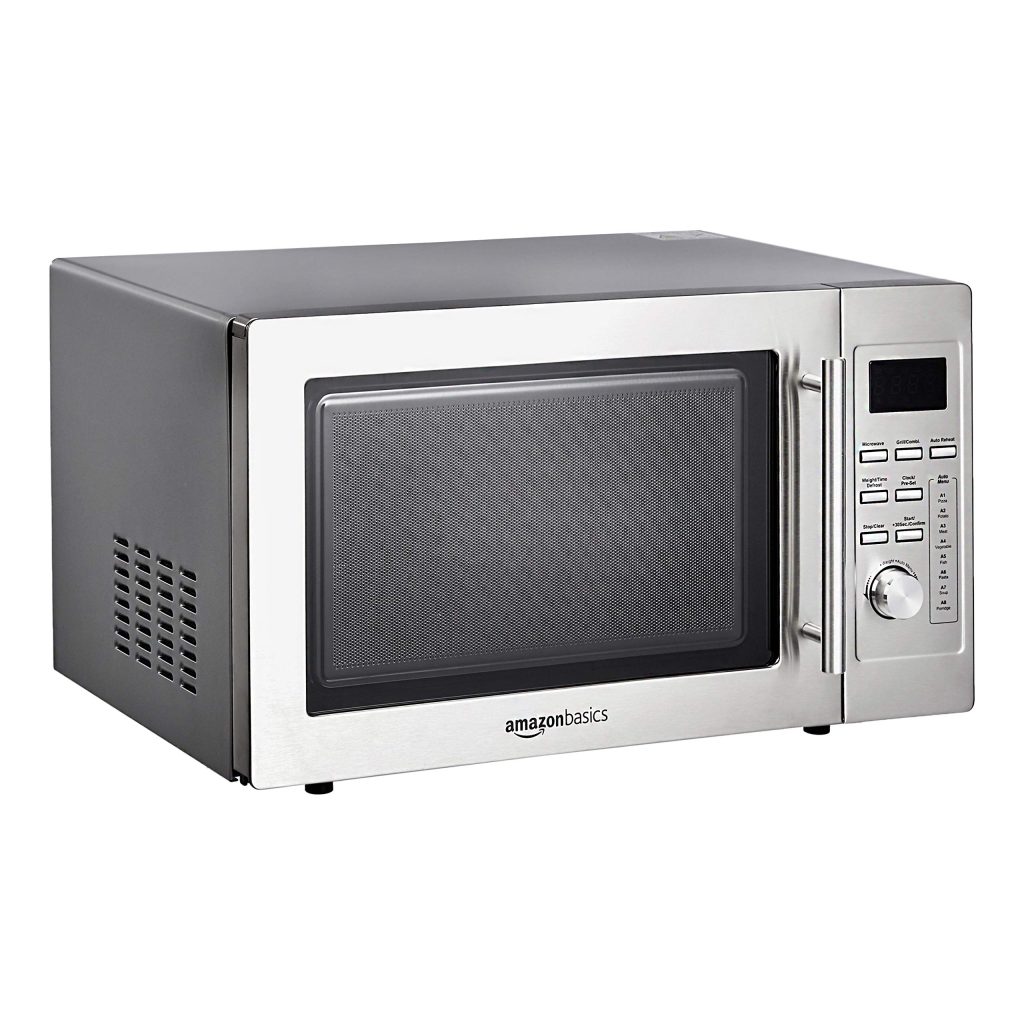
Amazon is ideal if you want quick delivery and detailed customer reviews before buying.
Advantages
-
Extensive buyer feedback
-
Competitive pricing under $100
-
Easy comparison between models
-
Fast shipping options
Caution
-
Prices fluctuate often
-
Third-party sellers may offer limited warranty support
Tip: Always check seller reputation and warranty details before purchasing.
Amazon is ideal if you want quick delivery and detailed customer reviews before buying.
Advantages
-
Extensive buyer feedback
-
Competitive pricing under $100
-
Easy comparison between models
-
Fast shipping options
Caution
-
Prices fluctuate often
-
Third-party sellers may offer limited warranty support
Tip: Always check seller reputation and warranty details before purchasing.
Target: Best for Style-Conscious Budget Buyers
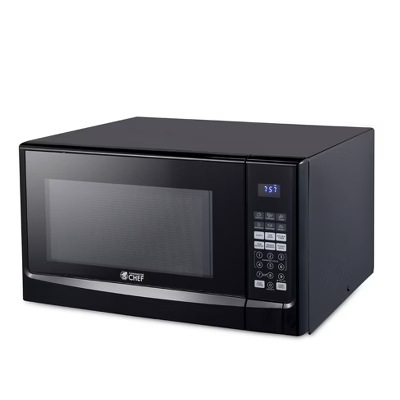
Target’s microwave selection is smaller but curated toward modern kitchens and apartments.
Why Choose Target
-
Clean, minimalist designs
-
Reliable mid-range options
-
Frequent store promotions
-
Easy returns
Best For
-
Apartments
-
First-time renters
-
Buyers who care about aesthetics as well as price
-
Best Buy: Best for Mid-Range Budget Quality
Best Buy shines in the $100–$150 range, where reliability matters more than absolute lowest price.
Strengths
-
Better-quality brands (Insignia, Panasonic, GE)
-
Knowledgeable staff
-
Clear warranty and support policies
-
Frequent open-box deals
Best For
-
Replacing a primary kitchen microwave
-
Buyers who want reliability without premium pricing
-
Home Depot & Lowe’s: Seasonal Bargains
-
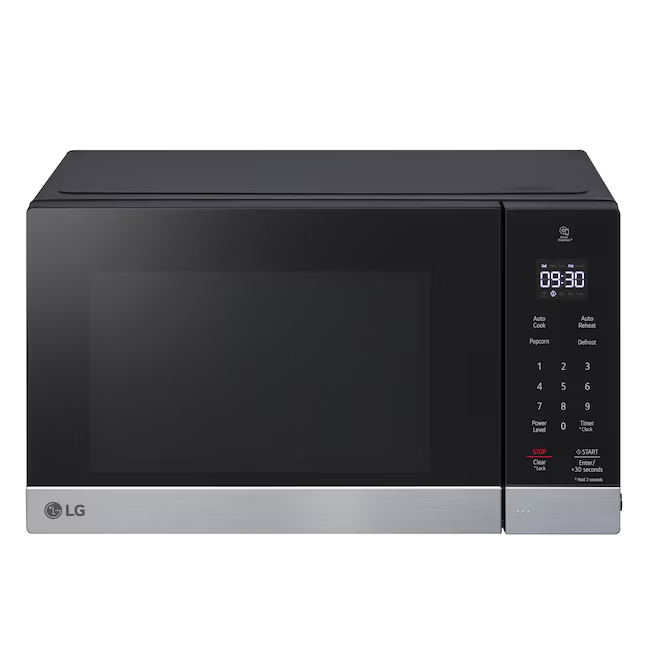
These stores occasionally offer excellent deals, especially during holidays and clearance events.
When to Shop Here
-
Black Friday
-
Labor Day
-
End-of-season sales
Best For
-
Shoppers willing to wait for discounts
-
Buyers upgrading kitchen appliances gradually
-
Costco & Warehouse Clubs (Bonus Option)

-
While not always the cheapest upfront, warehouse clubs offer better build quality per dollar.
Ideal For
-
Long-term use
-
Families
-
Buyers who value warranties
-
Smart Tips for Finding the Best Cheap Microwave Deals
-
Compare prices across at least two retailers
-
Watch for back-to-school and holiday sales
-
Avoid extended warranties on very cheap models
-
Read reviews focusing on longevity, not just ratings
-
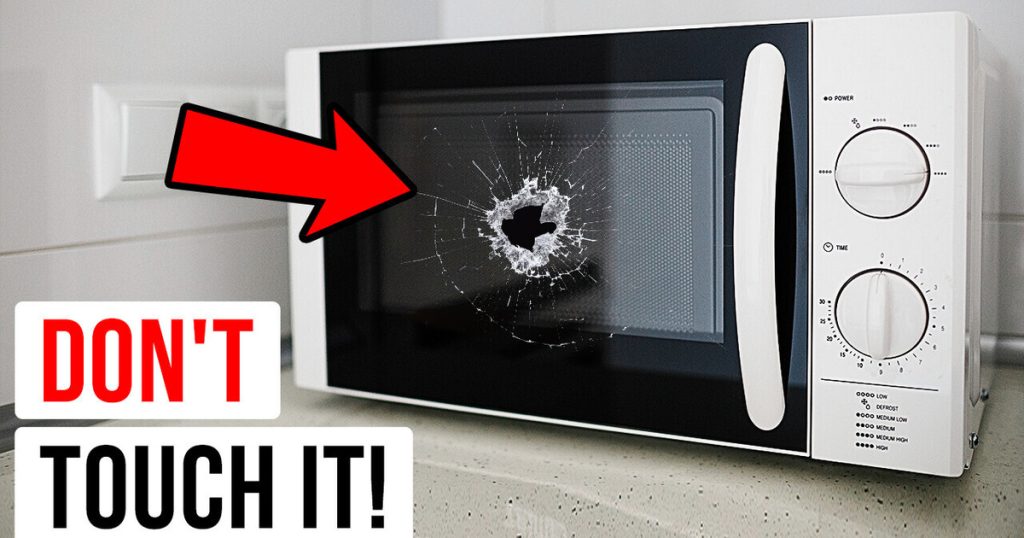
Hidden Problems With Cheap Microwaves (What Most Reviews Don’t Tell You)
Cheap microwaves don’t usually fail without warning. In most cases, the problems are built into the design long before the appliance reaches your kitchen. Understanding these issues helps you avoid models that look good on paper but are engineered to cut corners in critical areas.
-
Weak Door Switches
The door switch is one of the most stressed components in any microwave. Budget models often use thinner switches that wear out quickly, causing the microwave to stop working even though all other components are fine.
How to avoid it:
Choose microwaves with solid door alignment and firm closing action. Loose or wobbly doors are early warning signs. -
Poor Ventilation and Overheating
Many cheap microwaves use smaller internal fans and limited airflow to reduce manufacturing costs. Over time, trapped heat damages internal circuits and shortens lifespan.
Why this matters:
Overheating is one of the main reasons budget microwaves die prematurely, especially in small kitchens with limited airflow. -
Magnetron Stress From Misleading Wattage
Some budget brands advertise high wattage without upgrading internal components to handle the load. This causes the magnetron to overwork, leading to inconsistent heating and early failure.
What to look for:
Microwaves in the 700–900 watt range tend to be more reliable at lower price points. -
Low-Quality Control Panels
Touch-sensitive panels and low-cost displays are prone to failure due to heat exposure. Once the control panel fails, repairs often cost more than the microwave itself.
Best option:
Simple buttons or mechanical controls last significantly longer in budget models. -
Interior Coatings That Wear Out Fast
Thin interior paint can chip, rust, and absorb odors, making the microwave unpleasant or unsafe to use over time.
Better materials:
Ceramic or enamel-coated interiors resist wear and are easier to clean. -
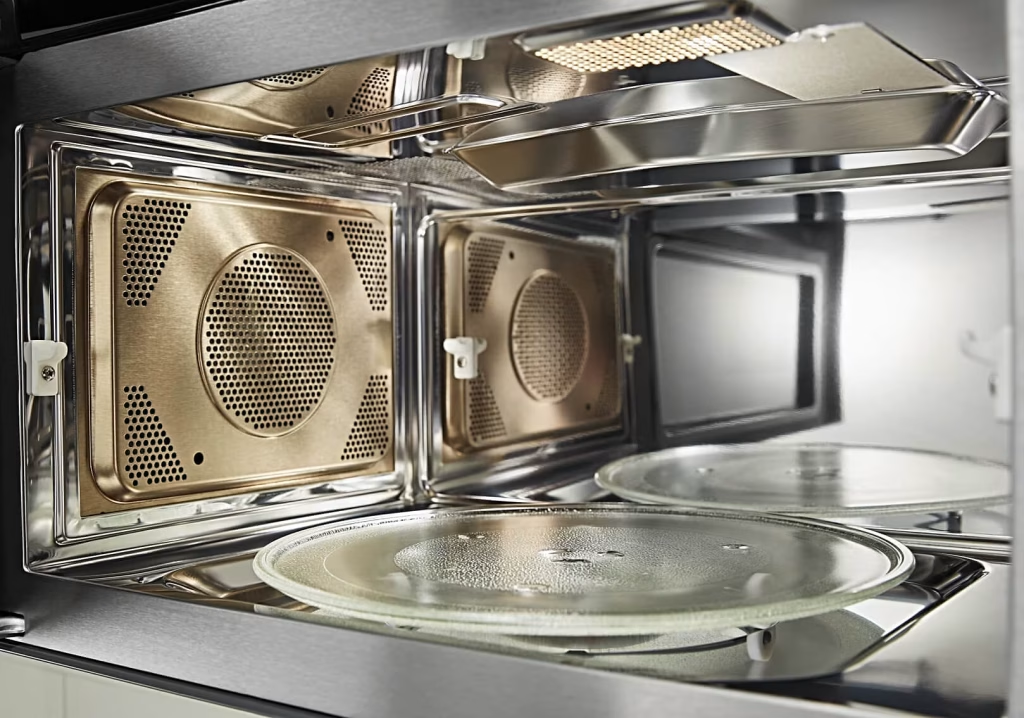
How to Make a Cheap Microwave Last Longer (Longevity & Maintenance Guide)
A cheap microwave can last years longer than expected if it’s used correctly. Most failures happen not because the microwave is cheap, but because it’s misused, overheated, or poorly maintained. This section shows how to protect your investment with simple habits that cost nothing.
-
Give Your Microwave Room to Breathe
Microwaves generate heat even when reheating small meals. Cheap models rely on basic ventilation systems, so airflow matters.
Best practice
-
Leave at least 3 to 4 inches of space on all sides
-
Never block rear or side vents
-
Avoid placing directly next to heat-producing appliances
Poor ventilation is one of the fastest ways to shorten a microwave’s lifespan.
-
-
Never Run a Microwave Empty
Running a microwave with nothing inside stresses the magnetron, especially in budget models.
Why it’s dangerous
-
No food means no energy absorption
-
Internal components overheat quickly
-
Repeated empty runs cause early failure
Always ensure something is inside the microwave before starting it, even if it’s just a cup of water.
-
-
Use Microwave-Safe Covers
Food splatter isn’t just a cleaning issue. Grease buildup traps heat and damages internal components over time.
What to use
-
Microwave-safe plastic covers
-
Vented glass lids
-
Paper towels for light splatter
Keeping the interior clean protects airflow and prevents odor absorption.
-
-
Clean the Interior Regularly
Budget microwaves suffer when grime builds up. Food residue absorbs energy and causes uneven heating.
Simple weekly cleaning
-
Warm water with vinegar or lemon
-
Wipe interior walls and turntable
-
Dry thoroughly before reuse
This routine extends internal component life and keeps heating consistent.
-
-
Avoid Heavy or Oversized Containers
Cheap microwaves use lighter turntable motors. Overloading them causes premature wear.
Avoid
-
Heavy ceramic dishes
-
Oversized containers touching walls
-
Stacked plates
Use lightweight, microwave-safe containers whenever possible.
-
-
Use Power Levels Instead of Full Blast
Running every task at full power strains budget microwaves.
Better approach
-
Reheat leftovers at 70–80% power
-
Defrost using low-power cycles
-
Heat liquids gradually
This reduces internal heat stress and improves food quality.
-
-
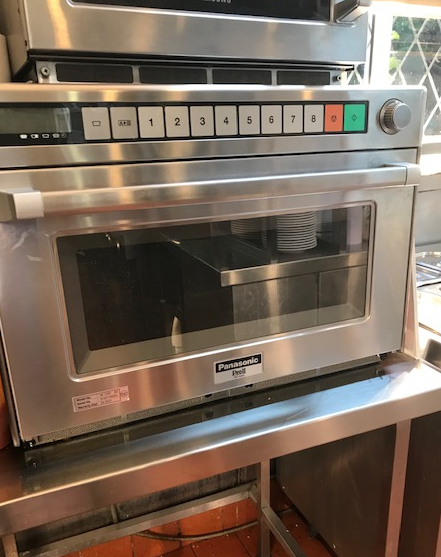
Cheap Microwave vs Used Microwave: Which Is the Smarter Buy?
When trying to save money, many buyers face a real dilemma: buy a brand-new cheap microwave, or pick up a used one for the same price. On the surface, a used microwave from a higher-end brand may seem like the better deal, but that’s not always true.
-
Buying a Cheap New Microwave: Pros and Cons
Advantages
-
Brand-new internal components
-
No hidden wear on the magnetron
-
Manufacturer warranty (even if limited)
-
Cleaner interior with no odor absorption
Disadvantages
-
Fewer features
-
Lower build quality than premium models
-
Shorter expected lifespan compared to high-end units
Best for:
Buyers who want predictability, basic use, and peace of mind. -
-
Buying a Used Microwave: Pros and Cons
Advantages
-
Potentially higher original build quality
-
Larger size for the same price
-
Better materials if lightly used
Disadvantages
-
Unknown internal wear
-
No warranty in most cases
-
Risk of weakened door switches or magnetron fatigue
-
Hygiene concerns
Used microwaves often fail shortly after purchase because magnetrons degrade with use, even if the exterior looks fine.
-
-
The Hidden Risk Most Buyers Miss
Microwaves don’t age like refrigerators or ovens. Their most important component, the magnetron, wears invisibly. A used microwave that “works fine” today may lose heating efficiency within months.
This is why many appliance technicians recommend new budget microwaves over used ones, unless the used unit is barely used and from a trusted source.
-
Which One Should You Choose?
Choose a Cheap New Microwave If:
-
You want reliability over features
-
You’re buying for a dorm, apartment, or office
-
You want warranty protection
-
You plan to use it daily
Choose a Used Microwave If:
-
You trust the seller personally
-
The microwave shows minimal wear
-
The price is significantly lower than new
-
It’s a temporary solution
-
Bottom Line
For most people searching cheap microwave in the US, a new budget microwave is the safer and smarter option. It reduces risk, avoids hidden damage, and delivers predictable performance for everyday use.
-
Frequently Asked Questions About Cheap Microwaves (US Buyers)
This section is designed to answer the exact questions Americans search on Google when researching a cheap microwave. Each answer is written to be concise, authoritative, and snippet-ready.
-
Is a cheap microwave safe to use?
Yes, a cheap microwave is safe as long as it meets U.S. safety standards such as UL or ETL certification. Budget microwaves sold by major retailers like Walmart, Amazon, and Target are required to comply with federal safety regulations.
Safety issues usually arise from misuse, such as running the microwave empty, blocking ventilation, or using damaged door seals, not from the price alone.
-
How long should a cheap microwave last?
Most cheap microwaves last 3 to 5 years with proper use and maintenance. Models in the $100–$150 range often last longer due to stronger internal components and better cooling systems.
Regular cleaning, proper ventilation, and avoiding overload significantly extend lifespan.
-
Is 700 watts enough for a microwave?
Yes, 700 watts is enough for basic reheating, frozen meals, and beverages. However, it may take slightly longer to heat food evenly compared to higher-wattage models.
For everyday home use, the ideal wattage range for a cheap microwave is 700 to 900 watts.
-
Why do cheap microwaves heat food unevenly?
Uneven heating usually happens because of:
-
Lower wattage
-
Small interior space
-
Overloaded or oversized dishes
-
Poor food placement
Using the turntable correctly, stirring food midway, and avoiding oversized containers helps improve heating consistency.
-
-
Are cheap microwaves energy efficient?
Yes. Cheap microwaves are generally energy efficient, especially smaller models. Lower wattage means less power consumption, though heating times may be slightly longer.
Compared to ovens or stovetops, microwaves remain one of the most energy-efficient ways to heat food.
-
What is the best cheap microwave brand in the US?
There is no single “best” brand, but consistently reliable budget brands include:
-
Toshiba
-
BLACK+DECKER
-
Panasonic
-
AmazonBasics
-
Insignia
-
Mainstays (entry-level use)
Reliability depends more on model design and wattage than brand name alone.
-
-
Should I buy a cheap microwave with smart features?
No. Smart features add cost and complexity without improving core performance. In budget microwaves, smart functions often reduce reliability.
Simple controls last longer and perform better in cheap models.
-
-
-
-
Can a cheap microwave handle frozen meals?
Yes. Most frozen meals are designed for 700–1000 watt microwaves. Heating may take longer in lower-wattage models, but performance is adequate if instructions are followed.
Is it worth buying an extended warranty on a cheap microwave?
Usually no. Extended warranties often cost a significant percentage of the microwave’s price. If a cheap microwave fails outside its standard warranty period, replacement is usually more cost-effective than repair.
Final Thoughts: Finding a Cheap Microwave That’s Worth Your Money
Buying a cheap microwave in the U.S. does not mean settling for frustration, uneven heating, or an appliance that quits after a few months. When you understand what actually matters; wattage, size, ventilation, and build quality, it becomes surprisingly easy to choose a budget microwave that performs well and lasts longer than expected.
The biggest mistake most buyers make is chasing features instead of reliability. Touchscreens, sensors, and smart functions sound appealing, but they add cost and reduce durability in low-priced models. In contrast, simple controls, moderate wattage, and a well-sized interior consistently deliver better long-term value.
For most households, the best balance sits in the $50 to $100 range, where microwaves offer dependable performance without unnecessary extras. Those willing to spend slightly more often gain stronger internal components and longer lifespan, making the higher upfront cost worthwhile.
Ultimately, a cheap microwave should do one thing well: heat food safely and evenly, day after day. If it does that reliably, it has done its job, regardless of price.
-
-
-
-
-
Quick Buying Recap
-
Focus on 700–900 watts for best reliability
-
Choose size based on real usage, not counter space alone
-
Avoid smart features on budget models
-
Buy from reputable U.S. retailers with clear return policies
-
Maintain proper ventilation and cleanliness
-
Call to Action
If you’ve owned a cheap microwave that surprised you, good or bad, share your experience. Real user insight helps others make smarter buying decisions and avoids wasted money.
-
-
-
-
-
