


If you have ever stood in the middle of a grocery store aisle staring at prices that feel borderline insulting, you are not alone. Feeding a family in the United States used to be stressful. Now it feels like a full-time job. Between rising grocery bills, picky eaters, busy schedules, and the pressure to put something decent on the table every night, many families are quietly asking the same question: how are we supposed to afford this long term?
Cheap family meals are no longer just a nice idea or a Pinterest trend. For millions of households, they are the difference between staying on budget and constantly feeling behind. Parents are trying to stretch groceries without sacrificing nutrition. Caregivers are juggling work, school drop-offs, and dinner prep with very little energy left at the end of the day. And almost everyone has experienced the frustration of spending good money on a meal that ends up untouched because the kids refuse to eat it.
The problem is not that families do not want to cook. The problem is that most advice online is disconnected from real life. Many so-called budget meal guides rely on unrealistic ingredients, tiny portion sizes, or meals that look good in photos but fall apart in an actual household. Others recycle the same bland suggestions without addressing what really matters, meals that are filling, affordable, repeatable, and actually eaten by everyone at the table.
This guide was created for real families living in the US, dealing with real grocery prices, real time constraints, and real appetites. It is not just a list of recipes. It is a practical, lived-in approach to cheap family meals that work on busy weeknights, slow weekends, and everything in between. The kind of meals that stretch across leftovers. The kind of meals that use simple ingredients you can find at Walmart, Aldi, Costco, or your local grocery store. The kind of meals that make you feel relieved instead of defeated when dinner rolls around.
Inside this guide, you will discover how to define what cheap actually means for a family, not just in dollars, but in value. You will learn which ingredients give you the most meals for your money and how to reuse them without anyone noticing. You will find breakfast, lunch, and dinner ideas that are budget-friendly and filling, including options for picky eaters. You will also see how smart meal planning and small habit changes can cut food costs dramatically without turning your kitchen into a stress zone.
Most importantly, this guide respects your reality. It understands that feeding a family is emotional as much as it is financial. There is guilt when you feel like you should be doing better. There is exhaustion when you run out of ideas. There is pressure to make everything work. Cheap family meals are not about cutting corners. They are about taking control, reducing stress, and making food work for your life instead of against it.
If you are tired of overpriced groceries, wasted food, and dinners that nobody wants to eat, you are in the right place. This is where affordable meets practical, and where feeding your family stops feeling like an uphill battle.
What Makes a Meal Truly Cheap for a Family
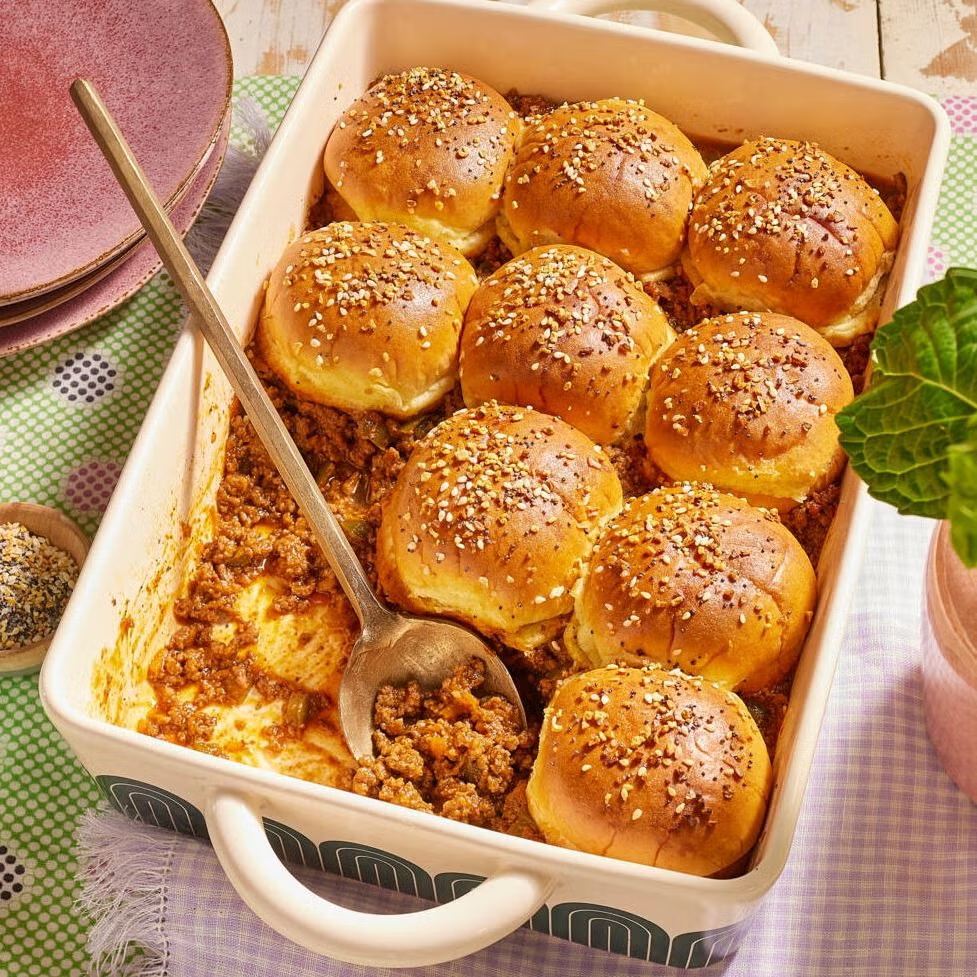
Before you can master cheap family meals, there is one thing that has to be cleared up. Cheap does not mean the lowest price tag you see at the store. That misunderstanding is exactly why many families feel like they are trying to budget but never actually saving money.
A meal is only truly cheap when it works for your family beyond the first night it is cooked. It has to feed everyone properly. It has to reduce waste. It has to stretch ingredients. And ideally, it should make the next meal easier, not harder.
Cost per serving matters more than total cost
One of the biggest mistakes families make is focusing on the total price of a meal instead of the cost per serving. A ten-dollar meal that feeds four people generously is cheaper than a six-dollar meal that leaves everyone hungry and reaching for snacks an hour later.
When thinking about cheap family meals, the smartest question to ask is not how much does this cost, but how many full plates does this produce. Meals that include filling ingredients like rice, pasta, potatoes, beans, eggs, or oats tend to deliver far more value per dollar than meals built around small portions of expensive protein alone.
Families that successfully eat on a budget usually think in servings, not prices. They know roughly how much one dinner should cost per person, and they build meals that consistently stay within that range.
Meals that create leftovers are secret money savers
Leftovers are not a failure. They are a strategy.
A truly cheap family meal often feeds your household more than once. That might mean dinner tonight and lunch tomorrow, or dinner plus a freezer portion for later in the week. Meals like casseroles, soups, stews, pasta dishes, and rice-based dinners are powerful because they scale easily without doubling the cost.
When a meal produces leftovers, it quietly lowers your weekly food spending. You buy fewer ingredients for future meals. You cook less often. You waste less food. Over time, this adds up to real savings, not just on groceries, but on energy and stress.
Families that plan for leftovers are not eating boring food. They are eating smarter food.
Ingredient overlap keeps grocery bills low
Another defining trait of cheap family meals is ingredient overlap. This means using the same core ingredients across multiple meals instead of buying something new for every recipe.
For example, if you buy onions, you use them in dinners, lunches, and even breakfast dishes. If you cook chicken early in the week, it appears in multiple meals in different forms. Rice cooked on one night becomes fried rice, burrito bowls, or soup later.
This approach reduces impulse buying and prevents half-used ingredients from going bad in the refrigerator. It also makes meal planning simpler, because you are not reinventing your grocery list every day.
Cheap family meals thrive on repetition with variation, not constant novelty.
Time is part of the cost, whether we admit it or not
Time is a hidden expense in family cooking. A meal that requires extensive prep, complicated steps, or constant attention may look cheap on paper but feels expensive in real life.
Families are busy. Between work, school, homework, and household responsibilities, there is limited energy left for cooking. Meals that are simple to prepare, cook in one pot, or rely on batch cooking are more sustainable long-term.
A meal that takes thirty minutes and feeds everyone well is cheaper than a meal that takes ninety minutes and leaves the cook exhausted. Sustainability is part of affordability.
Cheap does not mean unhealthy or bland
One of the biggest myths around cheap family meals is that they must be unhealthy, flavorless, or repetitive. In reality, many of the most affordable foods are also the most nutritious.
Beans, lentils, eggs, frozen vegetables, oats, potatoes, rice, and seasonal produce are staples in budget-friendly households for a reason. They provide energy, fiber, and nutrients at a fraction of the cost of heavily processed convenience foods.
Flavor does not come from price. It comes from seasoning, cooking methods, and familiarity. Families who eat cheaply often develop strong, comforting food traditions built around simple ingredients prepared well.
The emotional side of affordability
There is also an emotional component to cheap family meals that rarely gets discussed. When food costs are under control, stress levels drop. When meals are predictable and filling, anxiety around dinner fades. When kids eat what is served, confidence grows.
Cheap family meals are not about deprivation. They are about relief. Relief from constant spending. Relief from decision fatigue. Relief from feeling like you are failing at something every family has to do.
When a meal checks all these boxes, filling, repeatable, flexible, and emotionally satisfying, it earns the title of truly cheap.
Essential Budget-Friendly Ingredients Every US Family Should Stock
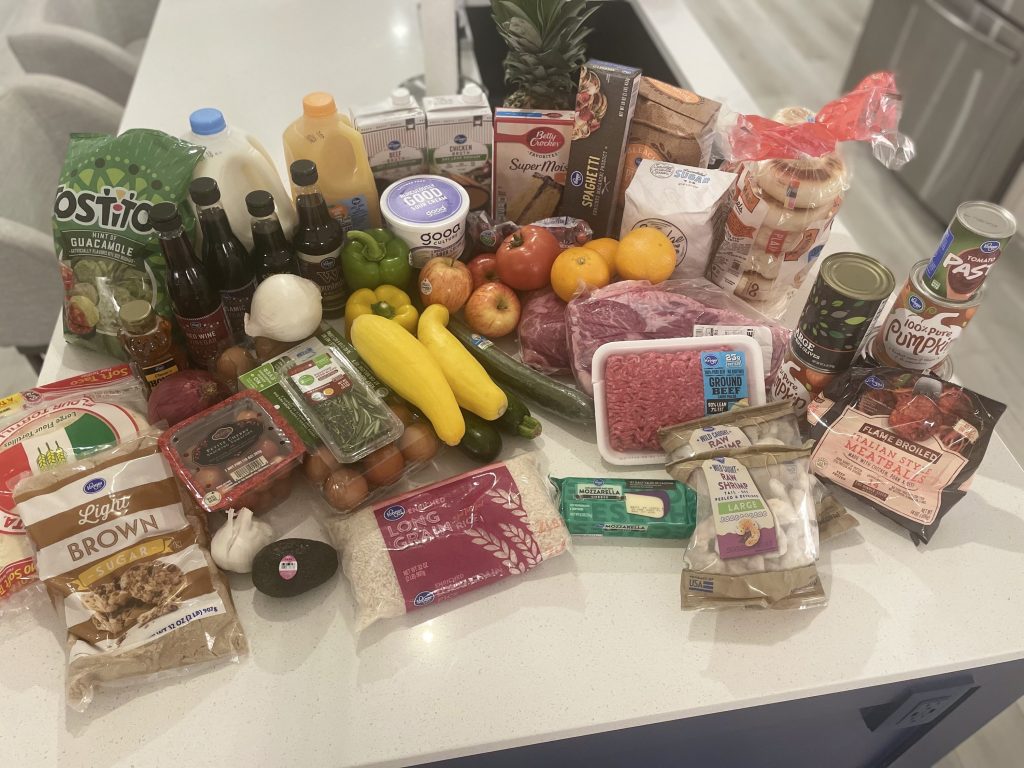
Cheap family meals do not start with recipes. They start with the ingredients you keep on hand. Families that consistently eat well on a budget are not constantly shopping for specialty items. They rely on a small group of versatile, affordable foods that can be combined in dozens of ways without anyone getting bored.
When your kitchen is stocked with the right basics, meal decisions become easier, grocery trips become cheaper, and last-minute takeout becomes far less tempting.
Affordable protein sources that stretch far
Protein is often the most expensive part of a meal, which is why smart families focus on options that provide the most servings for the least money.
Chicken thighs are one of the most reliable budget proteins in the US. They cost less than chicken breasts, stay juicy when cooked, and work in everything from baked dinners to soups and rice dishes. A single family pack can cover multiple meals if used wisely.
Ground turkey is another affordable choice, especially when bought in larger packages. It works well in pasta sauces, tacos, casseroles, and skillet meals. Mixing it with vegetables or beans stretches it even further without sacrificing flavor.
Eggs are one of the cheapest sources of protein available. They are not just for breakfast. Eggs can turn leftovers into a new meal, bulk up fried rice, or create filling dinners like omelets and frittatas.
Beans and lentils are quiet heroes in cheap family meals. Dried beans are extremely affordable, while canned beans still offer excellent value. They add protein, fiber, and fullness to meals and pair well with rice, vegetables, and small amounts of meat.
Cheap carbohydrates that keep everyone full
Carbohydrates are often what make a meal feel complete. The key is choosing options that are affordable, filling, and flexible.
Rice is a staple in many budget-conscious households for a reason. It is inexpensive, easy to cook in large batches, and works with nearly any flavor profile. White rice, brown rice, and even instant rice can all play a role depending on your schedule.
Pasta is another family favorite that delivers strong value. A single box can feed multiple people, and pasta pairs well with simple sauces, vegetables, and small amounts of protein. It is especially powerful when combined with leftovers.
Potatoes are one of the most cost-effective foods in the grocery store. They can be baked, mashed, roasted, or added to soups and casseroles. A bag of potatoes often supports several meals at a very low cost per serving.
Oats are not just for breakfast. They can be used in baking, meatloaf, and even savory dishes to stretch ingredients and add fullness.
Budget vegetables that work across multiple meals
Vegetables do not have to be expensive to be nutritious or versatile. Some of the best options for cheap family meals are also the most overlooked.
Frozen vegetables are a budget-friendly powerhouse. They are often cheaper than fresh produce, last longer, and are already prepped. Frozen broccoli, mixed vegetables, peas, and corn can be added directly to meals without extra work.
Carrots and onions are foundational vegetables in affordable cooking. They add flavor, sweetness, and substance to almost any dish. When kept on hand, they reduce the need for expensive flavor boosters.
Cabbage is one of the most underrated vegetables for budget cooking. It is inexpensive, lasts a long time in the fridge, and works in soups, stir-fries, slaws, and baked dishes.
Seasonal vegetables are usually the cheapest option at any given time. Buying what is in season keeps costs down and improves flavor.
Pantry staples that lower food costs long term
A well-stocked pantry is what separates families who constantly overspend from those who stay on budget.
Cooking oils, flour, sugar, salt, and basic spices allow you to cook from scratch instead of relying on expensive convenience foods. Items like canned tomatoes, broth, peanut butter, and basic sauces can turn simple ingredients into complete meals.
Store-brand pantry items are almost always cheaper than name brands and often identical in quality. Over time, this small switch makes a noticeable difference in grocery spending.
How these ingredients work together
The power of these budget-friendly ingredients lies in how they overlap. Rice pairs with beans. Pasta pairs with ground turkey. Potatoes pair with eggs and vegetables. Chicken pairs with almost everything.
When your kitchen is stocked this way, cheap family meals become a system instead of a struggle. You are not searching for ideas every night. You are simply combining familiar ingredients in new ways.
This is the foundation that makes everything else in this guide work.
Cheap Family Breakfast Ideas That Keep Everyone Full
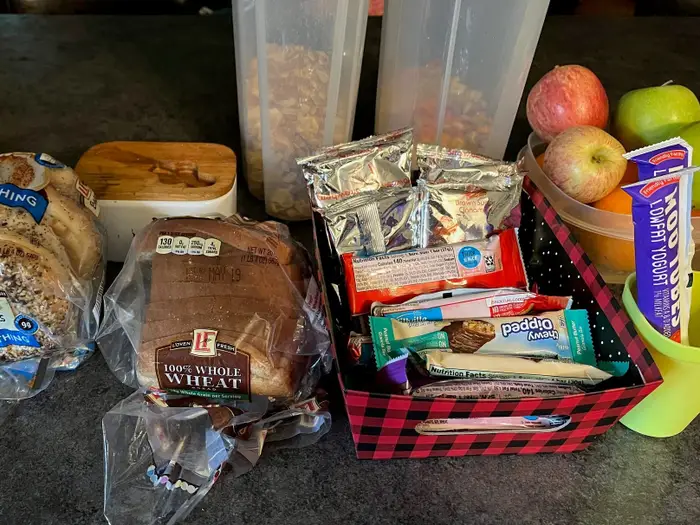
Breakfast is often where family food budgets quietly fall apart. Mornings are rushed, energy is low, and convenience foods seem like the easiest option. Unfortunately, those same convenience foods are usually expensive, lightly filling, and quickly replaced by mid-morning snacks that cost even more.
Cheap family breakfasts are not about elaborate cooking. They are about choosing foods that provide lasting energy, use affordable ingredients, and can be prepared quickly without stress.
Cheap breakfasts for busy weekdays
Weekday mornings demand simplicity. The best cheap family meals for breakfast are the ones that can be made half-asleep and still satisfy everyone.
Oatmeal is one of the most affordable and filling breakfast options available. Buying oats in large containers lowers the cost even further. Oatmeal can be customized with cinnamon, peanut butter, bananas, or a small amount of sugar without adding much expense. For families, a big pot of oatmeal feeds multiple people for just a few dollars.
Eggs are another weekday staple that offer excellent value. Scrambled eggs, hard-boiled eggs, or simple egg sandwiches provide protein that keeps kids full until lunch. Pairing eggs with toast or potatoes stretches them further and balances the meal.
Toast-based breakfasts are reliable and flexible. Toast with peanut butter, eggs, or jam costs very little and can be prepared quickly. Whole loaves of store-brand bread offer some of the cheapest calories per serving in the grocery store.
Yogurt, especially large tubs rather than single cups, can also be part of a cheap family breakfast when combined with oats or fruit. Buying individual cups often costs more and creates unnecessary waste.
Cheap weekend family breakfasts
Weekends offer more time and a chance to create meals that feel special without costing more.
Pancakes and waffles made from scratch are significantly cheaper than boxed mixes or frozen options. Flour, eggs, milk, and baking powder create large batches that feed the whole family. Leftovers can be frozen for future mornings, saving both time and money.
Breakfast casseroles are excellent for families. Eggs, potatoes, leftover vegetables, and small amounts of meat can be baked together into a filling dish that serves multiple people. These casseroles often cost very little per serving and reheat well.
One-pan egg meals like skillet breakfasts combine eggs, potatoes, and vegetables in a single dish. They reduce cleanup and use ingredients most families already have.
Make-ahead breakfasts to save money
Make-ahead breakfasts are one of the most overlooked tools in budget-friendly family meals.
Baked oatmeal is an affordable option that can be prepared once and eaten over several days. It uses inexpensive ingredients and holds up well in the refrigerator.
Freezer-friendly breakfast items like pancakes, waffles, and breakfast burritos reduce the temptation to buy expensive convenience foods during busy mornings.
Preparing breakfast in advance turns mornings into a calmer, cheaper part of the day.
Why breakfast matters for the overall food budget
Skipping or underfeeding breakfast often leads to higher spending later. Kids who start the day hungry tend to snack more. Adults are more likely to buy coffee and pastries on the go.
Cheap family breakfasts that actually fill everyone up set the tone for the entire day. They reduce impulse spending, improve energy levels, and make it easier to stick to a budget without feeling deprived.
Cheap Family Lunch Ideas That Work for Home and School
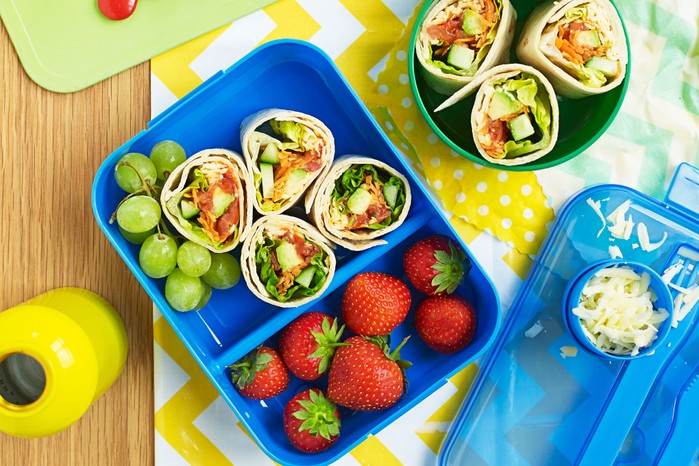
Lunch is where many families unintentionally overspend. It falls in the middle of the day when energy is low, time is limited, and convenience is tempting. Buying lunch, ordering delivery, or relying on packaged foods can quickly inflate a food budget without providing lasting satisfaction.
Cheap family lunches work best when they are built around leftovers, simple combinations, and ingredients that were already purchased for other meals.
Affordable packed lunches for kids
Packing lunches for school does not have to be expensive or complicated. The most affordable lunches rely on repetition and familiar foods rather than variety for its own sake.
Sandwiches remain one of the cheapest lunch options available. Store-brand bread, peanut butter, deli meat, or egg salad can create filling lunches at a very low cost per serving. Rotating fillings keeps things from feeling boring without increasing spending.
Leftover dinners often make the best school lunches. Pasta, rice dishes, and casseroles reheat well and provide balanced meals without additional cost. Using insulated containers helps keep food appealing.
Simple sides like carrots, apple slices, or yogurt from a large container add nutrition without much expense. Pre-packaged snack foods are convenient, but they cost significantly more than basic whole foods.
Cheap lunches for parents at home
For parents working from home or managing household duties, lunch can feel like an interruption. This often leads to skipping meals or ordering food, both of which cost more in the long run.
Quick reheated leftovers are one of the most budget-friendly lunch options. Cooking slightly more at dinner ensures there is always something ready the next day.
Egg-based lunches are another low-cost option. Omelets, scrambled eggs, or egg sandwiches take only minutes to prepare and use affordable ingredients.
Soup made in large batches is especially effective. It can be portioned and reheated throughout the week, providing warm, filling meals for very little money.
Leftover-based lunches that save the most money
Leftovers are not a compromise. They are the backbone of cheap family meals.
Rice from dinner can become fried rice for lunch. Roasted vegetables can be added to sandwiches or wraps. Cooked chicken can be turned into salads, quesadillas, or pasta dishes.
Families that normalize leftovers reduce food waste and grocery spending dramatically. Instead of viewing leftovers as repetitive, they treat them as building blocks for new meals.
Sandwich alternatives that still cost less
Not every family wants sandwiches every day, and that is completely reasonable. The good news is there are plenty of alternatives that remain affordable.
Wraps made with tortillas and leftovers are versatile and filling. Pasta salads using simple ingredients hold up well for packed lunches. Baked potatoes topped with leftover vegetables or small amounts of protein provide an inexpensive and satisfying meal.
Even simple rice bowls with beans and vegetables can be prepared quickly and packed easily.
Why lunch planning matters
When lunch is not planned, spending increases. Families buy snacks, fast food, or convenience items to fill the gap. Over time, this becomes one of the most expensive habits in a household food budget.
Cheap family lunches that rely on planning and leftovers create consistency. They reduce daily decision-making and prevent small purchases from adding up.
Cheap Family Dinner Ideas Everyone Will Eat

Dinner is the most emotionally charged meal in a family home. It comes at the end of a long day when patience is thin, hunger is loud, and expectations are high. This is also the meal where budgets are most likely to break, either through takeout, delivery, or expensive ingredients that promise satisfaction but rarely deliver.
Cheap family dinners work when they are built around comfort, familiarity, and volume. They do not need to be fancy. They need to be filling, flexible, and forgiving.
One-pot cheap family dinners that save money and time
One-pot meals are a budget family’s best friend. They reduce cleanup, simplify cooking, and stretch ingredients naturally.
Pasta dishes are one of the most reliable options. A simple pasta with tomato sauce, ground meat, and vegetables can feed a family generously for very little money. Adding carrots, onions, or frozen vegetables increases volume without increasing cost.
Rice-based meals are equally powerful. Dishes like rice and beans, chicken and rice, or vegetable fried rice turn a small amount of protein into a full meal. Rice absorbs flavor well, making inexpensive ingredients feel satisfying.
Skillet meals combine everything in one pan and work well with whatever is already in the fridge. Potatoes, eggs, vegetables, and small amounts of meat can become a hearty dinner without extra shopping.
Ground meat family dinners on a budget
Ground meat is effective because it spreads easily across large dishes.
Ground turkey or beef works well in pasta sauces, taco fillings, meatloaf, and casseroles. Mixing ground meat with beans, lentils, or vegetables increases servings while keeping costs down.
Casseroles are especially useful. They combine starches, protein, and vegetables into one filling dish that feeds multiple people and often produces leftovers.
Taco nights are popular for a reason. They allow everyone to customize their meal, reducing complaints and waste. Using rice and beans alongside meat lowers the cost per plate.
Meatless cheap family meals that still feel satisfying
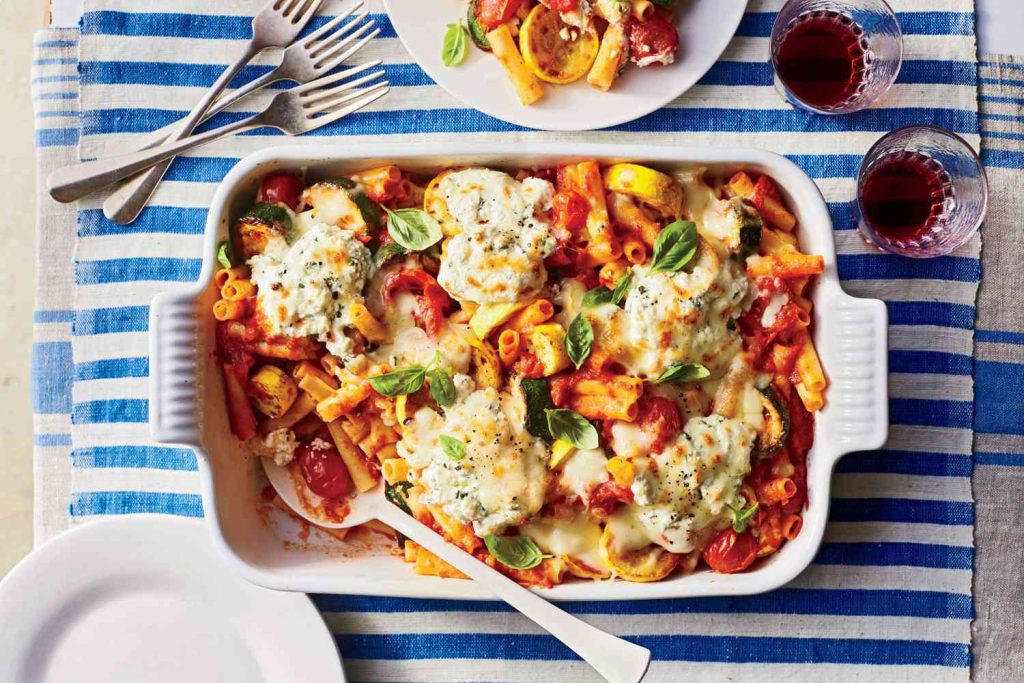
Meatless meals are not about restriction. They are about affordability and balance.
Bean-based dinners like chili, bean tacos, or rice and beans are some of the cheapest family meals available. They provide protein and fiber that keep everyone full.
Lentil soups and stews cost very little to make in large quantities and freeze well for future meals.
Egg-based dinners such as omelets or frittatas turn inexpensive ingredients into comforting meals that feel intentional, not like a fallback.
Why dinner success determines the entire food budget
When dinner works, everything else becomes easier. There are leftovers for lunch. There is less snacking. There is less temptation to order food the next day.
Cheap family dinners are not about eating less. They are about eating smarter, eating together, and eating food that actually satisfies.
Cheap Family Meals for Picky Eaters
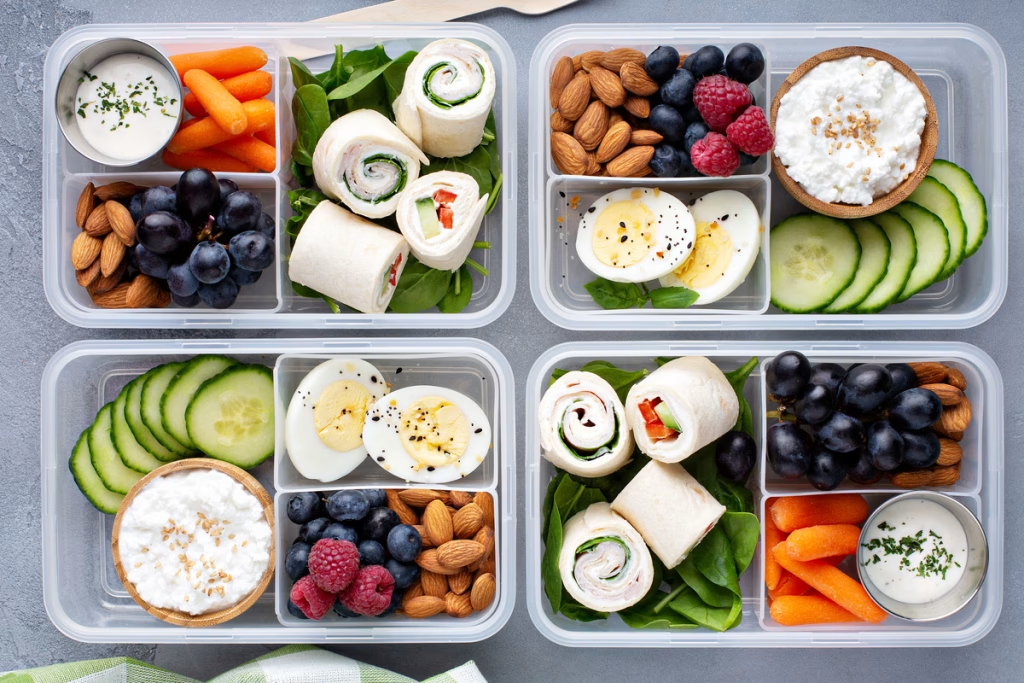
Picky eaters are one of the biggest obstacles to affordable family cooking. Nothing drains a food budget faster than making meals that go untouched. When kids refuse to eat what is served, parents are often forced into backup options that cost more, waste food, and create stress around every meal.
The truth is that picky eating is normal, especially in children. It is not a failure of parenting or cooking. The goal of cheap family meals is not to force everyone to love everything. It is to create meals that feel safe, familiar, and flexible while still staying within budget.
Why kids reject food and how to work around it
Most picky eating is about comfort and predictability, not flavor. Children often reject foods because of texture, appearance, or unfamiliar combinations rather than taste itself.
This means that expensive ingredients or complex recipes usually backfire. Simple meals with recognizable components are far more successful. When kids can identify what they are eating, they are more likely to try it.
Cheap family meals work best when they are built around foods children already tolerate, then gently expanded over time.
Familiar flavors that cost less
Some of the most kid-approved flavors are also the cheapest.
Pasta with simple sauces, rice with mild seasoning, potatoes prepared plainly, eggs cooked softly, and bread-based meals are all comforting and affordable. These foods form the base of many cheap family meals because they reduce resistance at the table.
Using the same seasoning style across meals also helps. When food tastes familiar, children are less likely to push it away, even if the ingredients change slightly.
Hidden vegetable strategies that do not feel sneaky
Adding vegetables to meals does not have to involve deception. It can simply mean blending or chopping them finely so they blend into the texture of the dish.
Vegetables can be added to pasta sauces, soups, casseroles, meatballs, and rice dishes without changing the overall flavor. Frozen vegetables are especially useful for this because they are already soft and easy to incorporate.
This approach keeps meals affordable while improving nutrition without creating conflict.
Build-your-own meals reduce waste and complaints
Build-your-own meals are one of the most effective strategies for picky eaters and budgets alike.
Meals like taco night, baked potato bars, pasta bowls, or rice bowls allow everyone to assemble their own plate. The base ingredients stay the same, which keeps costs low, while customization reduces complaints.
When children feel a sense of control, they are more likely to eat what they create. This leads to less wasted food and fewer backup meals.
Repetition is not the enemy
Many families worry that serving the same meals too often will bore their kids. In reality, repetition often increases acceptance.
Children feel safe when they know what to expect. Rotating a small group of cheap family meals builds familiarity and reduces mealtime anxiety. Over time, small variations can be introduced without resistance.
Repetition also simplifies shopping and cooking, which lowers costs even further.
The emotional payoff of meals that get eaten
When a meal is eaten without conflict, something important happens. Stress decreases. Confidence grows. The kitchen feels less like a battleground.
Cheap family meals for picky eaters are not about perfection. They are about peace. Peace at the table, peace in the budget, and peace in knowing that everyone is fed.
Weekly Cheap Family Meal Plan Example
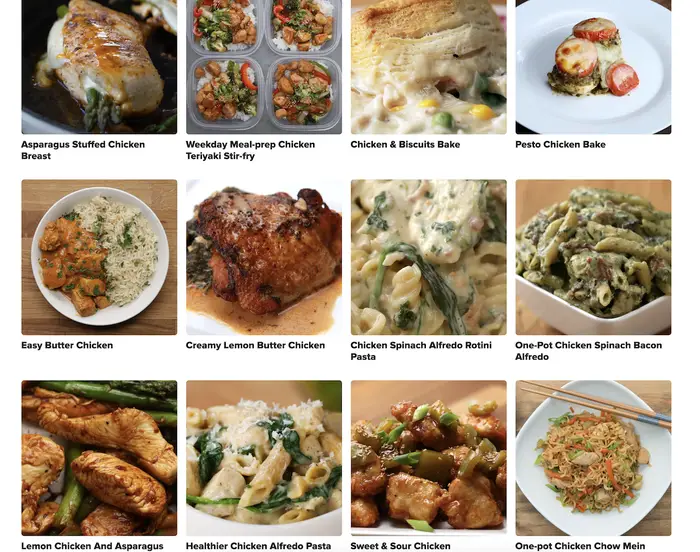
A weekly meal plan is one of the most powerful tools for keeping family food costs low. Without a plan, families tend to overbuy groceries, waste ingredients, and rely on expensive last-minute food options. With a plan, every ingredient has a purpose, and every meal builds on the one before it.
This example is not meant to be rigid. It is meant to show how cheap family meals can flow naturally across a week using overlapping ingredients and minimal stress.
Example 7-day cheap family meal plan
Monday
Dinner: Baked chicken thighs with potatoes and frozen vegetables
Why it works: Simple, filling, and sets up leftovers
Leftovers saved: Chicken and potatoes
Tuesday
Dinner: Chicken and rice skillet using leftover chicken
Why it works: Stretches one protein into a second meal
Leftovers saved: Rice and vegetables
Wednesday
Dinner: Pasta with ground turkey and vegetable-packed tomato sauce
Why it works: Low-cost ingredients, large portions
Leftovers saved: Pasta for lunches
Thursday
Dinner: Bean and rice bowls with optional chicken
Why it works: Beans lower the cost while keeping everyone full
Leftovers saved: Rice and beans
Friday
Dinner: Homemade pizza using leftover vegetables and small amounts of meat
Why it works: Fun, flexible, and uses odds and ends
Leftovers saved: Pizza slices for lunch
Saturday
Dinner: Egg and potato skillet with vegetables
Why it works: Cheap protein, quick prep
Leftovers saved: Minimal, but low cost
Sunday
Dinner: Big pot of soup using remaining vegetables, rice, and chicken
Why it works: Clears the fridge and feeds multiple meals
Leftovers saved: Soup for lunches or freezer
How this plan keeps costs low
This weekly plan uses the same core ingredients repeatedly. Chicken appears in multiple meals. Rice is cooked in bulk and reused. Vegetables rotate through different dishes. Nothing is bought for a single purpose.
Instead of seven completely separate dinners, this plan creates a chain of meals that support each other.
Estimated grocery cost logic for a US family
While exact prices vary by region and store, this type of meal plan is commonly achievable within a modest weekly grocery budget because it avoids specialty items, name brands, and unnecessary extras.
Families who shop at budget-friendly stores and stick to a list often find that a planned week like this costs significantly less than a week of unplanned shopping and takeout.
Why weekly planning reduces stress
Planning does not remove flexibility. It creates it.
When you know what is for dinner, there is less mental load. When ingredients are already in the fridge, cooking feels easier. When leftovers are expected, nothing feels wasted.
Cheap family meals become predictable in a good way. They stop being a daily problem to solve.
Where to Buy Ingredients for Cheap Family Meals in the US
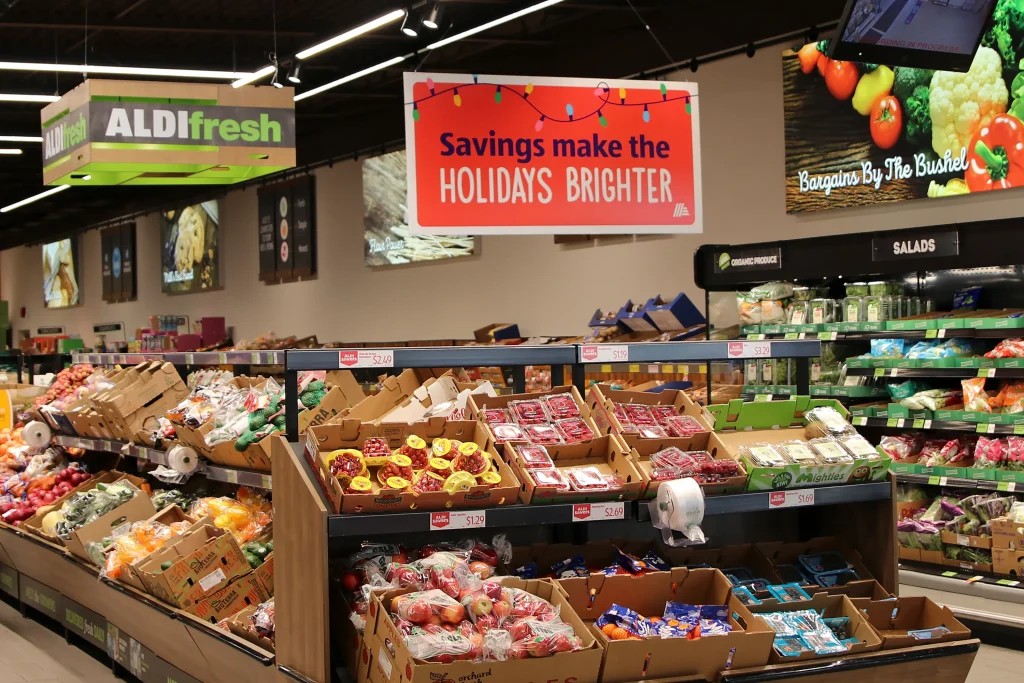
Where you shop matters just as much as what you buy. Two families can cook the same cheap family meals and spend very different amounts simply based on their grocery store choices. Understanding how to shop smart in the US is a major part of keeping food costs under control.
Cheap family meals are built on consistency, not chasing every sale or store. Families that save the most usually rely on a small number of reliable shopping locations and habits.
Budget grocery stores that support cheap family meals
Walmart is one of the most accessible options for families across the US. Its store-brand products are consistently affordable, and bulk packaging often lowers the cost per serving. Staples like rice, pasta, eggs, frozen vegetables, and canned goods are usually priced competitively.
Aldi is a favorite for families focused on budgeting. Its limited selection keeps prices low, and many of its store-brand items are comparable in quality to national brands. Families who shop Aldi often notice immediate savings on basics like produce, dairy, and pantry staples.
Dollar Tree and similar stores can be useful for specific items, particularly pantry goods, spices, and snacks. While not ideal for everything, they can help stretch a budget when used strategically.
Costco and other warehouse stores work best for families who can buy in bulk and store food properly. Items like rice, oats, frozen foods, and meat can be significantly cheaper per unit when purchased in larger quantities. The key is buying only what your family will actually use.
Farmers markets and seasonal shopping
Farmers markets are not always expensive, especially when shopping for seasonal produce. Prices often drop toward the end of the market day, and produce tends to last longer because it is fresher.
Seasonal shopping is one of the simplest ways to reduce grocery costs. Buying fruits and vegetables when they are in season usually means better flavor at a lower price. Planning meals around what is currently affordable keeps budgets flexible.
Store brands versus name brands
For most cheap family meals, store brands are the better choice. The difference in quality is often minimal, while the price difference can be significant.
Items like flour, sugar, canned vegetables, pasta, rice, and frozen foods are especially good candidates for store brands. Over time, this single habit can save hundreds of dollars per year.
Using apps and rewards wisely
Coupon and cashback apps can support budget shopping, but they work best when used intentionally. Buying items only because they are discounted often leads to overspending.
The most effective strategy is to plan meals first, then check for deals on those ingredients. Loyalty programs and digital coupons are most helpful for items you already buy regularly.
Why shopping habits matter more than one-time deals
Cheap family meals are not built on occasional bargains. They are built on repeatable habits.
Knowing which stores offer the best value for your family, sticking to a list, and avoiding impulse purchases creates long-term savings. When shopping becomes predictable, cooking becomes easier, and budgeting becomes less stressful.
Tips to Cut Family Food Costs Without Sacrificing Quality
Cheap family meals are not about buying the lowest-quality food available. They are about making thoughtful choices that stretch your budget while still feeding your family well. Many families overspend not because they eat too much, but because they make small, avoidable mistakes over and over again.
These strategies focus on habits, not shortcuts, and they work regardless of where you shop.
Plan meals before shopping, not after
Meal planning is one of the most effective ways to control food spending. When families shop without a plan, they tend to buy extra items that do not work together. This leads to wasted food and additional trips to the store.
Planning meals ahead of time allows you to create a focused grocery list. Every item has a purpose. This reduces impulse purchases and makes cooking feel more organized.
Meal planning does not need to be detailed or restrictive. Even a simple outline of dinners for the week can make a noticeable difference.
Cook from scratch when it makes sense
Cooking from scratch is often cheaper than buying pre-made or packaged foods, especially for staple meals. Items like pasta dishes, soups, pancakes, and rice meals cost significantly less when made at home.
This does not mean everything must be homemade. Some convenience foods are helpful, particularly frozen vegetables or pre-cooked grains. The key is choosing convenience where it saves time without dramatically increasing cost.
Reduce food waste intentionally
Food waste is one of the biggest hidden drains on a family food budget. Leftovers that are forgotten, produce that spoils, and half-used ingredients all represent money lost.
Simple habits like storing leftovers in clear containers, labeling food, and planning meals around what needs to be used first help reduce waste. Freezing leftovers before they go bad turns potential waste into future meals.
Buy in bulk carefully
Buying in bulk can lower the cost per serving, but only if the food gets used. Pantry staples like rice, oats, flour, and beans are usually safe bulk purchases. Perishable items should only be bought in bulk if your family consumes them regularly.
Bulk buying works best when paired with meal planning. Knowing how and when items will be used prevents overbuying.
Use your freezer as a budget tool
The freezer is one of the most powerful tools for cheap family meals. It allows families to buy food when it is affordable and store it for later use.
Freezing cooked meals, extra portions, and raw ingredients reduces waste and saves time. It also creates a backup plan for busy days when cooking feels overwhelming.
Avoid overcomplicating meals
Complex recipes often require specialty ingredients that increase costs and get used only once. Simple meals built around basic ingredients are easier to repeat and easier to budget.
Families who eat cheaply often rotate a small group of reliable meals rather than constantly trying new ones. Familiar meals reduce decision fatigue and increase acceptance at the table.
Focus on satisfaction, not perfection
A meal does not have to be perfectly balanced or visually impressive to be successful. If everyone eats, feels full, and enjoys the food, the meal has done its job.
Cheap family meals succeed when they reduce stress and meet real needs. Perfection is expensive. Satisfaction is affordable.
Common Mistakes Families Make When Trying to Eat Cheap

Trying to cut food costs can feel overwhelming, especially when families are already stretched thin. Most budgeting mistakes are not about carelessness or lack of effort. They come from good intentions paired with incomplete information. Recognizing these patterns helps families avoid frustration and actually see results.
Buying in bulk without a clear plan
Bulk buying is often presented as the ultimate money-saving strategy, but without a plan, it can backfire quickly. Large quantities of food only save money if they are used before going bad.
Families sometimes buy bulk produce, meat, or packaged foods because the price looks good, only to throw part of it away weeks later. This turns a supposed bargain into wasted money.
Bulk purchases work best for pantry staples and freezer-friendly items. When food has a clear purpose and storage plan, bulk buying becomes a true advantage.
Chasing sales instead of planning meals
Sales can be helpful, but they should support a plan, not replace it. Buying items just because they are discounted often leads to mismatched ingredients and meals that never come together.
A pantry full of random sale items still requires additional shopping to turn them into meals. This usually results in higher overall spending.
The most effective approach is to plan meals first, then look for sales on those ingredients. This keeps spending focused and intentional.
Overcomplicating cheap meals
Many families assume that budget cooking requires creativity and constant variety. This pressure often leads to complex recipes with long ingredient lists that increase costs and stress.
Cheap family meals thrive on simplicity. Repeating meals, using the same ingredients in different ways, and keeping flavors familiar all reduce expenses and effort.
Complication rarely adds value when the goal is feeding a family affordably.
Ignoring leftovers or treating them as failures
Leftovers are sometimes seen as boring or unappealing, but they are one of the most effective budget tools available.
Throwing away leftovers or letting them sit unused in the refrigerator wastes both food and money. Treating leftovers as planned meals, rather than afterthoughts, changes how families cook and shop.
When leftovers are expected, portions are adjusted, and meals are chosen with reuse in mind.
Relying too heavily on convenience foods
Packaged convenience foods often feel like time savers, but they usually come with a higher price tag and lower satisfaction. They tend to be smaller, less filling, and more expensive per serving.
While some convenience items are helpful, relying on them too often raises food costs without reducing effort in a meaningful way.
Balancing convenience with simple home cooking keeps budgets stable and meals more satisfying.
Expecting instant perfection
One of the biggest mistakes families make is expecting immediate results. Changing food habits takes time, especially in a busy household.
One expensive week does not mean failure. One picky meal does not undo progress. Cheap family meals are built gradually through small adjustments that add up.
Consistency matters more than perfection.
Frequently Asked Questions About Cheap Family Meals
What is the cheapest meal to feed a family?
The cheapest meals to feed a family are usually built around rice, pasta, potatoes, beans, eggs, and seasonal vegetables. Dishes like rice and beans, pasta with simple sauce, egg-based dinners, and soups made in large batches often cost very little per serving while still being filling. Meals become even cheaper when leftovers are planned and reused.
Can cheap family meals still be healthy?
Yes, cheap family meals can absolutely be healthy. Many of the most affordable foods in the grocery store are also nutritious, including beans, lentils, eggs, oats, frozen vegetables, and whole potatoes. Cooking at home allows families to control ingredients, reduce added sugars, and avoid overly processed foods without increasing costs.
How much should a family of four spend on food per week in the US?
The amount varies depending on location, shopping habits, and dietary needs, but many families of four are able to keep food spending reasonable by planning meals, cooking at home, and limiting takeout. Cheap family meals play a major role in keeping costs predictable and avoiding budget spikes caused by unplanned purchases.
Are frozen foods cheaper than fresh?
Frozen foods are often cheaper than fresh, especially when it comes to vegetables. They last longer, reduce food waste, and are usually just as nutritious. Frozen vegetables are one of the most effective tools for cheap family meals because they are affordable, convenient, and easy to add to many dishes.
How do I feed picky eaters without spending more?
Feeding picky eaters affordably works best when meals are simple, familiar, and flexible. Build-your-own meals, repeated favorites, and mild flavors reduce resistance and waste. When kids eat what is served, families spend less on backup meals and snacks.
Is meal planning really worth the effort?
Yes. Meal planning is one of the most effective ways to reduce food costs. It lowers impulse buying, reduces waste, and makes cooking easier. Even a loose weekly plan can significantly improve how cheap family meals fit into daily life.
Conclusion: Cheap Family Meals Are About Control, Not Sacrifice
Cheap family meals are not about lowering standards or settling for less. They are about taking control of something that affects every part of family life, finances, time, energy, and peace of mind.
When meals are planned, ingredients are reused, and food is chosen intentionally, grocery bills become more predictable. Stress around dinner decreases. Waste goes down. Confidence goes up. Families stop feeling like they are constantly reacting and start feeling like they are choosing.
This guide was never about finding one perfect recipe. It was about building a system that works in real homes with real schedules and real appetites. A system where meals are filling, familiar, and affordable. A system where cheap does not mean boring, and budget-friendly does not mean exhausting.
If there is one takeaway, it is this: feeding your family well does not require endless money or endless effort. It requires consistency, simplicity, and a willingness to let go of perfection.
Cheap family meals are not a downgrade. For many families, they are an upgrade to calmer evenings, lower stress, and food that actually gets eaten.
