

You don’t realize how expensive a cat can be until you start buying litter every single month.
It’s not the one bag that hurts. It’s the repeat trips. The “already empty?” moments. The 20-pound refill you just bought two weeks ago that somehow vanished. Multiply that by one cat. Then two. Then three. Suddenly, what looked like a $12 purchase turns into a quiet $200–$400 annual expense.
And here’s the frustrating part: cheap cat litter often feels like a gamble.
Some bags promise “maximum odor control” and barely last three days. Others turn into a dusty cloud the second you pour them. Some track across your entire apartment. And a few clump so poorly you end up dumping the whole box early, which defeats the point of saving money in the first place.
If you’re searching for cheap cat litter in the U.S., you’re not just looking for the lowest price. You want value. You want litter that:
- Controls odor without overpowering perfume
- Clumps tightly so you’re not wasting half the box
- Doesn’t coat your furniture in gray dust
- Lasts long enough to actually save you money
And you want it without paying boutique prices.
The truth is, not all inexpensive litter is bad. In fact, some of the best-performing options in America cost under $20 per bag. The problem is knowing which ones are genuinely budget-friendly and which ones are just cheap upfront but expensive in the long run.
That’s exactly what this guide is built to solve.
Inside, you’ll discover:
- The best cheap cat litter brands available in the U.S. right now
- How to calculate cost per pound so you never overpay again
- Which store brands compete with big names
- Where to buy cheap cat litter for less, including bulk and subscription tricks
- How to make litter last longer without sacrificing cleanliness
- What actually matters: clumping strength, dust level, tracking, and odor control
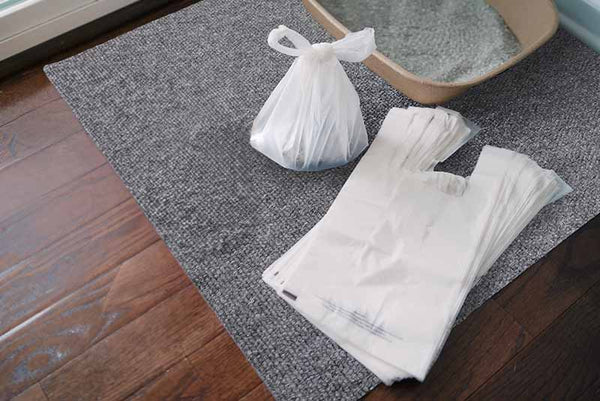
Whether you live in a small apartment, manage a multi-cat household, or just want to stop feeling like you’re throwing money in the trash every time you scoop, this guide will help you choose smarter.
Because cheap should not mean smelly.
Affordable should not mean messy.
And saving money should not mean living with ammonia fumes in your living room.
Let’s break down what makes cat litter truly cost-effective and find the options that give you the most performance for your dollar.
What Makes Cat Litter “Cheap”; And When Cheap Is Actually Smart
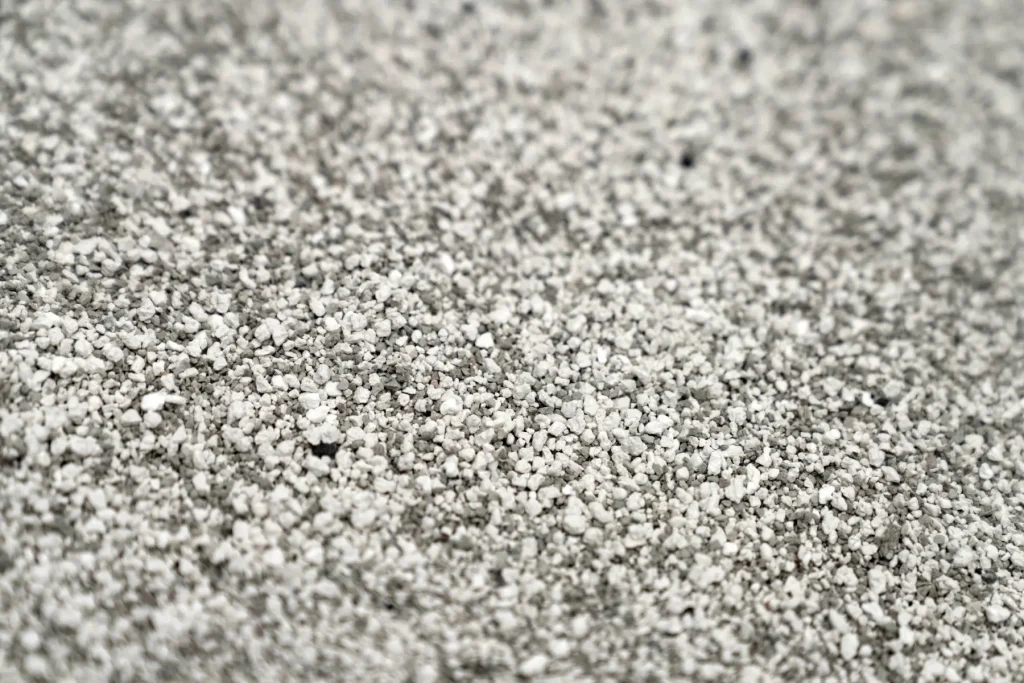
Before you grab the lowest-priced bag on the shelf, it helps to understand what “cheap cat litter” really means.
Because there are two kinds of cheap:
- Low price, high waste
- Low price, high value
The difference comes down to materials, performance, and how long the litter actually lasts in your home.
Let’s break it down so you can spot the difference instantly.
The Real Cost: It’s Not the Bag Price; It’s Cost Per Pound
Most U.S. retailers price cat litter between $0.40 and $1.50 per pound. That’s a huge range.
A $9 bag might look like a steal, but if it’s only 10 pounds, you’re paying $0.90 per pound. Meanwhile, a $17 40-pound bag comes out to about $0.42 per pound, less than half the cost over time.
This is where many shoppers lose money.
When comparing cheap cat litter, always calculate:
Price ÷ Weight = Cost Per Pound
That single formula tells you more than any marketing claim.
Clay vs. Natural: Why Most Cheap Litter Is Clay
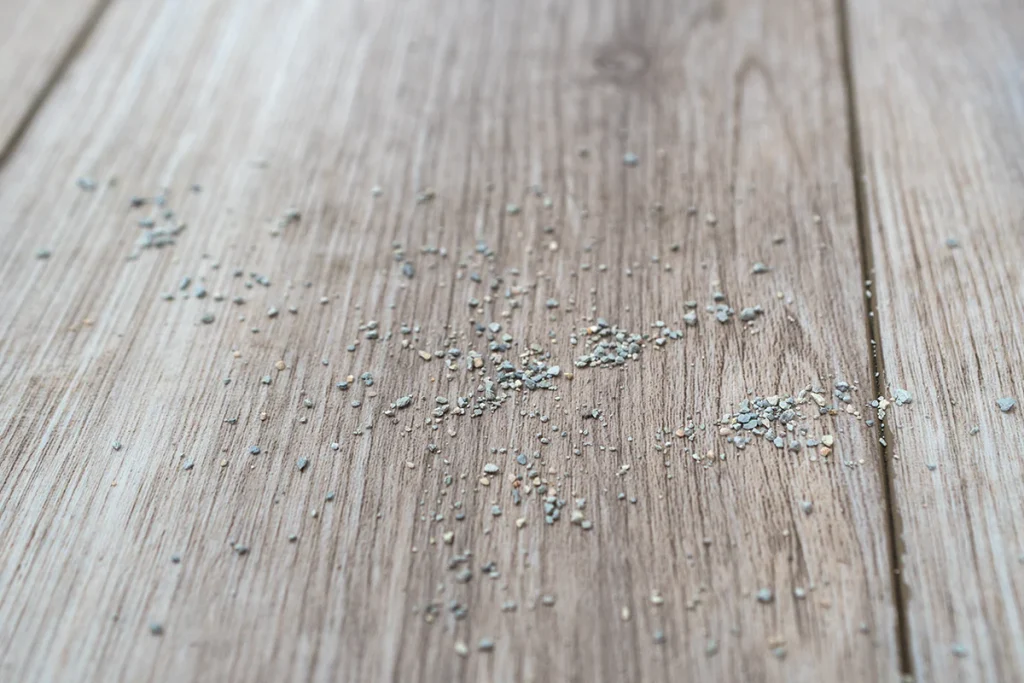
The reason most cheap cat litter options in the U.S. are clay-based is simple: bentonite clay is inexpensive to mine and extremely absorbent.
Clay litter:
- Clumps well
- Is widely available
- Is typically the cheapest per pound
- Controls odor through moisture absorption
Natural litters, on the other hand, are often made from:
- Pine
- Corn
- Wheat
- Recycled paper
They’re usually more expensive because manufacturing costs are higher and production is more specialized.
If your goal is purely saving money, clay litter usually wins on price. But performance varies dramatically depending on the brand and clumping quality.
Why Some Cheap Cat Litter Smells Faster
Odor control depends on three factors:
- Absorption speed
- Ammonia neutralization
- Clump integrity
Low-quality litter absorbs urine slowly. That delay allows ammonia smell to develop. If clumps break apart during scooping, urine particles stay behind, creating odor buildup over time.
Better cheap litters:
- Form tight, scoopable clumps
- Seal moisture quickly
- Minimize leftover fragments
This is why some inexpensive store brands perform surprisingly well, while others need full box changes every few days.
And full box changes are where costs skyrocket.
Lightweight Litter: Why It Costs More
Lightweight litter sounds like a money-saver. After all, you’re getting a large-looking box that’s easier to carry.
But here’s the catch.
Lightweight formulas are expanded clay or blended materials. They cost more per pound and often produce more dust. Some also track more because the particles are smaller.
While convenient, lightweight litter rarely ranks as the cheapest long-term solution.
If your priority is strictly cheap cat litter, traditional heavy clay usually delivers better cost efficiency.
Store Brands vs. Name Brands
In the U.S., major retailers like:
- Walmart
- Target
- Costco
offer store-brand litter that often undercuts big national brands by 15 to 30 percent.
The interesting part: many store brands are manufactured by the same large producers that make premium labels. The difference is usually marketing, packaging, and fragrance variations.
That means some of the best cheap cat litter options are hiding in plain sight on bottom shelves.
The Hidden Cost of “Too Cheap”
Extremely cheap litter can cost you more if:
- It turns to mud at the bottom of the box
- It creates excessive dust
- It requires full litter replacement twice as often
- It tracks across your home
If you’re replacing the entire box weekly instead of biweekly, your “cheap” purchase just doubled in cost.
The smartest strategy is finding litter that:
- Clumps tightly
- Controls odor for at least 7 days
- Allows partial top-offs instead of full changes
That’s where real savings happen.
What Truly Defines Good Cheap Cat Litter
A budget-friendly litter should:
- Cost under $0.60 per pound
- Form firm clumps within minutes
- Produce minimal dust when poured
- Control odor for at least one week per cat
- Allow easy scooping without crumbling
If it checks those boxes, it’s not just cheap. It’s efficient.
And efficiency is what keeps your annual litter spending under control.
How to Choose Cheap Cat Litter That Doesn’t Waste Your Money
Finding cheap cat litter is easy.
Finding cheap cat litter that actually performs well for weeks without turning your home into a dusty, smelly mess is where most people struggle.
This is where smart buying separates real savings from false economy.
Below are the five factors that matter most when choosing budget litter in the U.S.
1. Clumping Strength: The Make-or-Break Factor
If clumps fall apart when you scoop, you are literally throwing money away.
Strong clumping means:
- Urine gets locked into a tight ball
- You remove only the waste, not clean litter
- The remaining litter stays usable longer
Weak clumping leads to:
- Crumbled pieces left behind
- Odor buildup
- Full box replacements sooner than necessary
When evaluating cheap cat litter, check reviews for phrases like:
- “Hard clumps”
- “Scoopable”
- “Doesn’t crumble”
Those three indicators matter more than fragrance or branding.
Pro tip: Pour litter at least 3 inches deep. Shallow boxes cause clumps to stick to the bottom and break apart.
2. Odor Control: It’s About Ammonia, Not Perfume
Many budget litters rely heavily on artificial fragrance. At first, it smells clean. But once urine builds up, the perfume mixes with ammonia and creates an even worse scent.
True odor control comes from:
- Fast moisture absorption
- Tight clumping
- Activated carbon or baking soda additives
Fragrance can help slightly, but it should not be the primary odor solution.
If you live in a small apartment, odor performance is even more critical. Cheap cat litter that lasts 7 to 10 days before smelling noticeable is usually the sweet spot for value.
3. Dust Levels: Protecting You and Your Cat
Low-cost clay litter can sometimes produce heavy dust clouds when poured.
Excessive dust:
- Irritates your cat’s respiratory system
- Coats furniture and floors
- Creates more cleanup
When reading labels, look for “low dust” claims, but verify through reviews. Many budget options advertise low dust but still release particles when scooping.
If someone in your household has asthma or allergies, this factor becomes non-negotiable.
4. Tracking: The Hidden Annoyance
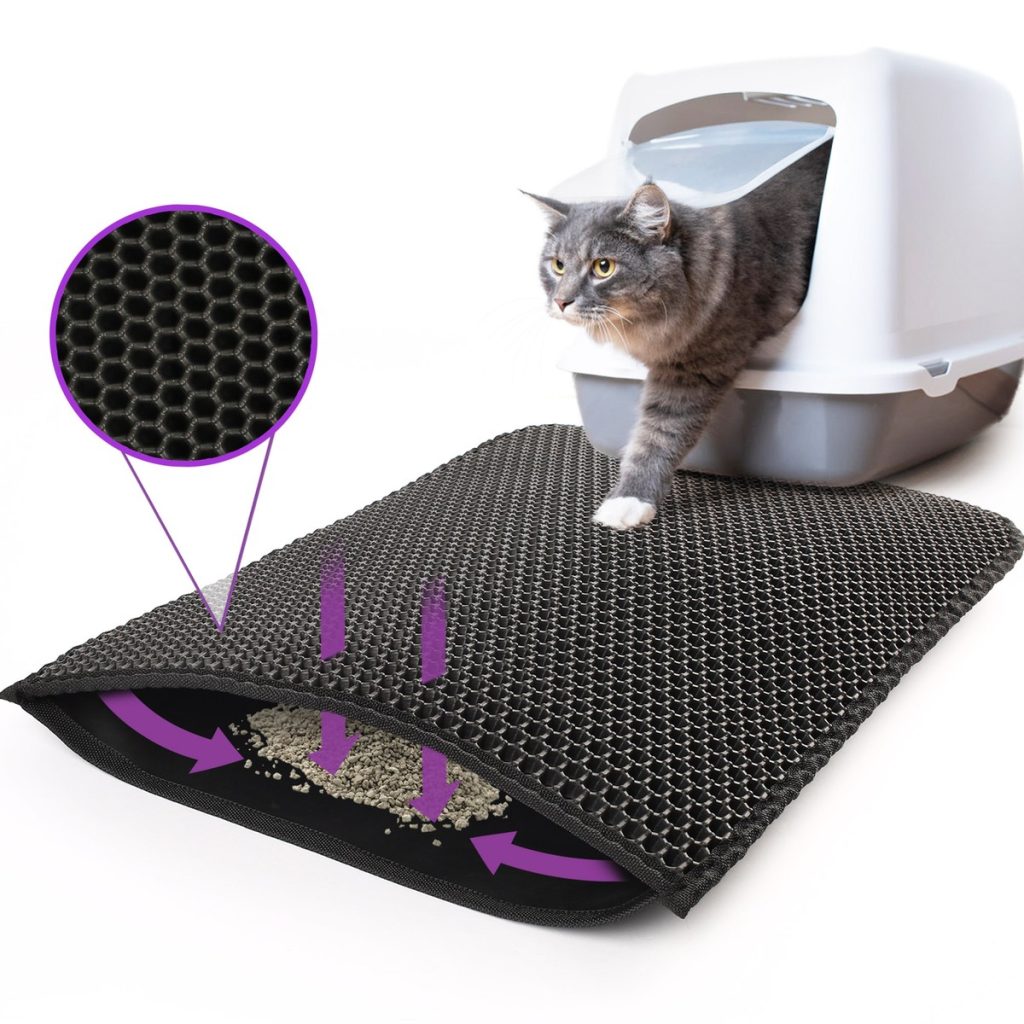
Tracking happens when small particles cling to your cat’s paws and scatter across floors.
Cheaper litters often use finer granules, which can increase tracking. Larger granules reduce tracking but may not clump as tightly.
Solutions include:
- Using a litter mat
- Choosing medium-grain clay
- Placing the box away from high-traffic areas
If you constantly sweep around the litter box, that frustration adds up. Cheap cat litter should not cost you extra cleaning time.
5. Multi-Cat Household Considerations
One cat uses roughly 7 to 10 pounds of litter per month on average.
Two or three cats? Multiply accordingly.
In multi-cat homes, cheap litter must:
- Neutralize odor faster
- Handle higher moisture volume
- Form extra-strong clumps
Look for formulas labeled “multi-cat strength.” Even in budget brands, these typically contain extra odor neutralizers and tighter clumping agents.
For multi-cat households, buying in bulk from retailers like:
- Walmart
- Costco
- Chewy
often lowers cost per pound significantly.
6. Apartment Living vs. House Living
Small apartment?
Odor control and dust control matter more than absolute lowest price.
Large house with garage litter box?
You may prioritize bulk savings over ultra-low dust.
Your living environment changes which cheap cat litter is truly “best” for you.
7. How Deep to Fill the Box (Most People Get This Wrong)
Depth recommendation:
3 to 4 inches.
Too shallow:
- Clumps stick to bottom
- Break apart easily
- Cause odor
Too deep:
- Wasteful
- Increases cost per month
Getting this right can extend litter lifespan by 20 percent or more.
8. Unscented vs. Scented Cheap Litter
Unscented:
- Better for sensitive cats
- Less artificial smell
- Often preferred in smaller spaces
Scented:
- May mask odor temporarily
- Can deter picky cats
If your cat avoids the box, scented formulas could be the issue.
9. The Monthly Cost Reality Check
Average U.S. cost using budget clay litter:
One cat:
$12–$20 per month
Two cats:
$20–$35 per month
Switching to a better-performing cheap litter that lasts longer can reduce that total by $5–$10 monthly. Over a year, that’s meaningful savings.
Choosing cheap cat litter is not about picking the lowest number on the shelf. It’s about maximizing performance per pound.
Best Cheap Cat Litter Brands in the U.S. (2026 Picks)
Now that you know what matters most when choosing budget cat litter, let’s get to the products.
Below you’ll find the top cheap cat litter options available in the United States; each selected based on performance, price per pound, odor control, dust levels, and real-world user feedback.
We’ll break them into categories so you can pick what matches your cats and your home situation.
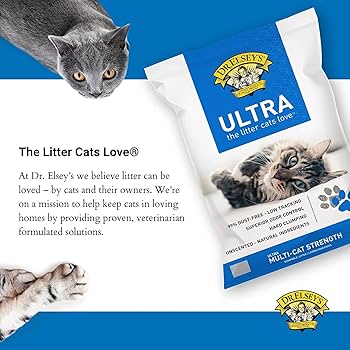
Best Overall Cheap Cat Litter
These options balance odor control, clumping strength, minimal dust, and cost per pound better than most budget competitors.
Dr. Elsey’s Ultra
Why it’s on this list: Excellent clumping strength for a budget litter. Works well in small apartments and multi-cat homes.
Best for: Cats that prefer firm clumps and quick scooping
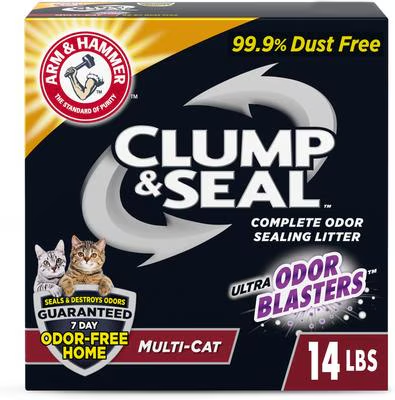
Arm & Hammer Clump & Seal
Why it’s on this list: Activated baking soda and odor seal technology make this one of the most reliable affordable litters for odor control.
Best for: Odor-sensitive home environments and multi-cat houses
Best Budget Store Brands
Store brands often save significant money while matching — or in some cases outperforming — national brands.
Special Kitty
Why it’s on this list: One of the cheapest clay options in the U.S. with decent clumping and acceptable odor control for the price.
Best for: Everyday scooping and small budgets
Fresh Step Simply Unscented
Why it’s on this list: Unscented clay that clumps cleanly and minimizes fragrance overload for cats who hate strong smells.
Best for: Sensitive cats and apartments where artificial scents aren’t ideal
Best Budget Lightweight Litter
Lightweight litters cost a bit more per pound but are easier to carry and often cleaner to pour.
Tidy Cats Lightweight
Why it’s on this list: Easier to carry without sacrificing too much performance.
Best for: People who carry litter frequently from store to home
Best Natural Budget Litters
Natural formulas can be slightly pricier but still fall in the “cheap cat litter” range when weighed against performance.
Feline Pine
Why it’s on this list: Pine naturally controls odor and repels insects without artificial additives.
Best for: Eco-conscious homes and low-dust environments
World’s Best Cat Litter
Why it’s on this list: Natural corn-based formula that clumps well and still delivers budget-friendly performance when bought in bulk.
Best for: Households that want a natural option without heavy price tags
Budget Comparison Overview
| Brand | Estimated Price Range | Type | Best For | Odor Control | Dust Level | Value |
|---|---|---|---|---|---|---|
| Dr. Elsey’s Ultra | $15–$22 | Clumping Clay | All Around | High | Low | Excellent |
| Arm & Hammer Clump & Seal | $14–$21 | Clumping Clay | Odor Control | Very High | Medium | Very Good |
| Special Kitty (Walmart) | $8–$15 | Basic Clay | Low Budget | Moderate | Medium | Good |
| Fresh Step Simply Unscented | $11–$19 | Clumping Clay | Sensitive Cats | Good | Low | Very Good |
| Tidy Cats Lightweight | $12–$20 | Lightweight Clay Blend | Easy Handling | Moderate | Medium | Good |
| Feline Pine | $14–$24 | Natural Pine | Eco-Friendly | Good | Very Low | Good |
| World’s Best Corn Litter | $16–$28 | Natural Corn | Natural/Reliable | Good | Low | Very Good |
How These Stack Up in Performance
Each of the litters above performs well for their price tier, but not all excel in every category. Here’s a quick breakdown so you know what to expect before buying:
- Best for Odor Control: Arm & Hammer Clump & Seal, Dr. Elsey’s Ultra
- Best for Low Dust: Fresh Step Simply Unscented, Feline Pine
- Best for Ease of Scooping: Dr. Elsey’s Ultra, World’s Best Corn Litter
- Best for Budget Entry-Level: Special Kitty
- Best Natural Budget Choice: Feline Pine, World’s Best Corn Litter
Where to Buy Cheap Cat Litter in the United States
Finding the best price doesn’t stop with knowing which litter is good, it also matters where you buy it.
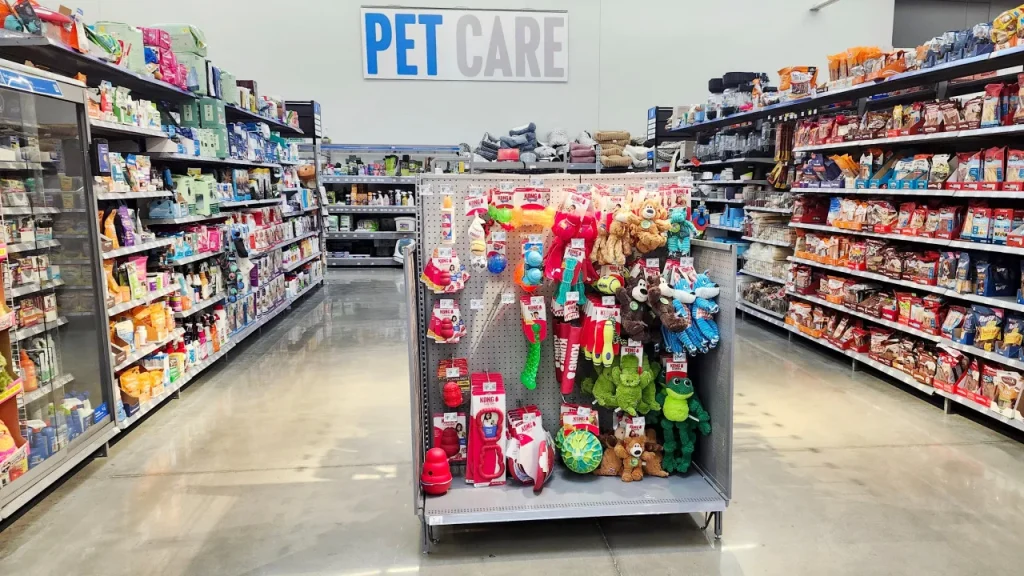
Most of the brands above are available at:
- Walmart – Great in-store clearance deals and rollback pricing
- Target – Competitive store-brand litter and periodic sales
- Costco – Excellent bulk pricing if you have storage space
- Chewy – Frequent auto-ship discounts for loyal customers
- Amazon – Convenient delivery and subscription pricing
Tip: Subscription programs (like Chewy’s Autoship or Amazon’s Subscribe & Save) can reduce the per-bag cost by 5–15%.
How to Make Cheap Cat Litter Last Longer
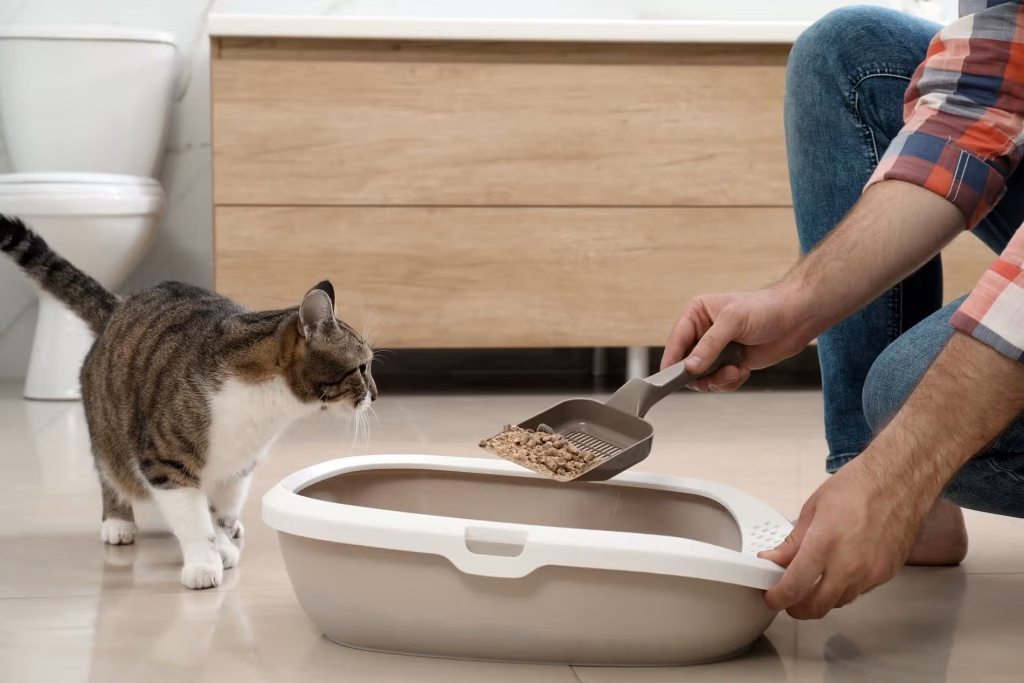
Buying a budget litter is only half the savings battle. If you’re scooping early or replacing the entire box too soon, you lose your advantage.
Here are practical steps to extend litter life without compromising cleanliness:
Scoop Daily
Removing waste every morning prevents odor buildup and extends the usable life of the remaining litter.
Use Litter Box Liners Strategically
Liners make full box changes faster and help protect the bottom of the box so clumps don’t stick and break apart.
Add a Thin Layer of Baking Soda
Lightly layer baking soda under the litter. It helps neutralize ammonia and keeps odor at bay longer.
Keep the Box in a Cool, Ventilated Area
Heat increases odor. A well-ventilated spot reduces smell and prevents moisture buildup.
Avoid Overfilling
3 to 4 inches of litter is ideal. Too much litter increases cost per use without improving performance.
Cheap Cat Litter for Special Situations
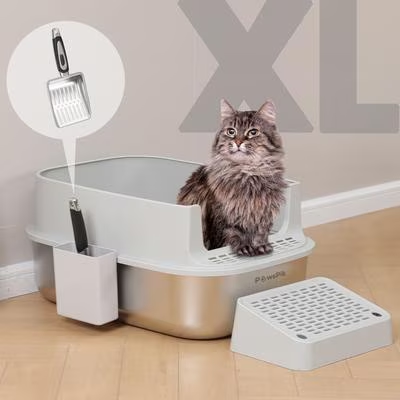
Not every household is the same, and your choice of cheap cat litter should reflect your specific situation. Whether you have multiple cats, kittens, seniors, or sensitive cats, there are budget-friendly options that still perform well.
1. Multi-Cat Households
Multi-cat homes require litter that can handle:
- Increased urine volume
- Stronger odors
- Frequent scooping
Recommended Cheap Litter:
- Dr. Elsey’s Ultra – Extra clumping for multiple cats
- Arm & Hammer Clump & Seal – Strong odor control with baking soda
- Tidy Cats Lightweight Multi-Cat – Easier to handle in bulk while keeping odor in check
Tips:
-
- Use one box per cat plus one extra
- Scoop twice daily to prevent odor buildup
Consider bulk purchases to save per pound
2. Kittens
Kittens are notoriously messy. They may:
- Dig excessively
- Track litter outside the box
- Have sensitive respiratory systems
Recommended Cheap Litter:
- Fresh Step Simply Unscented – Low dust, unscented
- World’s Best Corn Litter – Natural, clumps well, low tracking
Tips:
-
-
- Use shallow boxes for easy access
- Avoid scented litters; strong fragrances can deter kittens
-
3. Senior Cats
Older cats may have joint pain or weaker bladders. They need litter that:
- Is easy to enter and exit
- Clumps quickly to avoid sitting in urine
Recommended Cheap Litter:
- Dr. Elsey’s Ultra – Hard clumps reduce odor and mess
- Feline Pine – Natural, low dust for sensitive respiratory systems
Tips:
- Place the litter box on one level to reduce climbing
- Use a low-entry box with a good depth of litter
4. Allergies and Low-Dust Needs
Some cats (or humans) are sensitive to dust. Low-dust or natural litters are essential.
Recommended Cheap Litter:
- Fresh Step Simply Unscented – Clay-based, minimal dust
- Feline Pine – Naturally low dust
- World’s Best Corn Litter – Corn-based, minimal particles
Tips:
- Scoop frequently to prevent fine dust from spreading
- Use a litter mat outside the box to capture tracked litter
5. Small Apartments
In confined spaces, odor control is the number one priority. Tracking and dust also matter.
Recommended Cheap Litter:
- Arm & Hammer Clump & Seal – Seals odor effectively
- Dr. Elsey’s Ultra – Hard clumps reduce mess
- World’s Best Corn Litter – Minimal dust, low tracking
Tips:
- Keep the litter box in a ventilated area
- Use a covered box if possible to trap odor
- Consider layering baking soda under the litter
Cheap Cat Litter vs. Expensive Litter: Is It Worth Paying More?
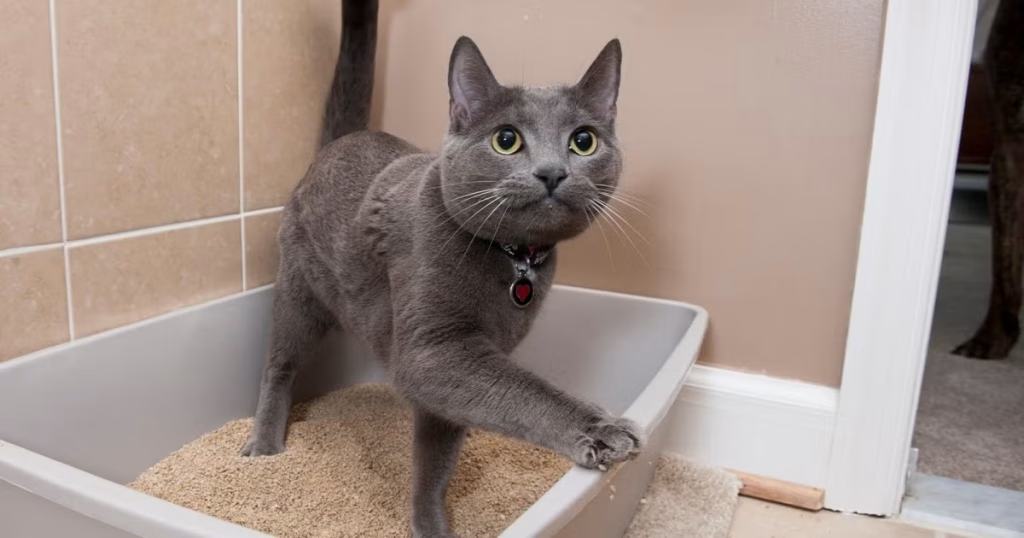
Many cat owners assume that expensive litter automatically performs better. While premium brands often have advanced odor control or natural ingredients, cheap cat litter can often match or even outperform them in key areas, especially when you know what to look for.
Here’s a clear breakdown:
1. Longevity and Clumping
- Cheap Litter: Good budget brands like Dr. Elsey’s Ultra or Arm & Hammer Clump & Seal form tight clumps that last for a week in a single-cat home.
- Expensive Litter: Premium litters sometimes clump softer, requiring more frequent scooping if you have multiple cats.
Verdict: A smart budget choice can perform just as well for clumping and longevity.
2. Odor Control
- Cheap Litter: Baking soda and clay-based formulas (e.g., Arm & Hammer) control odor effectively for 5–7 days per cat.
- Expensive Litter: Advanced silica or natural litters may last longer, but they often cost 2–3 times more per pound.
Verdict: For most households, a quality cheap litter controls odor without paying extra.
3. Dust Levels
- Cheap Litter: Low-dust clay and unscented formulas reduce mess for cats and humans.
- Expensive Litter: Many premium natural litters are naturally low-dust but may track more due to particle size.
Verdict: Both budget and premium options are available; careful selection matters more than price.
4. Tracking
- Cheap Litter: Medium-grain clay or corn-based options (like World’s Best Cat Litter) minimize tracking if paired with a mat.
- Expensive Litter: Some lightweight or crystal litters track more due to particle size.
Verdict: Tracking is often about litter type, not cost.
5. Cost Per Month
| Type | Avg. Monthly Cost (Single Cat) | Pros | Cons |
|---|---|---|---|
| Cheap Clay Litter | $12–$20 | Affordable, clumps well, widely available | Can be dusty if poorly selected |
| Premium Natural/Crystal Litter | $25–$40 | Odor control, low tracking, eco-friendly | Expensive, may not clump as tightly |
Key Insight: Many cheap cat litters provide 80–90% of the performance of expensive litters at half the cost.
Bottom Line
- Paying more isn’t always better.
- Smart selection of budget litter often gives you excellent clumping, odor control, and low dust.
- Understanding your cat’s needs, household size, and home environment matters more than brand name.
By focusing on these factors, you can save hundreds of dollars per year without compromising cleanliness or comfort.
Frequently Asked Questions About Cheap Cat Litter
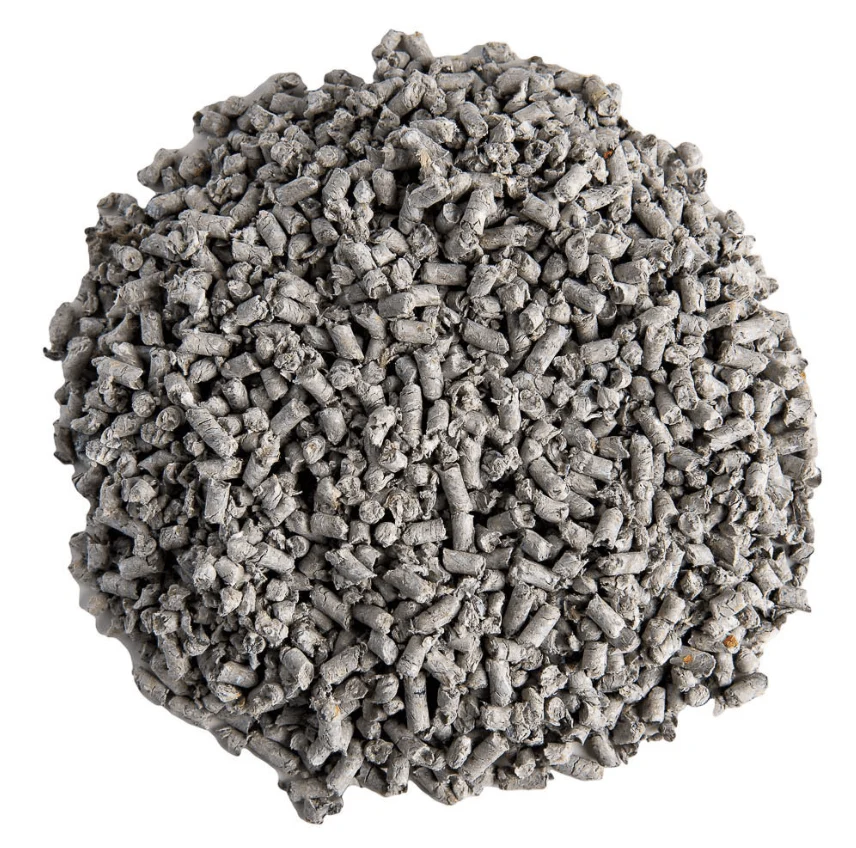
Q1: What is the cheapest cat litter that still clumps well?
A: Among budget options, Dr. Elsey’s Ultra and Arm & Hammer Clump & Seal are standout choices. They form firm clumps, last for a week or more, and cost less per pound than many premium brands. Store brands like Special Kitty also offer decent clumping at an even lower price.
Q2: Is store brand litter worse than name brand litter?
A: Not necessarily. Many store brands are manufactured by the same companies that make national brands. The main differences are often fragrance, packaging, and marketing. Check clumping, dust level, and odor control reviews; some store brands perform just as well, if not better, than premium options.
Q3: How much litter does one cat use per month?
A: On average, one adult cat uses 7–10 pounds per month. Multi-cat households multiply usage accordingly. Bulk or subscription purchases are usually the most cost-effective way to manage multiple cats.
Q4: Can I mix different types of cat litter?
A: Yes, but carefully. Mixing litters can confuse cats if the texture or scent changes dramatically. Gradually blend new litter with old, starting with a 25/75 ratio, then slowly increasing over several days. This approach reduces litter box refusal.
Q5: What is the best cheap litter for multiple cats?
A: Multi-cat households need litter with strong clumping and superior odor control. Recommended budget options:
- Dr. Elsey’s Ultra – Extra clumping for heavy use
- Arm & Hammer Clump & Seal – Superior odor control
- Tidy Cats Lightweight Multi-Cat – Easier handling in bulk
Q6: Is scented cheap litter safe for cats?
A: Most cats tolerate mild fragrance, but some are sensitive or may avoid the box. Unscented options like Fresh Step Simply Unscented are safer for sensitive cats and smaller apartments.
Q7: How can I reduce tracking from cheap litter?
A:
- Use a litter mat outside the box
- Choose medium to large granules
- Keep litter at 3–4 inches deep
- Opt for low-dust formulas
Q8: Can cheap litter cause respiratory issues?
A: Some dusty clay litters can irritate cats and humans with asthma or allergies. Low-dust or natural litters such as Feline Pine or World’s Best Corn Litter are better choices for sensitive households.
Q9: Is natural litter better than cheap clay?
A: Not always. Natural litters reduce dust and may be eco-friendly, but high-quality cheap clay litters often perform equally well in clumping and odor control while costing less.
Q10: Where can I reliably buy cheap cat litter in the U.S.?
A: Most budget options are available at:
- Walmart – Best for store-brand options and in-store discounts
- Target – Competitive pricing and sales on bulk packs
- Costco – Excellent bulk pricing if you have storage space
- Chewy – Subscription discounts for recurring orders
- Amazon – Convenience and Subscribe & Save savings
Conclusion: Save Money Without Sacrificing Cleanliness
Choosing the right cheap cat litter doesn’t mean settling for poor performance. With the right knowledge, you can keep your home clean, control odor, minimize dust, and save hundreds of dollars per year, all without spending on premium brands.
Here’s the key takeaway:
- Clumping matters: Firm clumps extend litter life and make scooping easy.
- Odor control is essential: Baking soda and quality clay can match expensive litters.
- Dust and tracking: Choose low-dust formulas and use a litter mat to keep your home clean.
- Cost per pound: Always calculate how much you’re paying per pound; the largest bag often provides the best value.
- Consider your household: Multi-cat homes, kittens, and sensitive cats may need specialized cheap litter options.
Recommended Budget-Friendly Litter Picks (U.S.)
- Dr. Elsey’s Ultra – Best overall for clumping and multi-cat households
- Arm & Hammer Clump & Seal – Excellent odor control and long-lasting
- Special Kitty (Walmart) – Best low-cost everyday option
- Fresh Step Simply Unscented – Low dust for sensitive cats
- Feline Pine / World’s Best Corn Litter – Natural options at reasonable prices
Pro Tips to Maximize Value
- Scoop daily to keep litter usable longer.
- Layer baking soda under litter for extra odor control.
- Use a litter mat to catch tracking.
- Buy in bulk or subscribe for recurring savings.
- Match the litter type to your living environment and cat’s needs.
Final Thoughts
Cheap cat litter doesn’t have to be a compromise. By choosing the right brand, monitoring usage, and applying a few smart tricks, you can provide your cat with a clean, comfortable litter box while keeping your wallet happy.
Try one of the recommended options today and see how affordable and effective cat litter can transform your daily routine.
Which cheap cat litter works best for you? Share your experience in the comments below and help other cat owners make smarter choices.
