

Have you ever stared at your kitchen counter, stomach growling, wallet feeling light, and thought, “I wish I could have a breakfast that actually feels like a treat without spending a fortune”? You are not alone. Every morning, millions of Americans face the same challenge: getting a filling, delicious breakfast that doesn’t blow the budget.
Here’s the truth: cheap breakfast doesn’t have to taste cheap. With the right ingredients, clever hacks, and a little creativity, you can have a meal that looks and feels expensive, even if it costs just a fraction of what a café or diner would charge. Imagine golden-brown avocado toast that could pass for Instagram-worthy, a smoothie bowl so vibrant it feels luxurious, or a hearty breakfast burrito packed with flavor, all on a shoestring budget.
In this ultimate guide, you will discover:
- The best cheap breakfast ideas that are filling, healthy, and easy to prepare.
- Budget-friendly ingredients and where to get them in the US.
- Tips and tricks to make simple meals look gourmet.
- Quick prep strategies for busy mornings.
By the time you finish reading, you’ll have a full arsenal of breakfast options that will impress your taste buds, your friends, and your wallet.
Why Cheap Breakfast Doesn’t Have to Taste Cheap
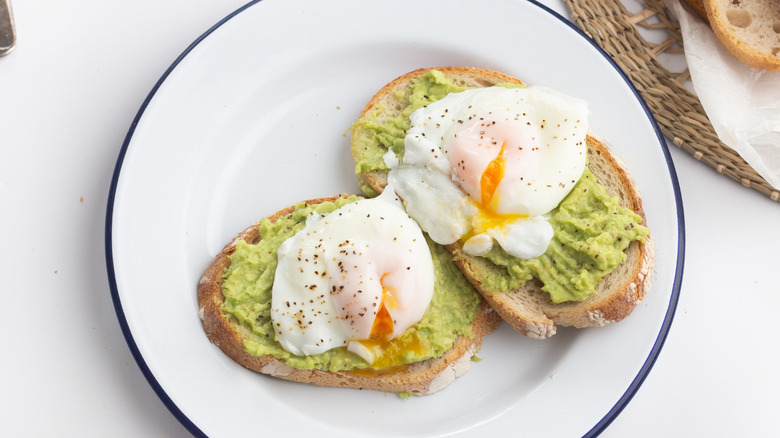
Let’s clear something up right away: price and quality are not the same thing. Some of the most expensive breakfasts in America are built from the same core ingredients you already have in your kitchen. Eggs. Oats. Bread. Fruit. Yogurt. Potatoes.
The difference is not cost. The difference is presentation, pairing, seasoning, and creativity.
Walk into almost any trendy brunch spot in cities like New York City or Los Angeles and you’ll see $16 avocado toast. But the ingredients often cost less than $2 at home. What you’re paying for is atmosphere, plating, and branding.
The good news? You can recreate that same experience at home for a fraction of the price. Here’s how perception works with breakfast:
People associate certain visual cues with “expensive”:
- Clean white plates
- Garnishes like herbs or fruit slices
- Layered textures
- Vibrant color contrast
- Neatly arranged portions
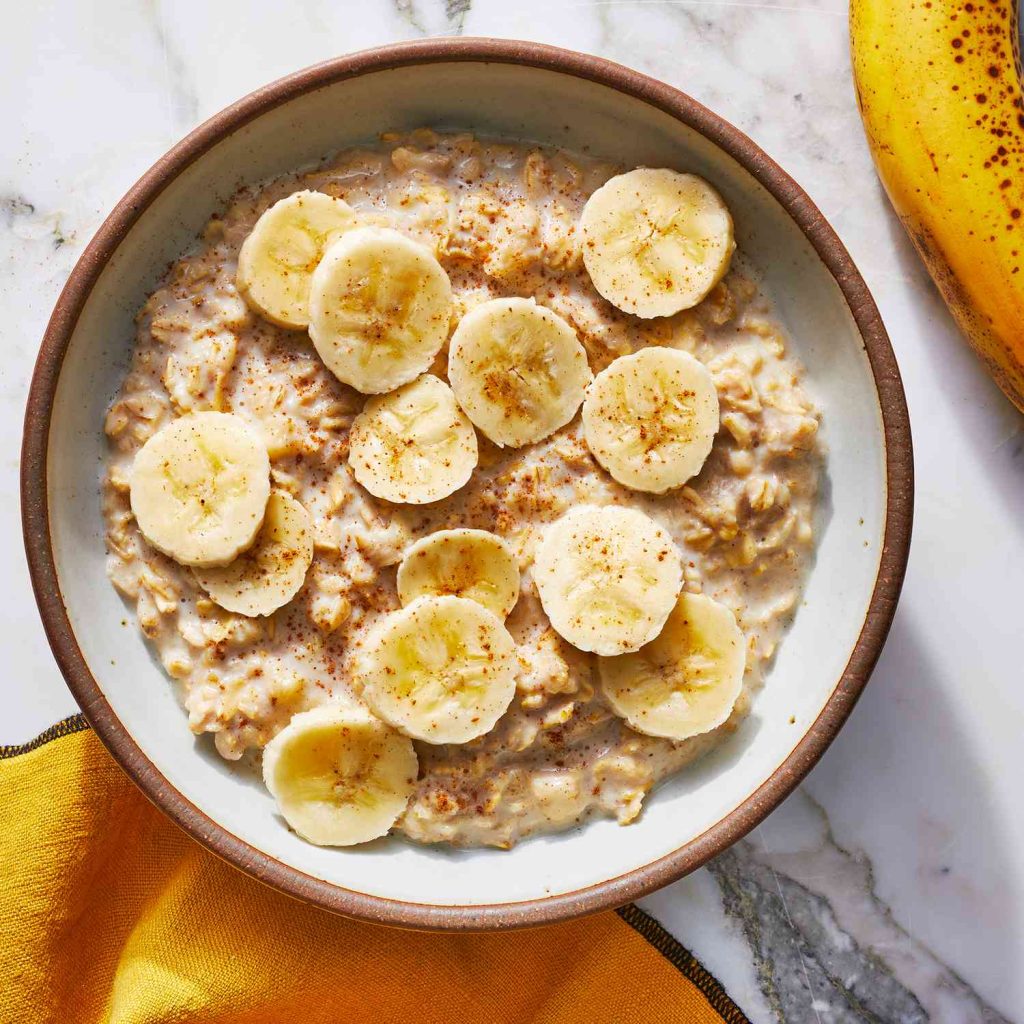
Take plain oatmeal. In a bowl, it feels basic. In a shallow dish with sliced bananas, a drizzle of honey, a sprinkle of cinnamon, and a handful of granola? Suddenly it feels intentional. Elevated. Worthy of a café.
Cheap breakfast becomes powerful when you focus on three upgrades:
- Texture. Add crunch to creamy foods.
- Contrast. Mix sweet with salty or tangy.
- Freshness. A squeeze of lemon or sprinkle of herbs changes everything.
This is the mindset shift that separates budget eating from boring eating.
How to Choose the Best Cheap Breakfast Options
Choosing the right ingredients is the foundation of a smart cheap breakfast strategy. The goal is not just low price. The goal is maximum value per dollar.
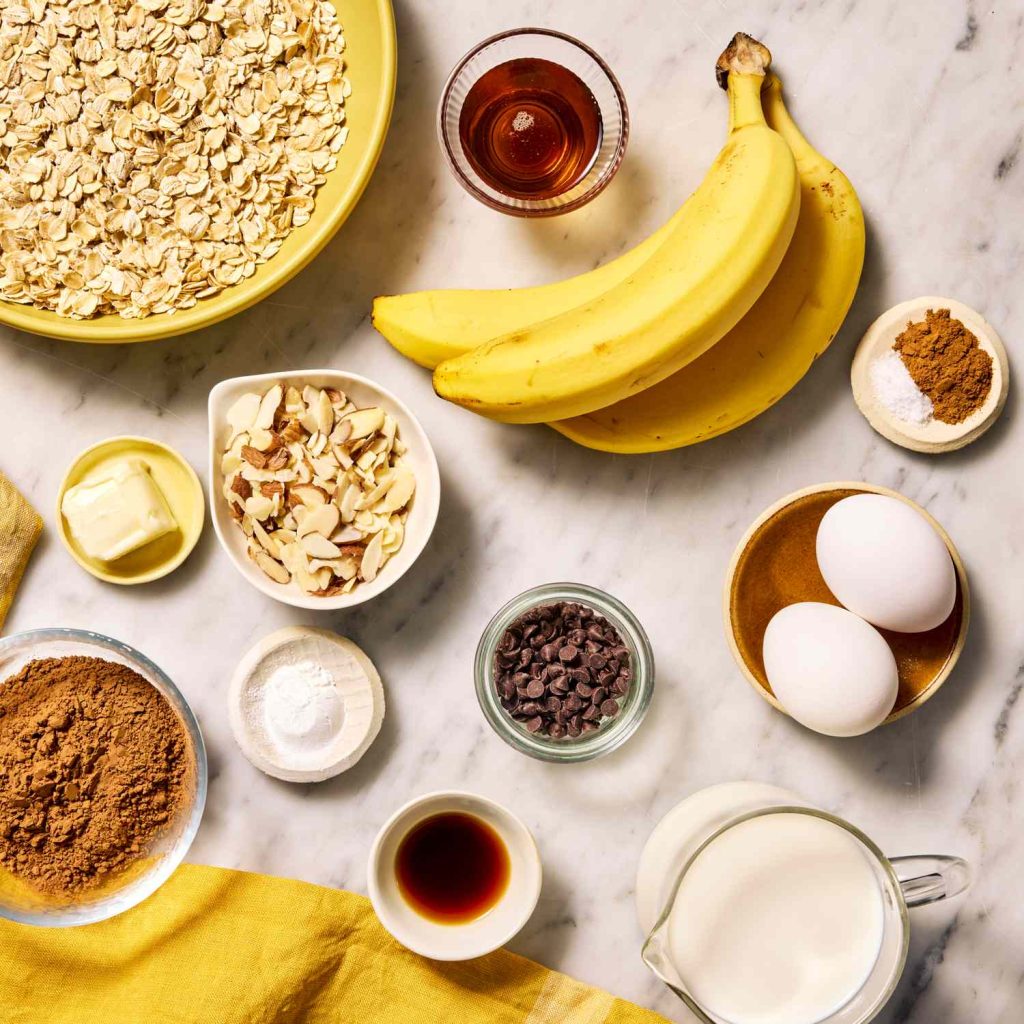
Here’s what that means in practical terms.
1. Prioritize High-Protein Staples
Eggs remain one of the most affordable protein sources in the US. A dozen eggs can often produce six breakfasts for just a few dollars. Pair them with toast or potatoes and you have a filling meal for under $2 per serving.
Greek yogurt is another budget powerhouse. Buy the larger tub instead of single-serve cups and portion it yourself. Add fruit and oats for a balanced breakfast.
2. Choose Ingredients That Do Double Duty
Versatility saves money.
- Oats can become oatmeal, overnight oats, or blended into smoothies.
- Bread can become toast, French toast, breakfast sandwiches, or croutons.
- Bananas work in oatmeal, smoothies, pancakes, or as a simple side.
The more ways you can use one ingredient, the lower your weekly breakfast cost becomes.
3. Buy Seasonal Produce
Fresh fruit prices drop dramatically when they are in season. Strawberries in summer are far cheaper than in winter. Apples are often budget-friendly in fall.
Shopping smart at stores like Walmart, Aldi, and Costco can significantly reduce your weekly breakfast spending.
Bulk oats, eggs, frozen fruit, and large yogurt tubs often provide the best value.
4. Calculate Cost Per Serving
Instead of focusing on total price, divide the cost by servings. A $5 bag of oats that provides 15 servings costs about $0.33 per breakfast. That is cheaper than almost any drive-through option.
This simple shift in thinking changes everything.
Quick and Easy Cheap Breakfast Staples
When it comes to mastering cheap breakfast in the United States, staples are everything. These are the meals you can rely on when your grocery budget is tight, your schedule is packed, and your energy is low. They require minimal ingredients, very little prep time, and almost no cooking skill. Yet when done right, they can be satisfying, balanced, and even impressive.
The key to staples is consistency. These are the breakfasts you can rotate weekly without getting bored, because they are flexible enough to customize.
Let’s break them down in detail.
Oatmeal: The Undisputed Budget Champion
Average cost per serving: $0.30 to $1 depending on toppings
Oatmeal remains one of the cheapest, most filling breakfasts available in the US. A standard 42-ounce container of rolled oats can provide around 30 servings. When you calculate cost per bowl, it becomes one of the lowest per-serving breakfasts in any grocery store.
Why oatmeal works so well:
• High in fiber, which keeps you full longer
• Extremely versatile
• Long shelf life
• Easy to prepare in under five minutes
There are three main types of oats you will see in US stores:
- Rolled oats – Balanced texture and cook time
- Quick oats – Cook faster but slightly softer
- Steel-cut oats – Chewier texture, longer cook time
For pure convenience and cost balance, rolled oats are usually the best choice.
Ways to upgrade basic oatmeal without increasing cost much:
Add peanut butter. A spoonful adds protein and healthy fats, turning oatmeal into a more complete meal.
Use frozen fruit instead of fresh. Frozen berries are often cheaper year-round and prevent waste.
Add cinnamon or vanilla extract. These inexpensive pantry ingredients dramatically improve flavor.
Make it savory. Oatmeal does not have to be sweet. Add a fried egg, a pinch of salt, and black pepper for a completely different experience.
Oatmeal is not just cheap. It is adaptable. That is what makes it powerful.
Scrambled Eggs and Toast: Protein on a Budget
Average cost per serving: $1 to $2
Eggs have long been considered one of the best-value protein sources in America. Even when prices fluctuate, they remain one of the most cost-efficient ways to get high-quality protein in the morning.
Two eggs and two slices of toast create a filling meal with protein, carbohydrates, and fats. It is simple but effective.
How to make scrambled eggs better without increasing cost:
Cook low and slow. This improves texture dramatically.
Add a splash of milk before whisking. It creates softer curds.
Top with black pepper, paprika, or hot sauce. These are inexpensive pantry upgrades.
Use store-brand whole wheat bread for more fiber at nearly the same cost.
You can also stretch eggs further by turning them into:
• Breakfast sandwiches
• Egg wraps with tortillas
• Egg and potato hash
When paired with inexpensive potatoes, eggs become even more budget-friendly per serving.
Peanut Butter Banana Sandwich: The No-Cook Hero
Average cost per serving: Around $1. This option is ideal for students, busy professionals, or anyone who dislikes cooking in the morning. Two slices of bread, two tablespoons of peanut butter, and one banana deliver:
• Protein
• Carbohydrates
• Potassium
• Healthy fats
It takes less than three minutes to assemble. Ways to elevate it slightly:
Toast the bread for better texture.
Sprinkle cinnamon on the banana slices.
Drizzle a tiny amount of honey for extra sweetness.
Peanut butter is calorie-dense and filling, which makes it ideal for long mornings. Buying larger jars often reduces cost per serving significantly.
Yogurt and Fruit Bowl: Balanced and Fast
Average cost per serving: $1.50 to $2.50
Single-serve yogurt cups may look convenient, but they are usually more expensive per ounce. Buying a larger tub of plain or vanilla yogurt and portioning it yourself is almost always cheaper.
Greek yogurt is higher in protein, which increases fullness and reduces mid-morning snacking.
Basic build:
• ¾ cup yogurt
• ½ cup fruit
• Handful of oats or granola
You can control sugar by using plain yogurt and adding your own fruit instead of buying heavily sweetened versions.
Frozen fruit again plays a huge role in cost savings here. It lasts longer and is often less expensive per pound.
Breakfast Potatoes: Cheap, Filling, and Underrated
Average cost per serving: $0.50 to $1
Potatoes are often overlooked for breakfast, but they are incredibly affordable in the US. A five-pound bag can provide multiple breakfasts at a very low cost per serving.
Simple method:
Dice potatoes.
Cook in a skillet with oil.
Add salt, pepper, and garlic powder.
For a complete meal, add one egg on top. The combination of potatoes and eggs creates a diner-style breakfast at home for a fraction of restaurant prices.
Potatoes store well and stretch across multiple meals, making them a smart staple.
Homemade Pancakes: Weekend Luxury on a Budget
Average cost per serving: About $1
Pre-made pancake mixes are convenient, but making pancakes from scratch is often just as cheap and uses basic pantry staples:
• Flour
• Eggs
• Milk
• Baking powder
• Salt
You can make a large batch and refrigerate leftovers for quick reheating during the week.
To keep costs down:
Use frozen fruit instead of fresh berries.
Avoid expensive syrups by using a small amount or trying honey.
Pancakes feel indulgent but are surprisingly inexpensive when homemade.
Overnight Oats: The Time-Saving Staple
Average cost per serving: $0.75 to $1.25
Overnight oats combine convenience with budget efficiency. Instead of cooking oats in the morning, you mix them with milk or yogurt at night and refrigerate.
Basic formula:
½ cup rolled oats
½ cup milk
¼ cup yogurt
Fruit or peanut butter
By morning, the oats are soft and ready to eat.
Overnight oats reduce decision fatigue. When breakfast is already prepared, you are less likely to spend money elsewhere.
Why Staples Matter More Than Trendy Recipes
Trendy breakfast foods come and go. What keeps your grocery budget steady is mastering simple staples that can adapt to different flavors and seasons.
The reason these options rank so highly in affordability is not just ingredient cost. It is their flexibility, shelf stability, and low waste potential.
If you build your weekly routine around five or six of these staples, you can dramatically lower monthly food expenses without sacrificing taste or nutrition.
The smartest approach to cheap breakfast is not chasing viral recipes. It is mastering the basics and learning how to elevate them.
Budget-Friendly Gourmet Breakfast Ideas
There is something deeply satisfying about sitting down to a breakfast that feels intentional. Not rushed. Not thrown together. Not purely functional. Gourmet does not mean expensive. It means thoughtful. Balanced. Well-presented.
The biggest misconception about gourmet breakfast is that it requires specialty ingredients or premium grocery bills. In reality, most café-style breakfasts are built from simple pantry staples arranged creatively and paired smartly. The difference is execution, not expense.
This section will show you how to create breakfasts that look and taste upscale while keeping your per-serving cost surprisingly low.
Avocado Toast Done Right
Average cost per serving: $2 to $3
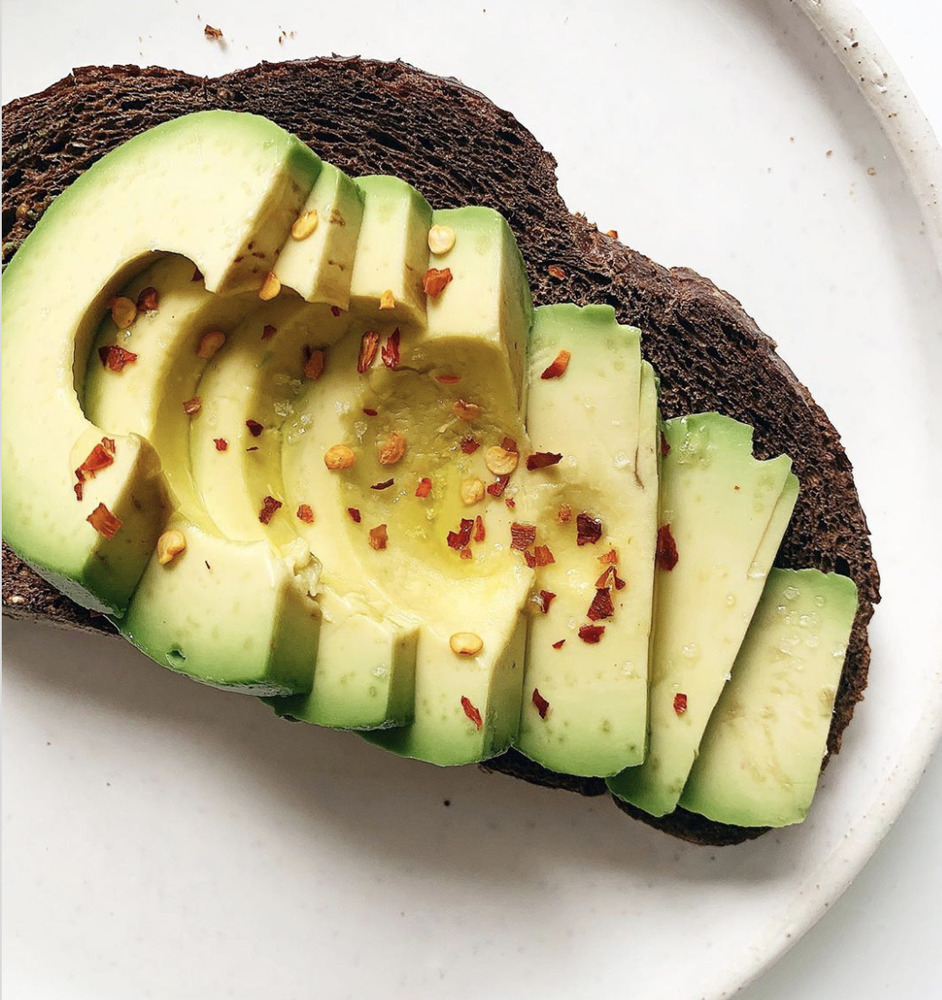
Avocado toast has become symbolic of modern brunch culture. In many urban cafés across the US, it can cost anywhere from $10 to $18. Yet the base ingredients are extremely simple: bread, avocado, salt, and acid.
How to keep it budget-friendly:
Buy whole avocados in bags rather than individually when possible.
Use store-brand whole grain bread instead of artisan bakery loaves.
Stretch one avocado across two slices by mashing thoroughly and spreading thinly but evenly.
Flavor upgrades that cost pennies:
A squeeze of lemon or lime enhances flavor dramatically.
Red pepper flakes add complexity.
Everything bagel seasoning gives a deli-style finish.
A fried or poached egg adds protein and visual appeal.
Presentation tip:
Spread the avocado smoothly. Use the back of a spoon to create subtle texture ridges. Add toppings deliberately rather than scattering randomly.
You now have a café-quality breakfast at roughly one-fifth the restaurant price.
Breakfast Burrito with Elevated Flavor
Average cost per serving: $1.50 to $2
A breakfast burrito feels hearty and indulgent, yet it is built from some of the cheapest ingredients available: eggs, beans, rice, and tortillas.
Base structure:
Scrambled eggs
Cooked beans
Shredded cheese
Flour tortilla
To give it a gourmet edge:
Sauté onions and peppers before adding eggs.
Add a small spoon of salsa or hot sauce.
Toast the wrapped burrito seam-side down in a skillet for crisp texture.
Beans are especially important for cost control. A single can can stretch across multiple burritos, and dried beans are even cheaper if you cook them yourself.
This breakfast delivers protein, fiber, and carbohydrates in one portable package. It looks substantial and feels restaurant-worthy, yet remains firmly in budget territory.
Smoothie Bowls That Feel Luxury-Level
Average cost per serving: Around $2
Smoothie bowls are visually striking. Bright fruit colors, layered toppings, and artful arrangement make them look expensive.
The secret to affordability is frozen fruit. Fresh berries can be costly depending on season. Frozen berries are often cheaper per pound and last much longer.
Basic formula:
1 cup frozen fruit
½ banana
½ cup yogurt or milk
Blend until thick. Pour into a bowl rather than a cup.
Affordable topping ideas:
Oats instead of expensive granola
Sliced banana
Chia seeds
A small handful of nuts
Keep toppings minimal but intentional. Arrange fruit in lines or small clusters rather than dumping it on top.
The bowl presentation alone elevates perception. The cost remains low.
French Toast with a Simple Twist
Average cost per serving: Around $1 to $1.50
French toast feels indulgent, yet it uses bread, eggs, and milk. These are already staple items in a budget kitchen.
Basic method:
Whisk egg and milk.
Dip bread.
Cook in butter or oil.
Upgrade ideas that cost almost nothing:
Add cinnamon to the egg mixture.
Use slightly stale bread for better texture.
Top with sliced fruit instead of heavy syrup.
You can also add a spoonful of yogurt on the side to balance sweetness and add protein.
With careful plating and fresh fruit garnish, French toast transforms into a brunch-style meal without increasing grocery spending significantly.
Breakfast Sandwich with Café Appeal
Average cost per serving: $1.50 to $2
Breakfast sandwiches at coffee shops can cost $5 to $8. Making your own cuts that dramatically.
Core components:
Egg
Cheese
Bread or English muffin
Budget upgrade strategies:
Use a biscuit cutter or jar lid to shape eggs neatly in a skillet.
Toast the bread for crisp texture.
Add spinach or tomato slices for freshness.
If you want a more premium feel, lightly butter the bread before toasting.
You now have a structured, visually appealing sandwich that feels crafted rather than rushed.
Savory Yogurt Bowl
Average cost per serving: $1.50 to $2
Most people think of yogurt as sweet. But savory yogurt bowls feel sophisticated and are surprisingly affordable.
Base:
Plain Greek yogurt
Add:
Salt and black pepper
Cucumber slices
Cherry tomatoes
Olive oil drizzle
Everything seasoning
Serve with toast on the side.
This Mediterranean-inspired option feels restaurant-level but relies on simple ingredients that stretch across multiple meals.
Breakfast Hash with Color and Contrast
Average cost per serving: $1 to $2
Hash feels gourmet because it combines textures and colors.
Dice potatoes.
Add onions and peppers.
Cook until crispy.
Top with a fried egg.
Color contrast makes it visually appealing. Golden potatoes, bright peppers, and rich egg yolk create depth.
Even small amounts of vegetables dramatically enhance appearance without raising cost much.
The Psychology of Gourmet on a Budget
Gourmet is less about rare ingredients and more about intention.
Here are principles that make cheap food feel expensive:
Balance colors.
Add a finishing touch like herbs or spices.
Plate neatly instead of piling food randomly.
Use contrast in texture.
A $2 breakfast can feel premium when plated thoughtfully. Meanwhile, a $12 breakfast can feel ordinary if thrown together carelessly.
When you combine budget staples with attention to presentation, you unlock a powerful advantage: eating well without overspending.
Why This Section Matters for Budget Control
Budget-friendly gourmet breakfasts reduce the temptation to eat out. If you can recreate the brunch experience at home, you remove the urge to spend $20 at a café.
Over time, this habit can save hundreds of dollars annually.
Cheap breakfast does not mean sacrificing enjoyment. It means understanding that experience comes from creativity, not price tags.
Where to Find Cheap Breakfast Near You in the US
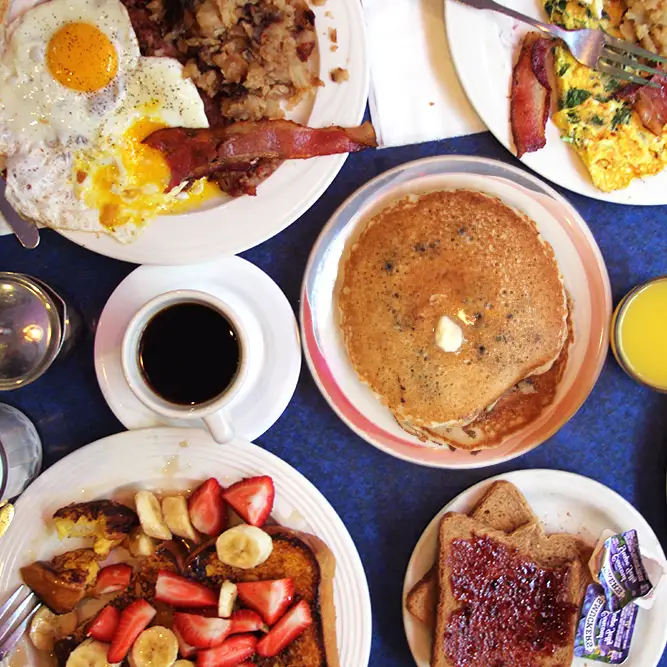
If cooking is not an option, affordable breakfast still exists across the country.
National chains like McDonald’s and Dunkin’ offer breakfast sandwiches and coffee bundles at budget prices.
Classic diners in cities like Chicago often have morning specials that include eggs, toast, and coffee for under $10.
Apps such as DoorDash and Uber Eats sometimes offer discounts or promo codes that make ordering breakfast cheaper than expected.
The key is comparing deals rather than defaulting to convenience.
Cheap Breakfast Price Comparison Table
Below is a quick-scan breakdown of typical US grocery-based pricing. Costs may vary slightly by state, but these are realistic national averages when buying ingredients smartly.
| Breakfast Option | Typical Cost Per Serving | Prep Time | Best For |
|---|---|---|---|
| Oatmeal | $0.50–$1 | 5 mins | Fast & Filling |
| Scrambled Eggs & Toast | $1–$2 | 10 mins | High Protein |
| Peanut Butter Banana Sandwich | ~$1 | 3 mins | No-Cook Option |
| Avocado Toast | $2–$3 | 7 mins | Gourmet Feel |
| Breakfast Burrito | $1.50–$2 | 10 mins | Grab-and-Go |
| Smoothie Bowl | ~$2 | 5–7 mins | Healthy & Colorful |
| Pancakes (Homemade) | ~$1 | 15 mins | Weekend Treat |
The most important takeaway is this: cooking at home almost always beats drive-through pricing. Even a $4 fast-food breakfast sandwich costs more per serving than most homemade options.
How to Make Cheap Breakfast Look Expensive
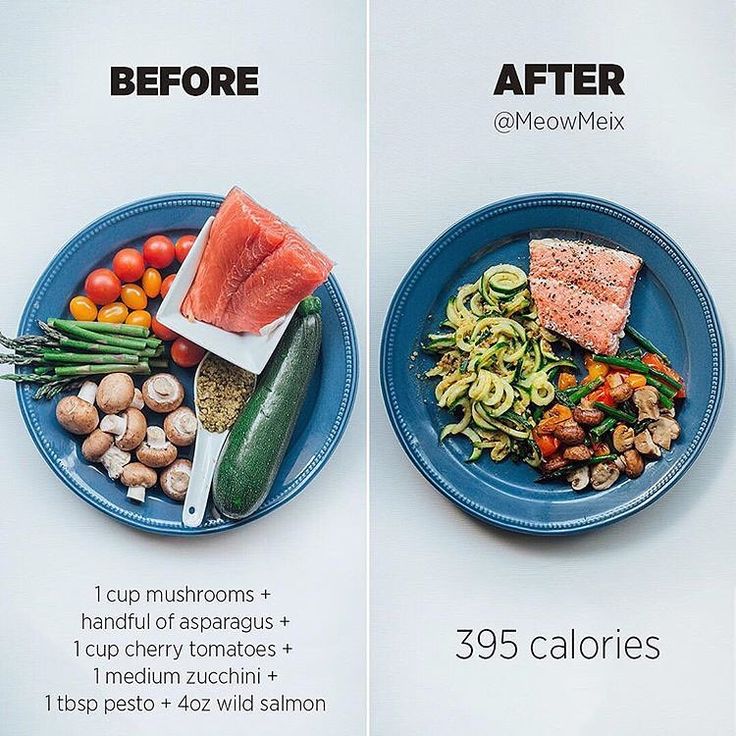
Here is where the magic happens. The same ingredients can look dramatically different depending on how you serve them.
1. Use White Plates
Restaurants often use plain white plates because they make colors pop. Bright strawberries, golden eggs, and green avocado stand out more against white.
2. Garnish Smartly
You do not need expensive ingredients. A sprinkle of:
- Cinnamon
- Chili flakes
- Chopped parsley
- Powdered sugar
- Honey drizzle
can instantly elevate appearance.
3. Layer Instead of Mixing
Instead of stirring fruit into oatmeal, layer it neatly on top. Instead of throwing yogurt and granola together, build it in a clear glass.
Layering signals intention. Intention feels premium.
4. Play with Texture
Add crunch to creamy meals. Granola, nuts, or toasted bread crumbs can change the experience entirely.
5. Use Natural Light
If you enjoy photographing your meals or sharing online, place your plate near a window. Natural light instantly enhances visual appeal.
The reality is simple: most café breakfasts are basic ingredients styled beautifully. You can do the same at home for a fraction of the cost.
Cheap Breakfast Meal Prep Strategy
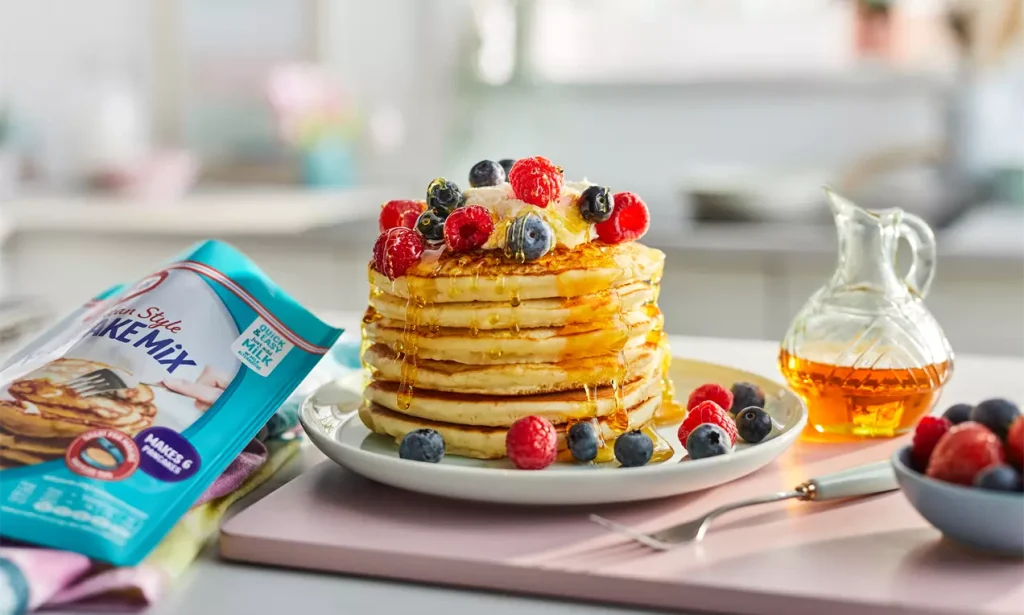
Meal prep is the ultimate cost-control strategy. It reduces waste, prevents impulse spending, and saves time.
Overnight Oats
Combine oats, milk, and yogurt in jars. Add fruit. Refrigerate overnight.
Cost per jar often stays under $1.
Batch Cook Pancakes
Make a large batch on Sunday. Refrigerate or freeze. Reheat during the week.
Prep Breakfast Burritos
Scramble eggs, beans, and cheese. Wrap in tortillas. Store in foil and refrigerate. Reheat quickly before work.
Pre-Cut Fruit
Buying whole fruit is cheaper than pre-sliced packs. Cut and portion it yourself to reduce waste.
Meal prepping prevents those rushed mornings that lead to expensive drive-through stops.
The Cheapest Breakfast Ingredients That Stretch Your Dollar
Some foods consistently deliver the highest value in American grocery stores.
Oats
Extremely affordable and long shelf life.
Eggs
One of the cheapest high-quality protein sources available.
Bread
Versatile and inexpensive when bought in standard loaves.
Frozen Fruit
Cheaper than fresh in many seasons and lasts much longer.
Bananas
Among the most budget-friendly fresh fruits nationwide.
Shopping strategically at stores like Target or Kroger can further reduce costs through store brands and weekly promotions.
Nutrition Tips for a Cheap but Balanced Breakfast
Cheap should not mean nutritionally weak.
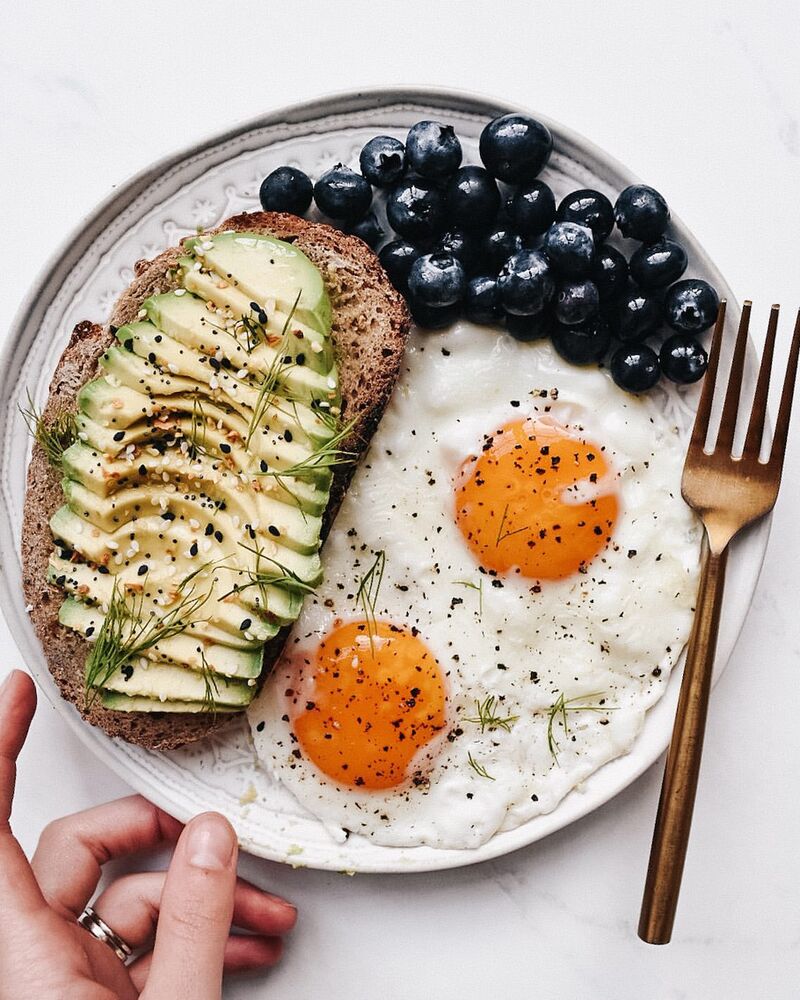
Aim for three elements:
- Protein
Eggs, yogurt, peanut butter. - Fiber
Oats, whole-grain bread, fruit. - Healthy Fats
Avocado, nuts, seeds.
Avoid overly sugary breakfast pastries as daily staples. While inexpensive upfront, they often lead to mid-morning crashes and increased snacking.
Hydration matters too. Even water alongside breakfast improves energy and digestion.
Frequently Asked Questions About Cheap Breakfast
Can cheap breakfast still be healthy?
Yes. Many of the healthiest foods, like oats and eggs, are also the most affordable.
What is the absolute cheapest breakfast option?
Plain oatmeal or toast with peanut butter often costs under $1 per serving.
Is eating out ever cheaper than cooking?
Rarely. Even budget chains like Subway typically cost more per serving than home-prepared meals.
How can I save money if I hate cooking?
Stick to no-cook options like yogurt bowls, peanut butter sandwiches, or overnight oats.
Conclusion: Cheap Breakfast Is a Skill, Not a Sacrifice
Cheap breakfast is not about settling. It is about strategy.
With the right ingredients, smart shopping habits, and simple presentation upgrades, you can eat satisfying, visually appealing meals every morning without draining your wallet.
You now know:
- The cheapest high-value breakfast staples
- How to elevate simple ingredients
- Where to find affordable options across the US
- How to meal prep for even greater savings

The next step is simple. Try one upgrade tomorrow morning. Plate your oatmeal differently. Add a garnish. Prep ahead tonight. Small changes create big impact over time.
