

Gas prices in the United States have a nasty habit of rising when you least expect it. One week your commute feels manageable, the next week you are staring at the pump wondering how a
full tank suddenly costs this much. For many drivers, this frustration sparks the same question over and over again: is there a way to spend less on fuel without signing up for an expensive electric car or a luxury hybrid that blows the budget?
That is exactly where cheap hybrid cars come in.
Cheap hybrid cars are no longer slow, strange-looking vehicles meant only for early adopters. Today, they are practical, comfortable, reliable, and most importantly, affordable for everyday Americans. You do not need to earn a six-figure salary or live in a big city to benefit from hybrid technology anymore.
Whether you are a commuter trying to reduce monthly fuel expenses, a small family looking for a dependable car, or a first-time buyer who wants long-term savings, affordable hybrid cars now offer real value.
What most people get wrong is thinking cheap hybrid cars only mean a low sticker price. In reality, the real savings come from the total cost of ownership. Fuel efficiency, lower maintenance needs, strong resale value, tax incentives, and long warranties all work together to quietly save you thousands of dollars over time. When you add everything up, many hybrid cars end up costing less than traditional gas vehicles in the long run, even if the upfront price looks similar.
This guide is not just a recycled list of car models. It is a deep, practical breakdown designed for real buyers in the US market. You will learn which hybrid cars are genuinely affordable, which ones are worth avoiding, how to buy new or used without regret, and how to choose a hybrid that fits your lifestyle instead of forcing you to compromise. By the end, you will understand exactly why cheap hybrid cars are one of the smartest financial moves you can make right now.
If you are serious about saving money, reducing fuel stress, and driving a car that holds its value, you are in the right place.
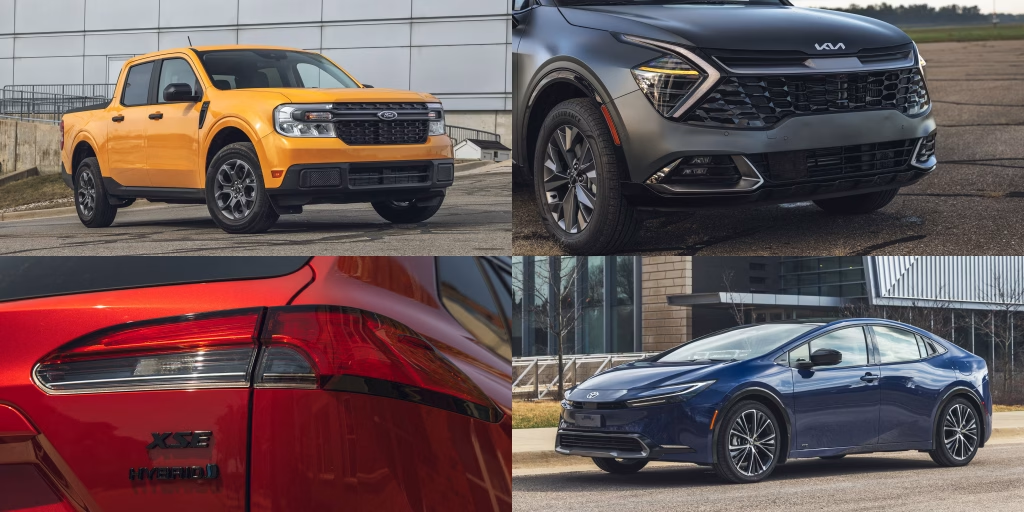
What Qualifies as a Cheap Hybrid Car in the United States
Before comparing models or prices, it is important to understand what the term cheap hybrid car really means in the US market. Many buyers assume it simply refers to the lowest sticker price on the dealership window. In reality, affordability goes far beyond the initial purchase cost. A hybrid can look inexpensive upfront but become costly over time, while another may appear slightly higher in price yet save thousands of dollars during ownership.
A cheap hybrid car is one that balances three critical factors: purchase price, operating costs, and long-term reliability.
Understanding What a Hybrid Car Is
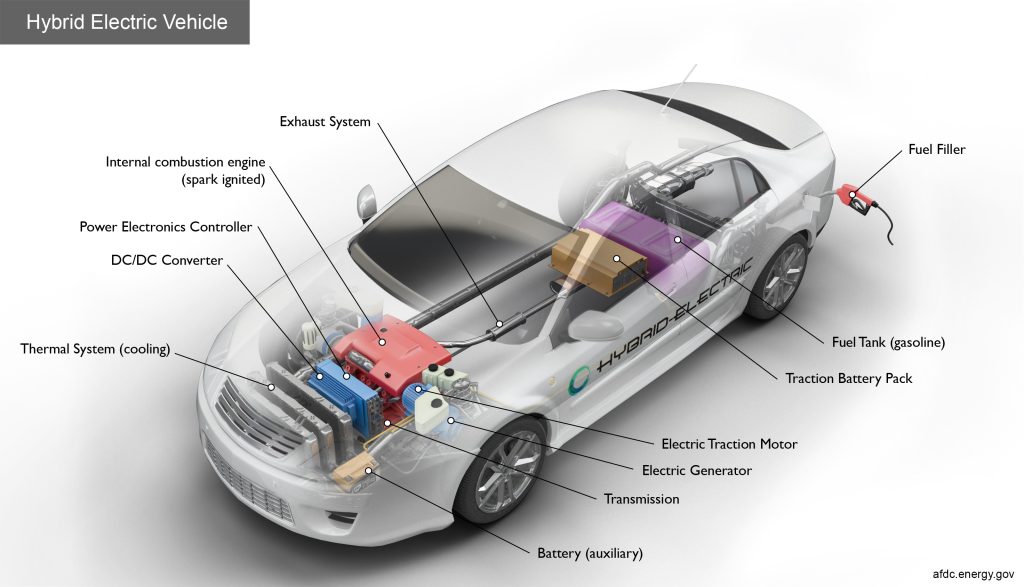
A hybrid car uses both a gasoline engine and an electric motor to move the vehicle. These two systems work together to improve fuel efficiency, especially during city driving where frequent stopping and starting waste fuel in traditional gas cars. The electric motor assists the engine at low speeds, captures energy through regenerative braking, and reduces fuel consumption without requiring external charging in most cases.
This design is what allows hybrid cars to deliver impressive miles per gallon while remaining easy to own and maintain.
Types of Hybrid Cars and Their Cost Impact
Not all hybrid cars are the same, and the type of hybrid technology used has a direct impact on affordability.
Full hybrid vehicles are the most common and most affordable option for budget buyers. These cars can run on gasoline, electric power, or a combination of both. They do not need to be plugged in, and they deliver excellent fuel savings without changing your daily routine. Most cheap hybrid cars in the US fall into this category.
Mild hybrids use a small electric motor to assist the engine but cannot drive on electric power alone. They are usually cheaper than full hybrids but offer smaller fuel savings. These models are often marketed as fuel-efficient gas cars rather than true hybrids.
Plug-in hybrid vehicles combine hybrid technology with larger batteries that can be charged from a power outlet. While they offer short electric-only driving ranges, they are usually more expensive and do not qualify as cheap hybrids for most buyers.
For affordability, full hybrids offer the best balance of price, reliability, and fuel savings.
What Price Range Is Considered Cheap in the US Hybrid Market
In the current US automotive market, cheap hybrid cars generally fall into two categories.
For new vehicles, affordable hybrid cars typically start in the low to mid twenty-thousand-dollar range before incentives. This pricing puts them within reach of many buyers who would otherwise consider a traditional gas sedan or compact SUV.
For used vehicles, cheap hybrid cars can often be found well below twenty thousand dollars, depending on age, mileage, and condition. Many used hybrids still offer years of reliable service thanks to proven battery systems and strong manufacturer warranties.
It is also important to factor in federal and state incentives. Tax credits, rebates, and fuel savings can significantly reduce the real cost of ownership, making a hybrid car cheaper than a comparable gas vehicle over time.
Why Sticker Price Alone Does Not Define Affordability
Many buyers make the mistake of judging a hybrid solely by its upfront price. True affordability depends on how much the car costs to own and operate over several years.
Cheap hybrid cars often deliver:
- Lower fuel expenses due to high miles per gallon
- Reduced brake wear because of regenerative braking
- Fewer mechanical issues compared to complex gas engines
- Strong resale value due to demand for fuel-efficient vehicles
When these factors are combined, hybrid cars frequently cost less per mile than traditional gas vehicles, even if the initial price is similar.
Why This Definition Matters Before Choosing a Model
Understanding what qualifies as a cheap hybrid car helps you avoid marketing traps and unrealistic expectations. It also ensures you focus on vehicles that truly save money instead of simply appearing affordable.
With this foundation in place, you are now ready to explore why hybrid cars have become more affordable than ever in the United States and what market forces are driving prices down.
Why Hybrid Cars Are Becoming More Affordable in the United States
For many years, hybrid cars carried a reputation for being expensive, experimental, and meant only for drivers willing to pay extra for fuel savings. That perception no longer matches reality. Today, cheap hybrid cars are more common across the United States than ever before, and there are clear reasons why prices have steadily dropped while value has increased.
Understanding these reasons helps buyers feel confident that affordable hybrid cars are not a short-term trend but a long-term shift in the automotive market.
Battery Technology Has Become Cheaper and More Reliable
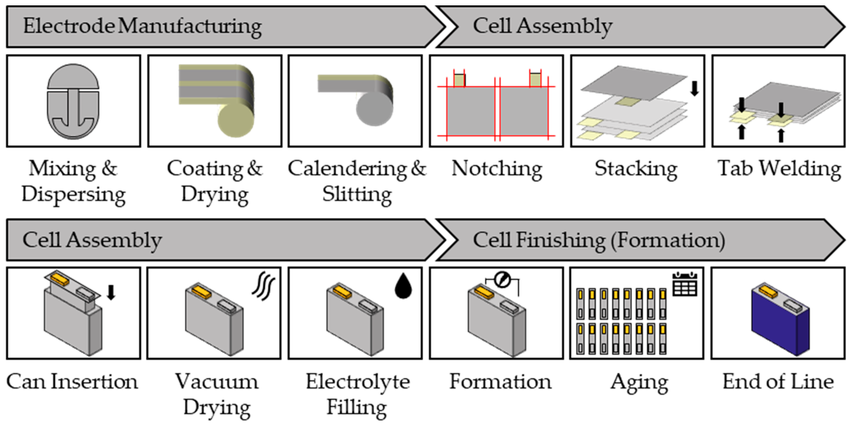
One of the biggest cost drivers of early hybrid vehicles was battery technology. In the past, hybrid batteries were expensive to manufacture, difficult to replace, and surrounded by uncertainty. Over time, manufacturers have made major improvements in battery chemistry, durability, and production efficiency.
Modern hybrid batteries use fewer rare materials, last significantly longer, and are produced at a much larger scale. This has driven costs down across the industry. As a result, manufacturers can now sell hybrid cars at prices much closer to traditional gasoline vehicles without sacrificing profit.
Increased Competition Among Car Manufacturers
Hybrid vehicles were once dominated by only a few brands. Today, nearly every major automaker selling cars in the US offers at least one hybrid model. This increased competition has forced manufacturers to lower prices, improve features, and target budget-conscious buyers.
When multiple brands compete in the same segment, consumers benefit. Entry-level hybrid sedans and compact hybrid SUVs are now priced aggressively to attract buyers who would otherwise choose a gas-powered vehicle.
Competition has also improved standard features. Many cheap hybrid cars now include advanced safety systems, touchscreen infotainment, and driver assistance technology that were once reserved for higher-end models.
Government Regulations and Fuel Economy Standards
Stricter fuel economy regulations in the United States have played a major role in making hybrid cars more affordable. Automakers are required to meet efficiency targets across their entire lineup. Offering affordable hybrid models helps them achieve these goals without relying solely on electric vehicles.
Because of this, manufacturers are incentivized to price hybrid cars competitively rather than treating them as premium products. In some cases, hybrids are now the most efficient option in a model lineup without being the most expensive.
Growing Demand From Everyday Drivers
As fuel prices fluctuate and cost of living concerns grow, more American drivers are actively searching for ways to reduce monthly expenses. Hybrid cars offer a familiar driving experience while delivering noticeable fuel savings, making them attractive to a wide range of buyers.
Higher demand leads to higher production volumes. When manufacturers build more hybrid vehicles, production costs per unit drop. These savings are often passed on to consumers through lower prices, better financing options, and promotional incentives.
Expansion of the Used Hybrid Car Market
Another key reason cheap hybrid cars are easier to find today is the growth of the used hybrid market. Early hybrid adopters are now trading in vehicles that still have many years of life left. These used hybrids often come at significantly lower prices while maintaining excellent fuel efficiency and reliability.
Manufacturers have also built strong reputations for hybrid longevity, especially brands known for reliability. This confidence has made used hybrid cars more desirable and widely accepted by budget-focused buyers.
Improved Reliability Has Reduced Ownership Fear
Early concerns about hybrid maintenance and repair costs discouraged many buyers. Over time, real-world data has shown that modern hybrid systems are extremely reliable. In many cases, hybrids experience fewer mechanical issues than traditional gas vehicles due to reduced engine strain and regenerative braking systems.
As trust in hybrid technology has grown, so has buyer confidence. This increased confidence allows manufacturers and dealerships to market hybrid cars as practical everyday vehicles rather than niche products, helping keep prices competitive.
By understanding why hybrid cars have become more affordable, buyers can shop with confidence, knowing that cheap hybrid cars are not compromised vehicles but well-developed, cost-effective options.
Cheapest New Hybrid Cars You Can Buy in the United States
Finding a cheap hybrid car that makes sense in the real world means balancing price, fuel efficiency, reliability, and daily practicality. What follows is a detailed breakdown of the most affordable new hybrid vehicles available in the US market right now. Each entry includes pricing, mileage, pros, cons, and who it is best suited for.
These are not luxury vehicles with inflated badges. These are hybrids designed for drivers who want real savings at the pump and smart long-term value.
Toyota Corolla Hybrid
The Toyota Corolla Hybrid is one of the most compelling affordable hybrid options on the US market. It blends strong fuel economy with a trusted nameplate and everyday usability.
Key details:
- Starting price range: Mid to high twenty thousand dollars
- Fuel economy: High city and highway miles per gallon
- Body type: Compact sedan
- Best for: Commuters and budget-conscious buyers

- Why this model matters:
Toyota has a reputation for outstanding hybrid reliability. The Corolla Hybrid delivers excellent fuel efficiency without sacrificing comfort or modern tech features. It also offers a smooth ride, intuitive infotainment, and a comfortable cabin.
This mix of efficiency and practicality is what makes it one of the top cheap hybrid cars in the United States.
Toyota Prius (Base Model)
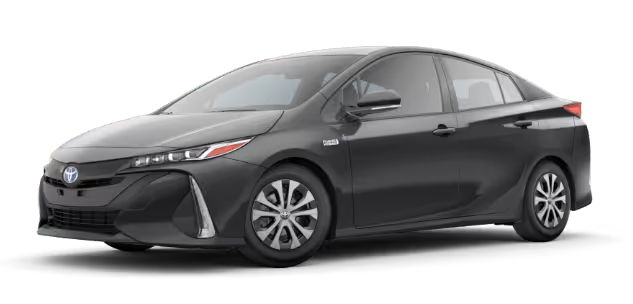
When most people think of hybrid cars, the Toyota Prius is the model that comes to mind. While earlier generations carried quirky designs, the more recent Prius models blend practicality with proven hybrid performance.
Key details:
- Starting price range: Mid to high twenty thousand dollars
- Fuel economy: Excellent city mileage
- Body type: Hatchback
- Best for: Buyers focused on maximum fuel savings
Why consider the Prius:
The Prius has a long track record of hybrid efficiency and reliability. It boasts spacious seating, good cargo space, and strong resale value. If your priority is fuel economy over sporty handling, the Prius remains hard to beat at this price level.
Hyundai Elantra Hybrid
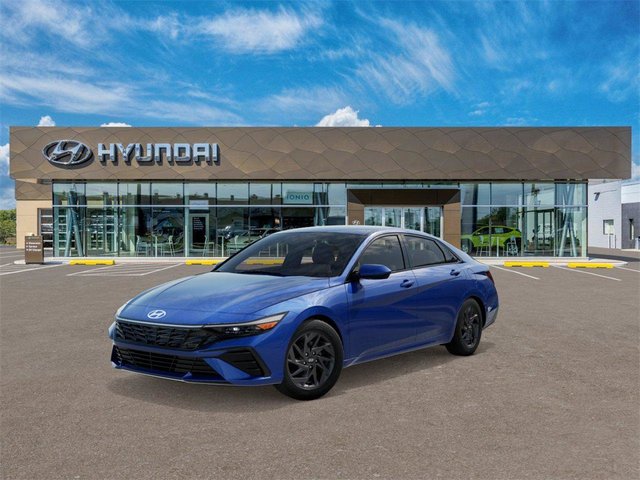
The Hyundai Elantra Hybrid stands out as a hybrid option that offers excellent value for the price. It combines the affordability of the Elantra platform with a hybrid powertrain that delivers strong fuel efficiency without sacrificing comfort or features.
Key details:
- Starting price range: Lower twenty thousand dollars
- Fuel economy: Competitive hybrid miles per gallon
- Body type: Compact sedan
- Best for: Value seekers with a preference for comfort and tech
- Why this model is worth considering:
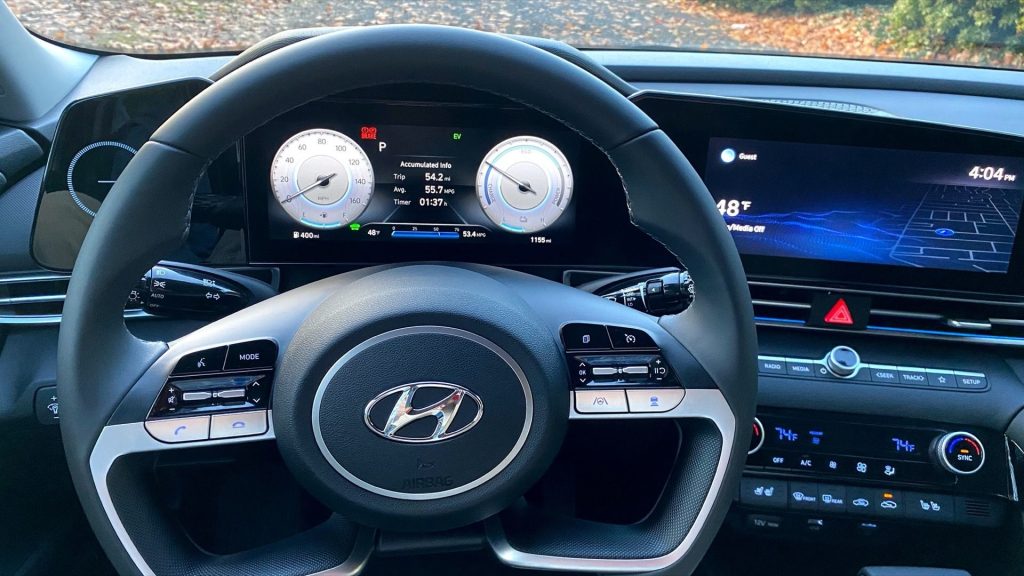
The Elantra Hybrid often includes more standard features than competitors at similar price points. You can expect driver assist systems, a user-friendly infotainment system, and a refined interior. Hyundai also typically offers a generous warranty, which adds peace of mind for long-term ownership.
Kia Niro Hybrid
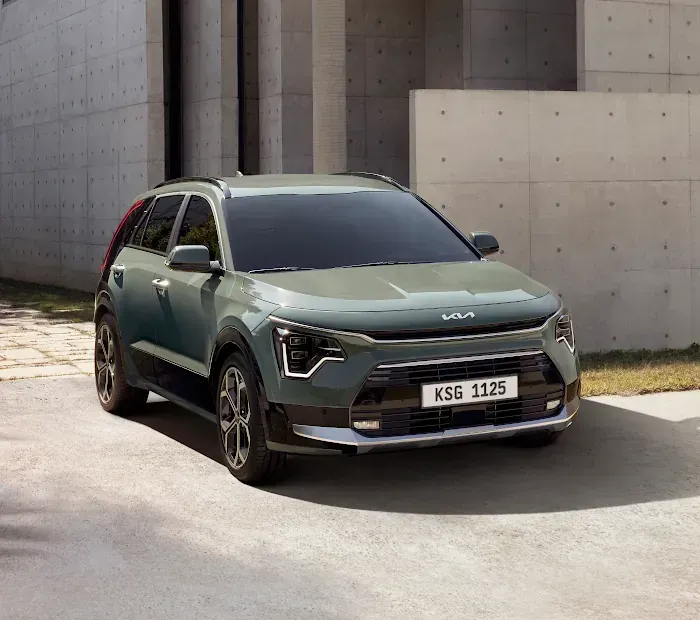
For drivers who want a bit more space without jumping to a pricier SUV, the Kia Niro Hybrid is an excellent choice. It slots between compact sedans and larger crossover hybrids, offering flexibility and efficiency.
Key details:
- Starting price range: Mid twenty thousand dollars
- Fuel economy: Very good combined miles per gallon
- Body type: Compact crossover
- Best for: Small families or those needing extra cargo space
Why it stands out:
The Niro Hybrid delivers a comfortable ride, solid interior space, and usability that rivals many gas-powered compact SUVs. Its efficient hybrid powertrain helps reduce fuel costs while providing more flexibility compared to traditional sedans.
Summary and What This Means for You
These four hybrid models represent some of the most affordable hybrid vehicles available in the United States right now. They balance low ownership costs, strong fuel economy, and real-world utility without unnecessary premium pricing.
When choosing between them, consider the following:
How much you drive per year
Whether you prioritize maximum fuel efficiency or interior comfort
If you need cargo space or prefer a sedan style
Your budget for maintenance, taxes, and registration
Cheap Hybrid SUVs and Crossovers in the United States
Many buyers in the US want the benefits of a hybrid car but do not want to give up space, ride height, or versatility. This is where hybrid SUVs and crossovers come in. In the past, hybrid SUVs were expensive and limited to higher trims. Today, there are several options that fit comfortably into the category of cheap hybrid cars, especially when you consider long-term fuel savings.
Hybrid SUVs and crossovers are ideal for families, road trippers, and drivers who want flexibility without paying premium fuel costs.
Why Hybrid SUVs Are Becoming More Affordable
Hybrid SUVs used to cost significantly more than their gasoline counterparts. That gap has narrowed for several reasons:
- Hybrid technology is now shared across multiple models, lowering production costs
- Manufacturers use the same platforms for gas and hybrid versions
- Strong consumer demand has increased production volume
- Used hybrid SUVs are entering the market in larger numbers
As a result, affordable hybrid SUVs are no longer rare in the US market.
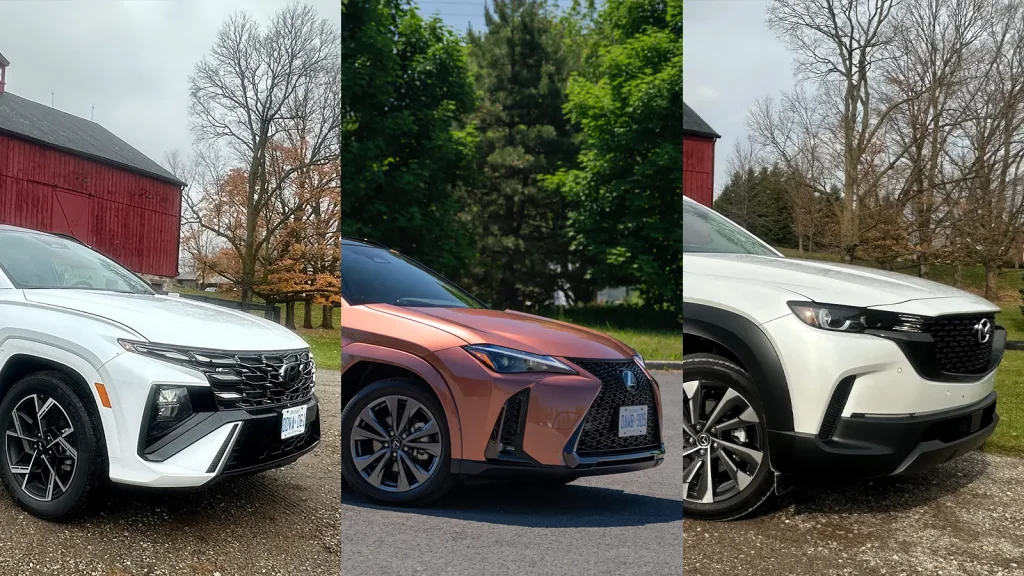
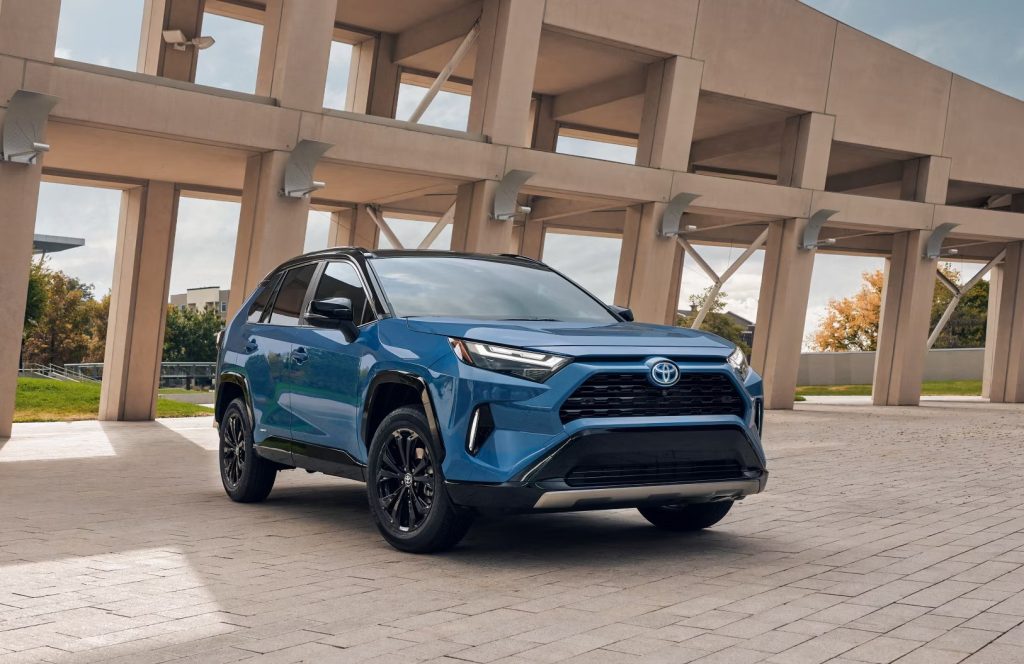
Toyota RAV4 Hybrid (Older Trims and Used Models)
The Toyota RAV4 Hybrid is one of the most popular hybrid SUVs in the United States. While new models can be expensive, older trims and used versions fall into the affordable hybrid category.
Key details:
- Typical price range: Competitive in the used market
- Fuel economy: Strong for a compact SUV
- Body type: Compact SUV
- Best for: Families and drivers who want space with efficiency
Why it is a smart choice:
The RAV4 Hybrid offers generous cargo space, comfortable seating, and Toyota’s proven hybrid reliability. It performs well in both city and highway driving and retains strong resale value.
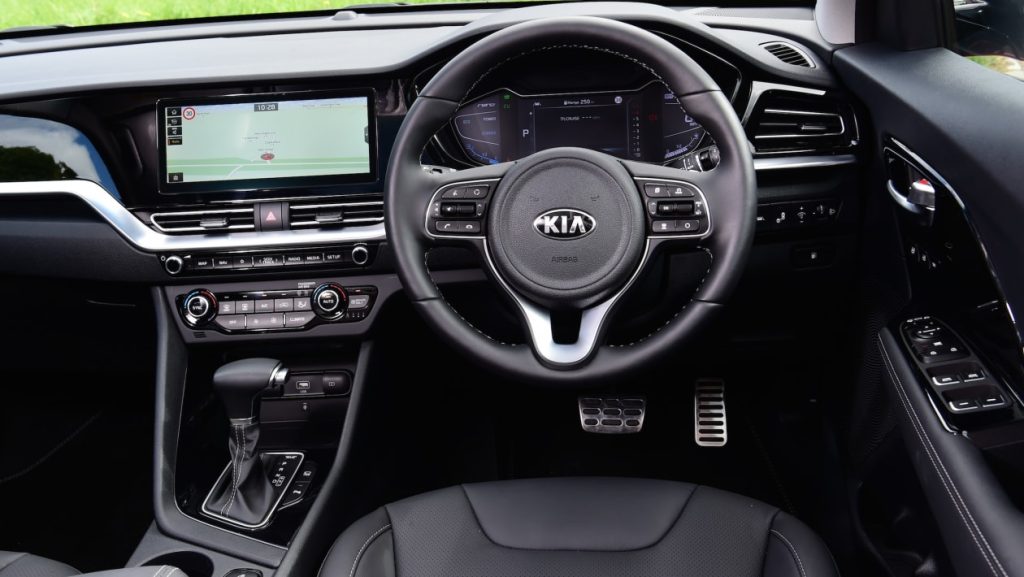
Kia Niro Hybrid
The Kia Niro Hybrid deserves special attention because it sits perfectly between a sedan and a traditional SUV. It offers the ride height and cargo flexibility many buyers want while maintaining excellent fuel efficiency.
Key details:
- Typical price range: Affordable for a hybrid crossover
- Fuel economy: Very strong combined MPG
- Body type: Subcompact crossover
- Best for: Urban drivers and small families
Why it works well as a budget hybrid SUV:
The Niro Hybrid is easy to drive, simple to park, and efficient in stop-and-go traffic. It also comes with modern safety features and a comfortable interior, making it an excellent option for buyers who want value without bulk.
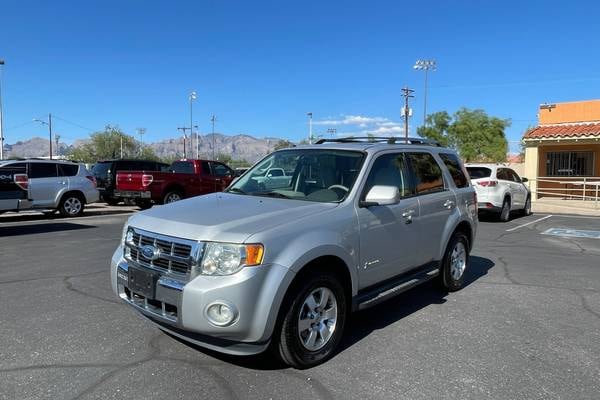
Ford Escape Hybrid
The Ford Escape Hybrid is another strong contender in the affordable hybrid SUV category. It combines American design with impressive fuel efficiency and a comfortable driving experience.
Key details:
- Typical price range: Competitive, especially used
- Fuel economy: Excellent for a compact SUV
- Body type: Compact SUV
- Best for: Commuters and families who want efficiency and familiarity
Why buyers choose the Escape Hybrid:
The Escape Hybrid offers a smooth ride, good interior space, and strong efficiency numbers. It is also widely available in the used market, which helps keep prices accessible.
Are Hybrid SUVs Worth It Compared to Hybrid Sedans
Hybrid SUVs generally cost slightly more than hybrid sedans, but they offer advantages that justify the difference for many buyers:
- More cargo space and rear-seat comfort
- Better ride height and visibility
- Greater flexibility for families and outdoor activities
For buyers who need space and versatility, cheap hybrid SUVs provide a strong balance between cost and practicality.
Summary: Affordable Hybrid SUVs and Crossovers
If you want a hybrid vehicle with space and flexibility, these models stand out in the US market:
- Toyota RAV4 Hybrid for families and long-term reliability
- Kia Niro Hybrid for efficiency and compact crossover utility
- Ford Escape Hybrid for comfort and American brand preference
These vehicles prove that you do not have to sacrifice space to enjoy the benefits of cheap hybrid cars.
The Real Cost of Owning a Cheap Hybrid Car in the United States
When people search for cheap hybrid cars, most of them are not just worried about the price on the window sticker. What they really want to know is how much the car will cost them month after month and year after year. This is where hybrid cars often outperform traditional gasoline vehicles in ways that are not immediately obvious.
Understanding the real cost of ownership helps you avoid surprises and shows why many affordable hybrid cars end up being cheaper than gas cars over time.
Fuel Savings Over Time
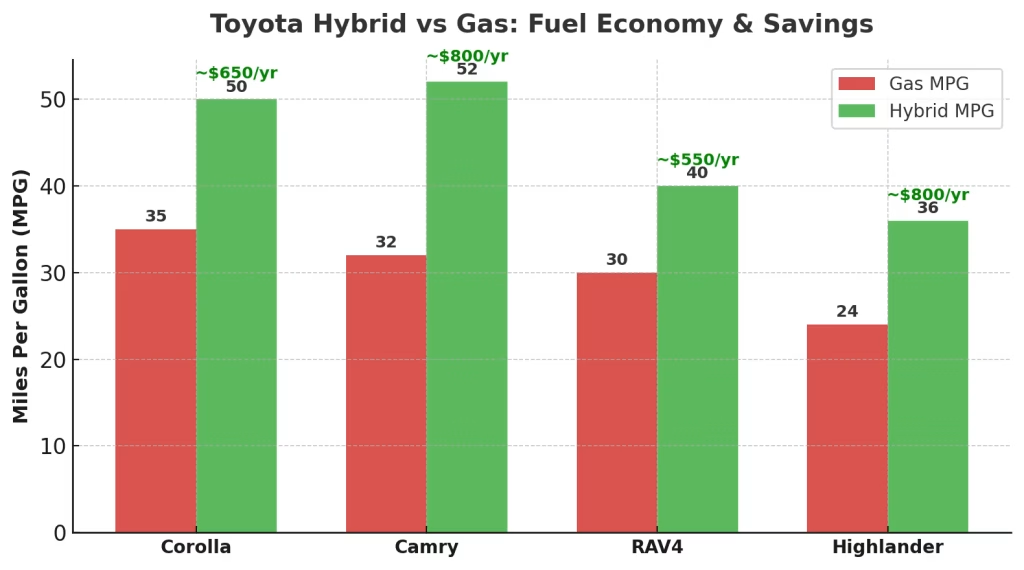
Fuel efficiency is the most obvious advantage of owning a hybrid car. Cheap hybrid cars are designed to reduce fuel consumption, especially in city driving where stop-and-go traffic wastes fuel in conventional vehicles.
On average, hybrid cars consume significantly less fuel per mile than comparable gas-powered cars. Over the course of a year, this can translate into hundreds or even thousands of dollars saved at the pump, depending on how much you drive and local fuel prices.
For commuters and city drivers, these savings accumulate quickly and often offset any small price difference between a hybrid and a gas vehicle.
Maintenance and Repair Costs
Many buyers worry that hybrid cars are expensive to maintain. In reality, most cheap hybrid cars cost the same or less to maintain than traditional gas vehicles.
Here is why:
- Hybrid engines experience less wear because the electric motor assists during acceleration
- Regenerative braking reduces brake pad and rotor wear
- Hybrid systems are designed with fewer mechanical stress points
Routine maintenance such as oil changes, tire rotations, and fluid checks are similar to gas cars. In many cases, hybrid owners report fewer unexpected repairs over long ownership periods.
Hybrid Battery Lifespan and Replacement Reality
One of the biggest concerns for first-time hybrid buyers is battery replacement. Modern hybrid batteries are designed to last a very long time, often well over 150,000 miles. Many manufacturers back their hybrid batteries with long warranties, especially in the United States.
Battery replacement is rarely needed during the typical ownership period. When it is required, replacement costs have dropped significantly over the years due to improved technology and wider availability of parts.
Insurance Costs for Hybrid Cars
Insurance costs for cheap hybrid cars are generally comparable to similar gas-powered vehicles. In some cases, insurance may even be lower due to strong safety ratings and advanced driver assistance features that come standard on many hybrid models.
Factors that influence insurance cost include:
- Vehicle safety ratings
- Repair costs and parts availability
- Driver history and location
Hybrid cars are now common enough that insurers treat them like mainstream vehicles rather than specialty models.
Depreciation and Resale Value
Hybrid cars often retain their value better than traditional gas vehicles, especially in markets where fuel prices fluctuate. Buyers are willing to pay more for used hybrids because of their fuel efficiency and reliability.
This strong resale value helps offset depreciation and lowers the true cost of ownership when it is time to sell or trade in the vehicle.
Total Cost of Ownership Comparison
When fuel savings, maintenance, insurance, and resale value are combined, cheap hybrid cars often cost less per mile than traditional gas vehicles. This makes them especially attractive for drivers who plan to keep their car for several years.
For many US buyers, the real savings from owning a hybrid are not just visible at the pump but spread quietly across every aspect of ownership.
Key Takeaway on Ownership Costs
Cheap hybrid cars are not just affordable to buy. They are affordable to own. Their ability to reduce fuel costs, minimize maintenance expenses, and hold value over time makes them one of the most cost-effective vehicle choices available today.
Frequently Asked Questions About Cheap Hybrid Cars in the United States
Do cheap hybrid cars really save money compared to gas cars
Yes, in most real-world scenarios they do. Cheap hybrid cars are designed to use less fuel, especially in city and suburban driving. Over time, the savings from reduced fuel consumption, lower brake wear, and strong resale value often outweigh any small difference in purchase price compared to a gas vehicle.
Are hybrid cars expensive to maintain
No. Maintenance costs for hybrid cars are generally similar to or lower than traditional gasoline vehicles. Hybrid systems reduce engine strain, and regenerative braking helps extend brake life. Routine services such as oil changes and tire rotations are comparable to gas cars.
How long do hybrid batteries last
Modern hybrid batteries are built to last a long time, often well beyond 150,000 miles. Many manufacturers provide extended warranties on hybrid batteries in the United States, which adds peace of mind for buyers of both new and used hybrid cars.
Is it safe to buy a used hybrid car
Yes, as long as the vehicle has been properly maintained. Used hybrid cars from reputable brands with documented service history are generally reliable. It is important to check battery condition, warranty coverage, and have the car inspected before purchase.
Are cheap hybrid cars slower or less powerful
Not necessarily. While hybrids prioritize efficiency, many modern hybrid cars offer smooth acceleration and sufficient power for daily driving. The electric motor often provides instant torque, which helps with responsiveness in city traffic.
Do hybrid cars cost more to insure
In most cases, insurance costs for hybrid cars are similar to comparable gas-powered vehicles. Many hybrids also come equipped with advanced safety features, which can help keep insurance premiums reasonable.
Are hybrid cars worth it if gas prices drop
Even when fuel prices are lower, hybrid cars still offer advantages such as reduced fuel consumption, strong resale value, and lower overall ownership costs. Over long-term ownership, hybrids remain financially sensible for many drivers.
Conclusion: Are Cheap Hybrid Cars Worth Buying in the US

Cheap hybrid cars have evolved into practical, reliable, and financially smart vehicles for everyday American drivers. They are no longer niche products or luxury upgrades. Instead, they offer a realistic way to cut fuel costs, reduce long-term expenses, and enjoy dependable transportation without changing how you drive or live.
Whether you choose a compact hybrid sedan, a used hybrid for maximum savings, or an affordable hybrid SUV for family needs, the US market now offers more options than ever. When you look beyond the sticker price and focus on total cost of ownership, cheap hybrid cars consistently prove their value.
For drivers who want to spend less on fuel, maintain flexibility, and make a smart long-term decision, affordable hybrid cars remain one of the best choices available today.
