

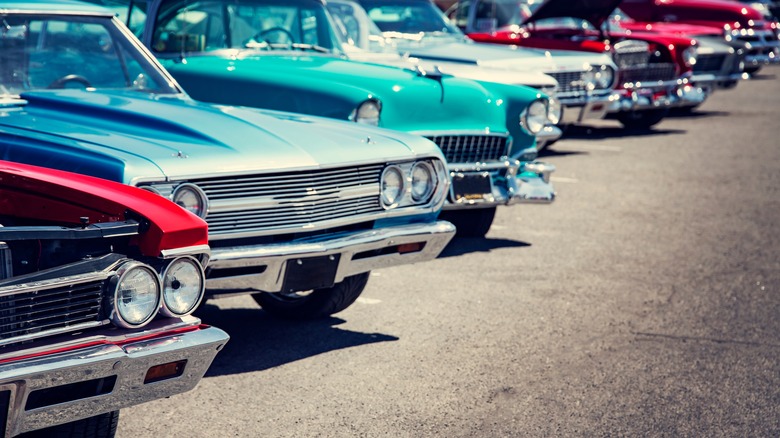
Imagine this: the roar of a V8 engine, the thrill of a perfectly balanced rear-wheel drive, and the envious stares as you cruise past in a classic or modern muscle car. Now imagine all of that without emptying your savings account. Sounds impossible? Not anymore.
Muscle cars have long been a symbol of raw American performance: bold, aggressive, and unapologetically fun. But the stigma that only the wealthy can own them has kept countless enthusiasts on the sidelines. Whether you dream of a Ford Mustang, Chevrolet Camaro, or Dodge Challenger, some options deliver heart-pounding performance at a fraction of the cost.
In this guide, we’re cutting through the hype and giving you a human-centric roadmap to find the best cheap muscle cars in the US. You won’t just get a list of models, you’ll learn:
-
Which modern, used, and classic muscle cars are truly affordable
How to spot the best deals and avoid overpriced lemons
Financing tips that make your dream car attainable
Maintenance strategies to keep your muscle car roaring without draining your wallet
-
Insider buying tips from real US enthusiasts
By the end of this guide, you’ll know exactly where to look, what to pay, and how to drive home in a muscle car that thrills, without blowing your budget. This isn’t a theoretical list; it’s a roadmap for real people who want performance, style, and savings.
What Defines a Muscle Car?
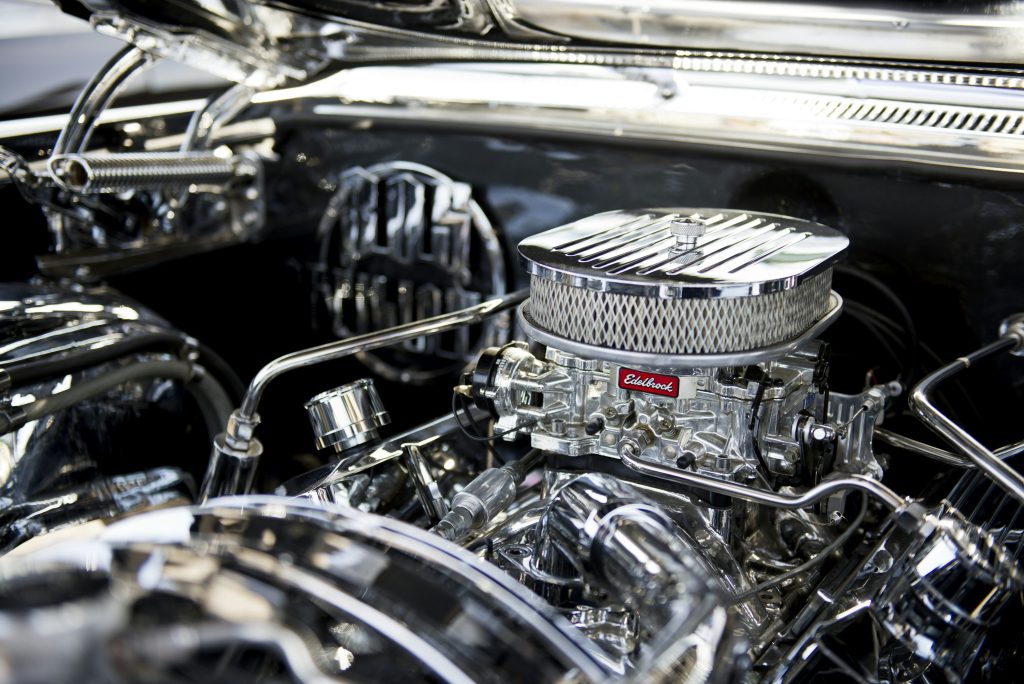
Muscle cars aren’t just any car; they are a symbol of power, speed, and American automotive culture. Understanding what defines a muscle car is crucial before hunting for cheap options that still deliver that iconic thrill.
Key Characteristics of a Muscle Car.
-
High-Performance Engine
Traditionally, V8 engines, but modern budget muscle cars sometimes feature turbocharged V6s.
Focused on raw horsepower and torque for thrilling acceleration.
Rear-Wheel Drive (RWD)
RWD provides the classic muscle car feel, allowing the car to handle power efficiently.
Modern variations may include AWD, but RWD is still the hallmark of a true muscle car.
Aggressive Styling
-
-
Long hoods, wide stances, and bold grilles make muscle cars instantly recognizable.
-
Whether classic or modern, aesthetic appeal is as important as performance.
-
-
Affordable Performance
-
Unlike supercars, muscle cars are designed to deliver maximum thrill for a reasonable price, making them ideal for enthusiasts.
-
This guide focuses on cheap muscle cars that preserve the essence without draining your wallet.
-
-
Cultural Significance
-
Muscle cars represent freedom, speed, and style, appealing to generations of car lovers.
-
Owning even an affordable muscle car allows you to tap into that iconic American experience.
-
- Many budget buyers focus only on price or looks and forget the performance and heritage that make muscle cars worth owning. By knowing the essential characteristics, you can spot bargains that still deliver excitement and authenticity, avoiding models that look the part but fail on performance.
How to Choose a Cheap Muscle Car.

- Finding a cheap muscle car that balances performance, reliability, and price requires a strategic approach. Here’s how to make the best choice:
-
Set Your Budget.
Determine maximum purchase price including taxes, insurance, and registration.
Consider additional costs: fuel, tires, brakes, and maintenance.
Decide whether you’re looking for modern, used, or classic muscle cars, as this will influence the price range.
Decide Between New vs. Used.
New Cheap Muscle Cars:
Pros: Warranty coverage, latest technology, and lower maintenance initially.
Cons: Higher upfront cost, rapid depreciation.
Used Muscle Cars:
Pros: Lower price, classic charm, potential performance upgrades already installed.
Cons: Higher maintenance, risk of hidden issues, warranty may be limited or expired.
Tip: For true bargains, used muscle cars from 2013–2018 often provide excellent performance at reasonable prices.
Check Performance Metrics.
Look at horsepower, torque, and 0–60 times to ensure it meets your expectations.
Compare engine size and fuel efficiency—turbocharged V6s may provide similar thrills to V8s with lower costs.
Consider Reliability.
Research common issues for specific models and years.
Check owner forums and reviews for recurring problems.
Avoid vehicles with extensive aftermarket modifications unless you’re confident in your mechanical expertise.
Factor in Insurance and Running Costs.
Muscle cars can carry higher insurance premiums, even on budget models.
Estimate fuel costs; V8s consume more, V6 turbo options may save money.
Factor in tires, brakes, and potential repair costs to avoid surprises post-purchase.
Inspect Before Buying.
Always inspect the car in person or hire a qualified mechanic.
Check the engine, transmission, suspension, and brakes.
Look for body damage, rust, or paint repairs that may indicate past accidents.
- Key Takeaway:
Choosing a cheap muscle car is about balancing thrill, reliability, and cost. With proper research and careful inspection, you can find a car that delivers the classic muscle experience without breaking the bank.
Best Cheap Muscle Cars in the US — 2026 Picks.
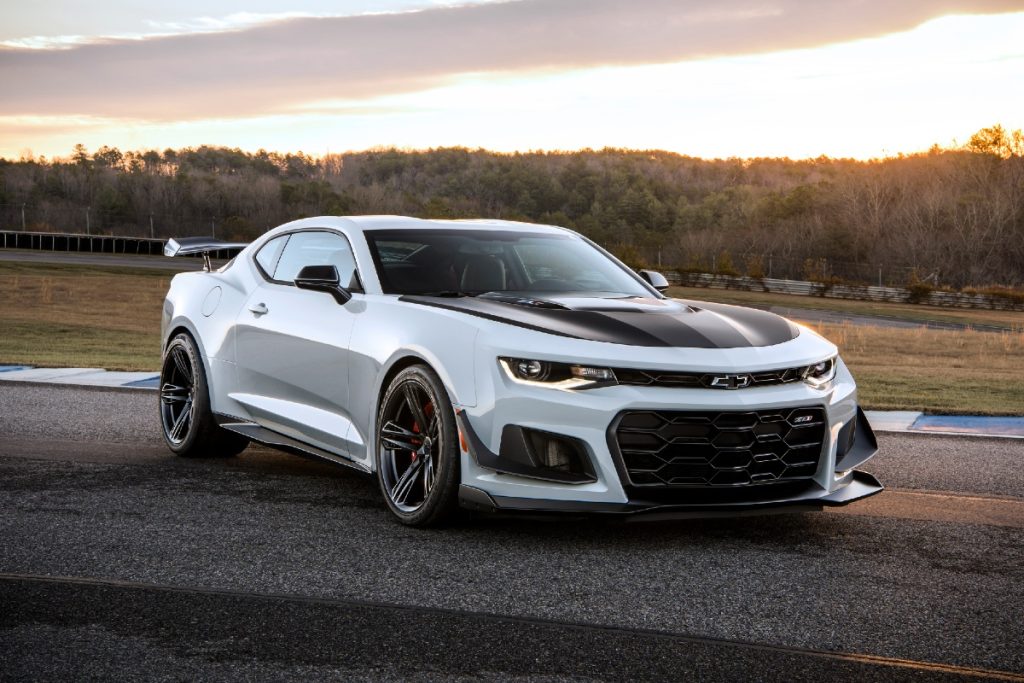
- Whether you’re seeking a brand-new thrill or a classic legend, here are the best cheap muscle cars in the US for 2026, organized by category.
Best Affordable Modern Muscle Cars.
Modern muscle cars offer the perfect balance of performance, reliability, and modern technology without requiring the deep pockets needed for high-end performance cars. Here’s a closer look at the top affordable options for 2026:
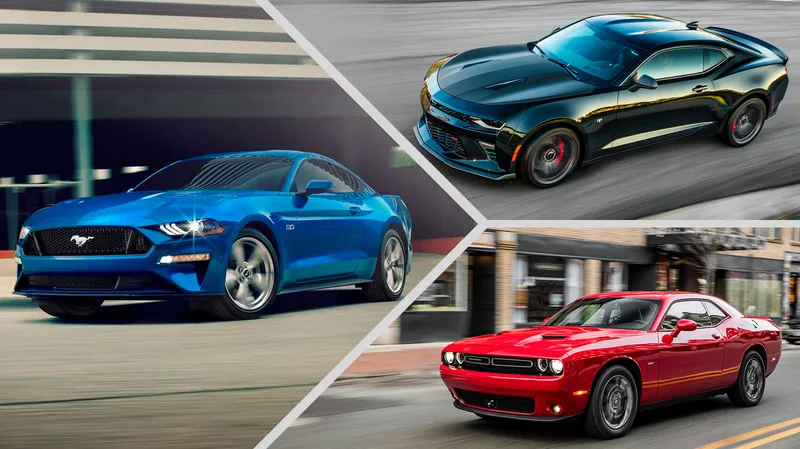
Ford Mustang EcoBoost (~$28,000).
Engine & Performance: Features a turbocharged 2.3L 4-cylinder engine producing around 310 horsepower. This setup provides a surprisingly quick acceleration while maintaining decent fuel efficiency compared to a V8.
Driving Experience: The EcoBoost Mustang delivers a nimble, responsive feel, perfect for both city driving and open roads. You still get the iconic Mustang handling without the high cost of a GT trim.
Interior & Technology: Modern features include touchscreen infotainment, smartphone integration (Apple CarPlay and Android Auto), and advanced safety options. It combines modern convenience with classic muscle styling.
Why It’s Affordable: The EcoBoost trims are priced lower than V8 GTs while still offering the signature Mustang experience. Maintenance and insurance are also more manageable thanks to the smaller engine.
Chevrolet Camaro LT (~$27,000).
Engine & Performance: Equipped with a 3.6L V6 engine producing 275 horsepower, the Camaro LT offers solid performance for daily driving and spirited weekend runs.
Handling & Ride Quality: Camaro’s sport-tuned suspension ensures sharp cornering and confident handling. Even with a V6, it gives the classic muscle car feel without the fuel cost of a V8.
Interior Features: Includes driver-focused cockpit design, infotainment with touchscreen and smartphone integration, and optional premium audio.
Why It’s Affordable: V6 trims are significantly cheaper than V8 SS models while maintaining the Camaro’s aggressive styling and fun-to-drive personality.
Dodge Challenger SXT (~$30,000).
Engine & Performance: Powered by a 3.6L V6 engine with 305 horsepower, the Challenger SXT combines muscle car performance with comfortable, spacious seating.
Driving Experience: The Challenger is known for its smooth ride and stability, making it ideal for longer trips or city cruising. While it may not corner as sharply as Mustang or Camaro, its straight-line power is exhilarating.
Interior & Features: A larger interior provides room for passengers and luggage, making it one of the more practical muscle cars for everyday use. Modern tech includes infotainment systems and safety features.
Why It’s Affordable: V6 SXT models are priced lower than R/T or Hellcat trims, offering muscle car appeal without the high cost of high-powered V8s.
Why These Cars Are Great for Budget Buyers:
Lower Purchase Price: These trims are significantly cheaper than high-performance V8 variants.
Manageable Running Costs: Smaller engines or V6 options lead to better fuel economy, lower insurance premiums, and easier maintenance.
Modern Reliability: Being recent models, they come with warranties, fewer mechanical surprises, and modern tech.
Classic Muscle Feel: Even with smaller engines, they preserve the aggressive styling and driver-focused experience that defines muscle cars.
Best Used Muscle Cars for Budget Buyers.
Used muscle cars are a goldmine for enthusiasts on a budget. They allow buyers to access higher-performance trims or models with V8 engines at prices far below new cars. Here’s a deep look at the top picks for used muscle cars in the US:
Ford Mustang (2015–2018, ~$18k–$22k).
Engine & Performance: Available with both V6 (~300 HP) and V8 (~435 HP in GT trims), offering a range of options depending on your budget and performance preference.
Driving Experience: Modern suspension and chassis improvements from these years make the Mustang stable, responsive, and fun to drive, whether on a straight stretch or curvy back roads.
Interior & Features: Updated infotainment, comfort features, and safety systems make these Mustangs practical for daily driving.
Affordability: These used models are priced well under the cost of a new Mustang, especially V6 trims, but still deliver strong performance and iconic styling.
Chevrolet Camaro (2014–2017, ~$17k–$21k).
Engine & Performance: V6 options produce around 275–305 HP, while V8 trims offer more horsepower but can still be found at affordable prices on the used market.
Handling & Ride Quality: The Camaro’s low-slung, rigid chassis provides excellent cornering and road feedback, giving a more “sports car” feel than many V6 competitors.
Interior & Tech: These years feature modern infotainment, backup cameras, and quality interior materials, enhancing comfort without the cost of a brand-new car.
Affordability: Well-maintained low-mileage Camaros from this period often undercut new V6 models and deliver strong value for enthusiasts wanting muscle car performance on a budget.
Dodge Challenger (2013–2016, ~$16k–$20k).
Engine & Performance: V6 models produce 305 HP and provide plenty of straight-line power, while older R/T V8 trims may be found at slightly higher prices.
Driving Experience: Known for its comfortable ride and classic muscle car styling, the Challenger is ideal for drivers who value comfort as much as performance.
Interior & Features: Spacious cabin and trunk, combined with modern conveniences like touchscreen infotainment, make it usable as a daily driver.
Affordability: These years represent some of the most cost-effective entry points into Dodge muscle car ownership, offering classic looks and reliable V6 power at a fraction of a new car price.
Why Used Muscle Cars Are Worth Considering.
- Better Value for Money: Used cars allow you to access more powerful trims or premium features than you could afford new.
- Reduced Depreciation: New cars lose a large portion of their value in the first 3–4 years, while used models have already absorbed that depreciation.
- Variety of Options: The used market offers modern V6, V8, and sometimes even slightly older classic trims, giving buyers flexibility to match performance to budget.
- Opportunity for Upgrades: Owners can add performance or cosmetic upgrades at a lower total cost than modifying a new car.
- Best Classic Muscle Cars on a Budget.
- Classic muscle cars offer timeless style, raw power, and collector appeal, making them highly desirable even for budget-conscious buyers. While older models may require more maintenance, they can be affordable entry points into muscle car ownership if chosen wisely.
-
-
1970s Ford Mustang Fastback (~$25k–$35k Restored)
-
Engine & Performance: Often equipped with V8 engines ranging from 300–375 HP, delivering the raw muscle car experience of the era.
Driving Experience: Lightweight chassis and rear-wheel drive provide classic muscle handling, though braking and suspension are less refined than modern cars.
Interior & Features: Minimalist interiors typical of the era; some restored models include updated amenities for comfort.
Affordability: Well-restored Fastbacks are achievable under $35k, giving buyers a genuine classic feel without paying collector premiums seen on rarer models.
1969 Chevrolet Camaro (~$28k–$40k).
Engine & Performance: Available with V8 engines producing up to 375–425 HP, making it one of the most powerful entry-level classic muscle cars.
Driving Experience: Offers straight-line speed and aggressive styling, though handling may require some upgrades for modern driving standards.
Interior & Features: Classic 60s styling with simple gauges and controls; aftermarket restoration options available for comfort.
Affordability: Prices have risen for low-mileage or fully restored Camaros, but many budget-friendly examples exist that deliver iconic looks and performance.
Dodge Challenger R/T Classic (~$30k–$40k).
Engine & Performance: V8 engines ranging from 340–375 HP, providing powerful acceleration and classic muscle car sound.
Driving Experience: Heavy and wide body, offering a comfortable straight-line ride with an unmistakable road presence.
Interior & Features: Spacious interior for passengers, basic 1970s amenities; some restorations include modern conveniences.
Affordability: Early R/T models offer collector appeal and muscle car performance at an attainable price point, making them a smart entry for enthusiasts.
Why Classic Muscle Cars Are a Great Option
Timeless Styling: No modern car can replicate the presence of a true classic muscle car.
Collector Potential: Certain models may increase in value over time, turning a purchase into a potential investment.
Pure Muscle Experience: Classic cars offer raw power, V8 sound, and nostalgia that modern equivalents sometimes lack.
Budget-Friendly Entry Points: Not every classic is a multi-hundred-thousand-dollar collector’s piece; many are within reach for passionate buyers willing to maintain and restore.
Price Comparison Table: Modern, Used, and Classic Muscle Cars
-
Model Year Range Price Range (USD) Performance (HP) Best Use Notes Ford Mustang EcoBoost 2026 ~$28k 310 Modern daily driver Affordable, turbocharged V6 option Chevrolet Camaro LT 2026 ~$27k 275 Modern sport handling Budget-friendly, responsive Dodge Challenger SXT 2026 ~$30k 305 Comfortable cruiser Spacious interior, V6 engine Ford Mustang 2015–2018 $18k–$22k 300 Used daily driver Strong V6/V8 options, classic design Chevrolet Camaro 2014–2017 $17k–$21k 275 Used sport handling Affordable V6, low-mileage bargains Dodge Challenger 2013–2016 $16k–$20k 305 Used muscle car Iconic design, budget-friendly Ford Mustang Fastback 1970s $25k–$35k 250–300 Classic restoration Collector appeal, vintage style Chevrolet Camaro 1969 $28k–$40k 275–325 Classic collector Iconic styling, raw power Dodge Challenger R/T Classic 1970s $30k–$40k 300 Vintage muscle Classic aesthetics, reliable older engines -
Key Takeaways from the Table:
-
Modern muscle cars are affordable and reliable, with reasonable performance.
-
Used muscle cars provide the best value for horsepower per dollar.
-
Classic models are more expensive but offer collector appeal and timeless styling.
-
Readers can quickly compare prices, performance, and usability to decide what fits their budget and driving goals.
-
How to Finance a Cheap Muscle Car

Buying a cheap muscle car doesn’t just involve finding the right model; it also requires smart financing strategies to avoid paying more than necessary. Here’s a guide for securing the best deal:
Loan Options
Bank or Credit Union Loans: Often offer lower interest rates for those with good credit.
Dealership Financing: Convenient, may include promotional rates, but can be higher for used or classic cars.
Online Lenders: Platforms like LightStream or LendingClub can offer competitive rates with flexible terms.
Tips for Lower Interest Rates
Maintain a good credit score (700+) to qualify for the best rates.
Put down 20% or more to reduce the loan principal and monthly payments.
Compare multiple lenders to ensure you’re getting the lowest effective rate.
-
Negotiating Price and Terms
- Use your research on market value from the price comparison table to negotiate confidently.
- Ask the dealer for extended warranties or perks instead of inflated financing.
- Consider shorter loan terms; they save interest, even if monthly payments are higher.
-
Leasing vs. Buying
Leasing: May not be ideal for classic muscle cars; better for modern entry-level models.
Buying: Offers ownership, potential for appreciation (classic models), and full control over modifications.
Key Takeaway:
With careful planning, even budget-conscious buyers can secure financing for a muscle car that balances performance, style, and affordability.
Maintenance Tips for Budget Muscle Cars
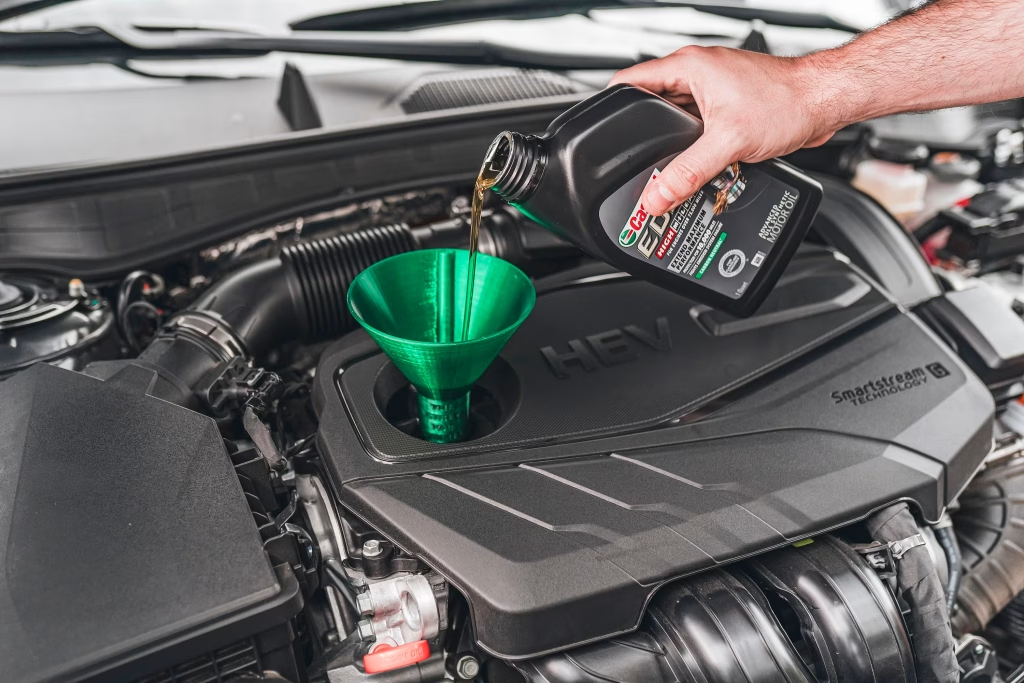
Owning a cheap muscle car can be thrilling, but maintenance is key to keeping that roar alive without breaking the bank. Here are essential tips for budget-conscious owners:
Regular Engine Care
Change engine oil and filter every 3,000–5,000 miles (or as recommended).
Check air filters, belts, and fluids regularly to avoid costly repairs.
Keep the cooling system in top condition; V6 and V8 engines generate a lot of heat.
Tires, Brakes, and Suspension
Muscle cars often have wider tires for traction; check tread and alignment.
Inspect brakes for wear; V8 engines require stronger braking systems.
Maintain suspension components to preserve handling and comfort.
Avoid Expensive Modifications Early
Resist performance mods until you know the car’s baseline reliability.
-
Stick to affordable, tested upgrades if desired, such as cold-air intakes or exhaust tweaks.
-
Modifications can void warranties or increase maintenance costs if not done correctly.
- Use Aftermarket Parts Wisely
-
High-quality aftermarket parts can save money on repairs without sacrificing performance.
-
Buy from reputable suppliers and check for compatibility with your make and model.
- Routine Inspections
-
Periodically have a trusted mechanic inspect the car, especially for used and classic models.
-
Look for signs of wear, leaks, or rust, which can escalate repair costs if ignored.
- Key Takeaway:
By following these maintenance tips, you can enjoy the thrill of a cheap muscle car while minimizing repairs and keeping ownership costs predictable. - Common Mistakes Buyers Make.

- Even experienced buyers can fall into traps when searching for cheap muscle cars. Avoid these common mistakes to ensure your purchase is both thrilling and practical:
- Overpaying for Used Cars
-
Sellers often inflate prices for muscle cars with cosmetic modifications or rare trims.
-
Research market values using Kelley Blue Book or NADA guides before negotiating.
-
Don’t let nostalgia or appearance override logic; performance and condition matter most.
- Ignoring Insurance Costs
-
Muscle cars, even budget models, can carry higher insurance premiums due to horsepower and repair costs.
Get insurance quotes before committing to a purchase to avoid surprises.
Buying High-Mileage Vehicles Without Proper Inspection
Engines with excessive mileage may require costly repairs soon after purchase.
Always check service records and hire a qualified mechanic for inspection.
Focusing Only on Looks
Muscle cars are about performance and reliability, not just aesthetics.
Avoid models that have superficial modifications or bodywork without mechanical integrity.
Neglecting Financing and Loan Options
Some buyers accept dealer financing without shopping around, which can result in higher interest rates.
Compare multiple financing options to save money over the life of the loan.
- Key Takeaway:
Avoiding these common mistakes can save you thousands of dollars and months of frustration, ensuring your cheap muscle car delivers both excitement and value. -
Frequently Asked Questions (FAQ) about Cheap Muscle Cars.

Q1: Are cheap muscle cars reliable?
A: Many modern and used muscle cars are reliable if properly inspected. Research specific models, check maintenance history, and avoid vehicles with extensive aftermarket modifications that can compromise reliability.
Q2: Should I buy new or used?
A: Both options have benefits. New models offer warranty and technology, while used models provide better value for the dollar. Used cars from 2013–2018 often combine affordability with performance.
Q3: How much insurance will a cheap muscle car cost?
A: Insurance varies by model, location, and driver profile. Generally, V6 engines are cheaper to insure than V8s, and classic cars may have specialized collector insurance. Always get multiple quotes before purchase.
Q4: Can I finance a cheap muscle car on a tight budget?
A: Yes. Banks, credit unions, dealerships, and online lenders offer financing. Maintain a good credit score, compare multiple lenders, and consider down payments to lower monthly costs.
Q5: Are classic muscle cars worth buying on a budget?
A: If properly inspected, classic cars can be a great investment and enjoyable daily drivers. Restoration and maintenance costs should be factored into your budget, but the aesthetic and cultural value is unmatched.
Q6: What are the most affordable muscle cars in the US?
A: Budget-friendly options include:
Modern: Ford Mustang EcoBoost, Chevrolet Camaro LT, Dodge Challenger SXT
-
Used: 2013–2018 Ford Mustang, 2014–2017 Chevrolet Camaro, 2013–2016 Dodge Challenger
-
Classic: 1970s Ford Mustang, 1969 Chevrolet Camaro, Dodge Challenger R/T
Conclusion.
Affordable Options Exist: From modern V6 Mustangs to classic 1970s Camaros, there are plenty of cheap muscle cars that deliver power and style without breaking the bank.
Research is Critical: Check performance metrics, reliability, and maintenance history before purchasing.
Financing and Budgeting: Smart financing strategies and realistic budgets make owning a muscle car attainable.
Maintenance Matters: Regular care ensures long-term performance and minimizes repair costs.
Avoid Common Mistakes: Overpaying, ignoring insurance, and skipping inspections are pitfalls to avoid.
Now it’s your turn: what’s your dream cheap muscle car? Share your favorite model, your budget tips, or your restoration story in the comments below. Your insights could help fellow enthusiasts find their perfect ride while keeping their wallets intact.

