

For decades, manual cars were simply the standard way Americans drove. Today they are becoming rare. Automatic transmissions dominate dealership lots, and many manufacturers have completely phased out stick shift models.
But something interesting has happened because of this shift.
Manual cars have quietly become one of the smartest ways to buy a cheap vehicle in the United States.
Because fewer people know how to drive stick, demand has dropped. Lower demand means lower prices. For buyers who are willing to shift gears themselves, that creates a huge opportunity. You can often buy a reliable, fuel-efficient, fun-to-drive car for thousands less than an automatic version of the same vehicle.
And the savings do not stop at the purchase price.
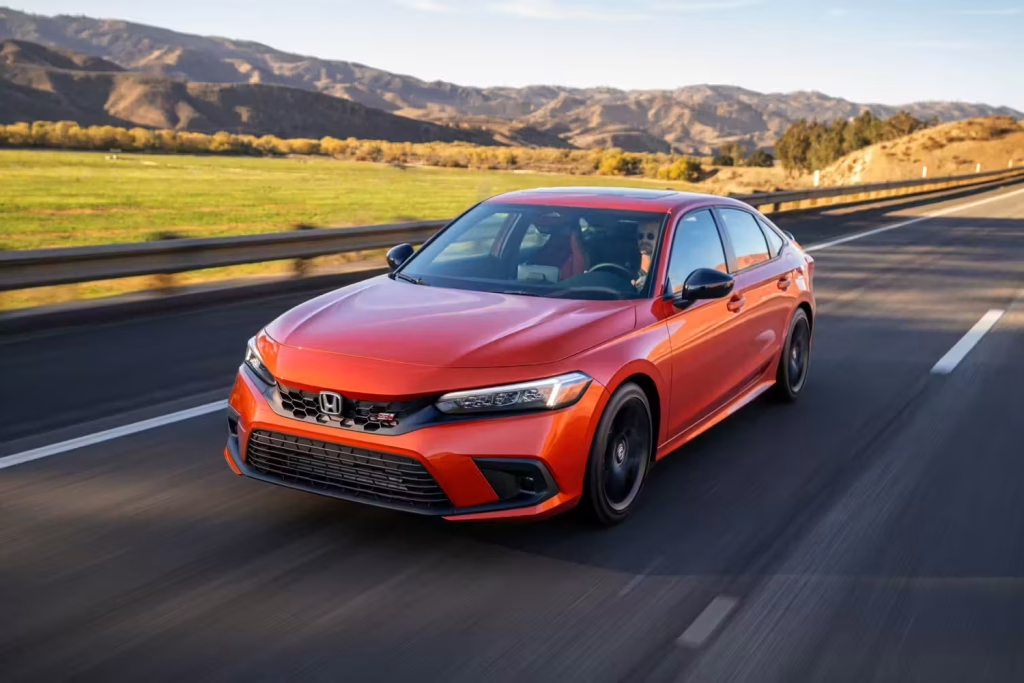
Manual cars are usually cheaper to maintain. Their transmissions are simpler. Repairs often cost less. In many cases they last longer when properly maintained. For drivers who want a dependable vehicle without spending a fortune, cheap manual cars remain one of the most overlooked bargains on the road.
There is also another reason people are rediscovering stick shift cars.
They are simply more fun to drive.
A manual transmission gives the driver full control over acceleration, gear selection, and engine performance. Many enthusiasts say it creates a stronger connection between the driver and the road. Even everyday commutes can feel more engaging behind a stick shift.
But buying a cheap manual car is not just about grabbing the first inexpensive vehicle you see.
Some models are far more reliable than others. Certain cars hold up better with manual transmissions. Some used cars hide costly clutch problems that can surprise new owners.
This guide breaks down everything you need to know before buying a cheap manual car in the United States.
You will learn:
What makes manual cars cheaper than automatics
How to choose a reliable stick shift vehicle on a tight budget
The best cheap manual cars available in the US market
Where to find the best deals on used stick shift vehicles
What to inspect before buying a manual transmission car
How to maintain a manual car without spending a fortune
Whether you are a first-time buyer looking for an affordable daily driver or a car enthusiast searching for a fun budget ride, this guide will help you make a smarter decision.
By the time you finish reading, you will know exactly which cheap manual cars are worth your money and how to find one before someone else grabs the deal.
Why Manual Cars Can Be Cheaper and Smarter to Own

Many drivers assume a cheap car automatically means a lower-quality car. That is not always true when it comes to manual vehicles. In fact, one of the biggest reasons manual cars are cheaper has nothing to do with reliability or durability.
It comes down to simple market demand.
Lower Purchase Price
In the United States, most drivers prefer automatic transmissions. Because of that, dealerships price automatic versions of cars higher. Manufacturers also charge extra for automatic transmissions because they are more complex to produce.
The difference can be significant.
A manual version of the same car may cost $1,000 to $2,000 less than its automatic counterpart when new. On the used market, the gap can be even larger because fewer buyers are searching for stick shift vehicles.
This creates an advantage for anyone who knows how to drive manual.
Simpler Mechanical Design
Manual transmissions are mechanically simpler than automatic ones. A traditional stick shift setup includes:
Clutch
Gearbox
Gear selector
Flywheel
Automatic transmissions include far more components such as torque converters, hydraulic systems, electronic sensors, and computer controls.
More complexity means more potential failures.
Because manual gearboxes are simpler, they often last longer with fewer expensive repairs.
Lower Maintenance Costs
Transmission repairs are among the most expensive car repairs in the United States.
Automatic transmission replacements can easily cost between $3,000 and $6,000 depending on the vehicle.
Manual transmission repairs are typically much cheaper. Even replacing a clutch, which is the most common manual transmission repair, often costs significantly less than replacing an entire automatic transmission.
For drivers trying to keep car ownership affordable, this difference matters.
Better Fuel Control
Modern automatics have improved fuel efficiency, but manual cars still give drivers more control over how the engine performs.
A skilled driver can shift gears strategically to:
Reduce fuel consumption
Avoid unnecessary engine strain
Improve highway efficiency
For budget drivers, every mile per gallon matters.
Longer Lifespan Potential
Many well-maintained manual cars easily reach 200,000 miles or more. The durability of manual gearboxes is one of the reasons older vehicles with stick shifts are still popular among budget buyers.
As long as the clutch is maintained and gears are shifted correctly, the transmission can last the life of the vehicle.
This reliability is one of the reasons cheap manual cars remain such a strong value in the used car market.
How to Choose the Best Cheap Manual Car in the US
Buying a cheap manual car can be one of the smartest financial decisions for drivers who want reliability without a huge monthly payment. However, not every inexpensive stick shift vehicle is a good deal. Some cars look cheap on the surface but can quickly become expensive if they have hidden mechanical issues.
Understanding how to choose the right manual car can save you thousands of dollars and help you avoid common mistakes that many first-time buyers make.
Below are the most important factors to consider when shopping for a cheap manual car in the United States.
Determine Your Budget First
Before you start browsing listings or visiting dealerships, decide how much you are comfortable spending. Budget is not just about the purchase price. You also need to consider insurance, registration, taxes, and potential repairs.
Many cheap manual cars in the US fall into these general price categories:
Under $8,000
Older used cars with higher mileage but still reliable if well maintained.
$8,000 to $15,000
This range often includes newer used vehicles with good reliability and modern features.
$15,000 to $20,000
You may find lightly used or even brand-new base models with manual transmissions.
For many buyers looking for cheap manual cars, the sweet spot is usually between $10,000 and $15,000. Cars in this range often provide a good balance between affordability, reliability, and modern safety features.
Consider Reliability Ratings
Reliability should be one of the most important factors when buying any used car. Some brands consistently produce vehicles that last longer with fewer mechanical problems.
In the United States, brands that frequently receive strong reliability ratings include:
Toyota
Honda
Mazda
Hyundai
Kia
Models like the Toyota Corolla, Honda Civic, and Mazda3 are well known for their long-lasting engines and dependable manual transmissions.
Before buying a vehicle, check reliability reports from sources like Consumer Reports or owner reviews from trusted automotive websites. This extra research can help you avoid cars with known mechanical problems.
Look at Fuel Efficiency
Cheap cars are most valuable when they remain affordable to operate. Fuel efficiency plays a major role in keeping long-term costs low.
Many compact manual cars deliver impressive fuel economy. Some models can reach 35 miles per gallon or more on the highway.
Fuel-efficient manual cars are particularly useful for:
Daily commuters
College students
Budget-conscious families
Delivery or gig economy drivers
Smaller cars with four-cylinder engines typically offer the best fuel economy.
Think About Your Driving Needs
The best cheap manual car for one person may not be ideal for someone else. Consider how you plan to use the vehicle.
Daily commuting in heavy traffic
Highway driving for long distances
City driving and parking
Weekend road trips
Carrying passengers or cargo
For example, hatchbacks like the Honda Fit provide excellent cargo space while remaining compact and affordable. Meanwhile, small sedans like the Toyota Corolla focus more on comfort and reliability.
Choosing a car that fits your lifestyle will make ownership much more enjoyable.
Check Insurance Costs
Insurance rates can vary widely depending on the vehicle you choose. Sports cars and high-performance vehicles often carry higher premiums.
Compact economy cars usually have the lowest insurance costs. This makes them ideal for younger drivers, students, or anyone trying to keep overall car expenses low.
Before purchasing a car, you can contact your insurance provider to get an estimated monthly rate. This step prevents surprises after the purchase.
Availability of Manual Models
Another important factor is availability. Manual cars are becoming less common in the US market, especially in larger vehicles.
You are more likely to find manual transmissions in:
Compact sedans
Hatchbacks
Small economy cars
Performance-oriented models
Some manufacturers have already stopped offering manual transmissions in many of their models. This makes used manual vehicles more valuable to buyers who prefer driving stick.
Because of this shrinking supply, it can be helpful to search online marketplaces and dealership inventories regularly to find good deals quickly.
Inspect the Clutch Condition
One of the most important components in a manual car is the clutch. The clutch connects and disconnects the engine from the transmission during gear changes.
A worn clutch can lead to:
Slipping gears
Difficulty shifting
Poor acceleration
Higher repair costs
Replacing a clutch can cost anywhere from several hundred to over a thousand dollars depending on the vehicle.
During a test drive, pay attention to how the clutch feels. It should engage smoothly without slipping or unusual noises.
Check Service History
A well-maintained car will always be a better investment than one with a questionable history. Ask the seller for maintenance records if available.
Important maintenance items include:
Oil changes
Transmission fluid checks
Brake service
Timing belt replacement
Clutch maintenance
Cars with documented maintenance are generally more reliable and easier to trust.
Take a Proper Test Drive
Never buy a used manual car without taking a full test drive. The test drive should include both city and highway driving if possible.
During the drive, check for:
Smooth gear shifts
No grinding noises when changing gears
Stable steering
Responsive braking
Comfortable seating position
A thorough test drive helps you identify potential problems before making a purchase.
Best Cheap Manual Cars for 2026 (US Market)
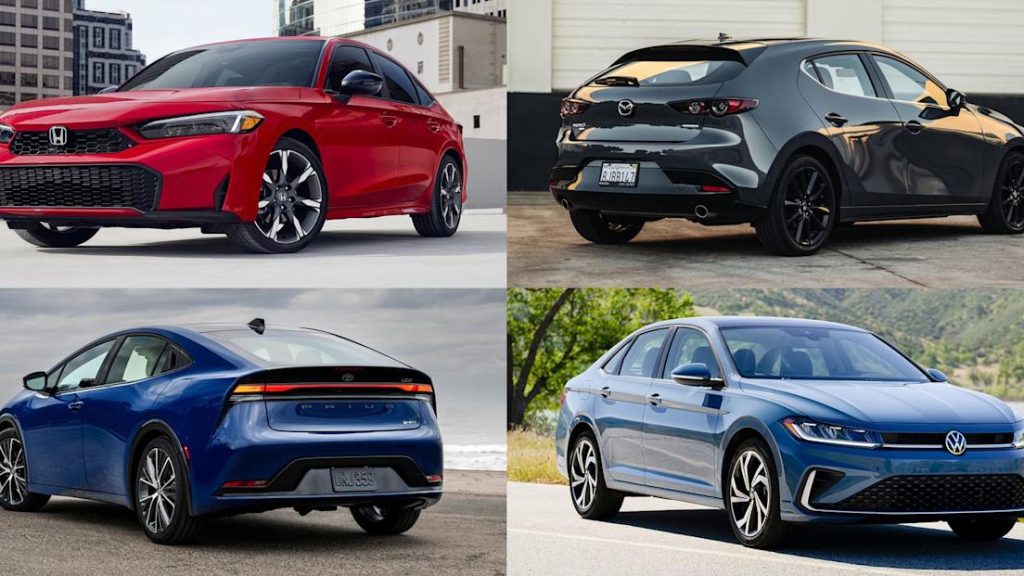
Finding cheap manual cars in the United States has become slightly more challenging in recent years because many automakers have shifted heavily toward automatic transmissions. However, several models still offer manual gearboxes, especially in compact cars and enthusiast-friendly vehicles.
The good news is that many of these cars are extremely reliable, fuel-efficient, and affordable to purchase on the used market. Some even remain available as brand-new entry-level models.
Below are some of the best cheap manual cars currently worth considering in 2026, divided into different categories depending on budget and driving style.
Best New Manual Cars Under $20,000
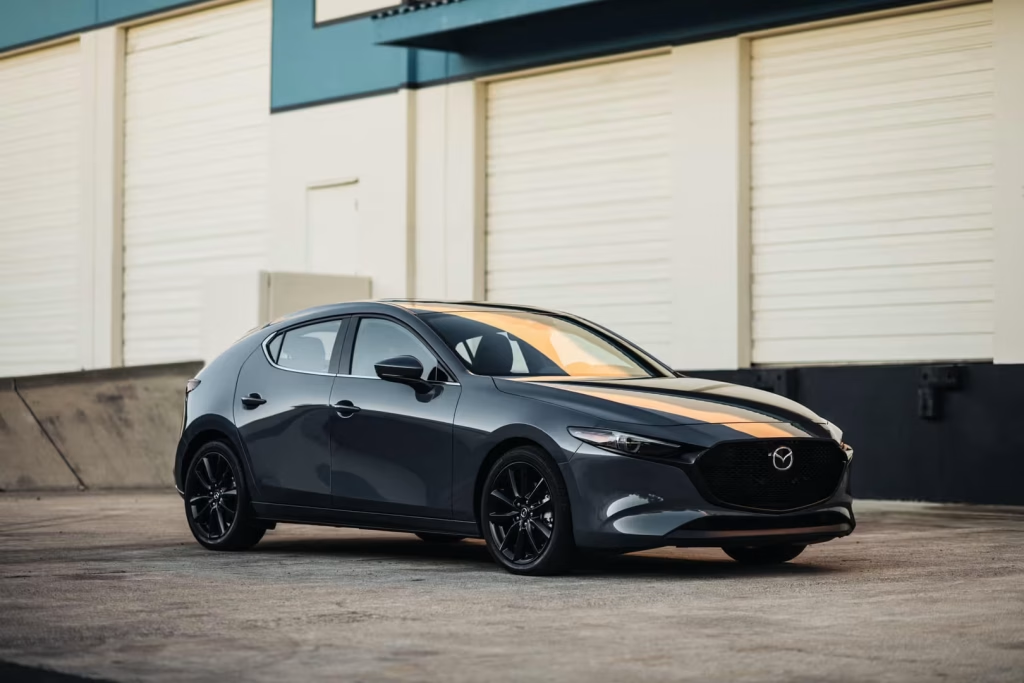
Although manuals are disappearing, a few automakers still produce affordable new cars with stick shifts. These vehicles offer the advantage of factory warranties, modern safety features, and the peace of mind that comes with buying a new vehicle.
Mazda3 Manual
The Mazda3 is widely considered one of the best-driving compact cars available today. Mazda has built a reputation for combining reliability with an engaging driving experience, and the manual version of the Mazda3 is no exception.
Typical price range
Around $19,500 to $20,000 for base trims.
Why it is a great cheap manual car
The Mazda3 offers smooth gear changes, a comfortable interior, and impressive fuel economy. It is also known for strong reliability ratings and excellent safety scores.
Fuel economy
Approximately 28 MPG city and up to 36 MPG highway depending on trim.
Honda Civic Hatchback Manual
The Honda Civic has long been one of the most reliable and affordable cars in the United States. The manual transmission version remains a favorite among drivers who want a dependable car that is also enjoyable to drive.
Typical price range
Around $19,000 to $20,000 for entry-level trims.
Why it stands out
The Civic offers excellent resale value, strong fuel efficiency, and a comfortable ride. It is also widely available across dealerships and used markets.
Fuel economy
Around 30 MPG city and 36 MPG highway.
Kia Forte Manual
The Kia Forte is one of the most budget-friendly new compact cars still offering a manual transmission. Kia has dramatically improved its reliability and build quality over the past decade.
Typical price range
About $18,000 to $19,000 for base manual trims.
Why it is worth considering
The Forte offers a long manufacturer warranty, good fuel economy, and a surprisingly comfortable interior for the price.
Fuel economy
Approximately 27 MPG city and 35 MPG highway.
Best Used Manual Cars Under $15,000
For most buyers searching for cheap manual cars, the used market provides the best value. Reliable used vehicles can deliver years of dependable driving at a fraction of the cost of a new car.
Here are several excellent options commonly found under $15,000.
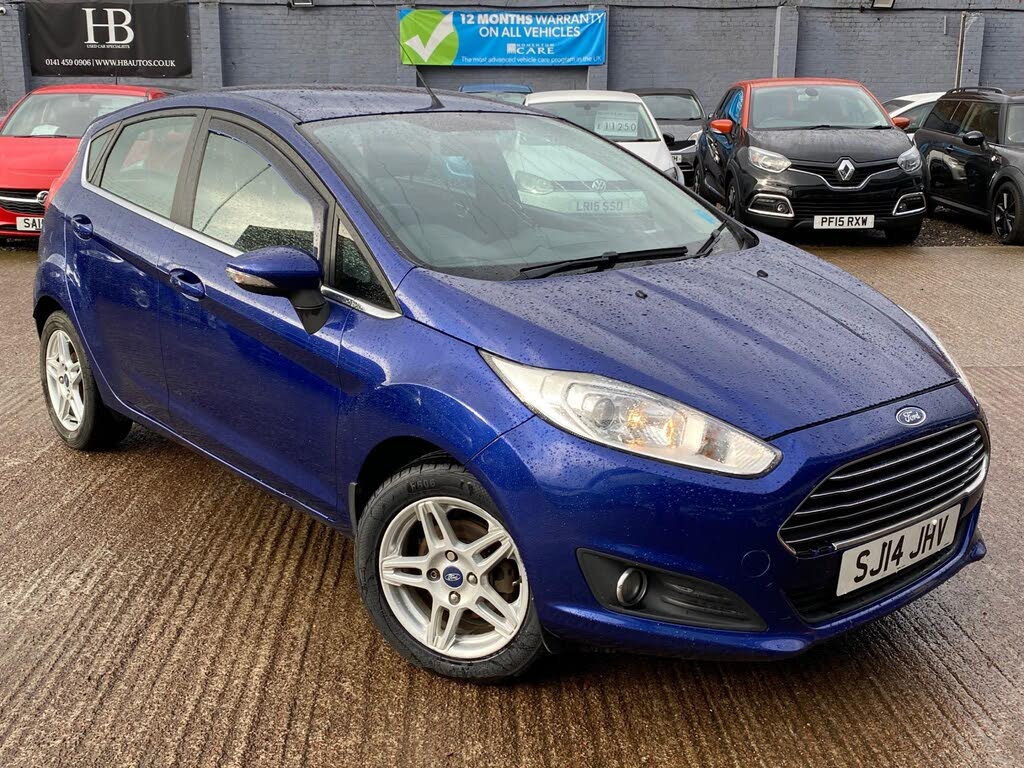
Ford Fiesta Manual
The Ford Fiesta was once one of the most popular compact cars in the United States. While automatic versions sometimes had transmission issues, the manual version is known for being far more reliable.
Typical used price
About $9,000 to $12,000 depending on mileage and condition.
Why it is a good value
The Fiesta is compact, easy to park, and surprisingly fun to drive. It also offers solid fuel economy for commuters.
Fuel economy
Around 27 MPG city and 35 MPG highway.
Toyota Corolla Manual
The Toyota Corolla is one of the most trusted vehicles in the world. Its reputation for durability and low maintenance costs makes it a top choice for budget buyers.
Typical used price
Between $10,000 and $14,000 for models from recent years.
Why buyers love it
Corollas are extremely reliable and inexpensive to maintain. Many reach well over 200,000 miles with proper care.
Fuel economy
Around 28 MPG city and 36 MPG highway.
Honda Fit Manual
The Honda Fit is a small hatchback that offers impressive interior space despite its compact size. It is known for reliability, excellent fuel economy, and versatile cargo capacity.
Typical used price
Between $8,500 and $12,500 depending on condition.
Why it stands out
The Fit features Honda’s famous Magic Seat system, which allows the rear seats to fold in multiple ways for carrying larger items.
Fuel economy
Around 29 MPG city and 36 MPG highway.
Fun and Affordable Manual Cars for Enthusiasts

Some drivers want more than just basic transportation. If you enjoy driving and want something fun without spending a fortune, several manual cars deliver excellent performance for the price.
Mazda MX-5 Miata
The Mazda MX-5 Miata is widely considered one of the most enjoyable cars to drive at any price point. Its lightweight design and responsive manual gearbox make it a favorite among driving enthusiasts.
Typical used price
Around $15,000 to $18,000 depending on model year.
Why enthusiasts love it
The Miata offers exceptional handling, simple mechanics, and a classic open-top driving experience.
Fuel economy
Approximately 26 MPG city and 35 MPG highway.
Volkswagen GTI Manual
The Volkswagen GTI combines practicality with performance. It is a hatchback that offers strong acceleration, sporty handling, and everyday usability.
Typical used price
Around $14,000 to $18,000 depending on year and mileage.
Why it is appealing
The GTI provides the fun of a sports car while still offering rear seats and cargo space.
Fuel economy
Approximately 24 MPG city and 33 MPG highway.
These vehicles represent some of the best cheap manual cars available in the United States today. They offer a combination of affordability, reliability, and driving enjoyment that is difficult to find in many automatic vehicles.
Where to Buy Cheap Manual Cars in the United States
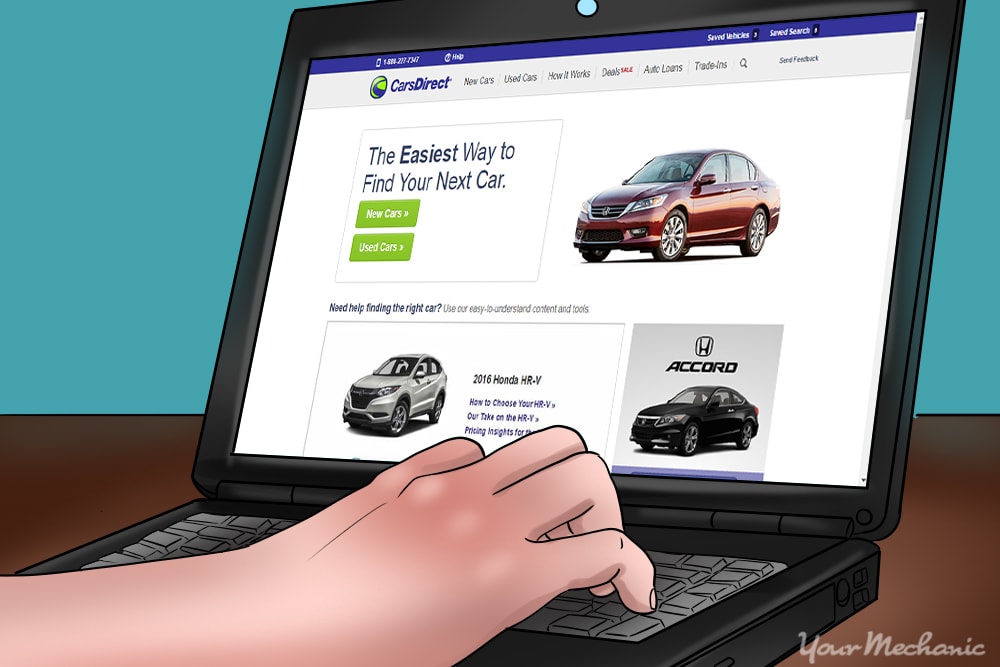
Finding cheap manual cars is not always as simple as walking into the nearest dealership. Because manual transmissions are less common in the United States today, buyers often need to search a little more strategically.
Fortunately, there are several places where you can consistently find affordable stick shift vehicles if you know where to look.
Below are the most effective places to buy cheap manual cars in the US.
Used Car Dealerships
Used car dealerships remain one of the most common places to find manual cars. Many dealerships receive trade-ins from previous owners who upgraded to newer vehicles. Since manual cars tend to attract fewer buyers, dealerships are sometimes willing to negotiate aggressively on price.
Advantages of buying from a dealership include:
Vehicle inspections before sale
Financing options for buyers who need loans
Short-term warranties on some vehicles
Access to vehicle history reports
However, dealership prices may still be slightly higher than private sales because the dealer must cover operating costs and profit margins.
When visiting a dealership, ask the sales staff directly if they have any manual transmission vehicles in stock. Many dealerships keep them in inventory but do not always highlight them on the front lot.
Online Car Marketplaces
Online marketplaces have become one of the most powerful tools for finding cheap manual cars across the country. These platforms allow buyers to filter search results specifically for manual transmissions.
Some of the most popular car marketplaces in the United States include:
Autotrader
CarGurus
Cars.com
Facebook Marketplace
Craigslist
These platforms allow you to compare prices, mileage, and vehicle condition across many sellers. You can also search by location, price range, and model year.
Using online marketplaces gives buyers access to thousands of listings that would otherwise be impossible to see by visiting local dealerships alone.
One helpful strategy is to search for vehicles that have been listed for several weeks. Sellers with older listings are often more willing to negotiate lower prices.
Private Sellers
Private sellers can offer some of the best deals on cheap manual cars. When individuals sell their vehicles directly, there are no dealership fees or markups involved.
Many people selling manual cars simply want to move on to automatic vehicles, especially if other family members do not know how to drive stick.
Benefits of buying from a private seller include:
Lower purchase prices
Greater room for negotiation
Opportunity to speak directly with the previous owner about the car’s history
However, private sales require extra caution. Always inspect the vehicle carefully and request a vehicle history report before completing the transaction.
If possible, bring a trusted mechanic with you to inspect the car before making a final decision.
Certified Pre-Owned Programs
Some manufacturers offer certified pre-owned vehicles through their dealerships. These cars have typically undergone detailed inspections and come with limited warranties.
While certified vehicles may cost slightly more than regular used cars, they provide added peace of mind for buyers who want a reliable manual vehicle without the risk of unknown mechanical problems.
Brands like Honda, Toyota, and Mazda frequently offer certified vehicles through their dealership networks.
Government and Fleet Auctions
Another lesser-known place to find cheap manual cars is through government auctions. Local governments, police departments, and municipal agencies often sell older vehicles once they reach a certain age or mileage.
Some fleet vehicles include manual transmissions, especially older compact cars used for administrative purposes.
Auction prices can be significantly lower than traditional used car prices, but buyers should be aware that these vehicles are usually sold as-is without warranties.
Negotiation Tips When Buying a Manual Car
Because manual cars have a smaller buyer pool, sellers are often more flexible with pricing.
Some negotiation strategies include:
Research average prices for the model before meeting the seller
Point out any cosmetic or mechanical issues
Mention comparable listings with lower prices
Be prepared to walk away if the deal does not feel right
Often the best deals happen when buyers remain patient and take time to compare multiple options.
Price Comparison Table for Popular Cheap Manual Cars

Below is a quick overview of some of the most affordable manual cars commonly found in the US market. This table helps buyers quickly compare pricing, fuel economy, and reliability.
| Car Model | Typical Price Range | New or Used | Fuel Economy | Reliability |
|---|---|---|---|---|
| Mazda3 | $19,500 – $20,000 | New | 28–36 MPG | High |
| Honda Civic | $18,500 – $20,000 | New | 30–36 MPG | Very High |
| Kia Forte | $18,000 – $19,000 | New | 27–35 MPG | High |
| Ford Fiesta | $9,000 – $12,000 | Used | 27–35 MPG | Medium |
| Toyota Corolla | $10,000 – $14,000 | Used | 28–36 MPG | Very High |
| Honda Fit | $8,500 – $12,500 | Used | 29–36 MPG | High |
| Mazda MX-5 Miata | $15,000 – $18,000 | Used | 26–35 MPG | Medium |
| Volkswagen GTI | $14,000 – $18,000 | Used | 24–33 MPG | Medium |
Tips for Buying a Cheap Manual Car Without Costly Mistakes
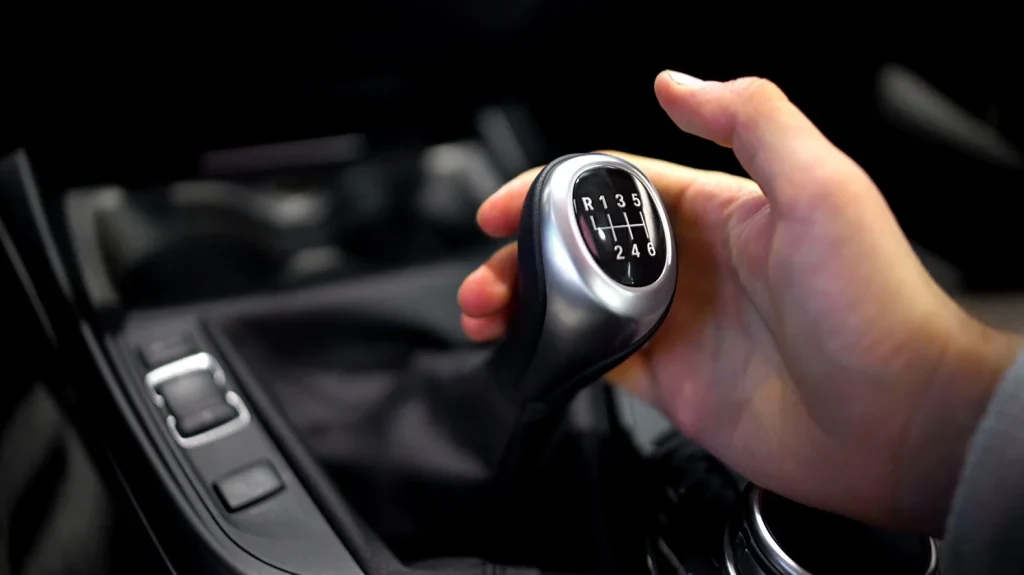
Buying a cheap manual car can save you a lot of money, but only if the vehicle is in good condition. Some inexpensive cars look like great deals at first but hide mechanical problems that can cost thousands of dollars to repair.
Manual cars are generally reliable, but the condition of the clutch, gearbox, and overall maintenance history plays a major role in how well the vehicle will perform over time.
Before you commit to buying any used manual car, take the time to follow these essential inspection steps.
Inspect the Clutch Performance
The clutch is one of the most important components of a manual transmission vehicle. It connects the engine to the transmission and allows you to change gears smoothly.
A worn clutch can cause several problems including slipping, poor acceleration, and difficulty shifting gears.
During a test drive, pay attention to how the clutch behaves. It should engage smoothly and consistently. If the engine revs higher without the car accelerating properly, the clutch may be slipping.
Another simple test involves starting the car in third gear from a stop. If the car stalls immediately, the clutch is likely in good condition. If the engine struggles but continues running, the clutch may be worn.
Clutch replacements are not extremely expensive compared to automatic transmission repairs, but they can still cost anywhere from several hundred to over a thousand dollars depending on the vehicle.
Check for Smooth Gear Shifts
Manual transmissions should shift smoothly between gears without grinding or resistance. If you hear grinding noises while shifting, it may indicate worn synchronizers inside the transmission.
Transmission repairs can become expensive if internal components are damaged. This is why it is important to test every gear during the test drive.
Shift through all gears while driving at moderate speeds. Make sure reverse gear also engages smoothly without unusual sounds.
Look for Signs of Poor Maintenance
A cheap car is only a good deal if it has been properly maintained. Some owners neglect routine maintenance, which can shorten the lifespan of the vehicle.
Ask the seller if they have service records for the car. These records may include oil changes, brake replacements, tire rotations, and other maintenance tasks.
Vehicles with consistent maintenance histories tend to last much longer and provide more reliable transportation.
If maintenance records are unavailable, you should carefully inspect the vehicle for warning signs such as oil leaks, worn belts, or excessive engine noise.
Inspect the Exterior and Interior
While mechanical reliability is the most important factor, the overall condition of the car can also reveal how well it was treated by previous owners.
Check the body panels for signs of rust, dents, or mismatched paint. These may indicate previous accidents or poor repairs.
Inside the vehicle, inspect the seats, dashboard, and controls. Excessive interior wear could suggest high mileage or rough use.
Also test all electronic components including lights, air conditioning, power windows, and infotainment systems.
Verify the Vehicle History Report
A vehicle history report provides valuable information about a car’s past. These reports can reveal accidents, title issues, and previous ownership records.
Popular vehicle history services include Carfax and AutoCheck. Many dealerships provide these reports automatically, but private sellers may require you to purchase them yourself.
A clean vehicle history report reduces the risk of buying a car with hidden damage or legal complications.
Bring a Mechanic if Possible
If you are not experienced with car inspections, it is wise to bring a trusted mechanic when evaluating a used manual vehicle.
Professional mechanics can quickly identify mechanical problems that may not be obvious to the average buyer.
Spending a small amount on a pre-purchase inspection can save you thousands of dollars in unexpected repairs later.
Pay Attention to Mileage
Mileage is not the only indicator of a car’s condition, but it still matters. Many reliable manual cars can last well beyond 200,000 miles with proper maintenance.
However, extremely high mileage vehicles may require more frequent repairs and replacements of components like suspension parts, belts, and cooling systems.
Look for a balance between mileage, maintenance history, and overall condition.
Negotiate the Price
Once you have inspected the vehicle thoroughly, you may have leverage to negotiate the price with the seller.
If you notice minor issues such as worn tires, cosmetic damage, or overdue maintenance, you can use these points to request a lower price.
Many sellers expect some negotiation, especially when selling used cars privately.
How to Maintain Your Manual Car on a Budget

One of the biggest advantages of owning a manual car is the relatively low cost of maintenance. Because manual transmissions are mechanically simpler than automatics, they often require fewer expensive repairs.
However, proper maintenance is still essential if you want your vehicle to remain reliable for many years.
Regular Oil Changes
Oil changes are one of the simplest yet most important maintenance tasks for any vehicle. Clean engine oil keeps internal components lubricated and prevents excessive wear.
Most vehicles require oil changes every 5,000 to 7,500 miles depending on the type of oil used.
Neglecting oil changes can lead to engine damage that is far more expensive than routine maintenance.
Monitor Transmission Fluid
Manual transmissions still require fluid to lubricate internal gears and bearings. Although transmission fluid does not need to be replaced as frequently as engine oil, it should still be inspected periodically.
Your vehicle’s owner manual will provide the recommended interval for checking or replacing transmission fluid.
Keeping transmission fluid clean helps extend the life of the gearbox.
Maintain the Clutch Properly
The clutch experiences wear over time, especially if the driver frequently rides the clutch pedal while driving.
To extend clutch life, avoid resting your foot on the clutch pedal when not shifting gears. This habit can cause unnecessary wear on the clutch components.
Smooth gear changes and proper driving technique can significantly extend the life of the clutch system.
Rotate Tires Regularly
Tire rotation helps ensure even wear across all four tires. Uneven tire wear can reduce traction and shorten tire lifespan.
Most mechanics recommend rotating tires every 5,000 to 8,000 miles.
This simple maintenance step improves safety and helps drivers avoid premature tire replacement costs.
Inspect Brakes and Suspension
Brakes and suspension components naturally wear over time. Regular inspections help identify worn brake pads, leaking shocks, or loose suspension components before they become serious safety issues.
Addressing small problems early is usually much cheaper than waiting until major repairs are required.
Keep the Car Clean and Protected
Regular cleaning may not seem like an important maintenance task, but it helps protect the car’s paint and prevent rust.
Washing the vehicle periodically removes dirt, salt, and debris that can damage the exterior over time.
Interior cleaning also preserves the condition of seats, carpets, and dashboard materials.
Pros and Cons of Owning a Manual Car
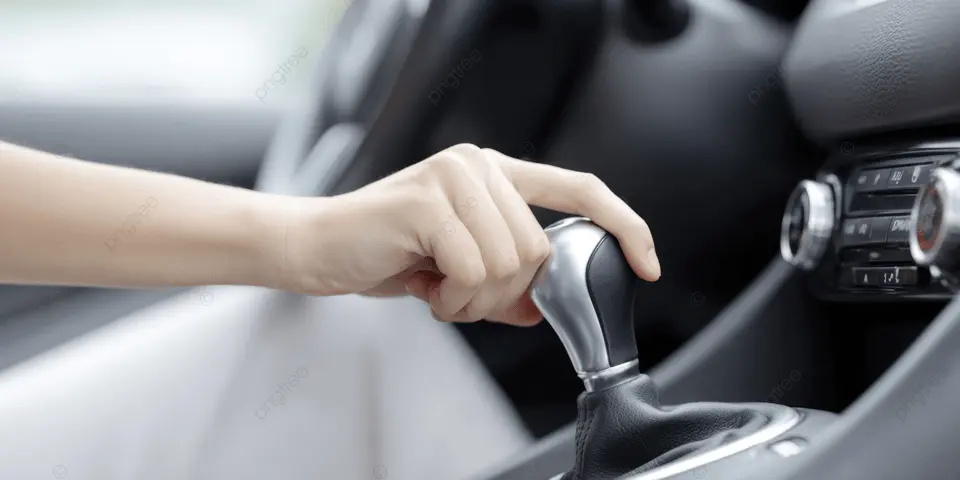
Manual cars have been a staple of driving culture for generations. Even though automatic transmissions dominate the US market today, manual vehicles still offer several unique advantages. At the same time, they also come with a few drawbacks that potential buyers should understand before making a purchase.
Knowing both the benefits and the limitations of owning a manual car helps you decide whether a stick shift vehicle fits your lifestyle and driving habits.
Advantages of Manual Cars
One of the biggest reasons people search for cheap manual cars is the lower cost of ownership. Manual vehicles typically cost less to buy, maintain, and sometimes insure compared to automatic cars.
Lower purchase price is a major advantage. Manual transmission models are often cheaper than their automatic counterparts, especially on the used market. Because fewer drivers prefer stick shifts, sellers sometimes reduce prices to attract buyers.
Maintenance costs can also be lower. Manual transmissions are simpler machines with fewer components than automatic systems. This simplicity means fewer parts that can fail and often lower repair costs.
Many drivers also appreciate the increased control that manual transmissions provide. With a stick shift, the driver decides when to change gears rather than relying on the car’s computer system. This allows more precise control over engine power, acceleration, and braking.
Driving enthusiasts often prefer manual cars because they provide a more engaging driving experience. Shifting gears manually creates a stronger connection between the driver and the vehicle. For many people, this makes everyday driving more enjoyable.
Manual cars can also perform better in certain driving situations. In snowy or slippery conditions, drivers can use specific gears to maintain better traction. Some experienced drivers also prefer manual transmissions when driving on steep hills or winding roads.
Another benefit is the potential for longer vehicle lifespan. Because manual transmissions are mechanically simpler, they may last longer if properly maintained. Many manual cars reach high mileage without needing major transmission repairs.
Disadvantages of Manual Cars
Despite their benefits, manual cars are not the perfect choice for every driver.
One of the biggest challenges for new drivers is learning how to operate a manual transmission. Driving stick requires coordination between the clutch pedal, gear shifter, and accelerator. Beginners may stall the engine or struggle with smooth gear changes until they gain experience.
Traffic conditions can also make manual driving less convenient. In heavy stop-and-go traffic, constantly shifting gears and pressing the clutch can become tiring. Automatic transmissions handle this situation more easily.
Manual cars are also becoming harder to find in the United States. Many automakers have stopped producing manual versions of their vehicles because most buyers prefer automatics. This means fewer new models are available with stick shifts.
Resale value can sometimes be slightly lower as well. Because the number of drivers who know how to operate manual cars is decreasing, the resale market is smaller.
Finally, some modern safety and convenience technologies are more commonly paired with automatic transmissions. Although this gap is shrinking, certain advanced driving features may not always be available on manual models.
Is a Manual Car Right for You
If you enjoy driving and want to save money on a vehicle purchase, a cheap manual car can be an excellent choice. Many drivers appreciate the simplicity, reliability, and engaging driving experience that manual transmissions provide.
However, if your daily commute involves heavy traffic or you prefer maximum convenience, an automatic transmission may be a better fit.
Understanding these pros and cons allows you to make a confident decision before purchasing a manual car.
Frequently Asked Questions About Cheap Manual Cars

Are cheap manual cars harder to find in the United States?
Yes, manual cars have become less common in the US because most drivers prefer automatic transmissions. However, they are still available in many compact cars, hatchbacks, and performance vehicles. The used car market remains a strong place to find affordable manual vehicles.
Do manual cars save money on fuel?
In some cases, yes. Older manual cars often deliver slightly better fuel efficiency than their automatic counterparts. Modern automatic transmissions have improved significantly, but skilled manual drivers can still maximize fuel efficiency by shifting gears efficiently.
Are manual cars more reliable than automatics?
Manual transmissions are generally simpler and may have fewer mechanical problems over time. Because they contain fewer complex components, repairs are often less expensive compared to automatic transmissions.
However, reliability still depends on proper maintenance and driving habits.
Is it difficult to learn how to drive a manual car?
Learning to drive a manual car can feel challenging at first, but most drivers become comfortable after a few practice sessions. Once you understand clutch control and gear timing, driving a manual vehicle becomes second nature.
Many people actually find it enjoyable once they become familiar with the process.
Can I still buy a new manual car in the US?
Yes, although options are becoming more limited. Some manufacturers still offer manual transmissions in certain models, especially compact cars and performance vehicles. However, many brands are gradually phasing out manual options as automatics become more advanced.
Conclusion: Why Cheap Manual Cars Still Make Sense
Cheap manual cars remain one of the most underrated bargains in the American car market. While automatic vehicles dominate dealership lots today, stick shift cars continue to offer several important advantages for budget-conscious drivers.
Manual vehicles often cost less to purchase, especially in the used market. They typically have simpler transmissions that can be easier and cheaper to maintain. For drivers who enjoy a more hands-on driving experience, manual cars also provide a level of engagement that automatics cannot always match.
From reliable options like the Toyota Corolla and Honda Civic to fun enthusiast favorites like the Mazda MX-5 Miata and Volkswagen GTI, there are still many excellent manual cars available at affordable prices.
The key to finding the best deal is doing careful research, inspecting the vehicle thoroughly, and choosing models known for reliability.
If you take the time to shop smart and maintain your vehicle properly, a cheap manual car can deliver many years of dependable and enjoyable driving without draining your budget.
For drivers who want an affordable, reliable, and engaging vehicle, the manual transmission is far from outdated. In fact, it may be one of the smartest automotive choices still available today.
