

There’s something undeniably exciting about sliding behind the wheel of a JDM car. These Japanese Domestic Market vehicles have a way of making everyday drives feel special, whether it’s the sharp handling of a lightweight roadster or the tunable potential of a compact hatchback.
But let’s face it, not everyone has the budget for a pristine Nissan Skyline GT-R or a Toyota Supra that’s skyrocketed in price thanks to collector demand. If you’re like many enthusiasts in the US, you’re looking for that sweet spot where performance meets affordability; cars that deliver thrills without emptying your wallet. That’s where cheap JDM cars come in, especially as we head into 2026 with more models becoming legal under import rules.
In this guide, I’m going to dive deep into the world of budget-friendly JDM options under $10,000. This isn’t just a quick list; it’s a practical resource drawn from real experiences, owner forums, and market data to help you make a smart choice.
We’ll cover what makes these cars tick, how to pick one that fits your lifestyle, detailed recommendations with pros and cons, where to find them, pricing breakdowns, maintenance advice to keep them running smoothly, and ways to sidestep common pitfalls. By the end, you’ll have everything you need to track down a reliable JDM that punches above its weight class. Let’s get started.
What Are JDM Cars and Why Go for Cheap Ones

JDM stands for Japanese Domestic Market, referring to vehicles originally built and sold in Japan. These aren’t your standard US-spec models; they often feature right-hand-drive configurations, unique engines, and styling tweaks that never made it stateside.
Think of them as the forbidden fruit of the automotive world; cars like the Honda Integra Type R or Mazda RX-8 that embody Japan’s engineering prowess in compact, efficient packages. The appeal is multifaceted: superior build quality, innovative tech for their era, and a massive aftermarket scene for modifications.
But why focus on cheap JDM cars? For starters, the high-end ones have become investment pieces. A clean R34 Skyline can easily fetch over $100,000, pricing out casual buyers. In contrast, the under-$10,000 segment opens the door to accessible fun. These are typically older models from the 1990s and early 2000s that qualify under the US’s 25-year import rule, meaning they’re exempt from many safety and emissions standards. As of 2026, vehicles built in 2001 become eligible month by month, expanding options without the hassle of conversions.
In the US, cheap JDM cars shine for several reasons. They’re often more fuel-efficient than American muscle, with engines designed for twisty Japanese roads that translate well to spirited driving here. Reliability is a hallmark; Honda and Toyota models, in particular, are known for lasting hundreds of thousands of miles with basic care. The community aspect is huge too; join any car meet, and you’ll find owners swapping tips on everything from ECU tunes to suspension upgrades.
Drawbacks? Parts can sometimes be trickier to source, and insurance might cost a bit more for imports, but the value proposition is strong. For instance, a well-maintained Mazda Miata can deliver Porsche-like handling for a fraction of the price, making it ideal for weekend warriors or first-time tuners.
Going cheap doesn’t mean settling. These cars offer a gateway to JDM culture without financial strain, and with rising interest in retro imports, their values are holding steady or even appreciating modestly. If you’re tired of bland commuters and want something with character, this is your lane.
How to Choose a Cheap JDM Car That’s Right for You
Picking the right cheap JDM car starts with your budget; not just the purchase price, but ongoing costs. Aim for $5,000 to $8,000 to leave room for unexpected repairs or mods. Factor in shipping if importing fresh (around $2,000–$3,000 from Japan), registration, and insurance, which can run higher for RHD models in some states.
Understand US import rules: The 25-year rule allows vehicles 25 years old or more to enter without FMVSS compliance. For 2026, 2001-build cars qualify based on their exact manufacture month, a March 2001 model is legal in March 2026. EPA exemptions apply after 21 years, but check state laws; California has stricter smog rules. If buying pre-imported, verify title and odometer accuracy to avoid scams.
Key selection criteria: Low mileage (under 100,000 for best value), no major rust (common in salty Japanese regions), and a clean service history. Engines like Honda’s B-series or Nissan’s SR20 are forgiving, but rotaries (RX-8) demand more attention.
Transmission: Manuals are preferred for engagement, but autos work for dailies. Test drive for smooth shifts, no smoke, and balanced handling.
Inspect thoroughly: Use a mechanic familiar with JDMs. Check frame rails for corrosion, suspension for play, and electronics for glitches. Resources like Hemmings or JDM forums provide checklists. Ultimately, match the car to your use, a Miata for curves, an Impreza for all-weather grip.
Best Cheap JDM Cars Under $10,000: 2026 Picks
Let’s break down the standouts. These picks are based on market data, owner reviews, and performance metrics, focusing on models available or becoming legal in the US.
Best for Fun Roadsters and Convertibles
Starting with roadsters, these are perfect for open-air driving on a budget.
The Mazda MX-5 Miata (NA or NB generations, 1989–2005) is the king of affordable fun. With a curb weight around 2,200 pounds and rear-wheel drive, it’s a go-kart on wheels. The 1.6L or 1.8L inline-four produces 115–133 hp, but it’s the chassis that shines; precise steering and balanced handling make it ideal for autocross or canyon runs. Average prices hover at $4,000–$8,000 for clean examples.
Pros: Endless aftermarket support for everything from superchargers to coilovers; reliable with regular timing belt changes.
Cons: Limited space, potential rust in wheel wells. Mod ideas: Swap in a turbo for 200+ hp or lower it with Eibach springs for better stance. It’s a great starter JDM that holds value well.

Next, the Honda S2000 (AP1, 1999–2003) offers high-revving excitement. Its 2.0L F20C engine revs to 9,000 rpm, delivering 240 hp in a 2,800-pound convertible.
Prices range from $8,000–$10,000 for higher-mileage units.
Pros: Razor-sharp handling, VTEC kick; convertible top folds quickly.
Cons: Stiff ride, potential differential issues. History: Built to celebrate Honda’s 50th anniversary, it’s a modern classic. For mods, add a cold air intake or exhaust for more sound and power.
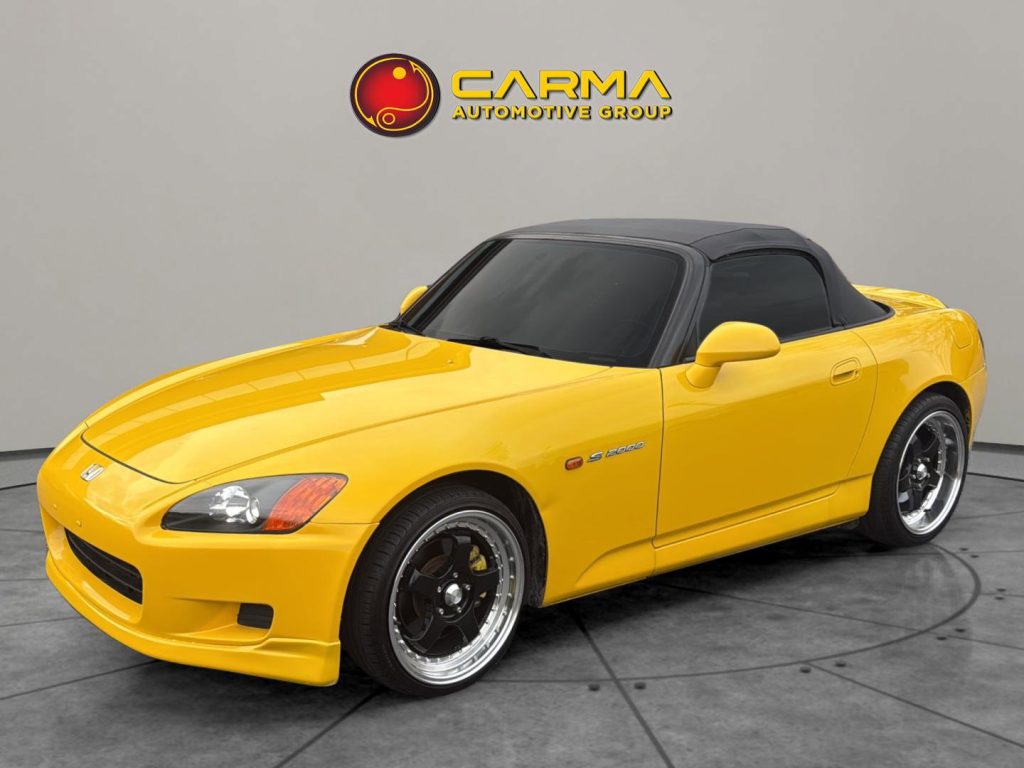
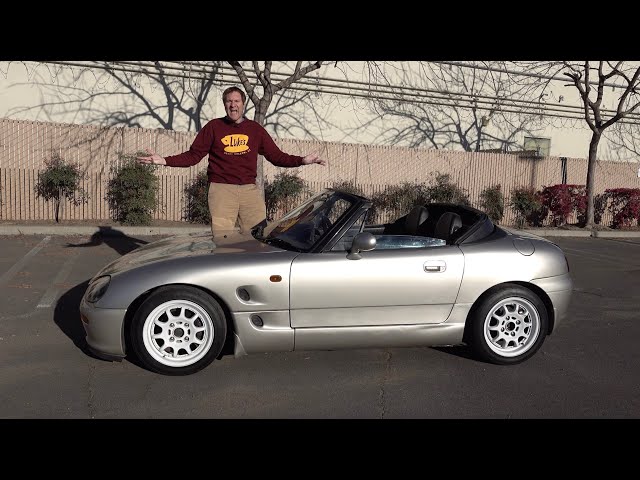
The Suzuki Cappuccino (1991–1997) is a kei car gem: tiny at 10 feet long, with a 657cc turbo three-cylinder making 63 hp. It’s mid-engine, RWD, and weighs just 1,600 pounds. Find one for $5,000–$7,000.
Pros: Nimble, fuel-efficient (40+ mpg); removable roof panels.
Cons: Cramped for taller drivers, limited power. It’s perfect for city zipping or as a quirky second car. Mods: Upgrade turbo for more boost.
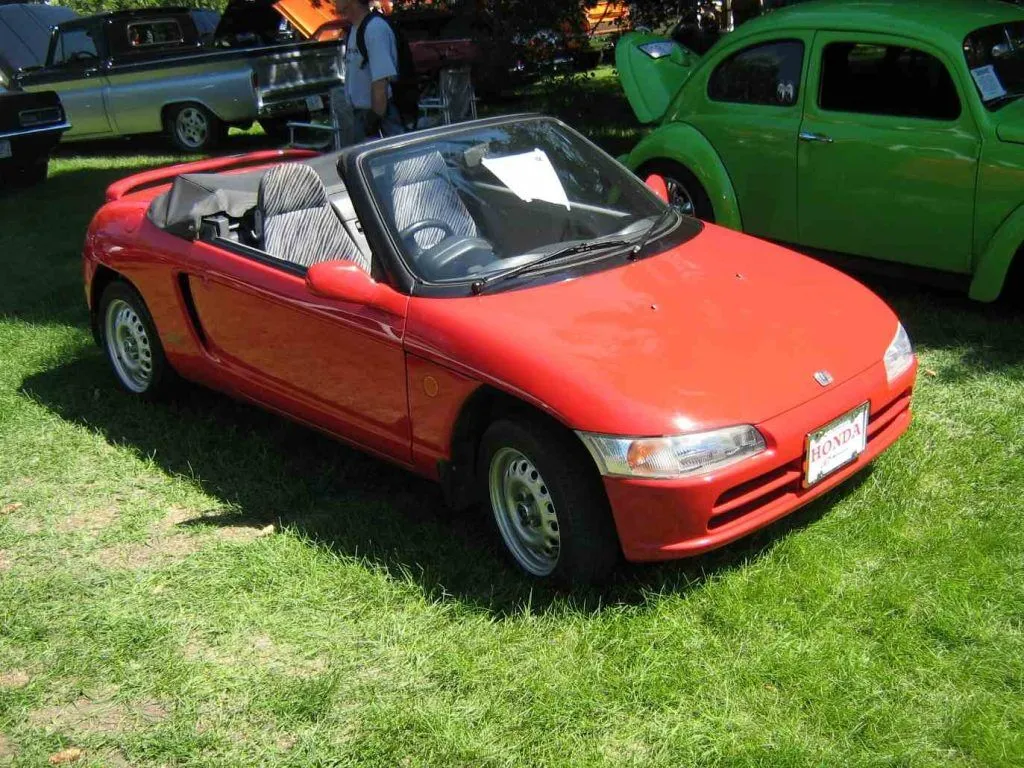
The Honda Beat (1991–1996) is another kei roadster, with a 660cc mid-engine setup producing 63 hp. Prices $4,000–$6,000.
Pros: Rev-happy motor to 8,500 rpm, open-top freedom.
Cons: Parts scarce, no airbags. It’s a collector’s delight with its Pininfarina-like styling.
Best for Tunable Hatches and Coupes
For those who love wrenching, these are mod-friendly.
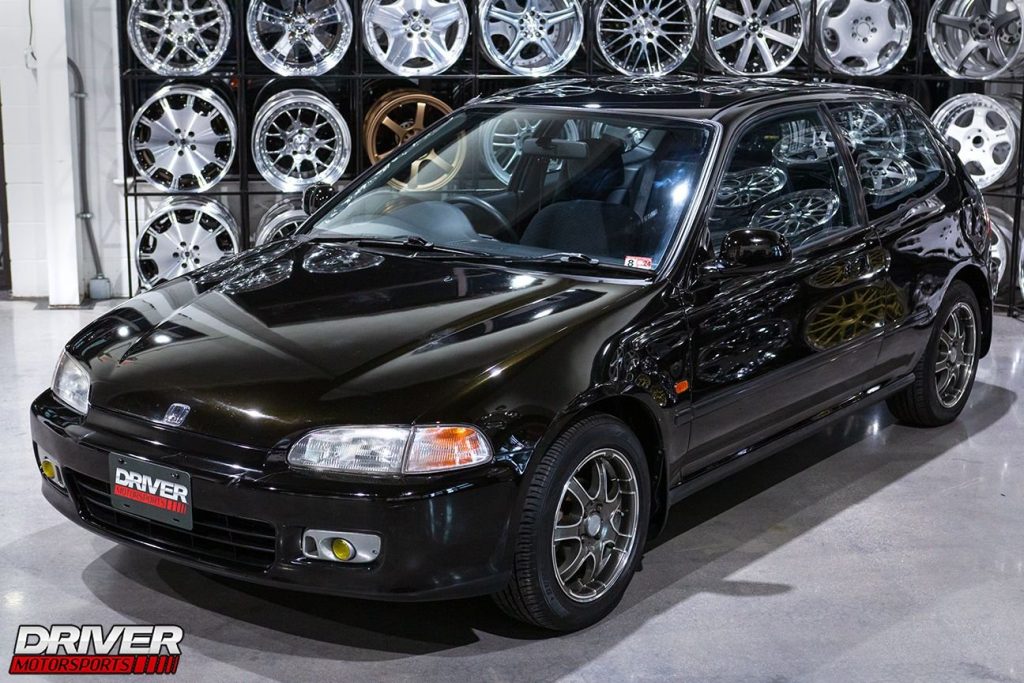
The Honda Civic (EG/EK, 1992–2000) is a tuning icon. 1.5L–1.6L engines, 70–125 hp stock, but B-series swaps unlock potential. Prices $3,000–$7,000.
Pros: Cheap parts, huge community; lightweight for agility.
Cons: Theft risk, rust in floors. History: Dominated 90s racing scenes. Mods: K-swap for 200 hp, or coilovers for stance.
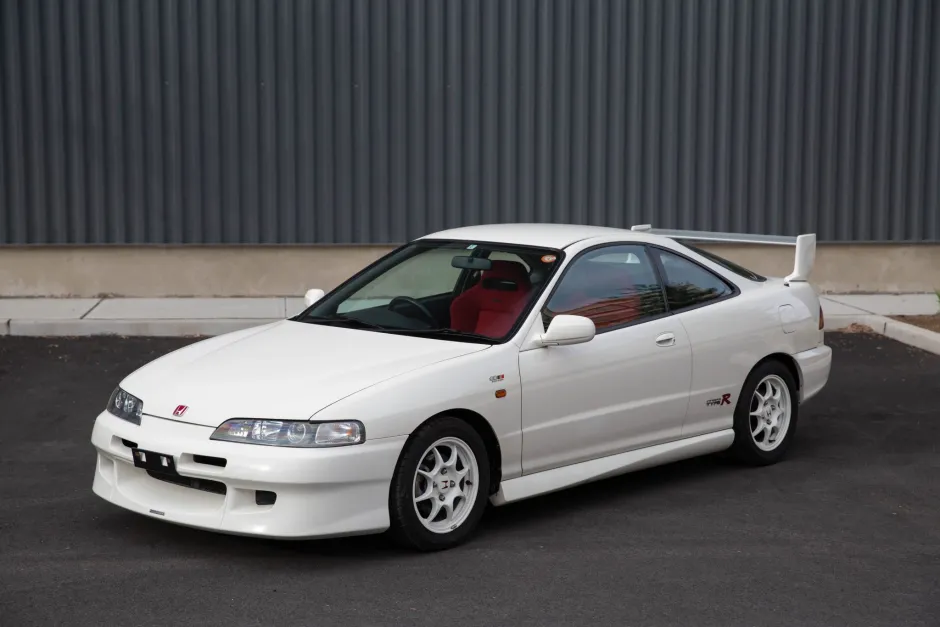
The Acura Integra (DC2, 1994–2001) shares Honda DNA but with premium touches. 1.8L VTEC engine, up to 195 hp in Type R. $6,000–$9,000.
Pros: Precise shifting, strong brakes.
Cons: Premium fuel recommended. It’s a track star stock. Mods: Header and intake for gains.
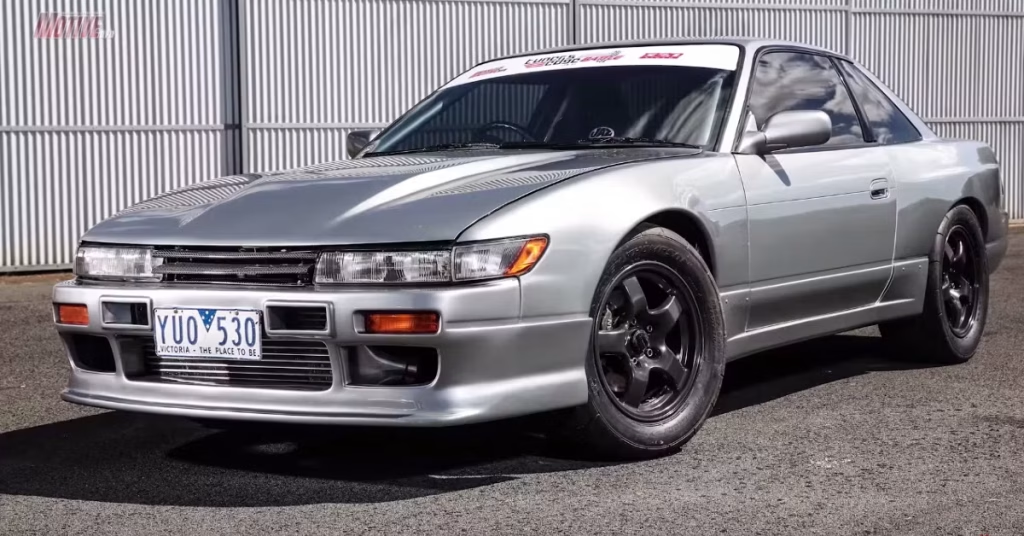
Nissan Silvia (S13, 1989–1994) is drift royalty. 2.0L SR20DET turbo in some, 200 hp. $5,000–$8,000.
Pros: Balanced chassis, aftermarket heaven.
Cons: Rust-prone frames. Mods: Coilovers, LSD for sliding.
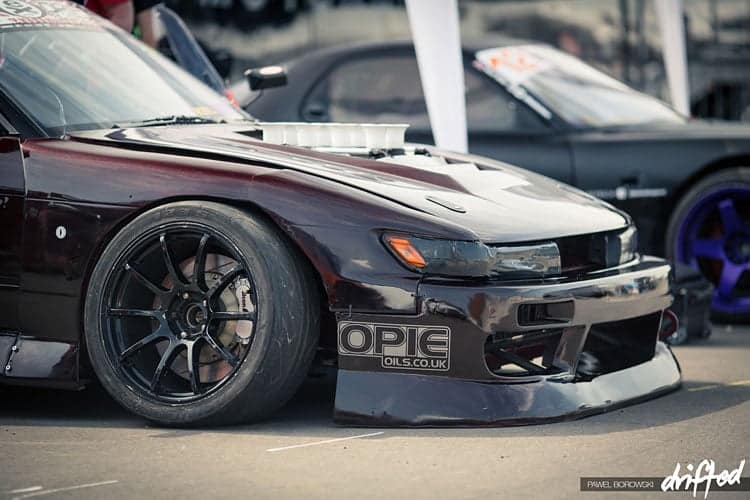
Nissan 240SX (S13/S14, 1989–1998) is the US version, often swapped with SR20. $4,000–$7,000.
Pros: RWD layout, cheap to build.
Cons: Stock KA engine lackluster. Ideal for beginners.
Best for Performance Sedans and Sports Cars
For more practicality or power.
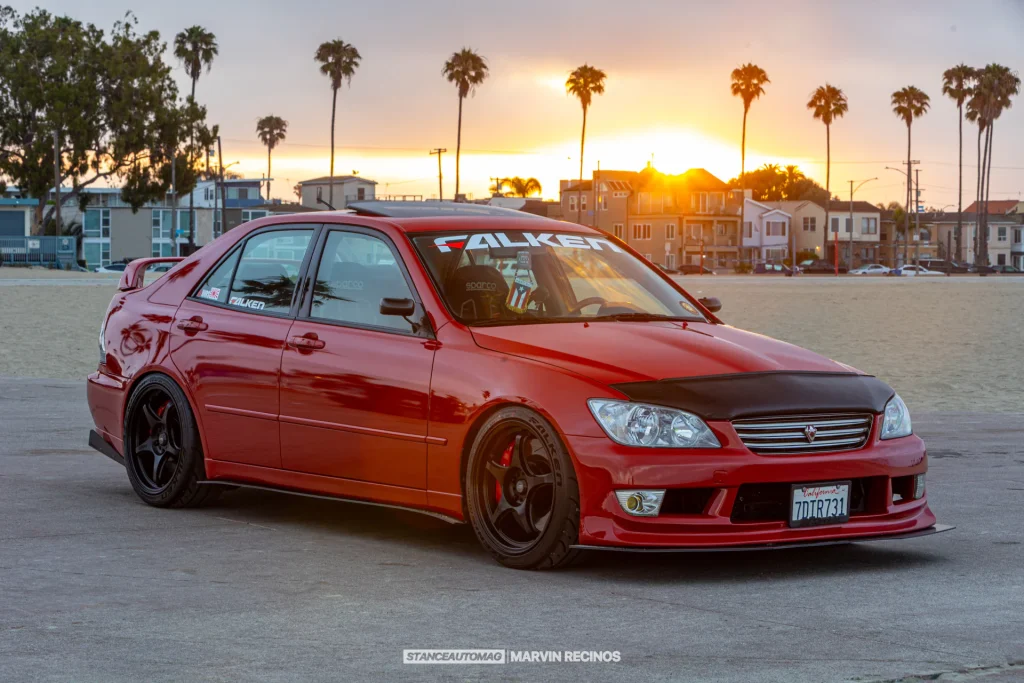
Lexus IS300 (2001–2005) has a 3.0L inline-six, 215 hp. $5,000–$8,000.
Pros: Smooth ride, luxury interior.
Cons: Auto-heavy market. Mods: 2JZ swaps for Supra-like power.
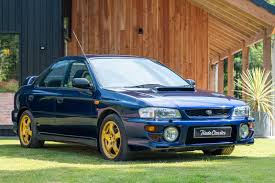
Subaru Impreza WRX (GC8, 1992–2000) offers AWD and turbo EJ20, 276 hp in JDM versions. $6,000–$9,000.
Pros: Grip in any weather.
Cons: Head gasket issues. Rally legend.
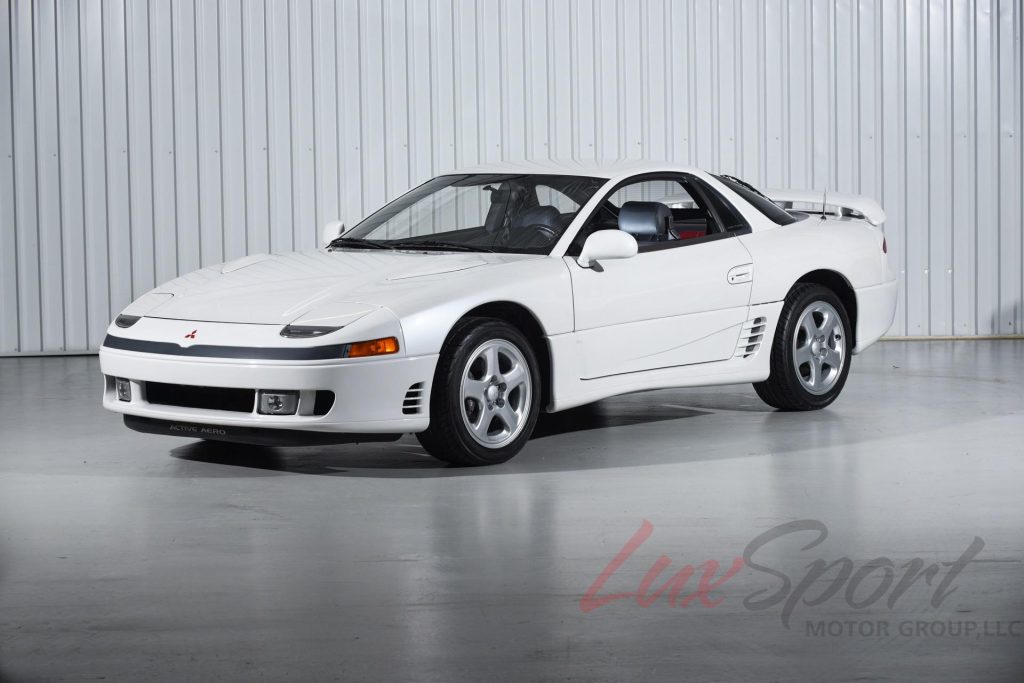
Mitsubishi 3000GT VR4 (1990–1999) is twin-turbo, AWD, 320 hp. $7,000–$10,000.
Pros: Tech-packed (active aero).
Cons: Heavy, complex repairs.
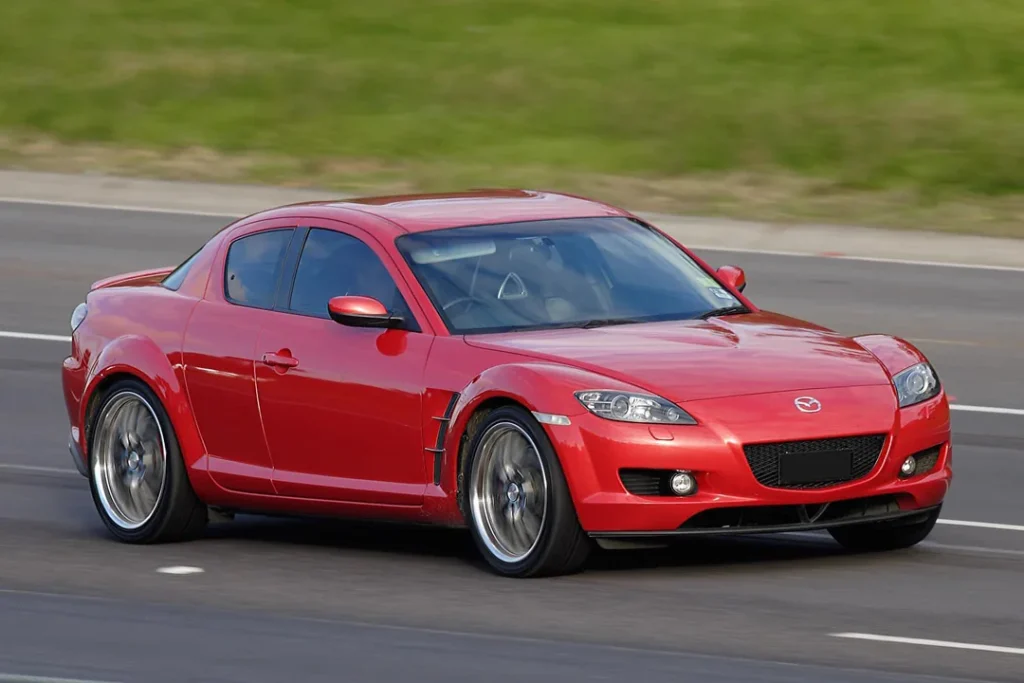
Mazda RX-8 (2003–2011) has a 1.3L rotary, 232 hp. $4,000–$7,000.
Pros: Unique engine sound, handling.
Cons: Fuel thirst, seal wear.
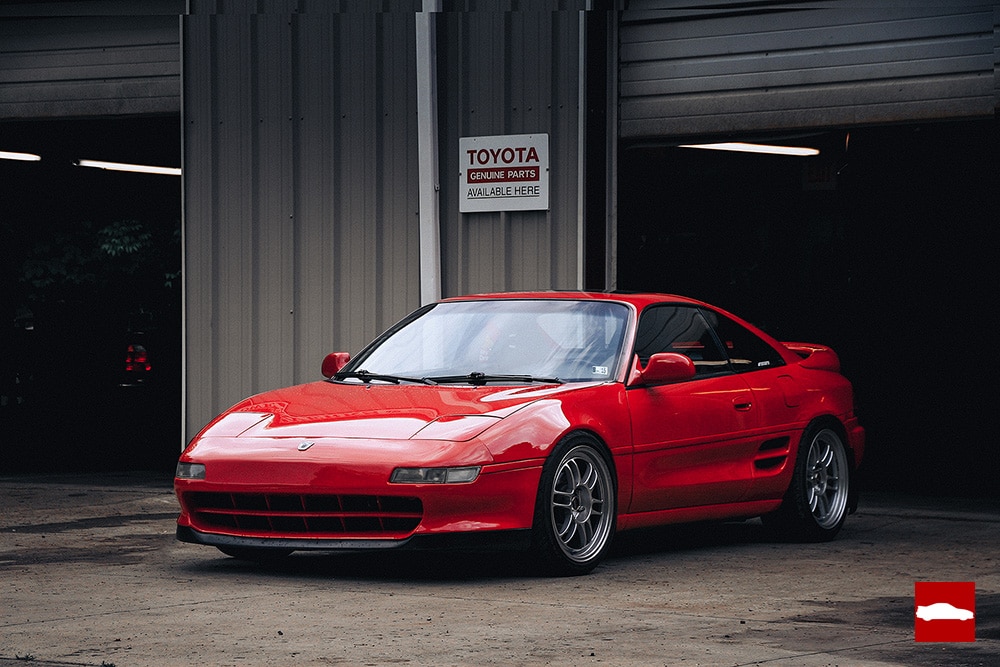
Toyota MR2 (SW20, 1989–1999) is mid-engine, turbo available (220 hp). $5,000–$8,000.
Pros: Balanced dynamics.
Cons: Snap oversteer if pushed.
Places to Buy Cheap JDM Cars in the US
Finding a solid cheap JDM car in the US comes down to knowing where the inventory lives and how the market works in 2026. With more 2001-era models now legal under the 25-year import rule, options have expanded, but prices for desirable stuff like clean Silvias or Integras still vary wildly depending on condition, mileage, and location. The good news is you don’t have to fly to Japan or deal with auctions directly if you’re starting out, plenty of established dealers, online marketplaces, and local avenues handle the heavy lifting for you.
I’ll break this down into the main categories: specialized JDM dealerships and importers (often the safest bet for vetted, titled cars), online marketplaces and classifieds (great for browsing and deals), auction sites (for potentially lower prices if you’re patient), private sales and local options (Facebook Marketplace, Craigslist), and a few tips on what to watch for no matter where you look. Many of these places focus on cars under $10,000 or close to it, especially kei trucks, older Miatas, Civics, and basic imports.
Specialized JDM Dealerships and Importers
These are physical or online-based businesses that import, recondition, title, and sell JDM cars directly in the US. They handle compliance (EPA/DOT where needed), provide warranties in some cases, and often let you inspect or test drive. They’re usually the most reliable for beginners because the cars come with clean titles and less risk of hidden issues.
JDMSupply.com stands out as one of the largest dedicated marketplaces for Japanese vehicles in the US. It’s an online platform where dealers and private sellers list everything from kei trucks to sports cars. You’ll see plenty of affordable finds here, like Suzuki Jimnys, Subaru Sambars, or older Miatas, often in the $5,000 to $15,000 range, with many under $10k depending on the model and condition. They focus exclusively on JDM, so filtering for budget options is straightforward, and listings include detailed photos, mileage, and location (many in Washington state or West Coast hubs).
JDMBuySell.com is another go-to online marketplace. It’s built specifically for JDM enthusiasts, connecting buyers with importers, exporters, dealers, and private sellers across the US, Canada, UK, Japan, and Australia. Thousands of listings mean you can find cheap classics or project cars easily—think Honda Beats, Nissan 240SX swaps, or basic Civics under $10,000. Reviews are generally positive for its variety, though always verify seller ratings and get a pre-purchase inspection.
Toprank Importers (based in California) specializes in legal JDM imports over 25 years old. They source from Japanese auctions and partners, handle shipping, customs, and compliance, and sell landed cars ready for the road. While they carry higher-end stuff like R32/R33 Skylines, they also have more affordable options in the under-$10k space when available, especially sedans or coupes. Their site has a dedicated section for upcoming eligible models, which is handy for planning buys in 2026.
Japanese Classics operates out of a large facility and imports high-quality RHD vehicles directly. They recondition everything in-house (mechanical and body work), so cars tend to be turn-key. Inventory includes budget-friendly picks like Toyota bBs, Celicas, or Pajero models around $10,000–$20,000, but you can spot deals under $10k on older or higher-mileage units. They’re known for reliability and concierge-level service.
Duncan Imports & Classic Cars in Christiansburg, Virginia, has one of the biggest selections of RHD JDM vehicles in North America. They import Daihatsu, Suzuki, Mitsubishi kei trucks/vans, and more without passing on extra auction fees. This is a strong spot for ultra-cheap practical JDMs—think minitrucks or vans under $10,000—and they ship nationwide. Great if you’re after something unique and utilitarian.
Kuruma Imports in Miami, Florida, is Florida’s largest JDM dealership since 2014. They stock over 100 right-hand-drive cars and trucks, many affordable like older Hondas, Nissans, or kei options. Financing and shipping are available, making it accessible even if you’re not local.
Other solid importers include JDM Expo (with a New York branch for already-imported, legal cars you can visit and drive home), The Import Guys (large inventory, though skewed higher-end), RHD Motorsports (focus on authentic, hand-selected classics), and Shifterco in Denver (quality sourcing and brokering).
Online Marketplaces and Auction Sites
For broader searching, Bring a Trailer and Cars & Bids are excellent for vetted, enthusiast-grade JDMs. Auctions here often feature detailed histories, photos, and bidding wars, but you can snag deals on Miata NA/NBs, 240SXs, or Integras under $10k if you’re patient. These platforms attract serious buyers, so condition is usually better than raw private sales.
eBay Motors and Craigslist remain classics for local or nationwide deals. Search “JDM import” or specific models + “RHD” in your area—plenty of private sellers offload clean examples. Facebook Marketplace is huge right now for budget JDMs; groups like JDM cars for sale or regional import communities often have under-$10k listings with photos and direct contact.
Private Sales and Local Finds
Don’t overlook local car meets, enthusiast forums (like Reddit’s r/JDM or club events), or word-of-mouth. Many owners sell directly to avoid dealer markups. Check state-specific import rules (California is stricter on emissions), but most 25-year+ cars are straightforward to register.
Tips for Buying Cheap JDM Safely
No matter the source, always get a pre-purchase inspection from a JDM-savvy mechanic—rust, mileage tampering, and engine health are common issues. Verify titles (clean, no salvage), service records, and import compliance docs. Budget extra for transport (if not local), registration, and initial fixes. West Coast (CA, WA) has the most inventory due to ports, but nationwide shipping is common and affordable ($1,000–$2,000 typically).
In short, start with JDMSupply or JDMBuySell for easy browsing, hit up Duncan or Kuruma for variety in practical cheapies, or go to Toprank/Japanese Classics for more curated imports. With patience, you can land a fun, reliable JDM under $10k without too much hassle.
Price Comparison Table
| Car Model | Typical Price Range | Best Use | Reliability Rating |
|---|---|---|---|
| Mazda MX-5 Miata | $4,000–$8,000 | Road trips, autocross | High |
| Honda Civic EG | $3,000–$7,000 | Daily driver, tuning | High |
| Nissan 240SX S13 | $4,000–$7,000 | Drift builds | Medium-High |
| Subaru Impreza GC8 | $6,000–$9,000 | All-weather performance | Medium |
| Acura Integra DC2 | $6,000–$9,000 | Track days | High |
| Lexus IS300 | $5,000–$8,000 | Comfortable cruiser | High |
| Mitsubishi 3000GT VR4 | $7,000–$10,000 | Power-focused | Medium |
| Toyota MR2 SW20 | $5,000–$8,000 | Mid-engine fun | High |
| Mazda RX-8 | $4,000–$7,000 | Rotary enthusiasts | Medium |
| Honda S2000 AP1 | $8,000–$10,000 | Weekend convertible | High |
| Suzuki Cappuccino | $5,000–$7,000 | Kei car novelty | High |
| Honda Beat | $4,000–$6,000 | Compact roadster | High |
Maintenance Tips for Keeping Your Cheap JDM Car Running Strong
Owning a cheap JDM means proactive care.
Start with oil: Use synthetic like 5W-30, change every 3,000–5,000 miles to protect high-rev engines. Timing belts on Hondas and Nissans need replacement every 60,000 miles to avoid catastrophic failure.
Flush coolant annually; JDMs run hot in US climates.
Check fluids; brake, transmission, power steering, monthly.
Rust is enemy number one: Apply undercoating, wash regularly, inspect wheel arches.
Tires: Rotate every 5,000 miles for even wear; align after mods. For rotaries like RX-8, premix oil in fuel to lubricate seals.
DIY basics: Air filter swaps, spark plugs.
Pro tips: Join clubs for group buys on parts. With this, your $5k buy can last 200k+ miles.
Common Problems with Affordable JDM Cars and How to Avoid Them
Buying a cheap JDM car under $10,000 can feel like scoring a steal, especially when you factor in the driving enjoyment, tuning potential, and that unique Japanese engineering. But these older imports, often 20–30 years old by 2026, come with their share of headaches.
Many issues stem from age, how the cars were used and maintained in Japan (milder winters mean less factory rust protection), the journey across the ocean, and then exposure to US conditions like road salt in northern states. The biggest culprits are rust, parts sourcing challenges, specific engine/transmission quirks, and electrical gremlins from aging components. Addressing them early saves thousands in repairs and keeps the car enjoyable instead of a money pit.
Rust: The Number One Killer
Rust tops the list for almost every affordable JDM model, especially those imported from coastal or northern Japanese regions where salt exposure happens, even if less than in the US. Japanese cars weren’t built with heavy undercoating like many American vehicles, so once rust starts, it spreads fast if ignored.
Common spots vary by model. On Mazda MX-5 Miatas (NA and NB generations), look at rocker panels, wheel arches (especially rear), floor pans, frame rails, trunk/jack wells, and door sills. NBs often hide rust better under engine trays or in chassis legs, so it can get bad before showing. Honda Civics (EG/EK) frequently rot in floors, trunk areas, wheel wells, and rear quarters; high-mileage examples from salty areas suffer most. Nissan 240SX/Silvia S13s are notorious for frame rail rot (inside out from clogged drains), battery tray corrosion, rear wheel wells, hatch areas (especially if a factory spoiler was removed), and subframe bushings leading to hidden damage.
Subaru Impreza GC8 WRXs can develop rust in rear arches and underbody seams. Even kei cars like Suzuki Cappuccino or Honda Beat show it in wheel wells and floors if neglected.
How to avoid it: Always do a thorough underbody inspection—jack the car up and use a flashlight/mirror. Poke suspicious spots with a screwdriver to check for softness. Get a pre-purchase inspection from a shop experienced with JDMs. If buying sight-unseen (common with imports), insist on detailed photos/videos of the underside. Once owned, apply rust inhibitors like POR-15 or Fluid Film annually, especially after winter. Wash the undercarriage regularly, avoid salted roads when possible, and fix small bubbles immediately. A good rustproofing treatment right after purchase pays off big time.
Parts Availability and Sourcing Challenges
JDM-specific parts aren’t always at your local AutoZone. Things like interior trim, body panels, or model-specific sensors can be tough to find stateside, driving up costs and wait times. Even common items like timing belts or suspension bits might need ordering from Japan or specialty suppliers.
This hits harder on rarer models (Cappuccino, Beat, or older Silvias) versus mainstream ones (Civic, Miata) with huge aftermarket support. Electrical parts; fuses, relays, wiring harness sections, age poorly and cause random gremlins like flickering lights or dead gauges.
How to avoid it: Stick to popular models with strong communities (Miata, Civic, 240SX) for easier sourcing. Use sites like RockAuto, eBay, Amayama, or JDM specialists (JDMSupply, RHDJapan) for OEM equivalents. Join forums (Miata.net, Honda-Tech, 240SX.org, Reddit’s r/JDM) for group buys, used part swaps, and DIY guides. Budget extra for shipping on rare bits, and keep spares of wear items like belts, filters, and fluids on hand.
Engine-Specific Issues
Certain engines have well-known weak points in budget JDMs.
Mazda RX-8 rotaries suffer apex seal wear, leading to low compression, hard starts (especially cold), rough idling, poor power, and eventual engine failure. Seals need proper lubrication; many failures come from low oil, infrequent premix (adding 2-stroke oil to fuel), or neglected maintenance. Flooding is common if not started regularly.
Subaru GC8 Impreza WRX (EJ20/EJ25) often faces head gasket failures; external oil/coolant leaks, overheating, white exhaust smoke, or milky oil. Earlier 2.5L variants were worst; symptoms include coolant loss without visible leaks.
Honda B-series or D-series in Civics/Integras are generally bulletproof but watch for oil leaks, worn timing belts (snap can bend valves), or VTEC solenoid issues in higher-spec models.
Nissan SR20DET in Silvias/240SX swaps can have timing chain guide failures, oil leaks, or boost-related wear if tuned hard.
How to avoid it: Compression test rotaries before buying; healthy RX-8s should hit solid numbers across rotors. For Subarus, check for leaks around heads and monitor coolant/oil levels. Always verify timing belt history (replace every 60k–90k miles). Drive gently until you know the car’s history, use quality fluids, and follow maintenance schedules religiously.
Transmission and Drivetrain Wear
Manual transmissions in these cars are durable but wear synchros from aggressive driving or neglected fluid changes, grinding shifts or popping out of gear. Autos (less common in fun JDMs) can slip or overheat. AWD Subarus add transfer case or diff issues if abused.
Clutches wear faster in high-mileage tuned examples.
How to avoid it: Test drive for smooth shifts and no unusual noises. Change transmission/diff fluid if unknown history (use proper spec like GL-5). Avoid cars with obvious abuse signs.
Electrical and Miscellaneous Gremlins
Aging wiring causes shorts, bad grounds, or failing alternators/starters. Window regulators fail, AC compressors seize, and convertible tops (Miata, S2000) tear or leak.
How to avoid it: Check all electrics during inspection; lights, windows, gauges. Budget for refresh items like battery, alternator, or fuses.
Bottom line: These problems aren’t deal-breakers if you buy smart. Prioritize low-rust examples from dry climates, get inspections, maintain proactively, and lean on the enthusiast community. A well-cared-for cheap JDM can run strong for years and deliver way more smiles than headaches.
Frequently Asked Questions (FAQ)
Q: Are cheap JDM cars legal in the US?
A: Yes, if over 25 years old; 2001 models qualify in 2026 by build month.
Q: What’s the best cheap JDM for beginners?
A: Mazda Miata: forgiving, cheap parts.
Q: Do JDM cars use more fuel?
A: Not typically; many get 25–35 mpg, but rotaries sip more.
Q: How to import a JDM car under $10k?
A: Use services like Toprank; total cost including fees ~$2k extra.
Q: Are they reliable daily drivers?
A: Absolutely, with maintenance; Hondas excel here.
Conclusion
From the agile Miata to the punchy WRX, cheap JDM cars under $10k offer unbeatable value in 2026. They blend reliability, fun, and mod potential in ways few domestics can match. Whether you’re importing a fresh 2001 model or snagging a local find, prioritize inspection and care to enjoy years of driving pleasure.
What’s your favorite budget JDM? Drop a comment below or head to JDMSupply to start hunting!
