

Let’s be honest. Most people don’t want a car just to get from point A to point B. They want something that turns heads in a parking lot. Something that makes the neighbor pause for a second. Something that makes coworkers assume you just got a raise.
That desire is exactly why searches for cheap cars that look expensive continue to grow across the United States.
Because today, image matters just as much as function. But here’s the reality most buyers run into. Owning a true luxury vehicle is not just about the purchase price.
Brands like BMW, Mercedes-Benz, and Audi are known for premium engineering, but that comes with long-term costs many buyers underestimate.
Beyond the sticker price, you’re also paying for:
- Higher insurance premiums
- Expensive maintenance and specialized parts
- Premium fuel requirements
- Rapid depreciation in the first few years
- Unexpected repair costs (often hundreds or thousands of dollars per visit)
That sleek dashboard warning light? It can easily cost more than your monthly rent to fix.
This is why many Americans start searching for affordable cars that look luxurious instead of buying brand-new luxury models.
This is not just another list of random vehicles.
This guide is designed to help US buyers make smart, value-driven decisions when searching for cheap cars that look expensive.
Inside, you’ll discover:
- The best cheap sedans that look like luxury cars
- Affordable SUVs with premium styling and presence
- Used luxury cars that now cost the same as economy vehicles
- Budget sports cars that deliver exotic looks for less
- The key factors that make a car look expensive
- Hidden ownership costs most buyers overlook
- Where to buy safely in the United States
- How to upgrade the look of any car on a budget
What a “Luxury Look” Really Means in 2026
When people say a car looks expensive, they usually mean:
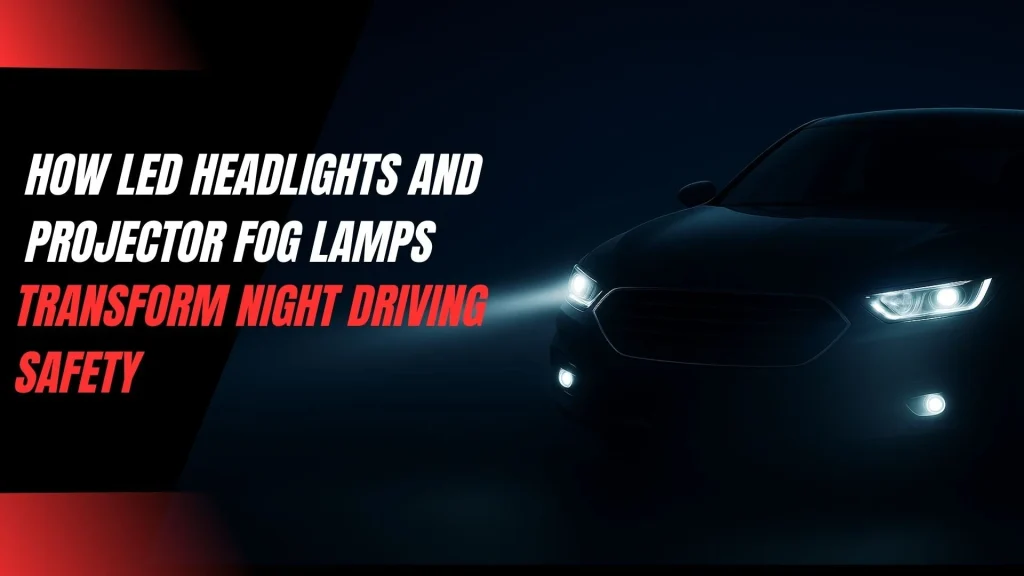
• Sharp LED headlights
• A wide, aggressive grille
• Large alloy wheels
• Low, planted stance
• Chrome or gloss-black accents
• Clean body lines
• A modern, tech-forward interior
Luxury today is more about design language than brand badge.
In fact, some mainstream brands now design cars that visually compete with vehicles twice their price. Meanwhile, many true luxury cars depreciate so heavily that you can buy them used for the cost of a new economy sedan.
That’s the opportunity.
Because the used market in the US is full of vehicles that once cost $45,000 to $70,000 but now sell for under $20,000. At the same time, newer affordable brands are stepping up their design game to attract buyers who want status without debt.
The result?
You can drive something that looks executive-level for the price of a compact commuter.
Why This Guide Is Different
Most articles online simply list random cars and call it a day.
This guide goes deeper.
For every vehicle category, we’ll break down:
• Average used price in the US
• Why it looks expensive
• Reliability expectations
• Insurance cost considerations
• Maintenance red flags
• Who should buy it
• Who should avoid it
Because looking rich is great.
Looking rich while staying financially smart is better.
If you’ve ever searched:
cheap cars that look expensive
affordable luxury looking cars
used luxury cars under 20k
cheap SUV that looks high end
budget sports cars that look exotic
You’re exactly who this article was written for.
Now let’s break down the design secrets that separate a basic budget car from one that makes people think you upgraded your life.
Ready?
What Makes a Cheap Car Look Expensive
Before we start listing specific models, you need to understand something important.
Price does not determine presence.
Two cars can cost the same amount. One looks forgettable. The other looks like it belongs outside a five-star hotel.
The difference comes down to design strategy, visual weight, brand perception, and timing in the depreciation cycle.
If you understand these factors, you will never overpay for “luxury” again.
1. Exterior Design Cues That Signal Wealth
When people perceive a car as expensive, they are reacting to visual signals.
Here are the strongest ones:
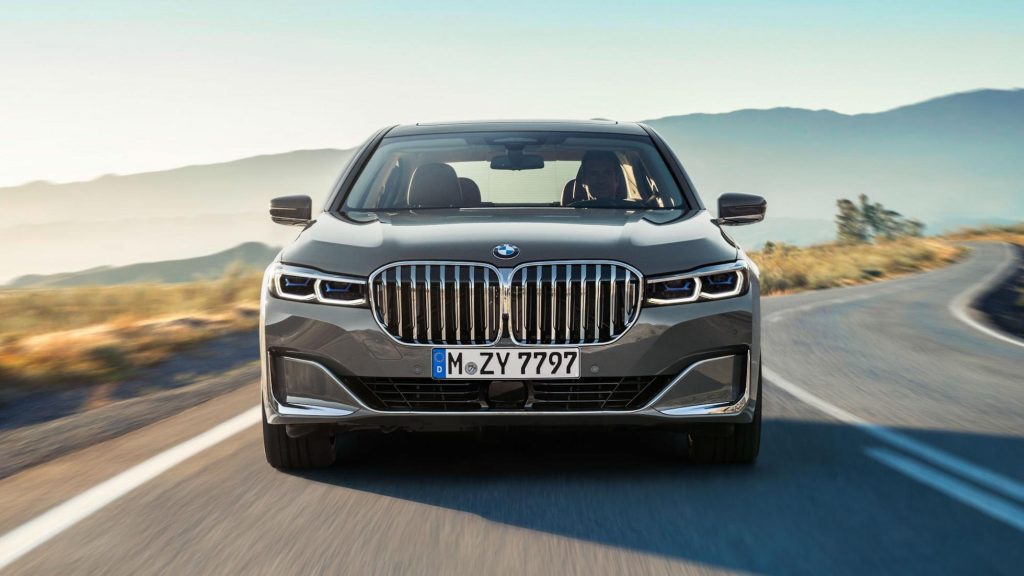
LED Headlights and Tail Lights
Modern LED signatures instantly elevate a vehicle. Sharp daytime running lights and aggressive headlamp shapes create a high-end look even if the car is affordable.
Large, Bold Grilles
A wide, dominant grille gives a car authority. It creates presence on the road and mimics the styling language of high-end European brands.
Low, Wide Stance
Cars that sit lower and appear wider look more athletic and premium. Even subtle differences in body proportions can change how expensive a car appears.
Bigger Alloy Wheels
Small steel wheels scream budget. Large multi-spoke alloy wheels give instant luxury vibes. Many affordable used cars come with upgraded trims that include these.
Clean Body Lines
Sharp creases and sculpted sides create depth. Flat, basic panels look cheaper.
Paint Color Matters
Black, pearl white, metallic gray, and deep blue often look more expensive than bright economy colors.
These features create a psychological reaction. Even people who know nothing about cars subconsciously read these signals as “expensive.”
2. Interior Details That Create a Luxury Illusion
The inside matters just as much as the outside.
A car can look incredible on the street, but if the interior screams economy, the illusion disappears.
Here’s what elevates the feel:
Leather or Leatherette Seats
Cloth seats instantly lower perceived value. Even synthetic leather dramatically improves appearance.
Ambient Lighting
Soft interior lighting at night makes a huge difference. It feels high-tech and upscale.
Digital Gauge Clusters
Modern instrument displays look far more expensive than analog dials.
Large Infotainment Screens
A wide, tablet-style screen gives the cabin a contemporary luxury feel.
Minimalist Dashboard Layout
Clean designs look premium. Too many buttons look dated.
Soft-Touch Materials
Even partial soft-touch surfaces improve the impression.
When shopping for cheap cars that look expensive, always consider higher trim levels. The base model might look ordinary. The premium trim often looks like a different car.

3. Brand Perception vs Real Cost
This is where most people misunderstand the market.
Some mainstream brands now design vehicles that look like luxury cars but cost far less.
At the same time, traditional luxury brands lose value fast.
For example:
A five-year-old luxury sedan from brands like BMW or Mercedes-Benz can lose 50 percent or more of its original value.
Meanwhile, brands like Mazda and Hyundai have dramatically improved their design language, offering luxury-inspired styling at mainstream prices.
This creates two smart buying paths:
Path 1: Buy a newer non-luxury car that looks premium
Path 2: Buy a depreciated luxury car at the right price
Both can give you the expensive look.
The key is knowing which models offer the best balance of style, reliability, and ownership cost.
4. Depreciation Is Your Secret Weapon
Here’s the truth.
The first owner of a luxury car pays for the badge.
The second owner benefits from the styling.
Many luxury vehicles lose thousands of dollars per year in value during the first few years. That means a car that once cost $55,000 might now sell for $18,000.
If it has been maintained properly, you get:
• Premium design
• Luxury interior
• Brand prestige
• Advanced features
For the price of a mid-level commuter car.
But there’s a catch.
Maintenance and repairs can still reflect the original luxury price.
That’s why this guide will not just show you cheap cars that look expensive. It will show you which ones are smart and which ones can quietly drain your wallet.
Best Cheap Sedans That Look Expensive
Sedans are the easiest way to pull off the “luxury without the luxury price” look.
Why?
Because executive cars have traditionally been sedans. Long body. Wide stance. Clean lines. Subtle aggression. When done right, even an affordable four-door can look like it belongs in a corporate parking garage.
Below are some of the best cheap cars that look expensive in sedan form, especially in the US used market.
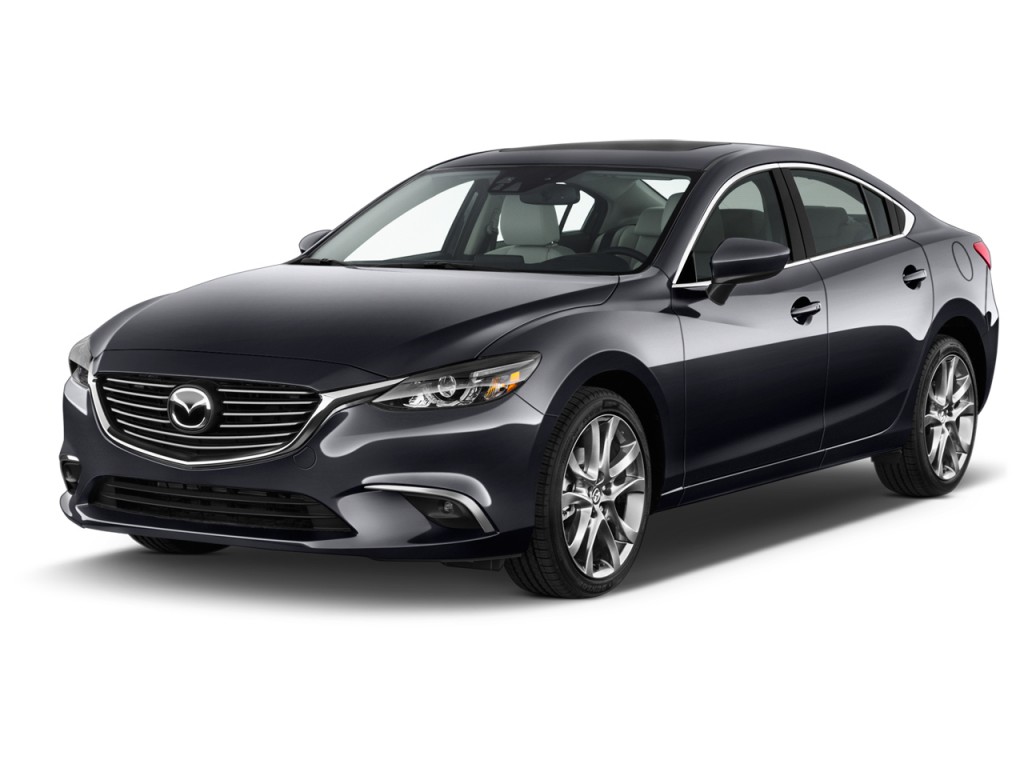
1. Mazda6
Average Used Price in the US
$12,000 to $20,000 depending on year and trim
Why It Looks Expensive
The Mazda6 has one of the cleanest and most upscale designs in the mainstream sedan market. The long hood, slim LED headlights, and sculpted body lines give it a European luxury vibe. In higher trims, the front grille looks remarkably premium.
Interior Impressions
Upper trims feature leather seats, real stitching, soft-touch surfaces, and a clean dashboard layout. It feels far more expensive than its resale value suggests.
Reliability and Ownership
Mazda has a strong reliability reputation. Maintenance costs are reasonable compared to true luxury brands.
Best For
Professionals who want executive energy without luxury-brand maintenance bills.
2. Hyundai Sonata
Average Used Price
$13,000 to $22,000
Why It Looks Expensive
The newer Sonata models have bold LED lighting and a futuristic front end. The wide grille and sleek profile give it serious presence.
Interior Advantage
Digital displays and modern infotainment systems make it look high-tech. Some trims rival entry-level luxury sedans in appearance.
Reliability
Hyundai’s warranty reputation adds peace of mind, especially for certified pre-owned units.
Best For
Buyers who want modern tech and bold styling without paying luxury prices.
3. Chrysler 300
Average Used Price
$10,000 to $18,000
Why It Looks Expensive
The Chrysler 300 is one of the strongest “cheap but looks rich” cars in America. Its large body, upright grille, and bold stance resemble high-end European sedans from a distance.
Presence Factor
It looks substantial. Wide. Confident. Executive.
Interior Feel
Higher trims offer leather seating and upscale finishes that enhance the illusion.
Ownership Considerations
Fuel economy is average, and insurance may be slightly higher than compact sedans, but maintenance remains manageable.
Best For
Drivers who want maximum road presence on a tight budget.
4. Toyota Avalon
Average Used Price
$14,000 to $23,000
Why It Looks Expensive
The Avalon has long been Toyota’s near-luxury sedan. Its design is refined, mature, and polished.
Interior Comfort
Spacious, quiet, and well-appointed. Many trims come with leather and premium audio systems.
Reliability
Toyota’s long-term reliability reputation makes this one of the safest bets in this category.
Best For
Buyers who want a luxury look with minimal ownership stress.
5. Kia K5
Average Used Price
$16,000 to $24,000
Why It Looks Expensive
The K5’s aggressive front fascia and sleek roofline give it a sports-luxury feel. It looks modern and upscale.
Interior Technology
Large screens, digital clusters, and ambient lighting in certain trims create a premium experience.
Reliability
Kia has significantly improved reliability over the past decade.
Best For
Younger buyers who want something stylish, modern, and attention-grabbing.
Quick Comparison Snapshot
Model | Looks Factor | Reliability | Maintenance Cost | Presence Level
Mazda6 | High | High | Moderate | Strong
Hyundai Sonata | High | Good | Moderate | Modern
Chrysler 300 | Very High | Moderate | Moderate | Very Strong
Toyota Avalon | High | Very High | Low | Refined
Kia K5 | Very High | Good | Moderate | Sporty
Sedans are the safest category if you want a car that looks expensive but won’t financially punish you later.
But what if you want something taller, bolder, and more commanding?
Best Cheap SUVs That Look Expensive
SUVs dominate American roads for a reason.
They sit higher. They feel safer. They look powerful. And in many cases, they project more status than sedans.
The good news is you do not need a $70,000 luxury SUV to get that upscale presence. The used market and even some newer mainstream models offer serious luxury vibes at affordable prices.
Below are some of the best cheap cars that look expensive in SUV form for US buyers.
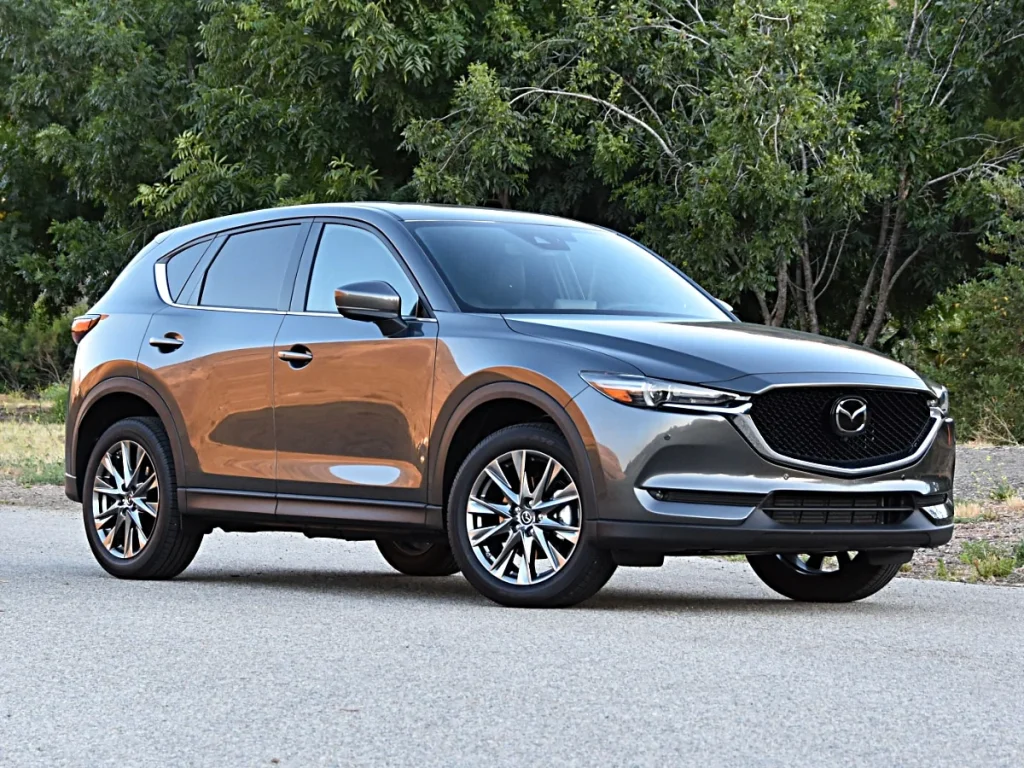
1. Mazda CX-5
Average Used Price in the US
$14,000 to $22,000
Why It Looks Expensive
Mazda’s design language punches far above its price class. The CX-5 has a sleek front end, narrow LED headlights, and a smooth, sculpted body that feels almost European.
Interior Appeal
Higher trims feature leather seats, wood-like trim, and a clean dashboard layout that feels near-luxury.
Ownership Reality
Maintenance costs are reasonable, and reliability ratings are strong.
Best For
Buyers who want a refined, upscale look without stepping into luxury-brand repair territory.
2. Hyundai Tucson
Average Used Price
$15,000 to $23,000
Why It Looks Expensive
Newer Tucson models feature bold geometric styling and dramatic LED lighting. It looks futuristic and premium from the front.
Interior Advantage
Large digital displays and modern controls give it a high-end feel.
Reliability
Hyundai’s warranty coverage and improving quality make it a smart buy in certified pre-owned form.
Best For
Drivers who want modern design and technology in a compact SUV package.
3. Ford Edge
Average Used Price
$13,000 to $20,000
Why It Looks Expensive
The Ford Edge, especially in higher trims, looks bold and upscale. The wide stance and strong front grille create presence.
Interior Feel
Leather seating and premium audio systems are common in upper trims.
Ownership Considerations
Insurance is typically reasonable, but check service history carefully when buying used.
Best For
Families who want space, comfort, and executive styling.
4. Buick Enclave
Average Used Price
$15,000 to $24,000
Why It Looks Expensive
Buick has positioned itself as near-luxury, and the Enclave reflects that. Chrome accents, elegant lines, and a smooth design give it a premium look.
Interior Comfort
Spacious, quiet, and comfortable. Many trims offer leather and upscale finishes.
Ownership
Maintenance costs are moderate. Fuel economy is average for its size.
Best For
Buyers who want a luxury feel without paying for a luxury badge.
5. Kia Telluride
Average Used Price
$22,000 to $30,000 depending on year
Why It Looks Expensive
The Telluride looks like it belongs in the same category as premium three-row SUVs. Strong body lines and an upright stance give it serious presence.
Interior Experience
Upscale materials, large screens, and refined design make it feel high-end.
Reliability
Kia’s quality improvements have made this one of the most sought-after affordable SUVs.
Best For
Families who want a luxury look without stretching into high-end pricing.
SUV Comparison Snapshot
Model | Looks Factor | Reliability | Maintenance | Presence
Mazda CX-5 | High | High | Moderate | Refined
Hyundai Tucson | Very High | Good | Moderate | Modern
Ford Edge | High | Good | Moderate | Strong
Buick Enclave | High | Good | Moderate | Elegant
Kia Telluride | Very High | Good | Moderate | Commanding
SUVs often create stronger first impressions than sedans. Height alone makes a vehicle feel more substantial and expensive.
But what if you want a real luxury badge on the hood without paying luxury money?
Used Luxury Cars That Are Now Surprisingly Affordable
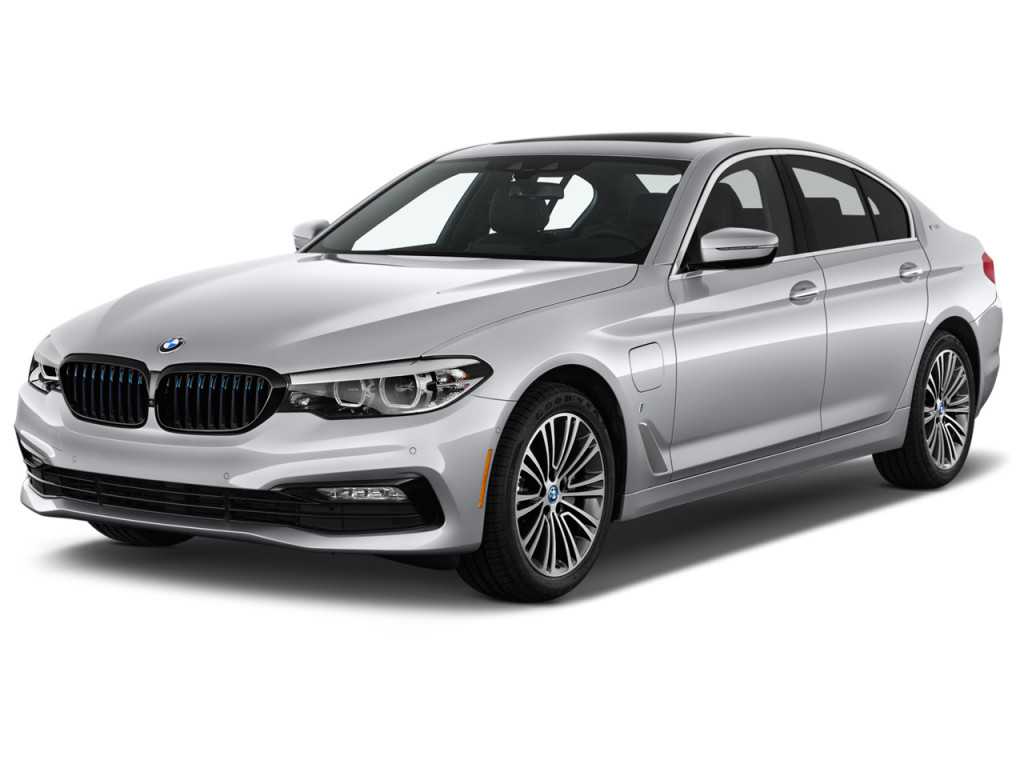
Here’s where things get interesting.
If you time the market correctly, you can drive a car that originally cost $50,000 to $70,000 for the price of a new economy sedan.
Luxury vehicles depreciate fast in the first five years. That depreciation is painful for the first owner, but it creates opportunity for the second buyer.
The key is choosing models that still look modern and upscale without becoming financial nightmares.
Below are some of the best cheap cars that look expensive when purchased used in the US market.
1. BMW 5 Series
Average Used Price in the US
$16,000 to $25,000 depending on year and mileage
Why It Still Looks Expensive
The 5 Series has classic executive proportions. Long hood, sharp LED lights, and understated aggression. Even a five-year-old model still looks current.
Interior Experience
Premium materials, digital displays, and strong build quality make it feel unmistakably upscale.
Ownership Reality
Maintenance can be expensive once out of warranty. Extended warranties are highly recommended.
Best For
Buyers who want genuine luxury presence and are prepared for higher service costs.
2. Audi A6
Average Used Price
$15,000 to $24,000
Why It Looks High-End
Audi’s clean, minimalist design ages very well. The wide grille and crisp LED lighting give it a modern appearance even years later.
Interior Appeal
Audi is known for refined interiors. Soft-touch materials and clean layouts enhance the premium feel.
Ownership Considerations
European parts and labor can be costly. Always check service history before purchasing.
Best For
Drivers who value understated, sleek luxury styling.
3. Mercedes-Benz C-Class
Average Used Price
$14,000 to $23,000
Why It Turns Heads
The C-Class carries strong brand recognition. Even non-car enthusiasts recognize the badge.
Interior Design
Floating infotainment screens and ambient lighting in newer trims create a premium atmosphere.
Ownership Costs
Insurance and repairs may be higher than mainstream sedans. Certified pre-owned models offer added security.
Best For
Buyers who prioritize brand prestige and elegant styling.
4. Lexus ES
Average Used Price
$18,000 to $26,000
Why It’s a Smart Luxury Buy
The Lexus ES blends premium styling with Toyota-backed reliability. It looks refined and mature.
Interior Comfort
Quiet ride, comfortable seats, and upscale materials.
Ownership Advantage
Lower long-term repair costs compared to German rivals.
Best For
Buyers who want luxury looks with fewer repair surprises.
5. Cadillac CTS
Average Used Price
$13,000 to $20,000
Why It Looks Premium
Sharp angles and bold styling give the CTS a strong presence. It feels distinctly upscale.
Interior Feel
Leather and metallic accents elevate the cabin.
Ownership
Maintenance is typically more affordable than European competitors but higher than mainstream brands.
Best For
Drivers who want American luxury with aggressive styling.
Important Warning About Used Luxury Cars
While these vehicles look expensive, remember this:
Repairs are based on original MSRP, not current resale price.
That means:
• Brake jobs can cost more
• Parts may be imported
• Labor rates may be higher
• Insurance premiums can increase
Always:
• Get a pre-purchase inspection
• Review maintenance records
• Consider extended warranty options
• Budget for unexpected repairs
Used luxury cars are one of the strongest ways to drive something that looks expensive without paying full price. But they require smart buying decisions.
If luxury sedans feel too formal for your style, maybe you want something more aggressive. Something louder. Something that looks exotic even if it is affordable.
Cheapest Sports Cars That Look Exotic
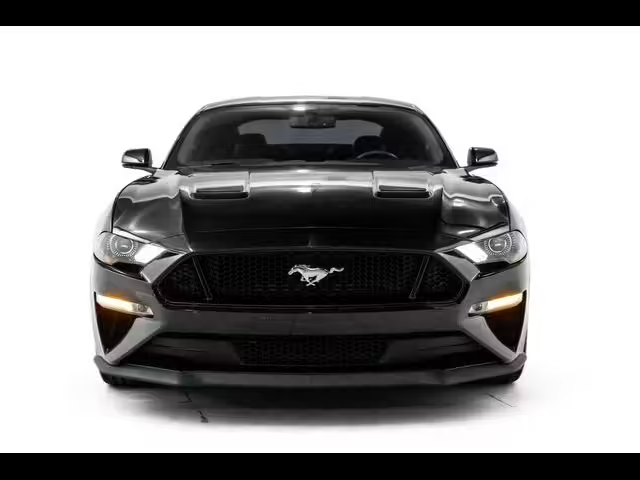
If your goal is maximum attention per dollar, sports cars deliver better than anything else.
Low stance. Wide body. Aggressive front ends. Two doors. These visual cues instantly signal performance and expense, even when the actual purchase price is surprisingly affordable.
The trick is choosing models that look dramatic without becoming mechanical nightmares.
Below are some of the best cheap cars that look expensive in the sports and muscle category for US buyers.
1. Ford Mustang
Average Used Price in the US
$14,000 to $25,000 depending on year and trim
Why It Looks Expensive
The Mustang’s long hood and muscular profile scream performance. Even base models carry the same aggressive silhouette as higher trims.
Attention Factor
People notice Mustangs. It has strong brand recognition and visual impact.
Ownership Considerations
Insurance can be higher for younger drivers. Fuel economy varies by engine choice.
Best For
Drivers who want iconic American performance styling on a budget.
2. Chevrolet Camaro
Average Used Price
$13,000 to $23,000
Why It Looks Exotic
The Camaro has a low, wide stance and sharp angles that resemble high-end performance cars from certain angles.
Interior Feel
Newer models offer digital displays and sport-focused cabins.
Ownership Reality
Visibility can be limited due to its design. Maintenance costs are manageable compared to luxury sports brands.
Best For
Buyers who want aggressive styling and muscle car presence.
3. Dodge Challenger
Average Used Price
$15,000 to $25,000
Why It Looks Expensive
The Challenger has a wide, retro-inspired design that commands space on the road. It looks substantial and powerful.
Presence
Its size alone gives it high-end road presence.
Ownership
Fuel consumption is higher, especially with larger engines. Insurance may increase depending on trim.
Best For
Drivers who want bold, unapologetic styling.
4. Hyundai Genesis Coupe
Average Used Price
$9,000 to $15,000
Why It’s a Hidden Gem
The Genesis Coupe offers sleek styling at a fraction of the price of European coupes. It often surprises people who assume it costs more.
Ownership
Generally more affordable to maintain than German sports coupes.
Best For
Buyers seeking sporty aesthetics without luxury-brand repair bills.
5. Nissan 370Z
Average Used Price
$14,000 to $22,000
Why It Looks Premium
The 370Z has a compact, muscular design that looks serious and performance-focused.
Driving Experience
It delivers genuine sports car feel at a used price point.
Ownership
Limited practicality due to two seats. Insurance may be moderate to high.
Best For
Drivers who prioritize style and driving excitement over practicality.
Sports Car Reality Check
Sports cars deliver the strongest “expensive” look for the money. But they come with trade-offs:
• Higher insurance for young drivers
• Less practicality
• Often firmer ride quality
• Higher fuel consumption
If you want attention, they deliver.
If you want subtle executive energy, sedans and SUVs may be smarter.
Now that we’ve covered sedans, SUVs, luxury badges, and sports cars, the next critical question is where to actually buy these vehicles safely in the United States without overpaying or getting burned.
Where to Buy Cheap Cars That Look Expensive in the United States
Finding the right car is only half the battle.
Where you buy it can determine whether you get a deal or overpay by thousands.
The US car market offers multiple purchasing paths, and each comes with advantages and risks. If you want a vehicle that looks expensive without actually draining your bank account, you need a strategy.
Below are the best places to buy cheap cars that look expensive, plus what to watch out for.
1. CarMax
Why Buyers Like It
CarMax is known for transparent pricing and no-haggle policies. What you see is generally what you pay.
Pros
• Large inventory
• Vehicles inspected
• Optional extended warranties
• Easier financing process
Cons
• Prices may be slightly higher than private sellers
• Less negotiation flexibility
Best For
Buyers who want convenience and lower risk, especially when buying used luxury vehicles.
2. Carvana
Why It’s Popular
Carvana allows you to buy a vehicle completely online and have it delivered.
Pros
• Convenient
• Seven-day return policy
• Nationwide inventory
Cons
• Limited ability to test drive beforehand
• Delivery timelines can vary
Best For
Buyers comfortable purchasing online who value convenience.
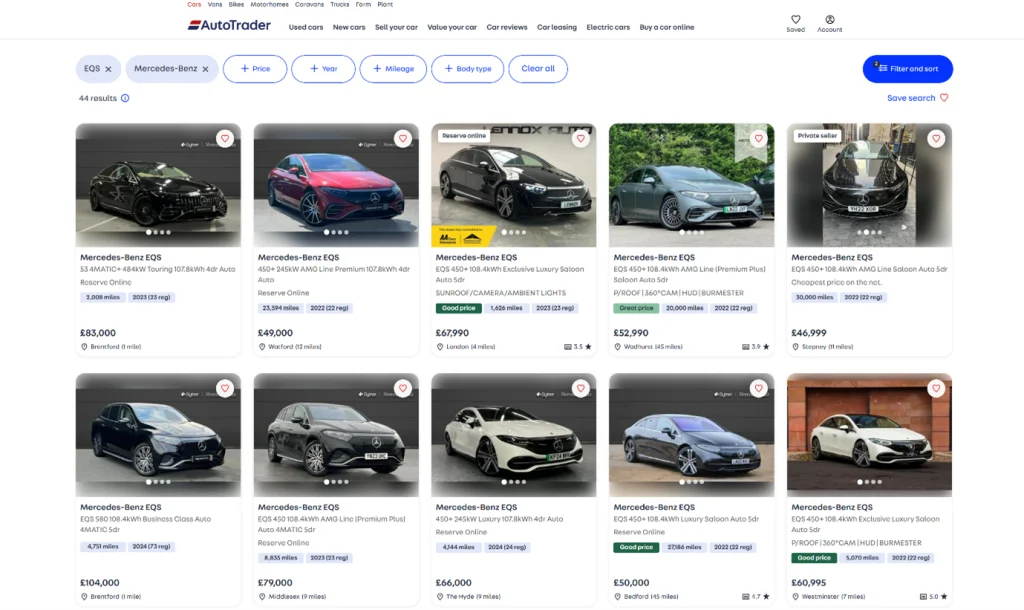
3. Autotrader
Why It’s Powerful
Autotrader aggregates listings from dealers and private sellers across the country.
Pros
• Massive inventory
• Ability to compare pricing
• Filters for trim, mileage, and features
Cons
• Quality varies by seller
• Requires research and inspection
Best For
Shoppers who want to compare multiple models and pricing ranges.
4. Cars.com
Why It’s Useful
Similar to Autotrader, it allows you to compare listings across dealers.
Pros
• Helpful research tools
• Dealer reviews
• Pricing comparisons
Cons
• You must vet sellers carefully
Best For
Buyers who want to shop locally but compare dealer reputations.
5. Facebook Marketplace
Why It Can Be a Goldmine
Private sellers sometimes offer the best prices.
Pros
• Lower prices
• Negotiation flexibility
Cons
• Higher risk
• No warranty
• Must inspect carefully
Best For
Experienced buyers who can evaluate vehicles or bring a mechanic.
Certified Pre-Owned vs Regular Used
If you are buying a used luxury car like a BMW or Mercedes, certified pre-owned programs can offer:
• Extended warranties
• Thorough inspections
• Better financing terms
However, certified models often cost more upfront. The peace of mind may justify it if you are concerned about repair costs.
Smart Negotiation Strategy
No matter where you buy:
Research Market Value
Use multiple listing sites to compare pricing.
Check Vehicle History
Always run a vehicle history report.
Get a Pre-Purchase Inspection
Especially important for luxury brands.
Avoid Emotional Decisions
Just because a car looks expensive does not mean it is mechanically sound.
Understand Total Cost
Factor in insurance, maintenance, registration, and taxes.
Financing Traps to Avoid
Some buyers secure a car that looks expensive but end up overpaying due to financing mistakes.
Watch out for:
• Long loan terms with high interest
• Rolling negative equity into new loans
• Dealer add-ons that inflate cost
• Skipping insurance quotes before purchase
Remember: A car that looks rich but keeps you financially stressed defeats the purpose.
Hidden Costs Most Buyers Ignore
Here’s the part most “cheap cars that look expensive” articles skip.
The purchase price is not the real cost of a vehicle.
The real cost is what happens after you drive it home.
If you understand these hidden expenses before buying, you can avoid turning a smart-looking purchase into a financial regret.
1. Insurance Can Spike Based on Perception
Cars that look sporty, aggressive, or luxury-branded often carry higher insurance premiums.
For example:
• Sports cars like a Mustang or Camaro often cost more to insure than a midsize sedan
• Luxury brands such as BMW or Mercedes may increase premiums due to repair costs
• Younger drivers can face significant rate jumps for performance models
Before committing to any vehicle, get insurance quotes for that exact model and trim.
The difference can be hundreds or even thousands per year.
2. Maintenance Reflects Original MSRP, Not Current Price
This is critical for used luxury vehicles.
If a car originally cost $60,000 but now sells for $18,000, replacement parts are still priced like a $60,000 car.
Examples of higher potential costs:
• Brake systems on European luxury sedans
• Specialized suspension components
• Turbocharged engine repairs
• Electrical system diagnostics
Mainstream brands such as Toyota, Mazda, or Hyundai typically cost less to maintain than German luxury brands.
If you want the expensive look without expensive repairs, lean toward higher trims of mainstream brands rather than older European models.
3. Premium Fuel Requirements
Many turbocharged or performance-oriented vehicles require premium gasoline.
Premium fuel can cost significantly more per gallon than regular unleaded.
Over time, this adds up.
Always check the fuel recommendation in the owner’s manual before buying.
4. Tires and Wheels
Large alloy wheels look amazing. They also cost more to replace.
Sports cars and luxury sedans often use:
• Low-profile tires
• Performance-rated rubber
• Larger wheel diameters
Replacing a full set can cost far more than standard economy-car tires.
5. Depreciation Timing
Depreciation works in your favor when buying used.
But if you buy the wrong model at the wrong time, you could still lose value quickly.
Vehicles that:
• Have poor reliability reputations
• Are about to be redesigned
• Have high mileage
• Have unpopular trims
May depreciate faster than expected.
The sweet spot is typically buying a car that is:
• Three to six years old
• Well maintained
• Popular enough to hold demand
6. Registration and Taxes
In some US states, vehicle value affects registration fees and taxes.
A luxury-branded car may cost more annually than a mainstream equivalent, even if both cost the same used price.
7. Repair Complexity
Modern luxury vehicles are packed with:
• Sensors
• Advanced driver assistance systems
• Complex electronics
Even minor accidents can become expensive repairs.
The Smart Buyer Formula
If your goal is to own a car that looks expensive but protects your financial stability, here’s the formula:
- Prioritize reliability over badge prestige
- Choose higher trims of mainstream brands
- Buy after major depreciation has already occurred
- Get full inspection and maintenance records
- Compare insurance quotes before committing
- Budget for at least one unexpected repair per year
Looking rich should never mean being financially stressed.
How to Make a Cheap Car Look Even More Expensive
You don’t need a six-figure budget to make a car look like it belongs in a luxury showroom. With some smart upgrades and attention to detail, even a budget sedan or compact SUV can turn heads like a high-end model.
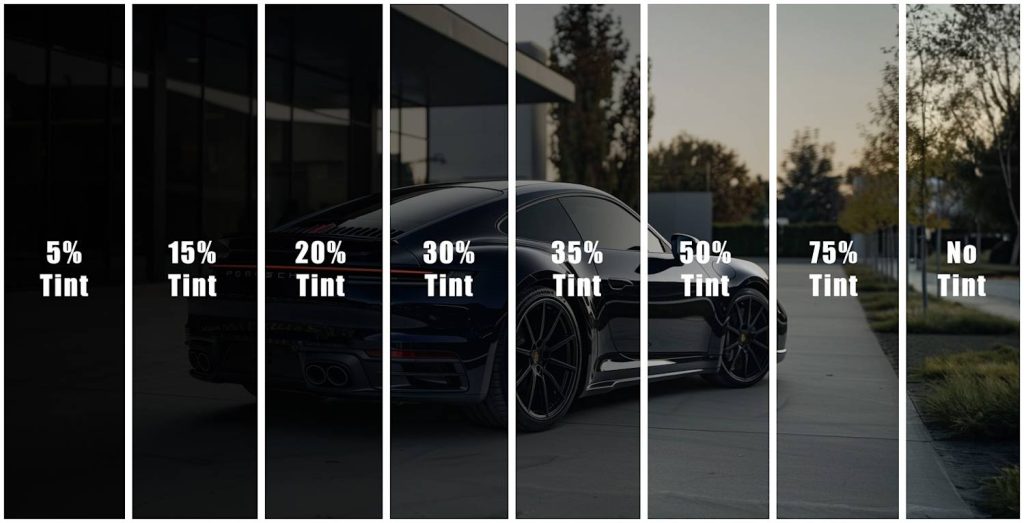
1. Window Tinting
Why It Works
Tinted windows create a sleek, cohesive look while adding privacy. Luxury cars often come with factory tint, so adding it to an affordable car immediately elevates its perceived value.
Tips
• Stick to legal limits in your state
• Choose a high-quality film to avoid bubbling or fading
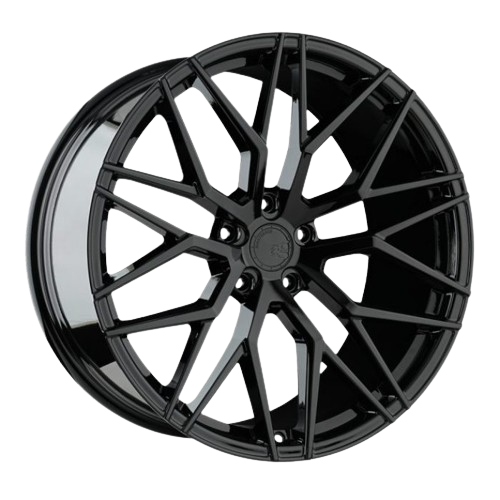
2. Wheel Upgrades
Why It Works
Large, multi-spoke alloy wheels create a premium appearance. Even modest trims can feel upgraded with the right rims.
Tips
• Opt for neutral colors like silver, black, or gunmetal
• Avoid overly flashy designs that draw negative attention
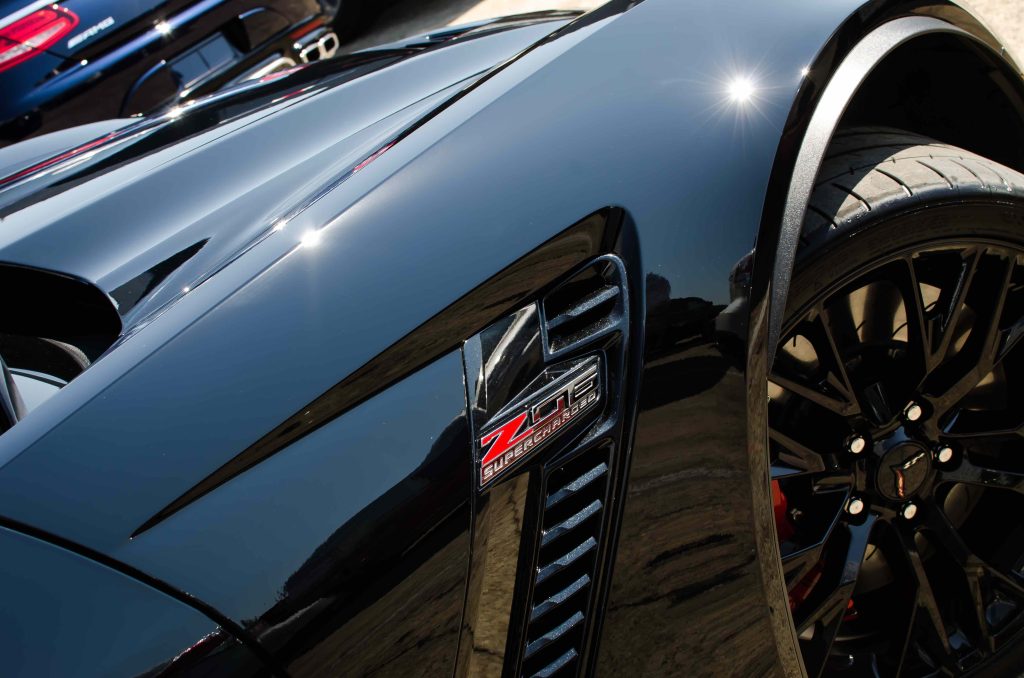
3. Ceramic Coating or High-Quality Wax
Why It Works
A glossy, well-maintained finish instantly communicates care and value. Ceramic coating adds depth and shine, making a budget car look premium.
Tips
• Professional application ensures longevity
• Wash and maintain regularly to keep the effect
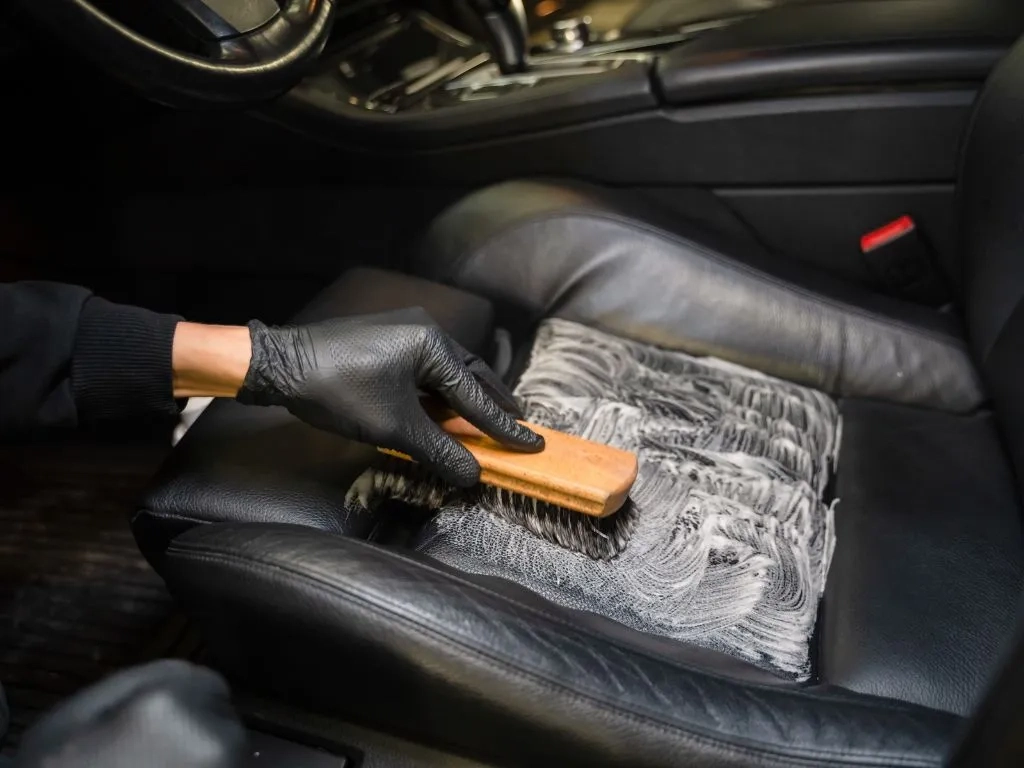
4. Interior Detailing
Why It Works
Even affordable cars can look luxury inside with leather seat covers, clean panels, and ambient lighting. Luxury cars often have pristine interiors, emulating this dramatically increases perceived value.
Tips
• Use soft-touch dashboard cleaners
• Add LED ambient strips where appropriate
• Upgrade shift knobs or steering wheel covers if desired
5. LED Lighting Upgrades
Why It Works
Replacing standard halogen bulbs with LED headlights, tail lights, or interior ambient lights modernizes the vehicle’s look. It’s a relatively low-cost upgrade with a big impact.
Tips
• Make sure replacements are compatible with your model
• Choose neutral white or soft colors for interiors
• Avoid overly bright aftermarket lights that may be illegal
6. Subtle Styling Accessories
Small details matter:
• Chrome or black trim accents
• Spoilers or lip kits for sportier models
• Clean, matching exterior trim pieces
• High-quality floor mats and seat covers
Each upgrade compounds, making a budget car feel much more expensive.
Key Takeaway
You don’t need a $50,000 car to look like it. With:
• Window tint
• Wheel upgrades
• Ceramic coating
• Interior detailing
• LED lighting
…even a $15,000–$20,000 vehicle can turn heads like a luxury model.
Frequently Asked Questions (FAQ) About Cheap Cars That Look Expensive
Buying a car that looks expensive but costs less can be confusing. Here are answers to the most common questions buyers in the United States ask.
Q1: Can a cheap car really look expensive?
Yes. Modern design, trim level upgrades, and smart aftermarket modifications can make budget cars look premium. Mainstream brands like Mazda, Hyundai, and Kia have adopted styling cues from luxury vehicles, making it easier than ever.
Q2: Are used luxury cars a good idea?
It depends. Buying a 3–6 year old BMW, Mercedes-Benz, or Audi can save thousands while offering a luxury appearance. However, maintenance and repair costs are higher than mainstream brands, so always get a pre-purchase inspection and consider an extended warranty.
Q3: Which car categories give the best “expensive” impression?
- Sedans with long hoods and clean lines
- SUVs with commanding road presence
- Sports cars with low, wide stances
- Well-maintained used luxury vehicles
Each offers a different type of perceived wealth and attention.
Q4: What upgrades make a cheap car look more luxurious?
• Window tinting
• Alloy wheel upgrades
• LED headlights and interior lights
• Ceramic coating or premium wax
• Leather or leatherette seat covers
• Clean, minimalist interior detailing
Even small modifications can significantly boost perceived value.
Q5: How much should I budget beyond the purchase price?
Hidden costs often overlooked:
• Insurance premiums (higher for sports cars and luxury badges)
• Maintenance and repairs (especially European luxury cars)
• Tires and wheels
• Premium fuel for certain engines
• Registration and taxes
• Optional upgrades to enhance appearance
A realistic additional budget is typically 10–20% of the purchase price annually for ownership costs.
Q6: Where is the safest place to buy used cars in the US?
• Certified pre-owned dealerships (CarMax, Carvana)
• Online marketplaces with buyer protection (Autotrader, Cars.com)
• Private sellers via Facebook Marketplace or Craigslist, but only with pre-purchase inspections
Always research the seller and vehicle history before buying.
Q7: Are sports cars worth buying just to look expensive?
Sports cars deliver maximum visual impact. However, they can have higher insurance, fuel costs, and limited practicality. For subtle luxury, sedans and SUVs may be better. If your goal is attention, a sports or muscle car is very effective.
Q8: Do aftermarket upgrades void warranties?
It depends on the modification. Cosmetic changes like tinting, ceramic coating, or wheel swaps usually do not void warranties. Engine or performance modifications may affect coverage. Always check the warranty terms.
Q9: How can I make a car look more luxurious on a tight budget?
Focus on small, high-impact upgrades:
• Keep the exterior clean and polished
• Upgrade wheels and tires if possible
• Tint windows professionally
• Maintain interior cleanliness and comfort
• Add LED lighting where appropriate
Even inexpensive improvements can dramatically improve perception.
Price Comparison Table: Cheap Cars That Look Expensive
| Car Model | Category | Avg Used Price (US) | Looks Factor | Reliability | Ownership Cost | Notes |
|---|---|---|---|---|---|---|
| Mazda6 | Sedan | $12,000–$20,000 | High | High | Moderate | Best for executive style on a budget |
| Hyundai Sonata | Sedan | $13,000–$22,000 | High | Good | Moderate | Modern design, tech-forward |
| Chrysler 300 | Sedan | $10,000–$18,000 | Very High | Moderate | Moderate | Maximum road presence |
| Toyota Avalon | Sedan | $14,000–$23,000 | High | Very High | Low | Reliable, refined look |
| Kia K5 | Sedan | $16,000–$24,000 | Very High | Good | Moderate | Sporty, attention-grabbing |
| Mazda CX-5 | SUV | $14,000–$22,000 | High | High | Moderate | Refined SUV with premium feel |
| Hyundai Tucson | SUV | $15,000–$23,000 | Very High | Good | Moderate | Sleek, modern design |
| Ford Edge | SUV | $13,000–$20,000 | High | Good | Moderate | Spacious with strong presence |
| Buick Enclave | SUV | $15,000–$24,000 | High | Good | Moderate | Luxury vibe with moderate cost |
| Kia Telluride | SUV | $22,000–$30,000 | Very High | Good | Moderate | Commanding three-row SUV |
| BMW 5 Series | Luxury Sedan | $16,000–$25,000 | Very High | Moderate | High | Genuine luxury presence, higher repairs |
| Audi A6 | Luxury Sedan | $15,000–$24,000 | Very High | Moderate | High | Sleek, minimalist design |
| Mercedes-Benz C-Class | Luxury Sedan | $14,000–$23,000 | Very High | Moderate | High | Elegant, recognizable luxury badge |
| Lexus ES | Luxury Sedan | $18,000–$26,000 | High | Very High | Moderate | Reliable luxury look |
| Cadillac CTS | Luxury Sedan | $13,000–$20,000 | High | Moderate | Moderate | Aggressive American styling |
| Ford Mustang | Sports Car | $14,000–$25,000 | Very High | Good | Moderate | Iconic muscle car styling |
| Chevrolet Camaro | Sports Car | $13,000–$23,000 | Very High | Moderate | Moderate | Low, wide stance for exotic feel |
| Dodge Challenger | Sports Car | $15,000–$25,000 | Very High | Moderate | Moderate | Bold, retro-inspired look |
| Hyundai Genesis Coupe | Sports Car | $9,000–$15,000 | High | Moderate | Moderate | Affordable sporty coupe |
| Nissan 370Z | Sports Car | $14,000–$22,000 | High | Moderate | Moderate | Compact, aggressive design |
How to Evaluate Cheap Cars That Look Expensive Like a Pro
Buying a car that looks luxurious but costs less isn’t just about aesthetics. Smart buyers evaluate every vehicle like a professional, balancing appearance, reliability, and long-term costs. Here’s a step-by-step strategy.
1. Research Market Value
Before stepping onto a lot or browsing online listings:
• Check multiple sources like Autotrader, Cars.com, CarGurus, and local dealer inventories.
• Compare year, trim, mileage, and location for realistic pricing.
• Use tools like Kelley Blue Book (KBB) or NADA Guides for estimated value.
Tip: Don’t fall in love with the first car you see. Market knowledge is leverage for negotiation.
2. Inspect Exterior and Interior Carefully
Even a visually appealing car may hide issues. Look for:
• Body panel alignment (uneven gaps may indicate past accidents)
• Paint inconsistencies (color mismatch, scratches, or overspray)
• Tire wear and matching sizes
• Interior condition (upholstery, dashboard, electronics)
Tip: Bring a flashlight and small mirror to inspect hard-to-see areas.
3. Check Vehicle History
Every used car should have a report from:
• Carfax
• AutoCheck
Key things to review:
• Accident history
• Number of previous owners
• Title status (clean vs salvage)
• Service and maintenance records
4. Take a Test Drive
Test everything:
• Engine and transmission smoothness
• Braking response
• Suspension feel and alignment
• Steering precision
• Electronics and infotainment functions
Tip: Listen for unusual noises. Even minor sounds can indicate bigger issues later.
5. Evaluate Ownership Costs
Look beyond the sticker price:
• Insurance premiums (get quotes before committing)
• Expected maintenance and repairs
• Fuel requirements (premium vs regular)
• Replacement parts availability and cost
Tip: Online forums and owner groups often share real-life maintenance costs.
6. Negotiate Like a Pro
• Know the market value and comparable listings
• Highlight any cosmetic or minor mechanical issues discovered
• Be ready to walk away; emotional attachment reduces leverage
• Consider bundling extended warranties or service packages in negotiations
Tip: Dealerships are more flexible at month-end or quarter-end sales cycles.
7. Consider Certified Pre-Owned for Luxury Vehicles
• CPO programs often include inspection, limited warranties, and service packages
• Slightly higher price but significantly reduces risk for vehicles like BMW, Mercedes, or Audi
Tip: If buying luxury, always weigh potential repair costs against the premium for CPO coverage.
8. Final Checklist Before Purchase
• Verified title and registration
• Completed inspection
• Vehicle history reviewed
• Insurance quoted
• Negotiated price and payment terms agreed
Following this checklist ensures you get the luxury look without hidden headaches.
Conclusion: Drive Cheap Cars That Looks Expensive Without Overspending
Owning a car that turns heads doesn’t require a six-figure budget. With the right knowledge, research, and small upgrades, you can enjoy the prestige of a luxury appearance while staying financially smart.
Here’s the key takeaway:
- Choose the Right Category: Sedans, SUVs, and sports cars all offer different types of perceived luxury. Pick what fits your lifestyle.
- Consider Used Luxury: Depreciated luxury vehicles can give premium design, interiors, and features at mainstream prices, but watch maintenance costs.
- Smart Upgrades Matter: Window tint, alloy wheels, LED lighting, ceramic coatings, and interior detailing dramatically elevate the look.
- Buy Strategically: Use trusted platforms like CarMax, Carvana, Autotrader, and local listings, and always verify vehicle history.
- Plan for Hidden Costs: Insurance, maintenance, tires, fuel, and taxes can impact your budget more than the purchase price itself.
By combining these strategies, you can confidently buy a car that looks expensive, drives well, and won’t drain your bank account.
Now it’s your turn. Explore your options, test drive the models that catch your eye, and start turning budget-friendly cars into luxury statements.
Comment below with the model you think looks most expensive for the price; let’s see which car wins the ultimate “affordable luxury” crown!
