

Buying a car in the United States shouldn’t feel like gambling your life savings, but for millions of Americans searching for cheap used cars, that’s exactly what it feels like. One wrong move and you’re stuck with a money-pit vehicle that breaks down every few weeks, drains your wallet with repairs, and leaves you regretting the day you handed over your cash.
And here’s the uncomfortable truth: most “cheap used car” lists online don’t actually help you buy safely. They throw random car names at you, ignore hidden issues like high maintenance costs, accident histories, and insurance traps, and then leave you alone to figure out the rest.
This guide is different.
Whether you’re a student, first-time buyer, delivery driver, or someone simply trying to survive rising costs, this 2026 U.S. guide to cheap used cars was built to protect your money and your sanity. We don’t just list cars, we show you which used cars are actually worth buying, which ones to avoid, where to find real deals near you, and how to spot red flags before you get scammed.
Inside, you’ll discover:
-
The most reliable cheap used cars under $5,000, $7,500, and $10,000
-
How much mileage is really too much, and when high mileage is still safe
-
Where Americans are finding legit cheap used cars near them (online & local)
-
Inspection tips that can save you thousands of dollars before you buy
If you want a car that gets you from point A to point B without destroying your finances, you’re in the right place. Let’s make sure your next used car is a smart win, not an expensive regret.
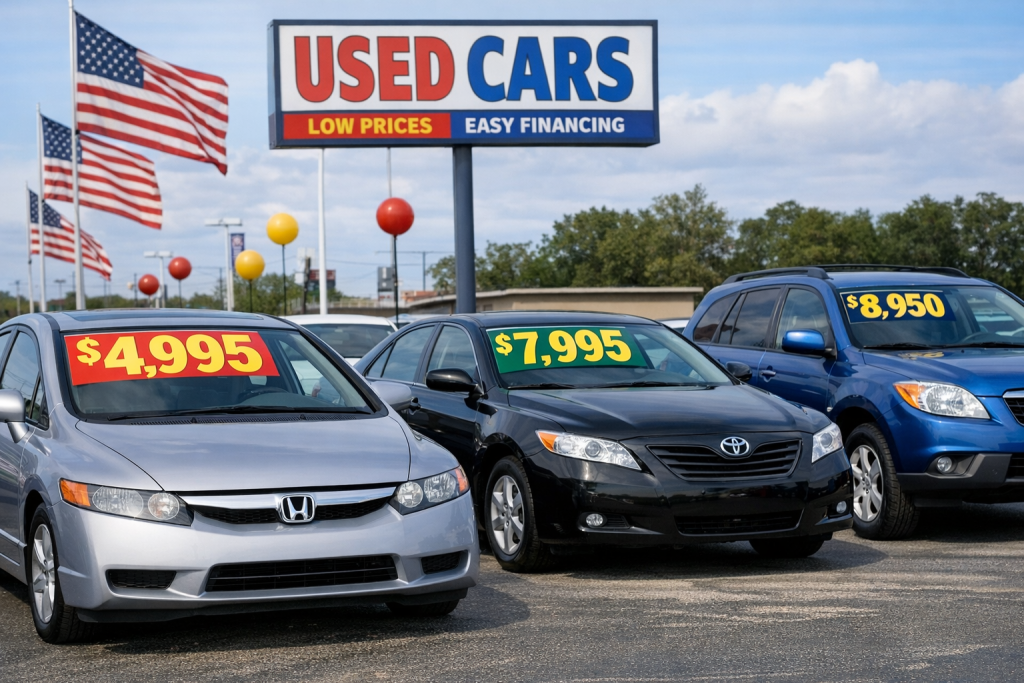
What Is Considered a “Cheap Used Car” in the U.S.?
Before you start searching listings or walking into dealerships, you need to understand what “cheap used car” actually means in the United States, because this definition changes depending on price range, location, and buyer expectations.
In today’s U.S. market, a cheap used car generally falls into one of these brackets:
Under $5,000 — Ultra-Budget Tier
-
Usually older models (2000–2010)
-
Mileage often above 120,000
-
Mostly private sellers
-
Best for buyers who can handle minor repairs
These cars won’t be flashy, but if chosen correctly, many still run for years with basic maintenance.
$5,000–$7,500 — Sweet Spot for Budget Buyers
-
Wider selection of reliable sedans
-
Better safety features
-
Fewer mechanical surprises
-
Often available from small dealerships
This range is where smart buyers get the most value.
$7,500–$10,000 — Best Balance of Price & Reliability
-
Newer model years
-
Lower mileage (often under 120k)
-
Better fuel efficiency
-
Easier to finance
Most Americans searching for cheap used cars are actually aiming for this range, even if they don’t realize it yet.
Why Location Changes “Cheap” Pricing in the U.S.
A car that costs $6,000 in Ohio may cost $8,000 in California or New York. Why?
-
Higher demand in urban areas
-
Stricter emissions laws
-
Higher dealership overhead
-
Stronger resale markets
Our Pro Tip: If you live near state borders, expanding your search radius can save you hundreds, or even thousands of dollars.
Cheap Does NOT Mean Unreliable (This Is Where Most People Get It Wrong)
One of the biggest myths is that cheap used cars are automatically bad cars. That’s not true.
What matters more than price:
-
Maintenance history
-
Engine reputation
-
Transmission type
-
Previous ownership
A well-maintained $6,000 Toyota can outperform a neglected $12,000 luxury car every single time.
Dealer vs Private Seller: Which Is Cheaper?
| Seller Type | Usually Cheaper? | Risk Level | Best For |
|---|---|---|---|
| Private Seller | Yes | Medium | Cash buyers |
| Small Dealer | Sometimes | Medium | Safer paperwork |
| Big Dealer | Rarely | Low | Financing buyers |
Private sellers usually offer the lowest prices, but dealerships provide more protection. Your budget, and risk tolerance decides the winner.
Why Buying Cheap Used Cars Makes Financial Sense in 2026
If you’re still wondering whether buying a cheap used car is a smart move in the U.S. right now, here’s the blunt truth:
New cars are financial traps for budget-conscious buyers.
In 2026, smart Americans aren’t chasing brand-new vehicles, they’re buying cheap, reliable used cars and keeping their money intact.
Let’s break down why this decision makes sense financially.
1. You Avoid Instant Depreciation (The Silent Money Killer)
The moment a new car leaves the dealership, it loses 20–30% of its value instantly.
That means:
-
A $30,000 new car can drop to $21,000 within 12 months
-
You pay thousands… just to own it briefly
With cheap used cars, that depreciation has already happened. You’re buying near the car’s “value floor,” which protects your wallet.
2. Lower Monthly Costs (Even Without Financing)
Cheap used cars help you save in multiple hidden ways:
-
Lower purchase price
-
Smaller or zero car loans
-
Lower interest rates (or no interest at all)
-
Lower registration fees
-
Lower taxes in many states
For many Americans, buying a used car outright means no monthly car payment, and that’s a huge financial relief.
3. Insurance Is Significantly Cheaper
Insurance companies charge more for:
-
Newer cars
-
Expensive cars
-
Cars with high replacement value
Cheap used cars usually mean:
-
Lower premiums
-
Optional full coverage
-
More flexibility with liability-only insurance
Our Pro Tips: Some drivers save $600–$1,200 per year just by switching from a new car to a cheap used one.
4. Repairs Are Predictable (And Often Cheaper)
New cars break too, but when they do, repairs are:
-
More expensive
-
More electronic
-
Dealer-locked
Cheap used cars (especially older Japanese models) are:
-
Easier to fix
-
Cheaper to maintain
-
Supported by affordable parts
A $500 repair on a paid-off used car hurts far less than the same repair on a car you’re still financing.
5. Perfect for Real-Life Needs (Not Luxury Fantasies)
Cheap used cars are ideal for:
-
Students
-
First-time buyers
-
Families on a tight budget
-
Ride-share & delivery drivers
-
Anyone prioritizing savings over status
They get you from Point A to Point B without emotional or financial stress.

Also note that buying a cheap used car isn’t “settling.” It’s choosing control over debt, value over hype, and freedom over regret. And once you know which cheap used cars are actually reliable, this strategy becomes even more powerful.
Best Cheap Used Cars in the U.S. (By Budget & Category)
Not all cheap used cars are created equal. Some are budget heroes that run forever, while others are financial landmines waiting to explode.
Below, we break down the best cheap used cars Americans can actually rely on, based on real-world ownership, repair costs, and long-term value.
If your budget is tight, this tier is where discipline beats desperation. These cars aren’t pretty, but they’re proven.
Toyota Corolla (2003–2010)
Why it’s a legend:
-
Extremely reliable engine
-
Cheap parts everywhere in the U.S.
-
Easy to maintain even with high mileage
What to watch for:
-
Suspension wear
-
Cosmetic issues (normal at this price)
Typical mileage: 130k–200k
Best for: Daily commuting, students, first-time buyers
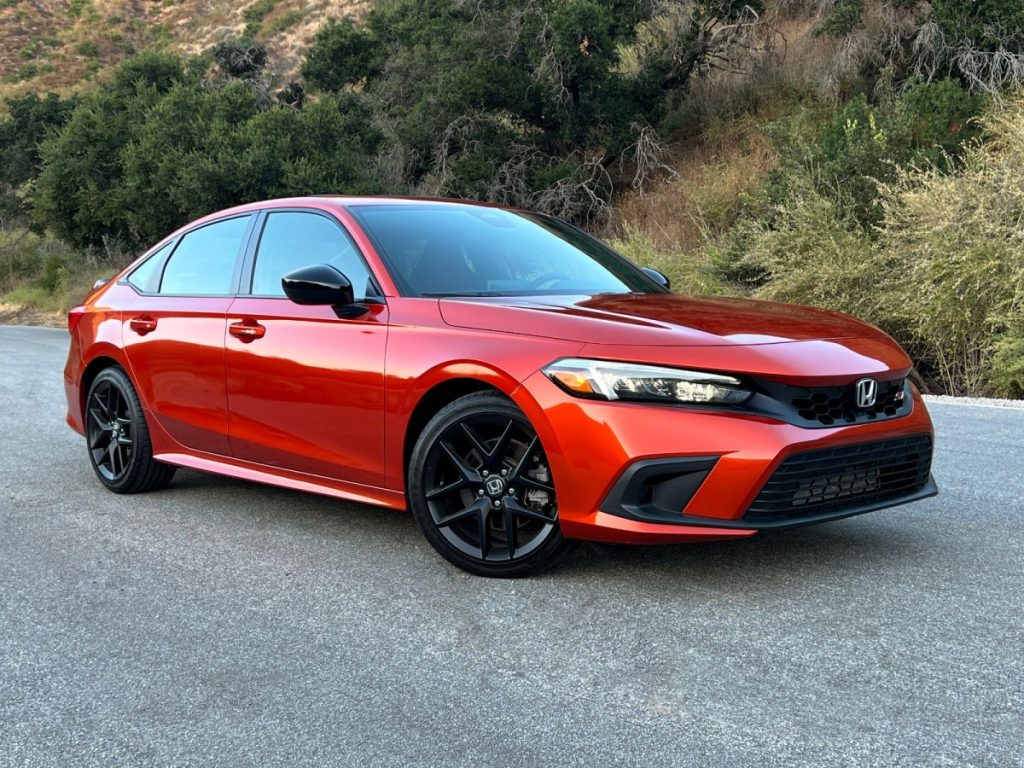
Honda Civic (2004–2009)
Why it works:
-
Strong resale value
-
Fuel efficient
-
Long engine lifespan
What to watch for:
-
Automatic transmission issues in older models
-
Worn motor mounts
Typical mileage: 140k–220k
Best for: City driving, budget-conscious buyers
Ford Focus (2006–2011)
Why it’s underrated:
-
Cheap to buy
-
Easy DIY repairs
-
Good gas mileage
What to watch for:
-
Avoid problematic dual-clutch automatics
-
Electrical issues in neglected units
Best for: Short commutes, cash buyers
Hyundai Elantra (2007–2011)
Why it’s a sleeper pick:
-
Lower resale = cheaper prices
-
Comfortable interior
-
Solid reliability if maintained
What to watch for:
-
Engine noise if oil changes were skipped
-
Best Cheap Used Cars Under $7,500 (The Smart Buyer Zone)
This is where value explodes. You get better safety, fewer repairs, and longer remaining life.
Toyota Camry (2005–2011)
-
Rock-solid engine
-
Comfortable for families
-
Handles high mileage like a champ
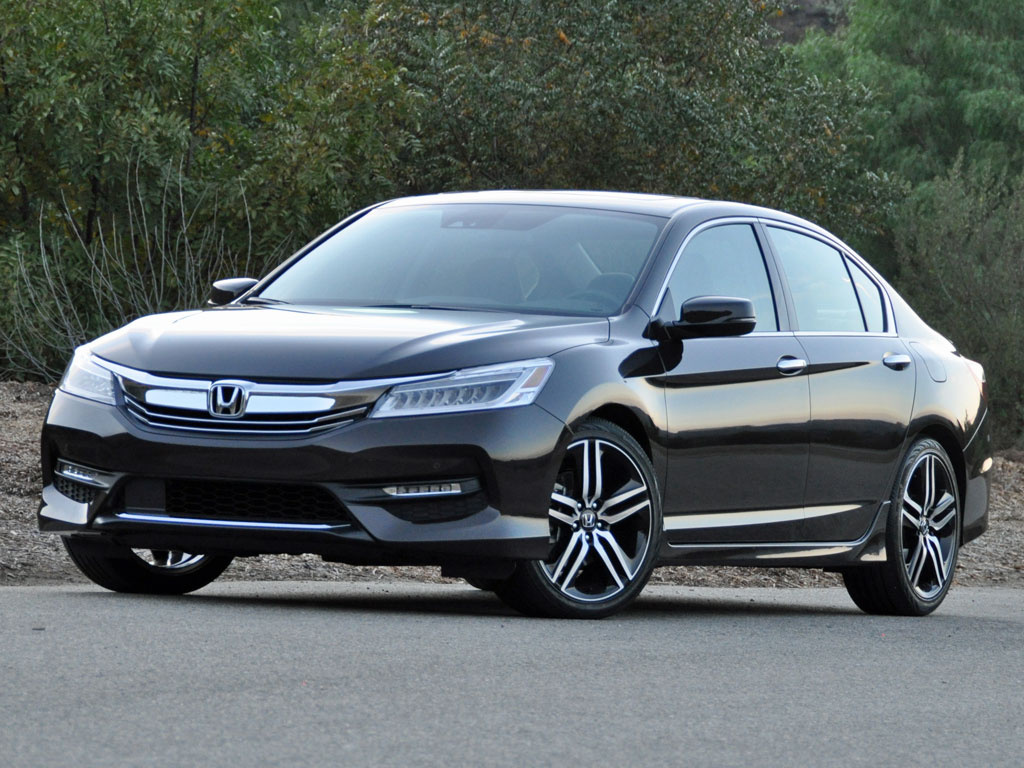
Honda Accord (2004–2010)
-
-
Strong reliability reputation
-
Smooth ride
-
Plenty of parts availability
-
Mazda3 (2007–2012)
-
Fun to drive
-
Excellent fuel economy
-
Less “tax” on the Toyota/Honda name
Nissan Altima (Pre-2013 only)
-
Spacious interior
-
Affordable pricing.
-
Avoid CVT-heavy later models
-
Best Cheap Used Cars Under $10,000 (Best Overall Value)
This is the most searched price range in the U.S., and for good reason.
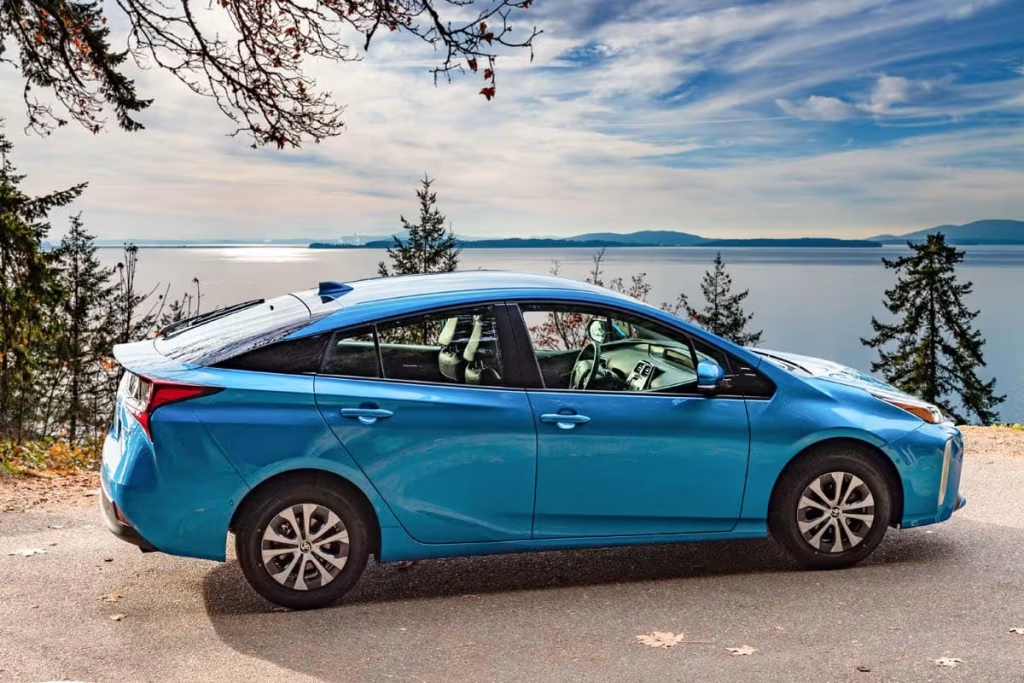
Toyota Prius (2007–2012)
-
Exceptional fuel economy
-
Proven hybrid reliability
-
Ideal for delivery & commuting
Honda CR-V (2006–2011)
-
Reliable compact SUV
-
Great resale value
-
Family-friendly space
Toyota RAV4 (2006–2011)
-
AWD options available
-
Strong reliability
-
Excellent winter performance
Hyundai Sonata (2011–2014)
-
Comfortable
-
Modern interior
-
Excellent value for price
-
Quick Buyer Tip: A well-maintained $8,000 Toyota with 140k miles is often a better buy than a $12,000 luxury car with unknown history.
Best Cheap Used Cars for Specific Needs
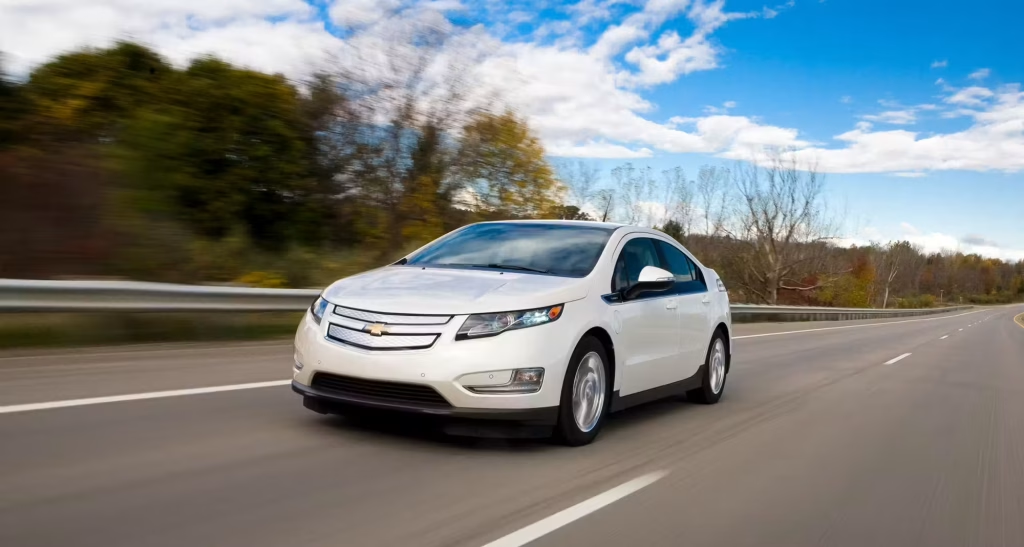
While most blogs stop at “best cheap used cars” and call it a day. We’re going further because most of you don’t search that same way. Some of you need fuel savings, space, while some need a car that can survive Uber, DoorDash, or family chaos. So let’s break it down.
Best Cheap Used Cars for Students & First-Time Buyers
If you are a students or a first time buyer who need low cost, low stress, and low maintenance car, then this is for you:
Toyota Corolla
-
Cheap to insure
-
Excellent gas mileage
-
Parts available everywhere in the U.S.
Honda Civic
-
Easy to drive
-
Reliable commuter
-
Holds value even when resold
Hyundai Elantra
-
Often cheaper than Toyota/Honda
-
Comfortable interior
-
Good MPG for daily school runs
Why students love these cars:
They start every morning, sip fuel, and don’t surprise you with huge repair bills.
Best Cheap Used Cars for Families on a Budget
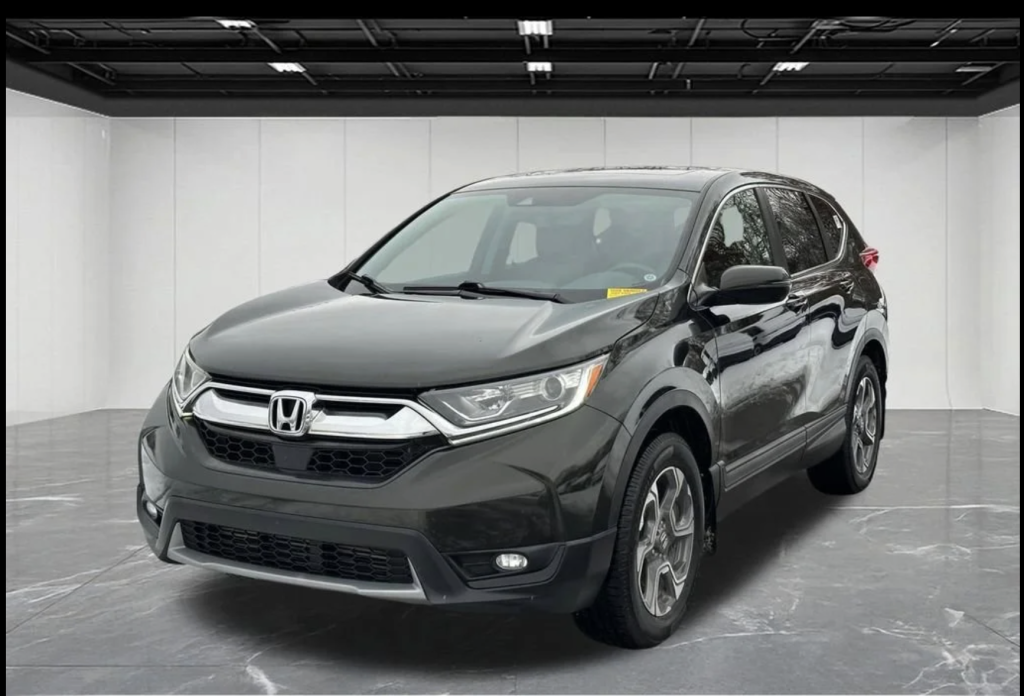
Families need space, safety, and reliability without SUV-sized debt.
Toyota Camry
-
Large rear seats
-
Excellent crash-test history
-
Comfortable for long drives
Honda Accord
-
Smooth ride
-
Big trunk for groceries & strollers
-
Very dependable
Honda CR-V
-
Higher seating position
-
Good cargo space
-
Perfect for small families
Best Cheap Used Cars for Uber, Lyft & Delivery Drivers
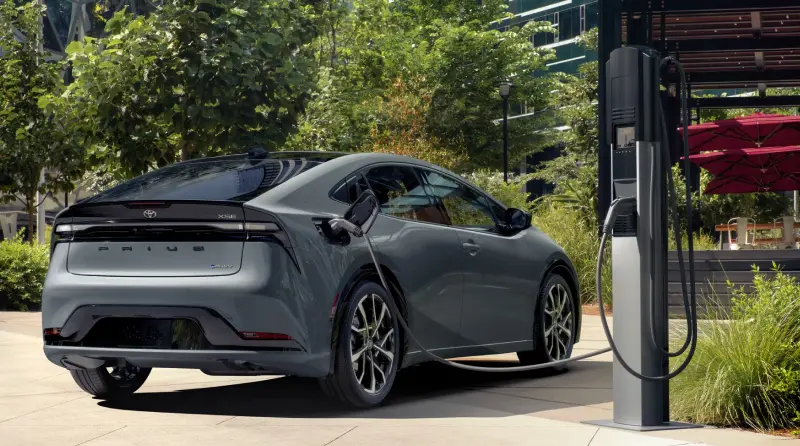
If you’re driving for money, your car must be cheap to run, not just cheap to buy.
Toyota Prius
-
Outstanding MPG
-
Proven hybrid longevity
-
Extremely popular with ride-share drivers
Hyundai Sonata
-
Comfortable ride for passengers
-
Good fuel efficiency
Toyota Corolla
-
Simple maintenance
-
Great city MPG
-
Long engine life
Reality check: Fuel savings alone can mean $2,000+ per year in your pocket.
Best Cheap Used SUVs (When You Need Space)
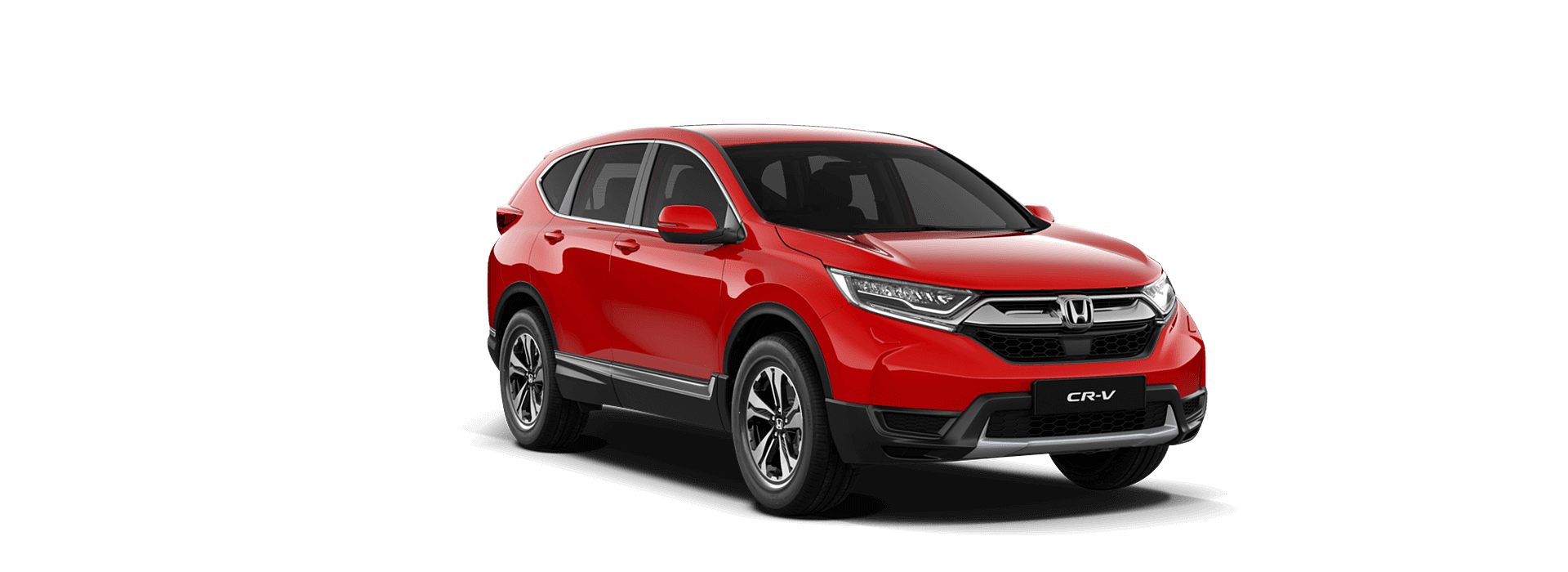
SUVs don’t have to be expensive if you choose wisely.
Honda CR-V
-
One of the most reliable compact SUVs ever
-
Easy to find under $10k
-
Excellent resale value
Toyota RAV4
-
AWD options available
-
Strong reliability reputation
-
Handles rough roads well
Ford Escape (Older models)
-
Lower purchase price
-
Good interior space
Avoid poorly maintained units
Best Cheap Used Cars with Good Gas Mileage
With gas prices fluctuating, MPG matters more than ever.
i). Toyota Prius – 45–50 MPG
ii). Honda Civic – 30–36 MPG
iii). Mazda3 – 28–34 MPG
iv). Hyundai Elantra – 29–35 MPG
These cars help you save every time you drive, not just at purchase.
Mileage Matters: How Much Is Too Much for a Cheap Used Car?
One of the biggest questions Americans ask when shopping for cheap used cars is:
“Is this mileage too high… or am I overthinking it?”
Here’s the truth most dealerships and blogs won’t tell you, Mileage alone does NOT determine whether a used car is a bad buy.
What matters is how the miles were accumulated and how the car was maintained.
The Real Mileage Breakdown (U.S. Market Reality)
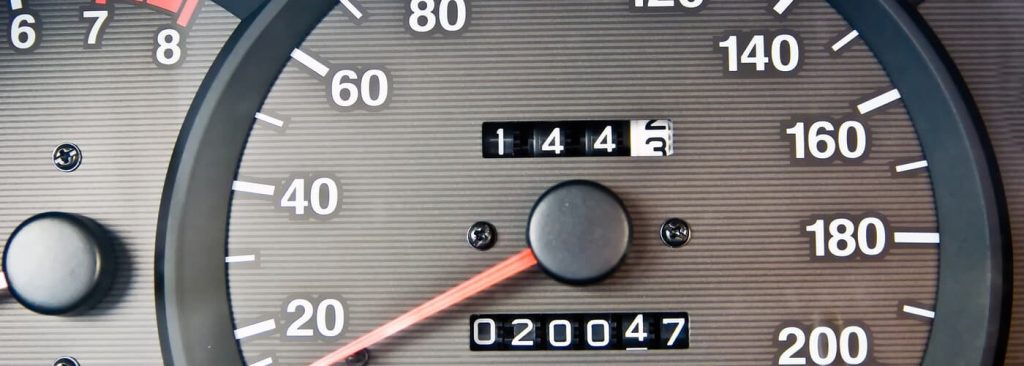
Under 100,000 Miles — Low Risk Zone
-
Ideal for most buyers
-
Usually fewer major repairs
-
Higher price but more peace of mind
Best for: Buyers with flexible budgets
100,000–150,000 Miles — Sweet Spot for Cheap Used Cars
This is where smart buyers win.
-
Engines are fully broken in
-
Prices drop significantly
-
Still many years of life left (especially Toyota & Honda)
Many reliable cars easily reach 250,000–300,000 miles with proper care.
150,000–200,000 Miles — High Value, Higher Responsibility
Not bad if maintained properly.
-
Lower purchase price
-
Expect some maintenance
-
Perfect for cash buyers who inspect carefully
Over 200,000 Miles — Proceed with Caution
-
Only buy with full service records
-
Best for mechanically savvy buyers
-
Great if price reflects mileage
-
Highway Miles vs City Miles (Huge Difference)
Not all miles are created equal.
Highway miles are BETTER because:
-
Less braking
-
Less engine strain
-
Consistent speed
-
Lower transmission stress
City miles cause more wear:
-
Stop-and-go traffic
-
More engine heat cycles
-
Faster brake & suspension wear
Note: A 150k-mile highway car can be healthier than a 90k-mile city car.
Maintenance History > Mileage (Every Time)
Always prioritize:
-
Oil change records
-
Transmission servicing
-
Timing belt/chain history
-
Cooling system upkeep
A cheap used car with clear maintenance records is worth far more than a lower-mileage car with no history.
-
-
Brands That Handle High Mileage Best (Proven in the U.S.)
These brands dominate the cheap used car reliability game:
-
Toyota
-
Honda
-
Lexus
-
Mazda (select models)
NOTE: Some European luxury brands become repair nightmares after 120k miles, so avoid them on tight budgets.
Quick Rule That Saves Buyers Thousands
Never reject a cheap used car because of mileage alone.
Reject it because of poor maintenance, warning signs, or shady history.This mindset instantly makes you a smarter buyer than 80% of shoppers.
-
Where to Buy Cheap Used Cars in the U.S. (Best Places That Actually Work)
Finding a cheap used car isn’t just about what you buy, it’s about where you buy it. Many Americans overpay simply because they search in the wrong places or trust the wrong sellers.
Below are the best and safest places to buy cheap used cars in the United States, broken down by risk level, price advantage, and buyer type.
Online Marketplaces (Best for Deals & Variety)
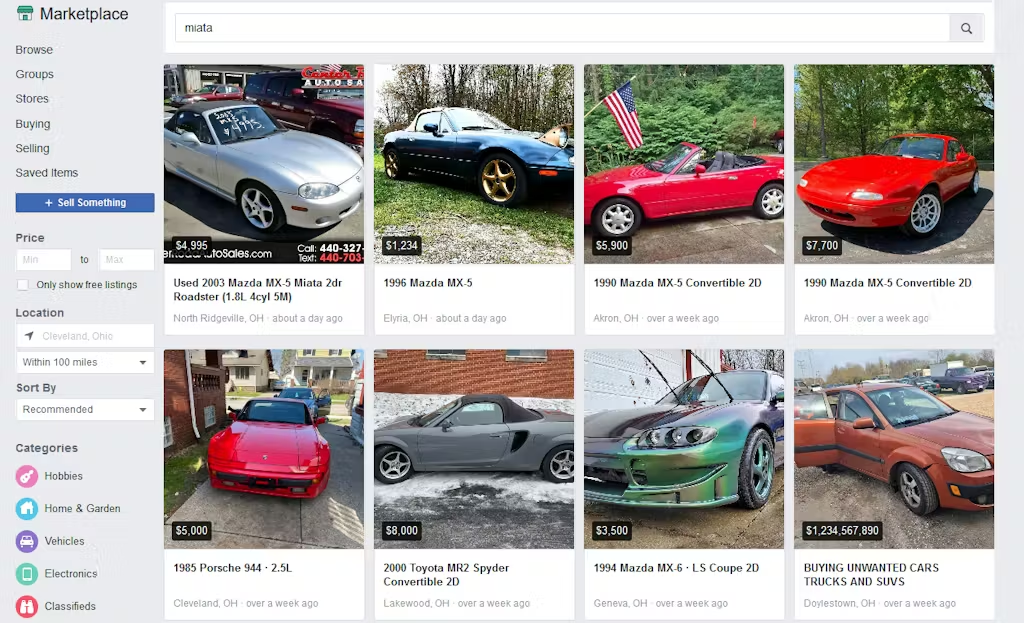
These platforms give you direct access to thousands of listings, often cheaper than traditional dealerships.
Facebook Marketplace
Why it’s powerful:
-
Massive number of local sellers
-
No dealer markup
-
Negotiation-friendly
Risks: No buyer protection, Must inspect carefully
Best for: Cash buyers, experienced shoppers
Craigslist
Craigslist is one of the cheapest sources for used cars. Featuring strong filtering by price & location, and also, Private sellers dominate the market.
-
Things to Avoid: Avoid listings with no phone number, stock photos only, and pressure to “pay now”.
Autotrader & Cars.com
-
Cleaner listings
-
VINs often included
-
Easier comparison
Downside: Prices slightly higher than private sellers, but safer.
Used Car Dealerships (Safer Paperwork, Higher Prices)
Dealerships cost more, but they reduce risk.
Pros
-
Title handling
-
Temporary tags
-
Financing options
-
Some warranty coverage
Cons
-
Higher prices
-
Dealer fees
-
Pressure tactics
Tip: Small independent dealerships often offer better deals than big-name franchises.
Certified Pre-Owned (CPO): Is It Worth It?
-
Inspected
-
Warranty included
-
More expensive
Best for: Buyers prioritizing peace of mind over price.
Car Auctions (For Advanced Buyers Only)
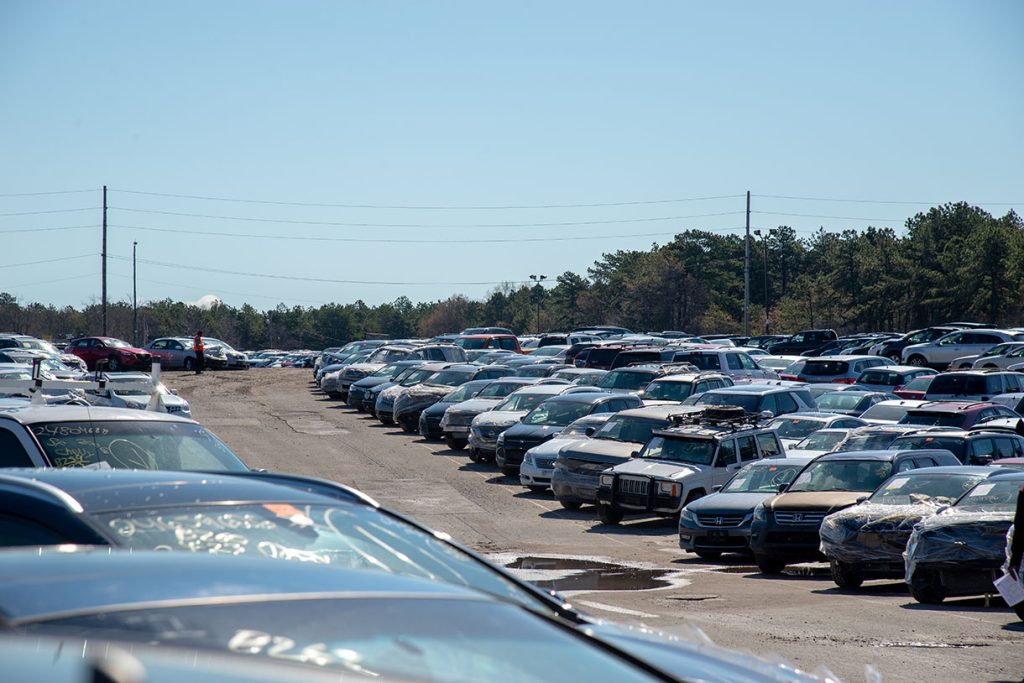
If you know what you’re doing, auctions can unlock insanely cheap deals.
Copart
-
Salvage & clean titles
-
Very low prices
-
Buyer fees apply
IAAI
-
Similar to Copart
-
Dealer-focused
-
Requires inspection knowledge
Warning: Auctions are not beginner-friendly. One mistake can erase your savings.
Buy Here Pay Here Lots (Last Resort Option)
These dealerships finance in-house.
Pros: No credit check, Easy approval.
Cons: Very high interest rates, Risk of repossession, and Limited car selection.
NOTE: Only use if no other financing option exists.
Smart Buyer Rule (That Outsmarts 90% of Shoppers)
The cheapest car is often found through a private seller—
the safest car is often found at a small dealership.
Choose based on your risk tolerance, not just price.
Cheap Used Cars Near Me: How to Find Local Deals (Fast & Safely)
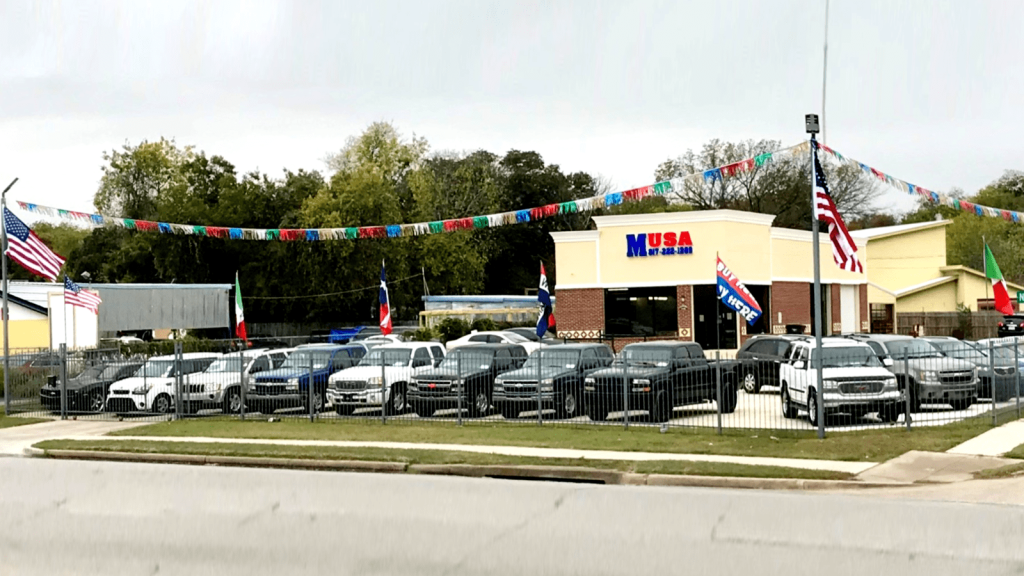
If you’ve ever typed “cheap used cars near me” into Google, you’re not alone. This is one of the most searched car-buying phrases in the U.S., and for good reason, local deals often mean lower prices, easier inspection, and faster ownership.
But here’s the catch:
Most people search locally the wrong way.
Let’s fix that.
Step 1: Use Google the Smart Way
Instead of just searching:
“cheap used cars near me”
Try these high-converting search variations:
-
“cheap used cars under $5000 near me”
-
“used cars for sale by owner near me”
-
“reliable used cars near me”
-
“small used car dealership near me”
Why This Works: You filter out junk listings and trigger more relevant local results.
Step 2: Google Maps Is Your Secret Weapon
Open Google Maps and search:
-
“Used car dealer”
-
“Independent used car lot”
-
“Auto sales near me”
Then:
-
Sort by rating
-
Read the 1–3 star reviews (that’s where truth hides)
-
Avoid dealers with:
-
No physical address
-
Recently created listings
-
Too many identical reviews
-
Step 3: Don’t Ignore Private Sellers (Big Savings Here)
Private sellers often list cars:
-
On Facebook Marketplace
-
On Craigslist
-
Through word of mouth
Why private sellers are cheaper:
-
No dealer markup
-
No showroom costs
-
More room for negotiation
Pro tip: Search listings posted by older owners, they often have better-maintained cars and realistic pricing.
Step 4: Red Flags to Avoid in Local Listings
Avoid sellers who:
-
Refuse inspection
-
Won’t share VIN
-
Rush the sale
-
Only accept wire transfers
-
List prices far below market value
If it feels off, it probably is.
Smart Local Buying Rule
The best cheap used car near you isn’t the cheapest listing,
it’s the cleanest, best-documented car within your budget.That mindset alone saves buyers thousands.
-
-
Inspection Checklist Before Buying a Cheap Used Car (DO NOT SKIP)
This is the section that protects your money and boosts trust signals.
Exterior Inspection
-
Rust (especially under doors)
-
Uneven panel gaps (accident signs)
-
Mismatched paint
-
Tire wear patterns
Interior Inspection
-
Dashboard warning lights
-
AC & heater function
-
Power windows & locks
-
Strange smells (flood damage)
Under the Hood
-
Oil level & color
-
Coolant condition
-
Battery corrosion
-
Belt & hose condition
Test Drive Checklist
-
Smooth acceleration
-
No jerking or slipping
-
Straight steering
-
No grinding noises
Get a Pre-Purchase Inspection (Worth Every Dollar)
Paying a mechanic $100–$200 can save you $3,000–$7,000 in hidden repairs.
If a seller refuses inspection? Walk away.
Red Flags to Avoid When Buying Cheap Used Cars (Do NOT Ignore These)
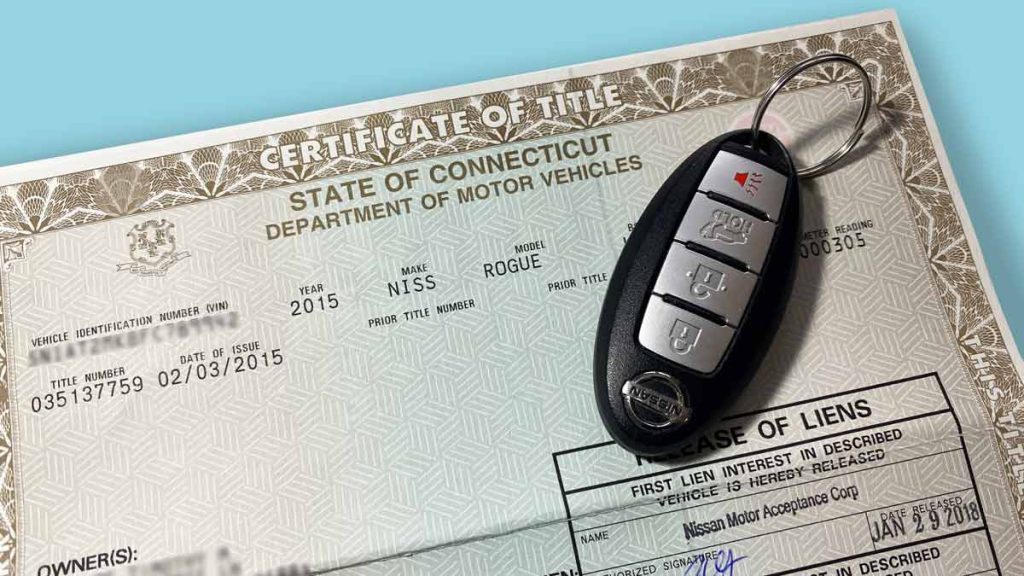
When shopping for cheap used cars, the biggest danger isn’t high mileage or old age, it’s hidden problems and dishonest sellers.
Below are the most common red flags that trap buyers in the U.S. every single day. If you spot even one of these, pause. If you see multiple? Walk away immediately.
1. Salvage or Rebuilt Titles (Without Full Transparency)
A salvage title means the car was:
-
In a major accident
-
Flood-damaged
-
Declared a total loss by insurance
Some rebuilt cars can be okay, but only if fully disclosed and priced correctly.
Walk away if: Seller avoids title questions, Price doesn’t reflect salvage history, and No repair documentation exists.
2. Seller Refuses to Share the VIN
This is a major warning sign.
Without a VIN, you can’t:
-
Run Carfax or AutoCheck
-
Check accident history
-
Verify ownership
Rule: No VIN = No deal.
3. “Too Good to Be True” Pricing
If a car is priced far below market value, ask yourself why.
Common reasons:
-
Hidden mechanical problems
-
Title issues
-
Scam listings
-
Repossessed or stolen vehicles
Scammers use low prices to trigger panic buying.
4. Pressure to Buy Immediately
Phrases like:
-
“Someone else is coming in an hour”
-
“Price goes up tonight”
-
“Cash only, today only”
are designed to stop you from:
-
Inspecting
-
Thinking
-
Verifying history
Legit sellers don’t rush you.
5. Inconsistent or Missing Paperwork
Watch out for:
-
Titles not in seller’s name
-
“Lost title” excuses
-
Mismatched names or VINs
This can mean legal trouble later.
6. Flood Damage Signs (Often Missed)
Flood cars often resurface cheaply.
Look for:
-
Musty smells
-
Fogged headlights
-
Rust under seats
-
Electrical glitches
Flood damage = electrical nightmares.
7. Dashboard Warning Lights On
Some sellers reset codes temporarily.
If warning lights reappear after driving:
-
Engine
-
ABS
-
Transmission
Walk away.
The Golden Safety Rule (Always Remember This)
There will always be another cheap used car.
There will NOT always be another chance to fix a bad purchase.
Walking away is sometimes the smartest move.
Financing Cheap Used Cars (Even With Bad Credit)

Not everyone can pay cash, and that’s okay. In the U.S., millions of people finance cheap used cars, even with less-than-perfect credit. The key is knowing where to finance and where NOT to finance.
Done right, financing a cheap used car can help you build credit. Done wrong, it can trap you in high-interest debt.
Let’s break it down.
Option 1: Paying Cash (Best If You Can)
Pros:
-
No interest
-
No monthly payments
-
Strong negotiating power
-
Immediate ownership
Cons:
-
Requires savings
-
Less buyer protection in private sales
Cash buyers often get the BEST deals, especially from private sellers.
Option 2: Credit Unions (BEST Financing Choice)
Credit unions are gold for used car financing.
Why they’re better:
-
Lower interest rates
-
More flexible credit requirements
-
Transparent terms
-
No shady add-ons
Our Pro Tip: Get pre-approved before shopping it gives you leverage.
Option 3: Banks & Online Lenders
-
Traditional banks
-
Online auto lenders
-
Pre-approval options available
Watch out for:
-
Higher rates for older cars
-
Mileage restrictions
-
Shorter loan terms
Option 4: Buy Here Pay Here Lots (Use as LAST Resort)
These dealerships finance in-house.
Pros:
-
No credit check
-
Easy approval
Cons (Very Important):
-
Extremely high interest rates
-
Short repayment periods
-
GPS trackers & kill switches
-
Fast repossession risk
Only use if no other financing option exists and read every line.
Financing Mistakes You Should Avoid
-
Long loan terms on cheap cars
-
High-interest loans over 36 months
-
Rolling old debt into new loans
-
Buying add-ons you don’t need
Smart Financing Rule
If the monthly payment feels comfortable but the interest rate feels scary, you’re being trapped. Therefore, always look at total loan cost, not just monthly payment.
Cheap Used Cars Price Comparison Table (Quick Buyer Scan)
If you’re short on time and just want to know which cheap used cars are actually worth your money, this table gives you a clear, no-nonsense snapshot of the best options in the U.S.
Prices are national averages and may vary by state, condition, and mileage.
| Car Model | Avg Used Price | Reliability | MPG | Best For |
|---|---|---|---|---|
| Toyota Corolla | $6,000–$8,500 | ⭐⭐⭐⭐⭐ | 30–35 | Daily commuting |
| Honda Civic | $6,500–$9,000 | ⭐⭐⭐⭐⭐ | 30–36 | Students & first-time buyers |
| Toyota Camry | $7,500–$9,800 | ⭐⭐⭐⭐ | 25–30 | Families |
| Honda Accord | $7,800–$10,000 | ⭐⭐⭐⭐ | 26–32 | Comfort & space |
| Toyota Prius | $8,000–$10,000 | ⭐⭐⭐⭐ | 45–50 | Uber & delivery |
| Hyundai Elantra | $5,800–$8,000 | ⭐⭐⭐⭐ | 29–35 | Budget buyers |
| Mazda3 | $6,000–$8,500 | ⭐⭐⭐⭐ | 28–34 | Sporty & efficient |
| Honda CR-V | $8,000–$10,000 | ⭐⭐⭐⭐ | 24–28 | Small families |
| Toyota RAV4 | $8,500–$10,000 | ⭐⭐⭐⭐ | 23–27 | Budget SUVs |
Insurance & Ownership Costs
While many buyers may focus only on purchase price, ownership cost is where money is truly saved or lost.
Cheapest Used Cars to Insure
-
Toyota Corolla
-
Honda Civic
-
Mazda3
-
Hyundai Elantra
These cars typically have:
-
Lower insurance premiums
-
Cheaper parts
-
Fewer claims
NOTE: Some drivers save $50–$100 per month on insurance alone.
Annual Maintenance Cost (Average)
| Car Type | Avg Annual Cost |
|---|---|
| Toyota Corolla | $350–$500 |
| Honda Civic | $400–$550 |
| Toyota Camry | $450–$600 |
| Honda CR-V | $500–$650 |
| Luxury brands | $900+ |
Cheap used cars shine because repairs stay predictable.
Frequently Asked Questions (FAQ)
What is the most reliable cheap used car in the U.S.?
Toyota Corolla and Honda Civic consistently rank highest for long-term reliability.
Is 200,000 miles too much for a used car?
Not always. A well-maintained Toyota or Honda can exceed 300,000 miles.
Is it better to buy from a dealer or private seller?
Private sellers are cheaper. Dealerships are safer. Choose based on risk tolerance.
Are cheap used cars worth it in 2026?
Absolutely, especially with inflation, high interest rates, and rising insurance costs.
Conclusion: Smart Buyers Win With Cheap Used Cars
Buying a cheap used car in the U.S. isn’t about cutting corners, it’s about making smarter financial choices. When you choose the right model, inspect carefully, and buy from the right source, you can save thousands of dollars while still driving something reliable.
Final Advice:
-
Prioritize reliability over looks
-
Mileage matters less than maintenance
-
Avoid pressure & red flags
-
Walk away when unsure
Smart money buys smart cars. So, if you have a budget in mind, or looking for a specific model, or just want help choosing the best cheap used car for your situation drop a comment below and let’s find the right deal for you free of charge.
