

There is something about a BMW that changes how you feel behind the wheel.
The solid door thud.
The perfectly weighted steering.
The way the car pulls when you press the accelerator.
For decades, BMW has represented performance, precision, and prestige. Yet here is the truth most people do not realize: owning a BMW in the United States is no longer reserved for six figure earners.
Right now, across America, thousands of affordable BMWs are sitting on dealer lots, parked in suburban driveways, and listed on online marketplaces for prices that shock first time buyers.
You can buy a BMW for less than the cost of a used economy car.
But here is the part no one tells you.
Buying a cheap BMW can either be the smartest automotive decision you ever make… or the fastest way to drain your bank account.
That is exactly why this guide exists.
Why You Need Our Guide About “Cheap BMW” Before Buying One
Search Google for “cheap BMW” and you will see one of two things:
Basic lists that barely scratch the surface
Dealer pages trying to sell you inventory
What you will not usually find is a complete breakdown of:
Which BMW models are actually affordable to own
Which engines are reliable and which are financial landmines
How much insurance really costs in the US
What maintenance expenses look like at 80,000 or 120,000 miles
Where to buy safely without getting burned
Most articles stop at “Here are the cheapest BMW models.”
That is not enough.
If you are serious about buying a cheap BMW in the United States, you need more than price tags. You need strategy.
What “Cheap BMW” Really Means in America
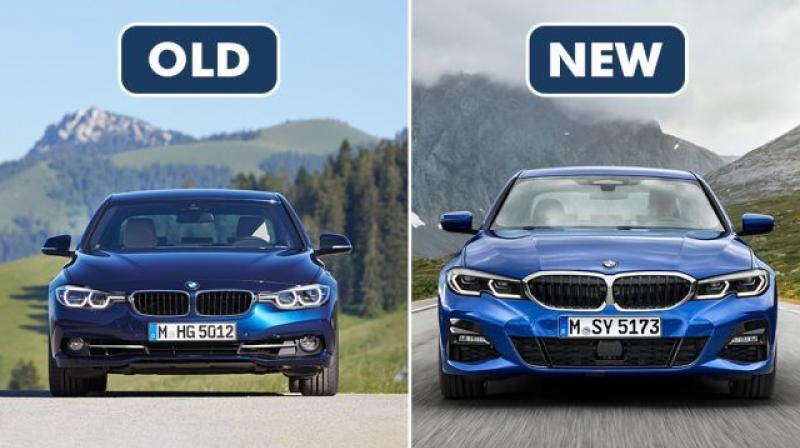
When Americans search for a cheap BMW, they usually fall into one of four categories:
They want the cheapest new BMW
They want a used BMW under a specific budget
They want the cheapest BMW to maintain
They want a luxury badge without luxury payments
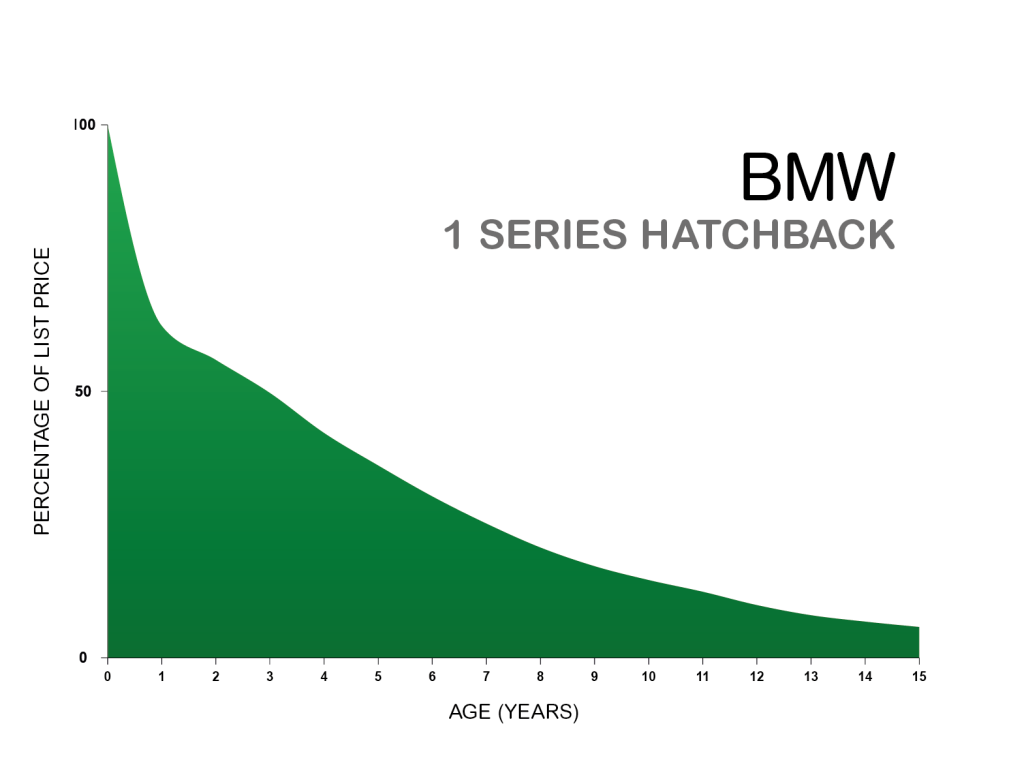
BMW vehicles depreciate faster than many mainstream brands. That depreciation is the secret that makes affordable BMW ownership possible.
A car that once sold for $45,000 can drop below $10,000 within ten years. Sometimes even sooner.
That does not mean it is worthless.
It means opportunity exists for buyers who understand:
How depreciation works
Which model years to target
Which mechanical components to inspect
How to budget realistically for upkeep
Cheap does not mean junk.
Cheap means buying after someone else has absorbed the steepest part of the value drop.
And that is where smart buyers win.
The Real Fear Behind Buying a Cheap BMW
Let’s address the elephant in the room.
Repairs.
When people hear “cheap BMW,” they immediately think:
Expensive parts
Complex engineering
European labor costs
Endless warning lights
Those fears are not completely unfounded. BMW is a precision engineered German brand. Maintenance costs can be higher than brands like Toyota or Honda.
But here is what most people miss.
Not all BMWs are equally expensive to maintain.
Not all engines are problematic.
Not all model years are risky.
There are specific BMW models and engines that are known for durability. There are others that should be approached carefully.
Understanding the difference is what separates a smart purchase from a regretful one.
What You Will Learn in This Complete Cheap BMW Guide
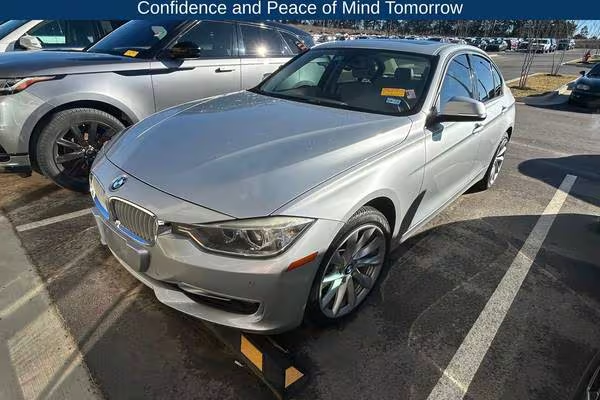
By the time you finish this guide, you will understand:
The cheapest new BMW models available in the United States
The best cheap BMWs under $5,000, $10,000, and $20,000
Which engines have the strongest reliability record
Average annual ownership cost in America
How insurance rates compare by model
Where to buy a cheap BMW safely
Common mistakes that turn bargains into money pits
How to negotiate and finance wisely
This is not just about finding a low sticker price.
It is about owning German engineering without destroying your financial stability.
The Truth About Luxury for Less
There is something deeply satisfying about driving a vehicle that feels premium without paying a premium price.
A well chosen affordable BMW can deliver:
Balanced performance
Solid highway comfort
Strong safety ratings
Iconic styling
Brand prestige
All for less than many new compact sedans.
But the key word is well chosen.
That is exactly what we are going to do next.
We are going to break down the cheapest new BMW models, then move into the real sweet spot: used BMWs that deliver performance and comfort without punishing repair bills.
If you are ready to learn how to buy a cheap BMW the smart way in the United States, let’s move forward.
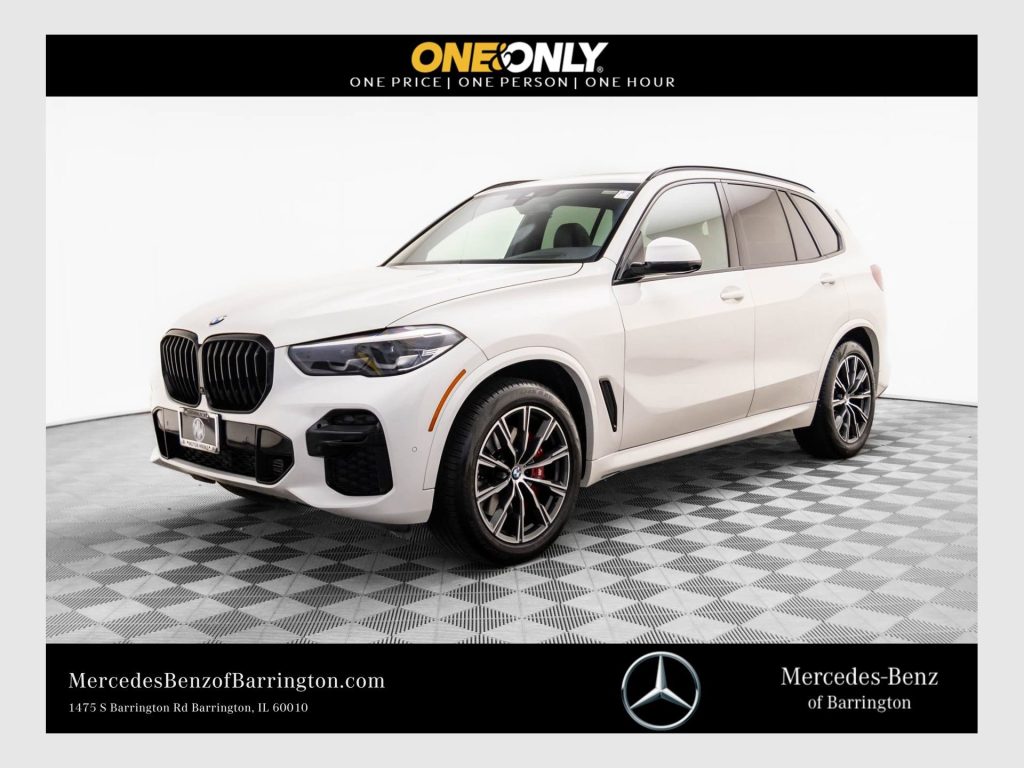
Cheapest New BMW Models in the United States (2026)
When most Americans search for a cheap BMW, they secretly hope to find a brand new one at an entry level price.
Here is the reality.
BMW is a premium German manufacturer. Even its most affordable new models are positioned in the luxury segment. However, compared to other German brands, BMW does offer relatively accessible starting points.
Let’s break down the cheapest new BMW options available in the US market and whether they truly qualify as “cheap” once ownership costs are considered.
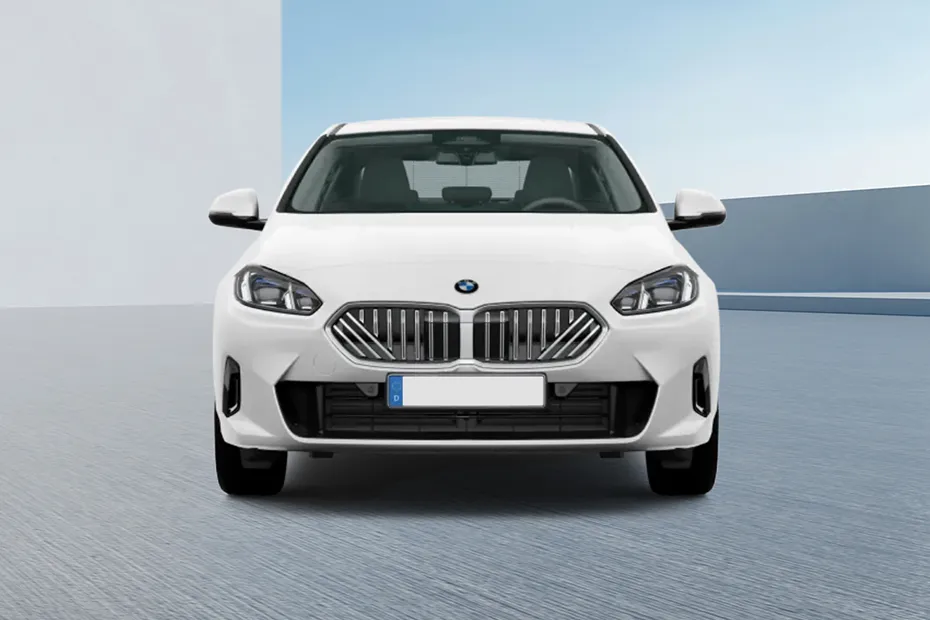
1. BMW 2 Series
Starting MSRP in the US: Typically mid to high $30,000 range depending on trim.
The BMW 2 Series is often the most affordable way to enter the BMW brand new. It is a compact coupe or sedan depending on the configuration, designed for drivers who want sporty handling without stepping into higher price tiers.
Why it attracts “cheap BMW” buyers:
Lower entry price than most BMW models
Smaller size means lower fuel consumption
Often available with lease incentives
Sporty performance feel for the money
What you need to know:
The base price looks manageable compared to larger BMW models, but once you add packages like Premium, Driver Assistance, or upgraded wheels, the cost climbs quickly. Many buyers end up pushing the price well above $40,000.
Ownership considerations:
Insurance tends to be moderate for a luxury vehicle but higher than mainstream sedans.
Maintenance after warranty can be expensive if you skip routine service.
Depreciation is steep in the first 3 to 5 years.
Who it makes sense for:
Buyers who want a new BMW experience, plan to lease, or value warranty protection over long term savings.
2. BMW X1
Starting MSRP in the US: Usually high $30,000 range.
The BMW X1 is one of the brand’s most popular entry level SUVs in America. It blends practicality with luxury appeal.
Why it ranks among the cheapest new BMWs:
Front wheel drive based platform keeps cost lower
Compact SUV size appeals to urban buyers
Strong demand means frequent dealer incentives
Strengths:
Excellent cargo space for its class
Modern infotainment system
Fuel efficient turbocharged engine
Easier to insure compared to performance models
Things to consider:
The base model may feel less premium than larger BMW SUVs.
Optional features significantly raise the final price.
Turbocharged engines require proper maintenance discipline.
For buyers wanting a luxury SUV without crossing $45,000 to $50,000 territory, the X1 remains one of the most realistic new BMW entry points.
3. BMW 3 Series
Starting MSRP in the US: Low $40,000 range for base trims.
The BMW 3 Series is the heart of the brand in America. While not the absolute cheapest new BMW, it is often the benchmark people associate with BMW ownership.
Why it matters in the “cheap BMW” conversation:
Massive depreciation makes used versions very affordable
Base trims are competitively priced in the luxury sedan segment
Balanced performance and comfort
The 3 Series represents value rather than bargain pricing. It offers:
Strong turbocharged engines
Refined ride quality
High resale demand
Advanced driver assistance features
However, new pricing pushes it out of reach for many budget shoppers. The real opportunity with the 3 Series lies in the used market, which we will cover in depth in the next section.
Is a New BMW Ever Truly Cheap?
Let’s step back for a moment.
When someone types “cheap BMW” into Google, they are rarely looking for a $600 per month car payment. Most are searching for one of three things:
A low upfront purchase price
A low monthly payment
A luxury badge at mainstream cost
A brand new BMW may offer:
Warranty coverage
Latest technology
Lower immediate repair risk
But it will almost never deliver the lowest total ownership cost over five years.
Depreciation alone can remove thousands of dollars in value during the first few years of ownership. That is why many financially savvy buyers skip new models entirely and focus on vehicles that are three to eight years old.
The real sweet spot for affordable BMW ownership in the United States is the used market.
That is where prices drop dramatically while performance and prestige remain intact.
Why Used BMW Is Where the Real Bargains Live
Here is where things get interesting.
A BMW that originally cost $45,000 can fall below $15,000 within seven to ten years. Some models even dip below $10,000.
At that price point, you are paying compact economy car money for a vehicle that once competed with luxury brands like Mercedes and Audi.
But buying used requires knowledge.
You must understand:
Engine reliability history
Transmission performance
Cooling system weaknesses
Suspension wear points
Service record importance
This is where many buyers either score an incredible deal or inherit someone else’s maintenance neglect.
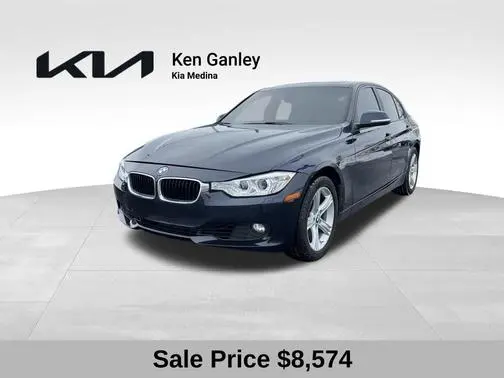
Best Cheap BMWs Under $5,000 in the United States
If your budget is under $5,000, you are not shopping for a perfect BMW. You are shopping for a strategic one.
At this price range, most vehicles will have:
Over 120,000 miles
Multiple previous owners
Cosmetic wear
Possible deferred maintenance
But here is the upside.
Many BMW models from the mid 2000s were built with solid naturally aspirated engines that can last well beyond 200,000 miles if properly maintained.
The key is choosing the right generation and engine.
Let’s break down the smartest options in this budget category.
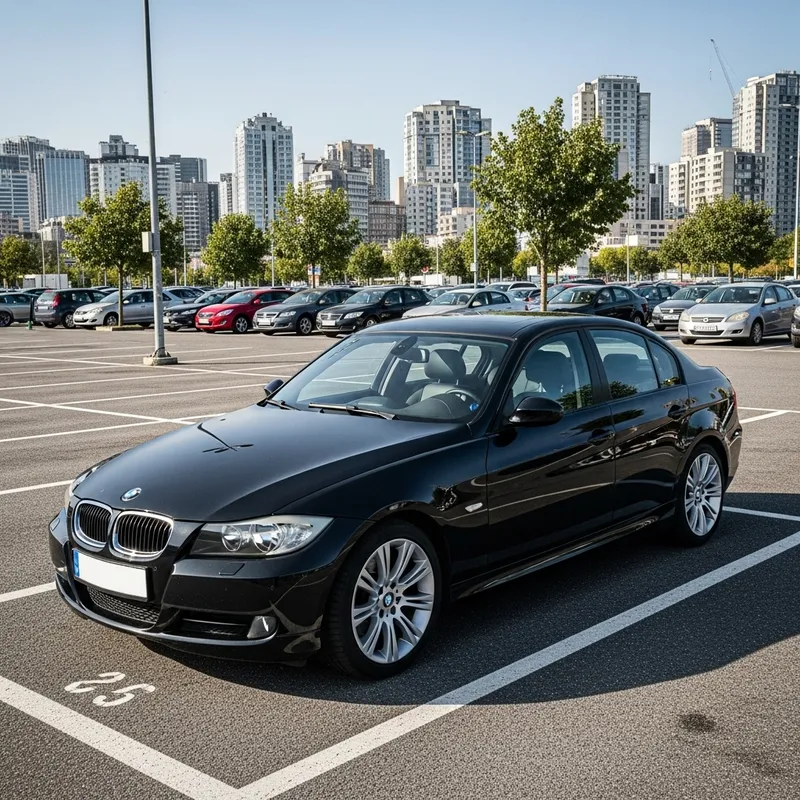
BMW 328i (2007–2011)
Typical US Price Range: $3,000–$5,000 depending on mileage and condition.
The E90 328i is one of the strongest candidates for a cheap BMW under $5,000.
Why it stands out:
Equipped with the naturally aspirated N52 inline six engine
No turbocharger to worry about
Balanced performance and reliability
Widely available parts in the US
The N52 engine is often considered one of BMW’s more durable modern engines. It delivers smooth power without the complexity of turbo systems found in later models.
Common issues to inspect:
Valve cover gasket leaks
Oil filter housing gasket leaks
Electric water pump failure
Suspension wear
If service records show recent cooling system replacement and gasket work, this car can be a surprisingly dependable budget luxury sedan.
Avoid heavily modified examples. Stock vehicles are safer bets.
BMW 325i (2006–2007)
Typical US Price Range: $2,500–$4,500.
The 325i is very similar to the 328i but slightly lower in power output. It uses an earlier version of the inline six engine.
Why it can be a bargain:
Lower demand than 328i
Same general chassis quality
Strong driving dynamics
Affordable entry price
Things to watch:
Cooling system maintenance
Transmission service history
Oil leaks
Because these models are now approaching 20 years old, condition matters more than mileage alone. A well maintained 180,000 mile car can be safer than a neglected 120,000 mile example.
BMW 525i (2004–2007)
Typical US Price Range: $2,500–$5,000.
The E60 5 Series gives you larger size and more interior comfort for similar money compared to the 3 Series.
Why buyers consider it:
More spacious cabin
Executive sedan styling
Often priced low due to age
However, this generation introduced more electronic complexity.
Inspect carefully for:
iDrive system issues
Electrical glitches
Suspension wear
Cooling system repairs
The inline six versions are preferable over V8 variants in this price range. V8 repairs can exceed the value of the vehicle.
BMW X3 (2004–2010)
Typical US Price Range: $3,000–$5,000.
If you want an SUV rather than a sedan, the first generation X3 can be found at very affordable prices.
Why it makes sense:
All wheel drive capability
Practical cargo space
Shares components with 3 Series models
Be cautious of:
Transfer case wear
Cooling system maintenance
Suspension bushings
SUV models often experience harder use than sedans. Inspect undercarriage condition carefully, especially in northern states where road salt accelerates rust.
What Makes a $5,000 BMW Worth Buying
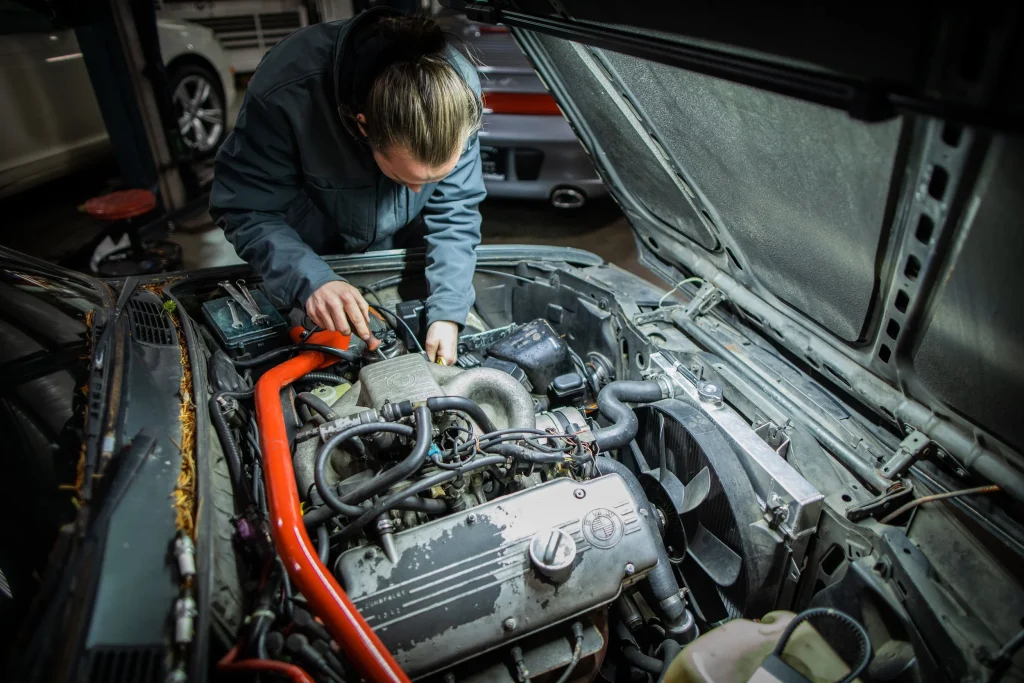
At this budget level, the car’s history is more important than the badge.
Before buying any cheap BMW under $5,000, you should:
Request full service records
Check for active warning lights
Scan for stored error codes
Inspect cooling system components
Look for oil leaks under the engine
Test drive at highway speeds
If possible, pay for a pre purchase inspection from an independent European auto specialist. Spending a few hundred dollars upfront can save thousands later.
Ownership Cost Reality Under $5,000
Let’s be honest.
A $4,000 BMW will not cost the same to maintain as a $4,000 Toyota.
You should budget:
$1,000 to $2,000 annually for maintenance and repairs
Higher insurance premiums compared to economy cars
Premium fuel requirements for most models
The goal is not to eliminate maintenance. It is to avoid catastrophic repair bills.
That is why engine selection matters so much.
Naturally aspirated inline six engines tend to be safer bets in this price bracket compared to turbocharged versions.
When to Walk Away From a Cheap BMW
Walk away if you see:
Overheating history
Slipping transmission
Major oil consumption
Severe rust
No service records
Multiple warning lights
There will always be another listing.
Patience is your strongest advantage when shopping for a cheap BMW in America.
Best Cheap BMWs Under $10,000 in the United States
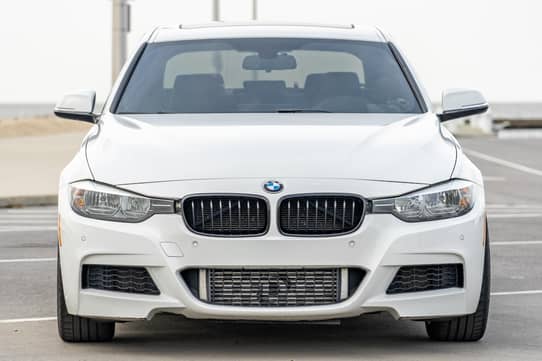
If the under $5,000 range requires patience and mechanical courage, the under $10,000 range is where real value begins.
This price bracket often delivers:
Lower mileage examples
Better interior technology
Improved safety features
More refined driving dynamics
Stronger resale demand
For many American buyers, $7,000 to $10,000 is the sweet spot where a BMW still feels modern without carrying new car payments.
Let’s break down the strongest options.
BMW 328i (2012–2015)
Typical US Price Range: $7,000–$10,000 depending on mileage.
The F30 328i represents a major shift in BMW engineering. It introduced turbocharged four cylinder engines in place of the traditional naturally aspirated inline six in many trims.
Why it attracts budget buyers:
Modern body styling
Updated interior compared to E90
Improved fuel economy
Widely available in the US market
Engine considerations:
The early F30 328i uses the N20 turbocharged four cylinder engine. While efficient, early versions experienced timing chain guide concerns. Many vehicles have already had repairs completed, but verification is critical.
What to inspect:
Timing chain service history
Turbocharger performance
Cooling system condition
Transmission smoothness
When maintained properly, the F30 offers strong performance with better fuel efficiency than older inline six models.
BMW 535i (2011–2014)
Typical US Price Range: $8,000–$10,000.
If you want size and power without crossing into high performance M models, the F10 535i is a compelling option.
Why it stands out:
Equipped with the N55 turbocharged inline six engine
Strong acceleration
Spacious executive level interior
Highway comfort
The N55 engine is generally considered more reliable than the earlier twin turbo N54. It offers a good balance between performance and manageable maintenance risk.
However, remember:
Turbocharged engines add complexity
Maintenance must be consistent
Oil changes should be frequent
For drivers who want a larger, more premium feeling BMW at a reasonable price, the 535i can feel like a serious upgrade over compact sedans.
BMW X5 (2007–2013)
Typical US Price Range: $7,000–$10,000.
The E70 X5 is one of the most common affordable BMW SUVs on the American market.
Why buyers love it:
Commanding road presence
All wheel drive availability
Family friendly space
Luxury interior materials
Engine caution:
Inline six models are safer long term compared to V8 options in this budget.
Diesel variants offer strong torque but can have emission system repair costs.
Inspect for:
Air suspension issues if equipped
Transfer case wear
Cooling system service history
SUV buyers should budget slightly more for maintenance compared to sedans due to weight and drivetrain complexity.
BMW 128i (2008–2013)
Typical US Price Range: $6,000–$9,000.
If driving engagement matters more than space, the 128i is one of the hidden gems in the affordable BMW market.
Why it is special:
Naturally aspirated N52 inline six engine
Compact and lightweight
Strong enthusiast reputation
Rear wheel drive dynamics
Unlike the turbocharged 135i, the 128i avoids turbo complexity while maintaining excellent balance and responsiveness.
For buyers who want classic BMW driving feel without high repair exposure, this model is often overlooked and undervalued.
Engine Reliability in the Under $10,000 Range
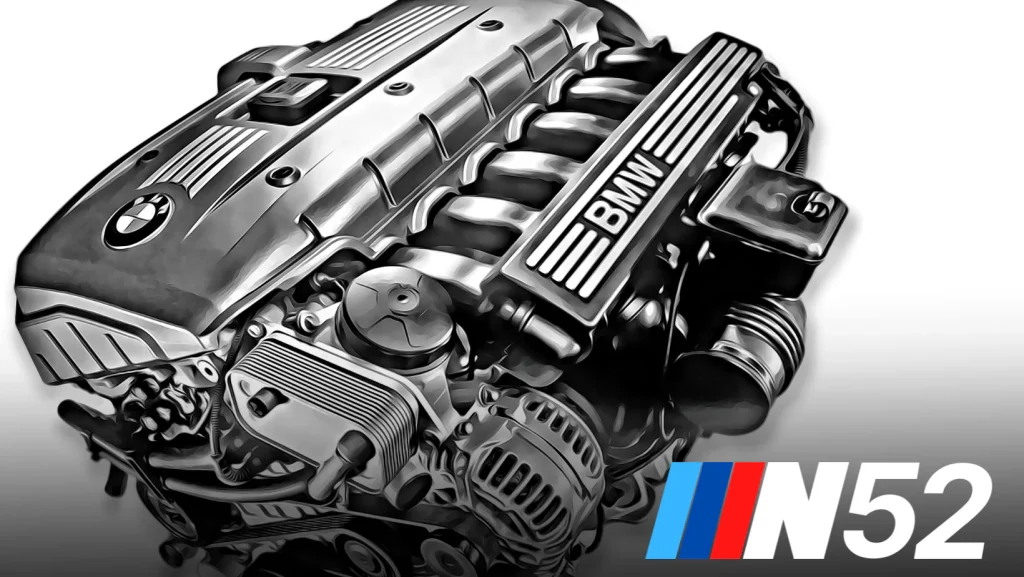
When shopping under $10,000, understanding engine codes matters more than exterior color or wheel style.
N52 inline six
Naturally aspirated
Strong long term durability
Found in older 3 Series and 1 Series models
N55 turbocharged inline six
More power
Generally more reliable than earlier twin turbo N54
Requires disciplined maintenance
N20 turbocharged four cylinder
Efficient and modern
Early models had timing chain guide concerns
Verify repair history
In this price range, you are often choosing between:
Older naturally aspirated reliability
Newer turbocharged efficiency and performance
There is no universal right answer. It depends on your risk tolerance and maintenance budget
Ownership Cost Expectations Under $10,000
At this level, expect:
Insurance slightly higher than mainstream sedans
Premium fuel requirement
Annual maintenance budget of $1,200 to $2,500 depending on usage
However, compared to buying new, you avoid steep depreciation.
Many of these vehicles have already lost most of their initial value. If you maintain them properly, resale loss can be minimal over several years.
Who Should Target the Under $10,000 Range
This category works best for:
Drivers who want modern styling
Buyers comfortable budgeting for maintenance
People planning to keep the vehicle 3 to 5 years
Those seeking balance between luxury and affordability
For many Americans searching for a cheap BMW, this is the smartest compromise between price and practicality.
Best Cheap BMWs Under $20,000 in the United States
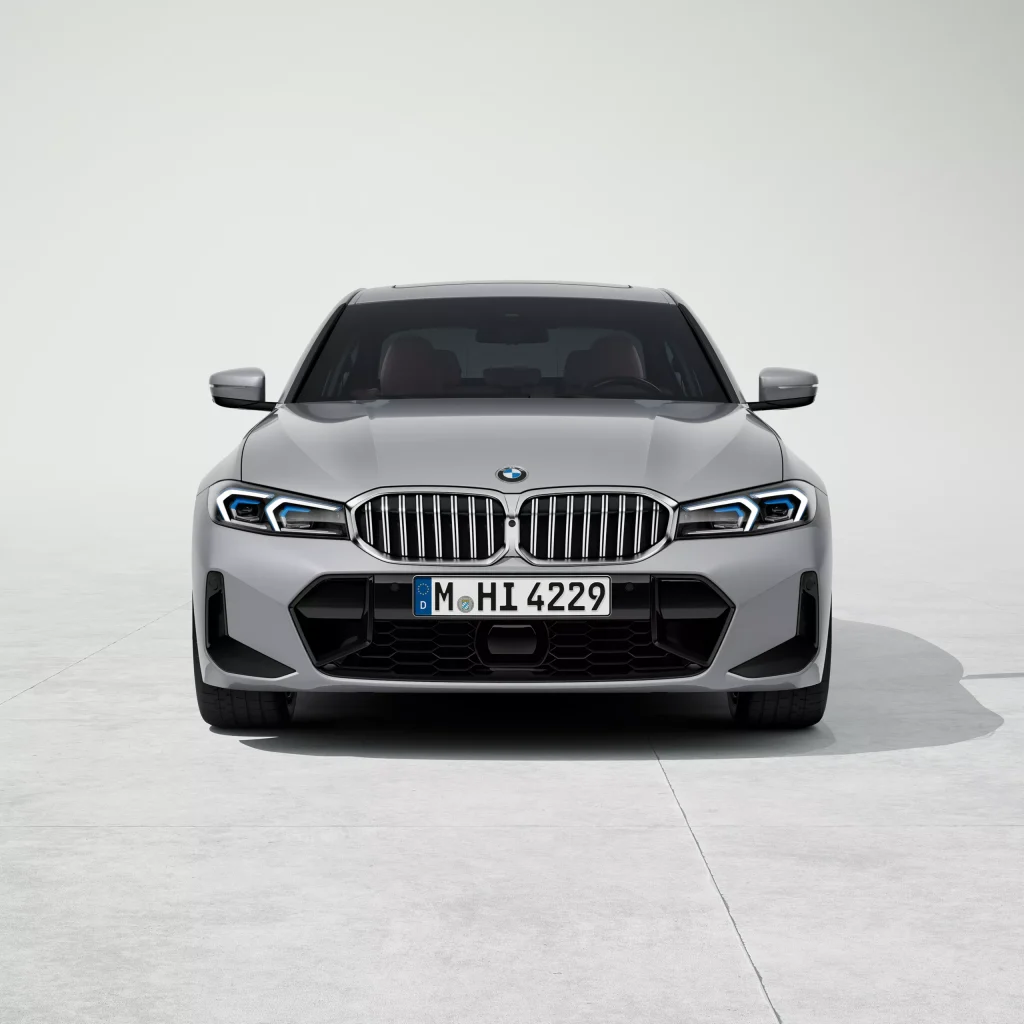
Once you stretch your budget up to $15,000–$20,000, the landscape changes dramatically. You begin seeing BMW models that feel modern, have strong technology features, and often require fewer immediate repairs compared to older budget cars.
This range represents the best balance of:
Advanced safety features
Updated infotainment and connectivity
Efficient and modern engines
Comfortable interiors
Better ownership confidence
Here are the most compelling options.
BMW 330i (2019–2021)
Typical US Price Range: $17,000–$20,000
The G20 3 Series is the latest generation of BMW’s iconic sedan.
Why it’s a value:
Contemporary styling
Updated infotainment with iDrive 7
Apple CarPlay and Android Auto support
Efficient turbocharged engine with good fuel economy
Modern safety tech like lane assist and collision warning
Things to verify before buying:
Accident history
Service records (especially oil and brake services)
Tire and brake condition
No unresolved electronic warnings
The G20 blends everyday usability, comfort, and that classic BMW driving experience without reaching six-figure price territory.
BMW X3 (2018–2020)
Typical US Price Range: $18,000–$20,000
If you prefer SUVs, the G01 X3 hits the sweet spot for performance, comfort, and utility.
Why buyers choose it:
Spacious cargo area
User friendly iDrive system
Strong reliability for its generation
Balanced ride quality
Good highway comfort
What to check:
Service records for regular maintenance
Suspension bushings and shock condition
Tire wear and alignment history
In many US regions, BMW X3 models in this range are easier to find than the latest 3 Series sedan, making them a practical value pick.
BMW 430i (2017–2019)
Typical US Price Range: $16,000–$19,000
For those who want a bit more style and sportiness, the 4 Series coupe delivers sleek looks with strong driving dynamics.
Notable features:
Sportier exterior lines
Refined interior materials
Turbocharged engine with good torque output
Driver assistance tech
Before purchase, inspect:
Adaptive suspension condition
Brake pad and rotor wear
Infotainment responsiveness
The 4 Series blends affordable luxury with more engaging driving cues than a typical sedan.
BMW 530i (2017–2019)
Typical US Price Range: $18,000–$20,000
The G30 530i offers an executive sedan feel without the high cost.
Why it stands out:
Comfort focused chassis
Good fuel economy
Spacious rear seat room
Advanced infotainment tech
Inspection checklist:
Oil change history
Tire tread depth
Steering components and suspension wear
This model often appeals to buyers who want a comfortable but premium feel, even on longer highway journeys.
What You Get at This Price Tier
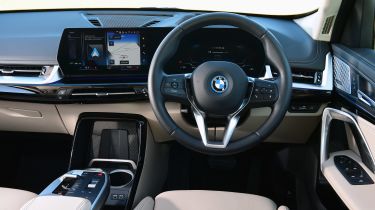
In the $15,000–$20,000 range, BMW vehicles typically offer:
Modern safety systems
Apple CarPlay and smartphone integration
Better fuel efficiency
Improved ride comfort
Less immediate brake and suspension work compared to older cars
These cars may have higher mileage than brand new vehicles, but they often feel more refined and reliable out of the gate than under-$10,000 options.
How to Evaluate Modern BMW Listings
When browsing online or at dealerships, use this checklist:
Check for accident history
Confirm service records with receipts
Review any open recalls
Confirm no active warning lights
Inspect tires, brakes, and suspension
Test drive on highway speeds
Pay attention to how it feels when accelerating, braking, and turning, not just how it looks.
Total Cost Comparison: Used Under $20,000 vs New Entry BMW
Imagine two scenarios:
A brand new base BMW 2 Series or X1
A gently used G20 330i or G01 X3
The used model will typically:
Have lower monthly payments if financed
Include most modern features
Offer depreciation that has already occurred
Require immediate service only on routine items
The new model may come with warranty coverage, but long term value often favors the used option for budget buyers.
Who Should Buy at the Under $20,000 Price Tier
This range is best for:
Buyers who want newer tech
Drivers planning to keep their BMW for several years
People who value comfort, safety, and connectivity
Shoppers who want vintage feel without retro age
The Real Cost of Owning a Cheap BMW in the United States
Buying a cheap BMW is easy.
Owning one wisely is where the real game begins.
Most buyers focus on the purchase price. Smart buyers focus on total cost of ownership.
A $7,500 BMW can either feel like a bargain or a burden depending on how well you understand the expenses that follow.
Let’s break it down clearly and realistically for the US market.
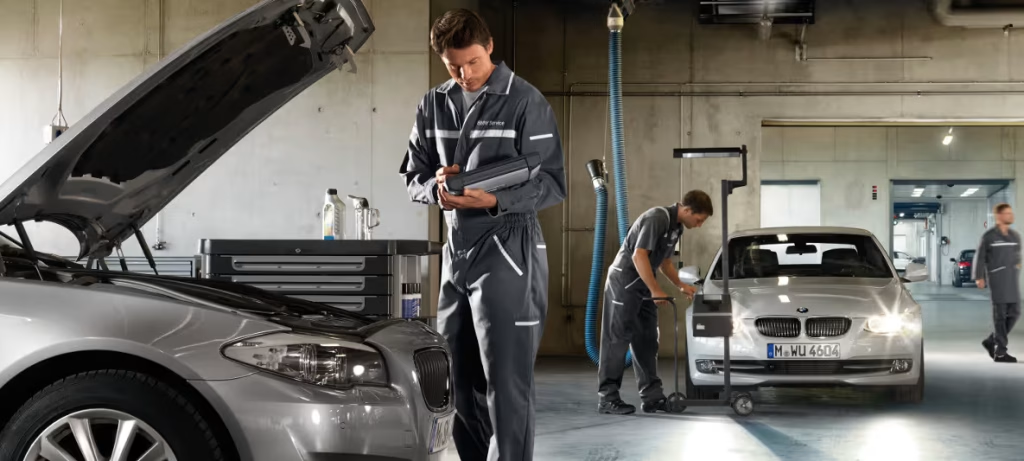
1. Annual Maintenance Costs
BMW vehicles require consistent preventive maintenance. Skipping service is what turns affordable luxury into expensive regret.
Here is what you can expect annually depending on age and mileage:
Under $10,000 BMW
$1,200 to $2,500 per year on average
Under $20,000 BMW
$800 to $1,800 per year if well maintained
Brand new BMW under warranty
Lower short term repair risk but higher depreciation cost
Routine maintenance includes:
Oil changes with synthetic oil
Brake pads and rotors
Coolant system service
Spark plugs and ignition coils
Battery replacement
Older BMW models with higher mileage may also require:
Suspension refresh
Water pump replacement
Valve cover gasket replacement
Control arm bushings
The key difference between BMW and mainstream brands is not constant breakdowns. It is the cost per repair when something does wear out.
2. Insurance Costs in the US

Insurance is often overlooked when searching for a cheap BMW.
In the United States, insurance rates depend on:
Driver age
Driving record
Location
Vehicle model and trim
Coverage level
On average:
A 30 year old driver with clean history may pay $120 to $180 per month for a used BMW sedan.
Younger drivers under 25 may see significantly higher rates.
High performance trims cost more to insure.
Sedans like the 3 Series often cost less to insure than sportier coupes or larger SUVs.
Before buying, always get an insurance quote using the vehicle’s VIN number. That small step can prevent monthly budget surprises.
3. Fuel Requirements
Most BMW models require premium gasoline.
That means:
Higher cost per gallon
Better engine performance
Improved efficiency under proper fuel grade
If you drive 12,000 miles per year, expect fuel costs to exceed mainstream economy cars by several hundred dollars annually.
However, newer turbocharged four cylinder BMW models often deliver surprisingly good fuel economy, sometimes reaching over 30 miles per gallon on the highway.
Fuel cost is manageable, but it must be part of your ownership calculation.
4. Depreciation: The Hidden Advantage
Here is the part most buyers misunderstand.
Depreciation is brutal on new BMW owners.
But depreciation is your best friend when buying used.
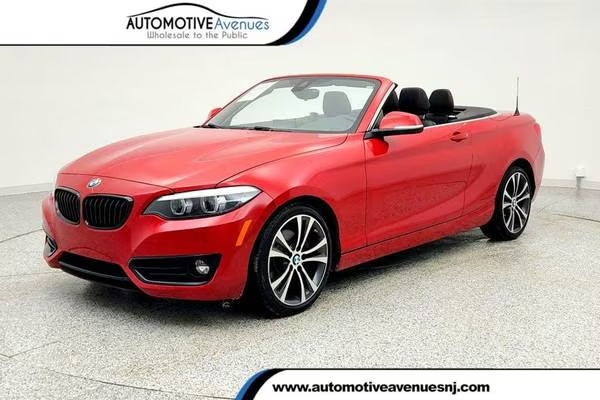
A BMW that originally cost $50,000 can be worth $18,000 a few years later. That steep drop has already happened. If you buy at the right time and maintain the vehicle properly, your resale loss over the next three years may be relatively small.
That is why buying a 3 to 7 year old BMW often makes financial sense compared to buying new.
5. Repair Risk: The Reality Check
No honest cheap BMW guide would ignore repair risk.
BMW vehicles are engineered with precision. When systems fail, parts can be expensive.
Common repair cost ranges in the US:
Water pump replacement
$700 to $1,200
Brake job
$800 to $1,500 depending on model
Suspension components
$500 to $2,000 depending on extent
Turbocharger replacement
Can exceed $2,000 if needed
The best protection against major repair bills is:
Buying models with known reliability
Getting pre purchase inspections
Avoiding neglected vehicles
Maintaining service intervals consistently
A well maintained BMW is dramatically cheaper to own than a poorly maintained one.
6. Comparing BMW Ownership to Mainstream Sedans
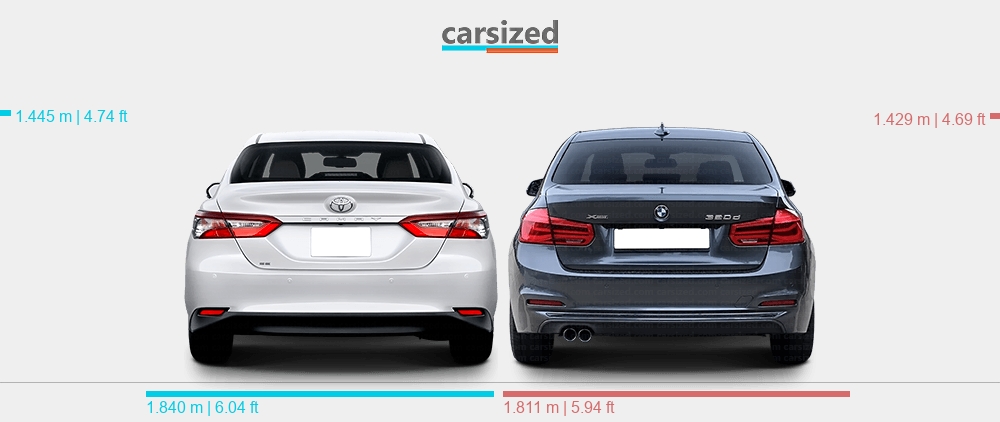
Compare ownership of a used BMW to:
Toyota Camry
Honda Accord
Mainstream sedans typically cost less in maintenance and insurance. However, they do not deliver the same driving feel, performance balance, or premium interior materials.
Choosing a cheap BMW is not about minimizing cost to the absolute lowest level.
It is about maximizing value per dollar spent.
7. How Much Should You Budget Before Buying?
A responsible approach looks like this:
If buying under $5,000
Keep at least $2,000 in reserve for immediate repairs
If buying under $10,000
Keep $1,500 to $3,000 in reserve
If buying under $20,000
Keep $1,000 to $2,000 for maintenance buffer
This financial cushion separates confident BMW owners from stressed ones.
The Bottom Line on Ownership Costs
A cheap BMW in the United States is not a myth.
It is a calculated decision.
If you:
Choose the right model
Verify service history
Budget realistically
Avoid neglected examples
You can enjoy German engineering at a fraction of its original cost.
Where to Buy a Cheap BMW in the United States
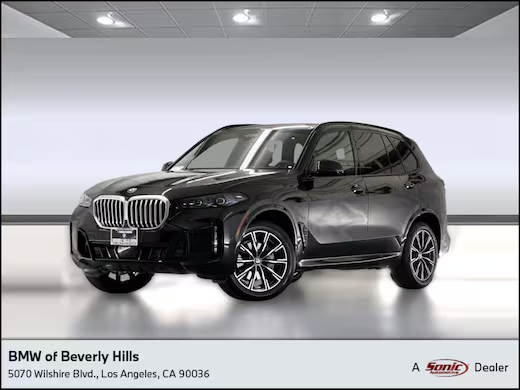
Finding a cheap BMW is not difficult.
Finding the right cheap BMW from the right source is what determines whether your purchase feels smooth or stressful.
In the United States, buyers typically shop through one of five main channels:
Large used car retailers
Online car marketplaces
Traditional dealerships
Private sellers
Certified pre owned programs
Each option has advantages and risks.
Let’s break them down clearly.
1. CarMax
CarMax is one of the largest used car retailers in the US.
Why buyers like it:
No haggle pricing
Return window policies
Optional extended warranties
Nationwide inventory
Downside:
Prices may be slightly higher than private sellers
Limited negotiation flexibility
For first time BMW buyers who want lower stress and more transparency, CarMax can be a safer starting point, even if you pay a small premium.
2. Carvana
Carvana allows buyers to purchase vehicles online with delivery options.
Advantages:
Fully online process
Vehicle history reports included
Delivery to your home
Risks:
Limited ability to physically inspect before purchase
Return window exists but still requires diligence
For tech comfortable buyers who prefer convenience, Carvana offers a streamlined path to buying a cheap BMW.
3. Autotrader
Autotrader is a marketplace connecting buyers with dealers and private sellers.
Why it is powerful:
Wide inventory range
Filters for price, mileage, location
Ability to compare multiple listings
This platform is excellent for researching pricing trends before committing to a purchase.
4. Facebook Marketplace
Private sellers often list vehicles here.
Pros:
Lower asking prices
Direct communication with owner
Potential negotiation leverage
Cons:
Higher fraud risk
No warranty
Limited buyer protections
Always meet in safe public places and request service records.
5. Craigslist
Craigslist still hosts many used vehicle listings across the US.
Advantages:
Often lower prices
Direct seller communication
Risks:
Scams
Incomplete paperwork
No return policy
If buying through private channels, insist on:
Vehicle history report
VIN verification
Pre purchase inspection by a mechanic
Certified Pre Owned BMW: Is It Worth It?
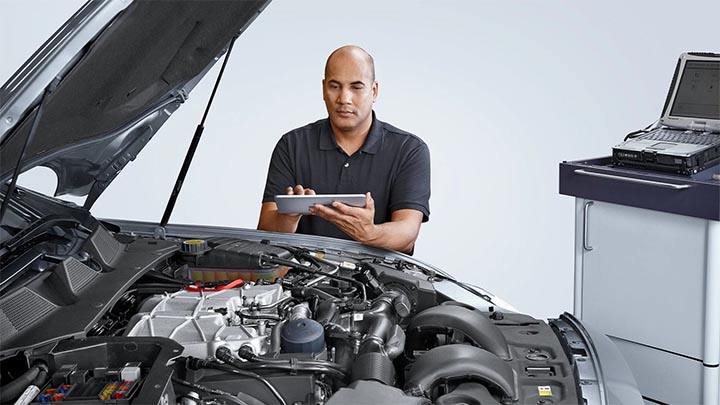
BMW dealerships offer certified pre owned vehicles that undergo inspection and include limited warranty coverage.
Benefits:
Extended warranty protection
Thorough inspection process
Peace of mind
Drawbacks:
Higher purchase price
Limited inventory at lower budget tiers
Certified pre owned options are usually found in the $15,000 to $30,000 range rather than under $10,000.
For buyers who want lower risk and are comfortable paying slightly more, this route can provide added confidence.
How to Avoid Getting Burned
No matter where you buy, follow these rules:
Always request a vehicle history report
Verify service records
Check for open recalls
Scan for diagnostic codes
Test drive at highway speed
Inspect for leaks or warning lights
If you are not mechanically inclined, pay for an independent pre purchase inspection. The small upfront cost can prevent major financial mistakes.
Negotiation Strategy for Cheap BMW Buyers
When negotiating:
Research comparable listings in your region
Point out maintenance items that need attention
Be willing to walk away
Avoid emotional attachment to one specific car
Remember, BMW listings appear daily across the US market. Patience creates leverage.
Online vs Local Dealership: Which Is Better?
Online platforms offer convenience and wide selection.
Local dealerships offer:
In person inspection
Face to face negotiation
Easier test driving
Faster paperwork completion
For high mileage BMW models under $10,000, in person inspection is strongly recommended.
Common Mistakes That Turn a Cheap BMW Into an Expensive One
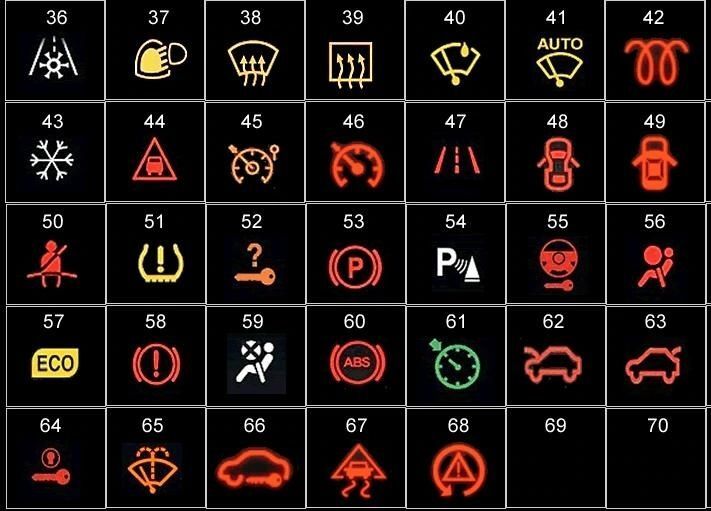
Buying a cheap BMW is not risky by default.
Buying one carelessly is.
Across the United States, thousands of buyers get excited by a low sticker price and forget that luxury vehicles require informed decision making. The result is often frustration, unexpected repair bills, and regret.
Here are the most common mistakes that turn a cheap BMW into an expensive ownership experience.
Mistake 1: Ignoring Service History
A BMW without service records is a gamble.
BMW engines, especially turbocharged ones, demand consistent oil changes and cooling system maintenance. When previous owners skip maintenance, small issues compound into large repairs.
What to do instead:
Request documented service history
Look for proof of cooling system replacements
Confirm oil changes were done regularly
Avoid sellers who say “it runs fine” but have no paperwork
A documented car is almost always safer than a mystery car.
Mistake 2: Choosing the Wrong Engine Without Research
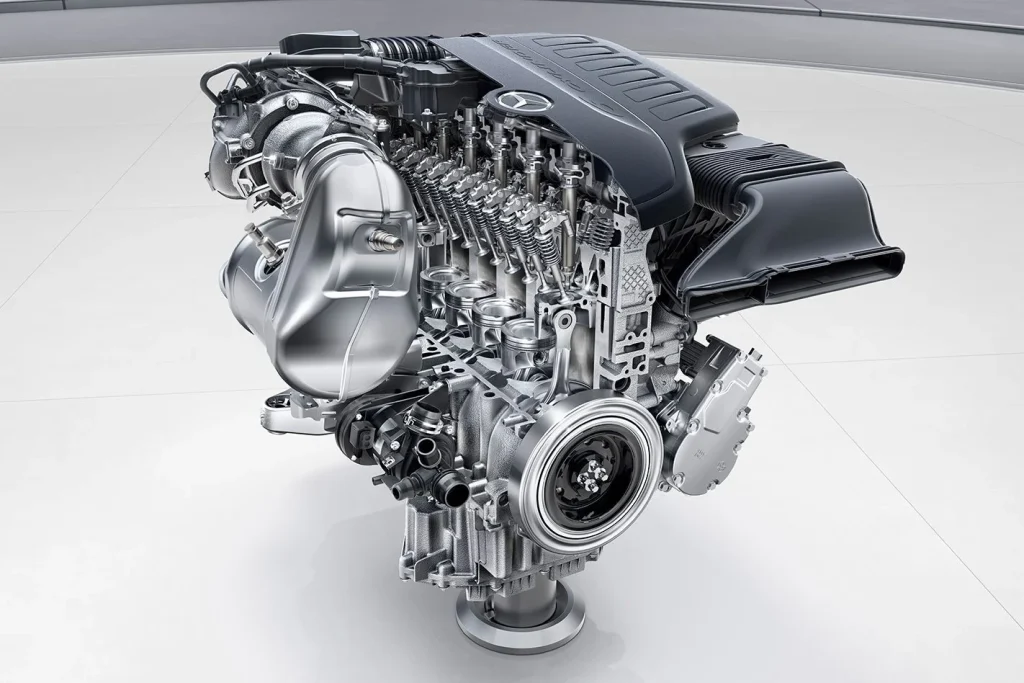
Not all BMW engines are equal in long term durability.
Naturally aspirated inline six engines such as the N52 tend to be simpler and more predictable.
Turbocharged engines like the N20 and N55 offer better fuel efficiency and performance but introduce more components that can wear over time.
The mistake is not buying a turbo engine.
The mistake is buying one without understanding:
Timing chain history
Turbo service condition
High pressure fuel pump history
Cooling system integrity
Engine research should happen before you fall in love with the car.
Mistake 3: Skipping the Pre Purchase Inspection
One of the most expensive mistakes is skipping a professional inspection to save a few hundred dollars.
An independent mechanic familiar with BMW can:
Check for hidden oil leaks
Inspect suspension components
Scan for stored fault codes
Verify cooling system condition
Evaluate brake life
Spending $150 to $300 for inspection can save thousands later.
Mistake 4: Underestimating Maintenance Budget
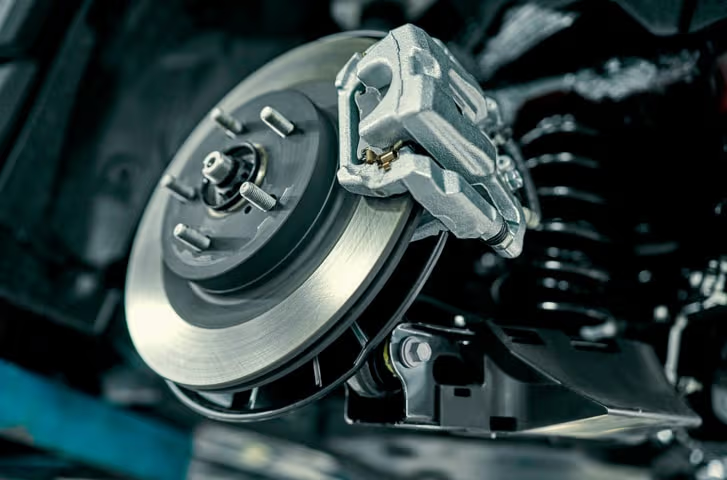
Many buyers assume that because they purchased the car cheaply, maintenance will also be cheap.
That is rarely true.
BMW parts and labor are typically more expensive than mainstream brands.
If you buy a $7,000 BMW with only $500 left in savings, you are creating stress. A smart buyer keeps a repair reserve fund.
Mistake 5: Buying the Cheapest Example Available
The lowest priced BMW listing is often cheap for a reason.
Red flags include:
Salvage titles
Flood damage
Severe rust
Multiple warning lights
Poor interior condition
Extensive modifications
Instead of chasing the lowest price, aim for the best maintained example within your budget.
Condition matters more than price alone.
Mistake 6: Ignoring Insurance and Registration Costs
Before purchasing, always get an insurance quote using the vehicle identification number.
Some BMW trims cost significantly more to insure, especially coupes and performance variants.
Also consider:
State registration fees
Emissions testing requirements
Inspection compliance
Budget planning should happen before signing paperwork.
Mistake 7: Letting Emotion Override Logic

BMW vehicles are emotionally appealing.
The driving experience, styling, and brand prestige can cloud practical judgment.
Always ask yourself:
Does this specific vehicle have strong service history
Can I afford potential repairs
Is there another example with better condition
Luxury ownership should feel empowering, not stressful.
The Smart Buyer Mindset
A cheap BMW should be approached like an investment decision.
Research first
Inspect thoroughly
Budget realistically
Walk away if needed
The goal is not just to own a BMW.
The goal is to own one confidently.
Frequently Asked Questions About Cheap BMW in the United States
Q1: Can I really find a reliable BMW under $5,000 in the US?
A: Yes, but reliability depends heavily on model, engine, and maintenance history. Naturally aspirated inline six engines like the E90 328i are your safest bet in this budget. Always request service records and perform a pre purchase inspection.
Q2: Are used turbocharged BMW engines risky at lower prices?
A: Turbocharged engines such as the N20, N55, and N54 can be reliable if properly maintained. The risk comes when previous owners skipped oil changes, cooling system service, or ignored timing chain issues. Verify maintenance history before buying.
Q3: What are the cheapest BMW models to insure in the US?
A: Sedans like the 3 Series (E90/F30) are generally cheaper to insure than coupes (1 Series, 4 Series) and SUVs (X3, X5). Your personal profile: age, driving record, and location, also significantly affects premiums.
Q4: Should I buy certified pre owned (CPO) for budget BMWs?
A: CPO vehicles provide warranty coverage and peace of mind but usually exceed $15,000. For sub $10,000 buyers, well-maintained private listings or small dealerships often offer better value, though without extended warranty protection.
Q5: How much should I budget annually for a cheap BMW?
A:
-
Under $5,000: $1,200–$2,500 for maintenance/repairs
-
Under $10,000: $1,200–$2,000
-
Under $20,000: $1,000–$1,800
Always maintain a repair reserve to avoid financial surprises.
Q6: Do cheap BMWs require premium fuel?
A: Yes. Most models require premium gasoline for optimal engine performance. Skipping premium can reduce performance and potentially harm the engine long term.
Q7: What mistakes do most US buyers make with cheap BMWs?
A: Common mistakes include ignoring service history, skipping pre purchase inspections, underestimating repair budgets, buying the cheapest car regardless of condition, and letting emotions override logic.
Conclusion: Buying a Cheap BMW Wisely

Owning a BMW in the United States doesn’t have to break the bank.
Whether your budget is under $5,000, $10,000, or $20,000, there are affordable BMW models available if you know what to look for. The keys to success are:
-
Researching models, engines, and reliability history
-
Inspecting the vehicle carefully and requesting service records
-
Budgeting realistically for maintenance, insurance, and fuel
-
Avoiding impulsive purchases driven purely by the badge
Cheap BMW ownership is about strategy, not luck. With the right approach, you can enjoy the legendary BMW driving experience while staying financially sensible.
Take your time, choose wisely, and enjoy the luxury, performance, and thrill that a BMW delivers, even on a budget.
